

 русский
 Español
 عربى
عربى-
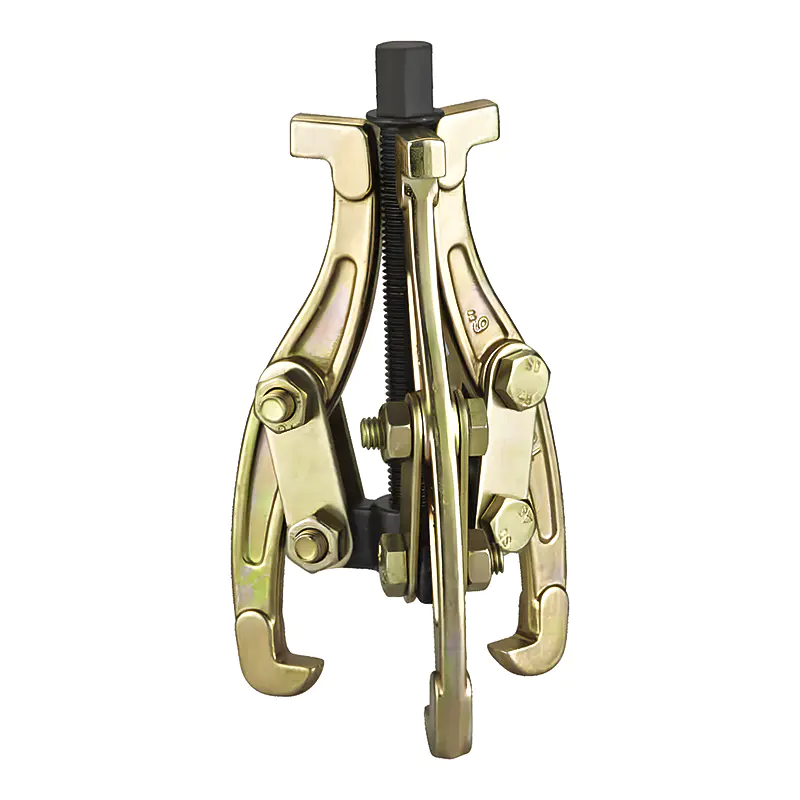
Model: SN0101
-
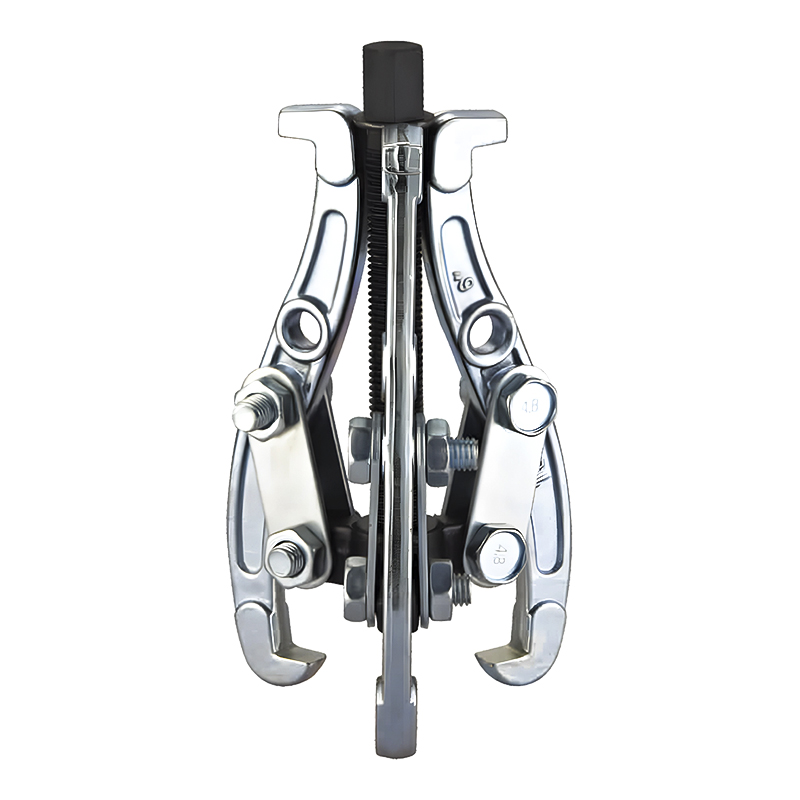
Model: SN0102-1
-
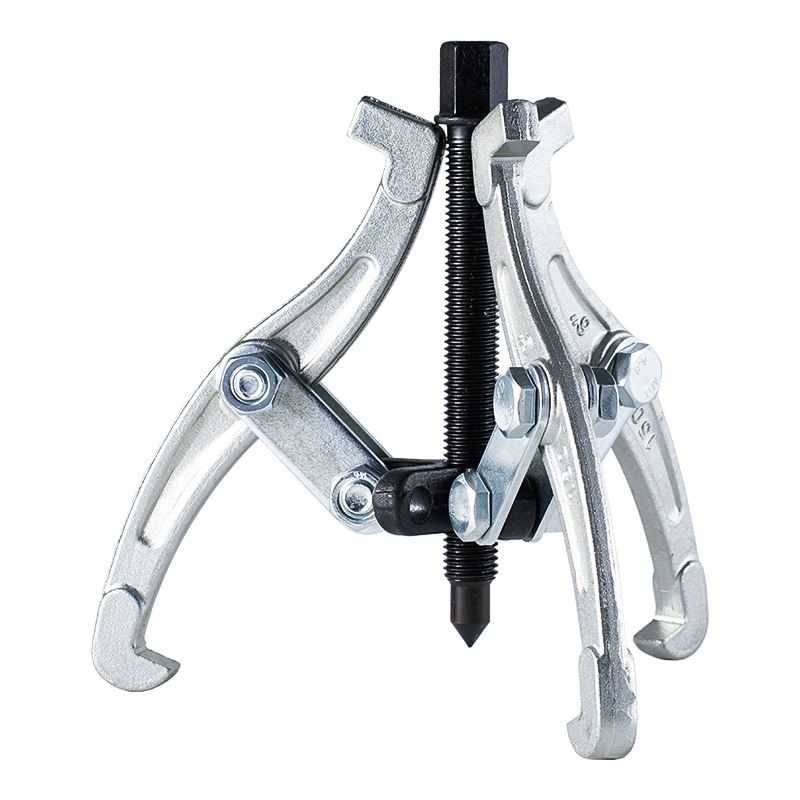
Model: SN0103
-
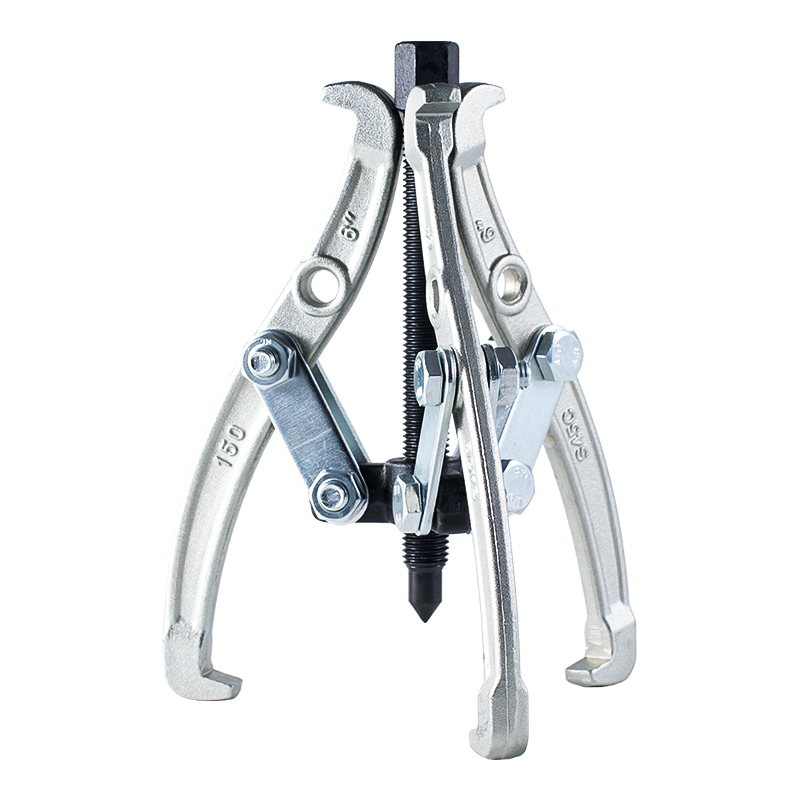
Model: SN0102 SN0107
-
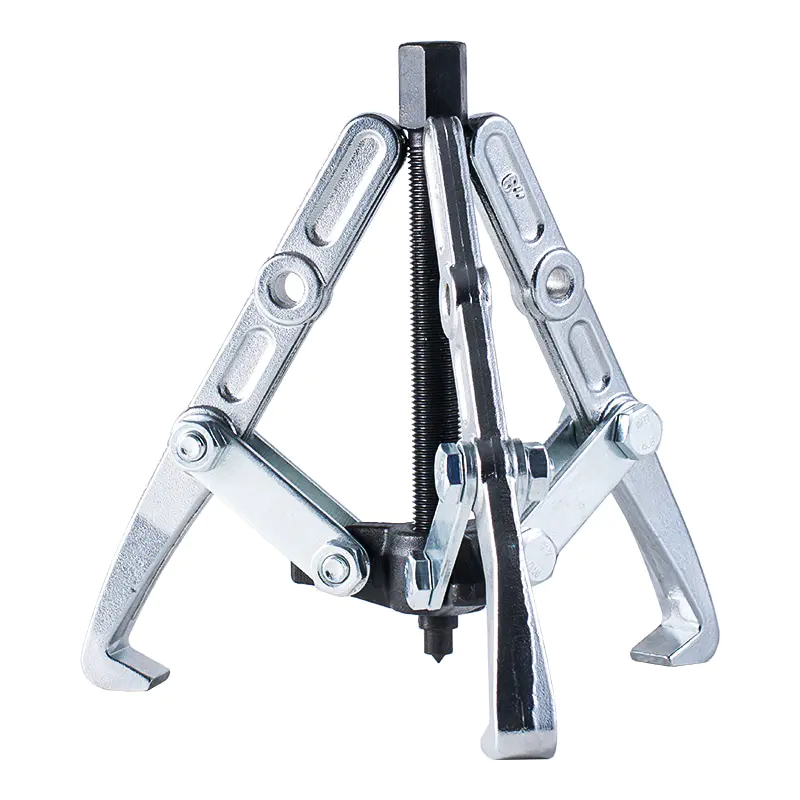
Model: SN0108 SN0109
-
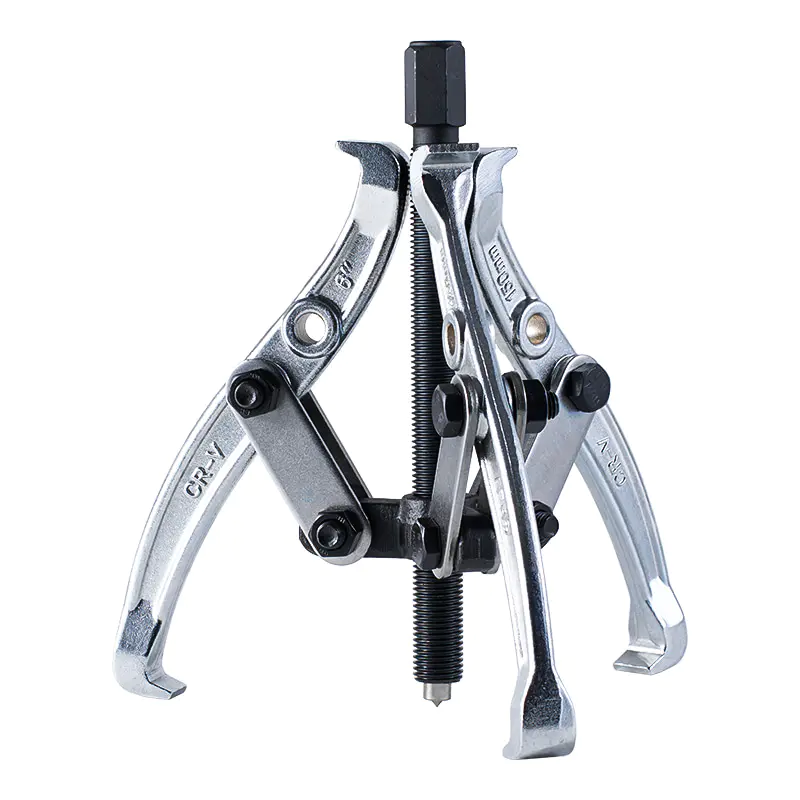
Model: SN0105
-
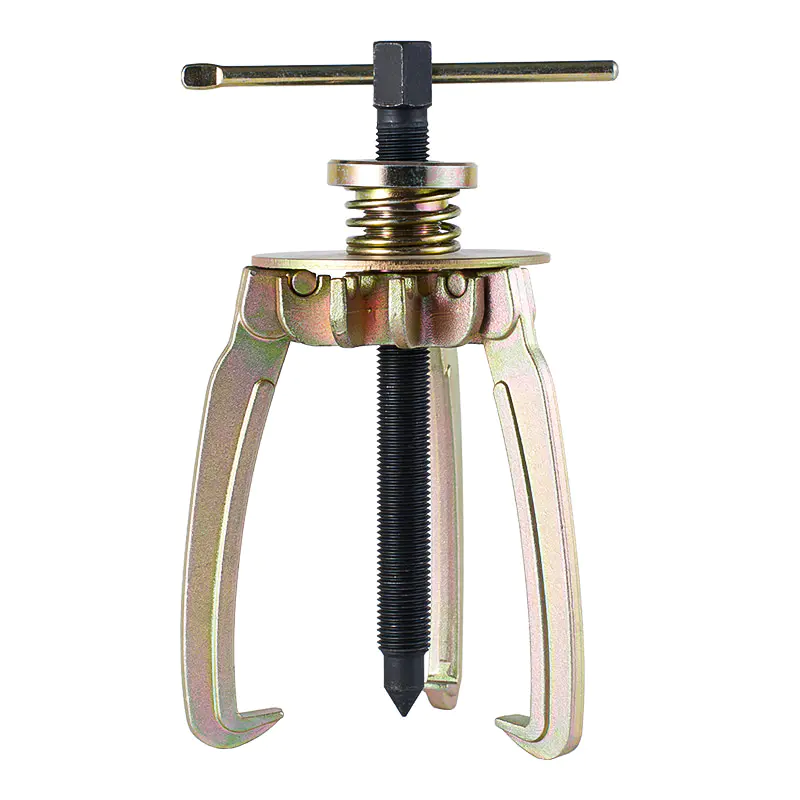
Model: SN0106
-
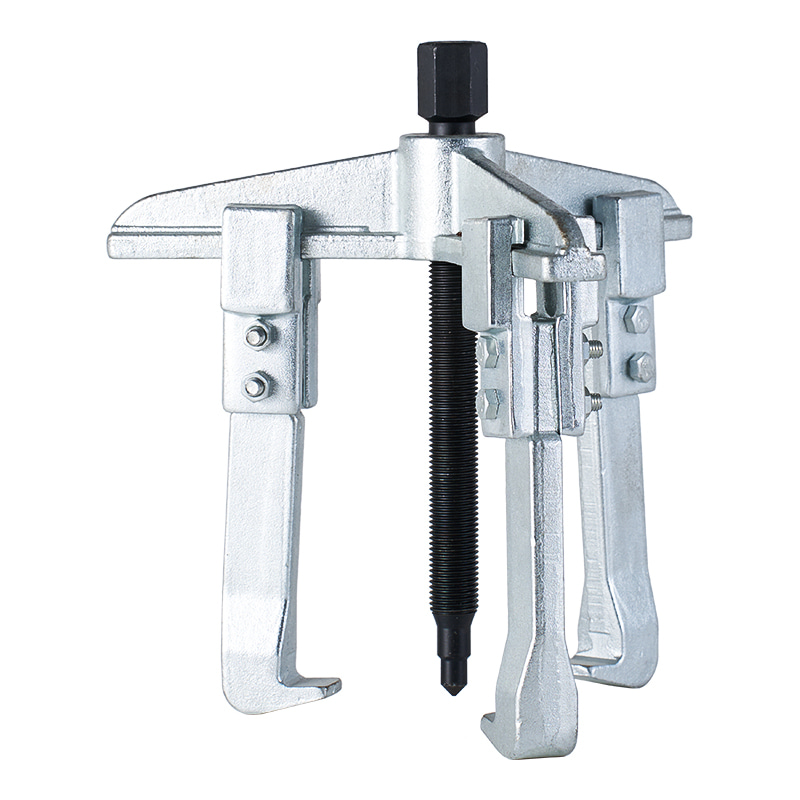
Model: SN0110
-
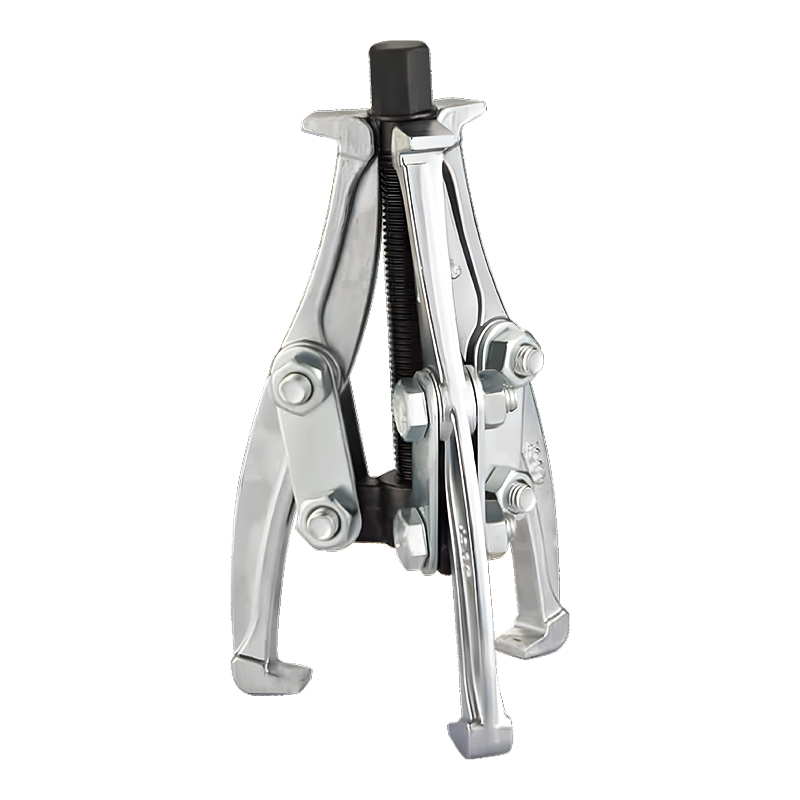
Model: SN0118
-
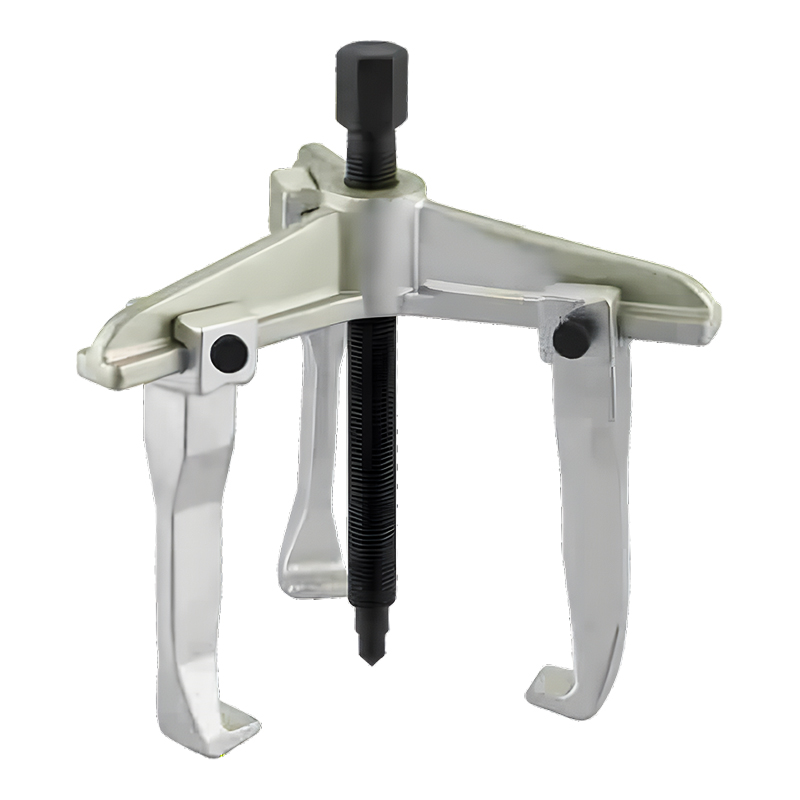
Model: SN0122
-
Model: SN0118-1
Submit feedback
Why Is an Automotive Gear Puller Used in Vehicle Repairs
2026-10-02
Vehicle repair constantly deals with parts fitted tightly together. Gears, bearings, pulleys, hubs, and other components often need removing during maintenance or repair work. Simply yanking a part by hand rarely works out well. Reach for an unsuitable tool, and the job just gets harder from there.
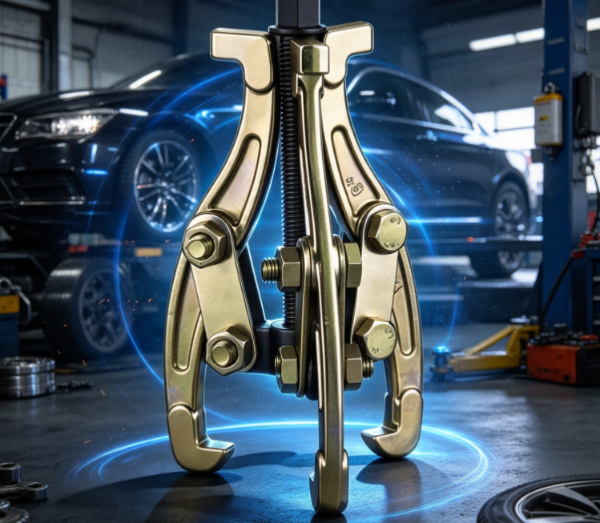
An Automotive Gear Puller steps in to handle exactly this kind of work. It provides a controlled way to pull a component free from whatever it's mounted around or behind. The tool turns removal work into something a lot more organized, giving mechanics a genuinely better way to tackle components that resist manual handling.
The value of a gear puller isn't locked to one vehicle type or one repair task, either. Different puller designs suit different component shapes and working conditions. That's exactly why tool selection matters so much in vehicle maintenance.
Why Is an Automotive Gear Puller Used During Vehicle Repairs?
Plenty of automotive components get designed to stay locked securely in position during normal operation. That's genuinely useful while the vehicle's running, sure, but it creates a real headache once a mechanic needs to pull that component free.
A Gear Puller offers a practical way to apply force to the component while keeping the whole removal process a lot more controlled. Rather than relying on repeated manual pulling or some improvised workaround, the mechanic positions the tool around the part and works through removal methodically.
That pays off whenever a component needs pulling for inspection, replacement, cleaning, or other repair work down the line.
| Repair Situation | Possible Role of an Automotive Gear Puller |
|---|---|
| Gear removal | Helps separate a gear from its mounting position |
| Bearing removal | Supports controlled removal of a bearing |
| Pulley removal | Helps move a pulley away from its installed position |
| Hub-related work | Supports removal where suitable |
| Maintenance | Makes access to hidden components easier |
| Component replacement | Helps remove an existing part before installation |
The tool also cuts down on relying on methods that might not actually suit the component in question. A mechanic can pick a puller based on the part's shape and location, rather than tackling every removal job the exact same way.
That's exactly what makes the gear puller such a practical fixture in plenty of repair tool collections.
How Does an Automotive Gear Puller Help With Difficult Components?
Some components are easy enough to reach but genuinely hard to remove. Others sit boxed in by nearby parts that squeeze the available working space down to almost nothing.
In situations like these, the real challenge isn't just applying force. The mechanic also needs to position the tool correctly and hold steady control throughout the removal.
A gear puller helps by building a genuinely structured connection between the tool and the component. The puller grips or supports the part while its central mechanism applies pressure straight in the direction removal actually calls for.
That approach tends to make the whole process a lot more manageable.
The puller's design matters plenty here too. Different products lean on different arrangements of arms, jaws, or supporting points. These design choices let the tool adapt to different component shapes without much fuss.
A puller with adjustable arms hands over more flexibility once the component doesn't follow some simple, predictable shape. A universal gear puller can also cover different repair tasks whenever its design genuinely fits the application at hand.
The mechanic still needs to choose and position the tool correctly, to be clear. The puller isn't some substitute for proper repair procedure. It's a tool that supports the removal stage sitting within that broader procedure.
Which Automotive Components Can a Gear Puller Help Remove?
Automotive gear pullers get associated with gears first and foremost, sure, but their applications stretch well past gears alone. That same basic concept pays off for plenty of other components needing controlled separation too.
Bearings turn up as a common example. A bearing often needs removing during maintenance or replacement work. Depending on where it sits, getting at it by hand can turn genuinely difficult fast.
Pulleys offer another likely application. Some pulleys sit locked firmly in place and demand a suitable removal tool once they need servicing.
Other components can call for puller-style tools too. The exact application always comes down to the component's design and whatever type of puller's actually in use.
| Component | Why Removal Can Be Challenging |
|---|---|
| Gears | May fit tightly in their installed position |
| Bearings | Can be difficult to grip directly |
| Pulleys | May have limited accessible surfaces |
| Hubs | Can require controlled separation |
| Bushings | May be difficult to access manually |
| Other mounted parts | Surrounding components can restrict access |
This whole range of applications explains why automotive repair professionals often keep several different types of pullers on hand.
A single tool rarely suits every situation that walks through the shop door. Component shape, access, position, and removal requirements all sway the choice heavily.
For buyers, that means the term "automotive gear puller" alone doesn't tell the whole story. The actual design needs to genuinely match the intended repair work.
Can an Adjustable Gear Puller Support Different Repair Jobs?
Repair work rarely follows some fixed, identical pattern job after job. Even similar-looking components carry different shapes or sit in different positions.
An adjustable gear puller offers real flexibility since its working position can shift to suit different applications. That pays off especially when the distance between supporting points varies, or when the component has some unusual shape to work around.
The adjustable design also earns its keep in workshops where mechanics juggle a wide range of repair jobs day to day.
| Puller Feature | Possible Benefit During Repair |
|---|---|
| Adjustable arms | Helps fit different component shapes |
| Multiple gripping positions | Provides more placement options |
| Flexible working range | Supports different repair situations |
| Reversible design | May allow different removal approaches |
| Compact structure | Can be useful in restricted spaces |
Adjustability doesn't mean every puller suits every component, though, and that's worth saying plainly. The tool still needs to genuinely fit the part correctly.
Poor positioning just makes removal harder. It can also load unnecessary pressure onto surrounding parts nearby. That's exactly why the working area deserves a proper inspection before the puller ever gets put to use.
The goal here is landing on a tool with enough flexibility without turning the repair process into something needlessly complicated.
Why Does Puller Design Matter in Automotive Repairs?
An automotive gear puller's design shapes exactly how it interacts with the component in front of it.
A puller needs to make contact with genuinely suitable areas of the part. Its arms or gripping sections need to stay properly positioned throughout use. The central section also needs to line up with the actual removal direction.
Details like these might sound trivial, but they genuinely shape how easy the repair task feels in practice.
A well-matched puller offers a much more direct approach. A poorly matched tool, on the other hand, forces awkward positioning or fails to make enough contact with the component at all.
A handful of design areas are worth weighing here:
- Grip arrangement: Determines how the puller connects with the component.
- Arm movement: Affects how easily the tool can adapt to different shapes.
- Central pressure point: Helps direct force toward the intended removal path.
- Overall shape: Influences access in confined repair areas.
- Adjustment method: Determines how easily the tool can be fitted before use.
For workshops, tool design deserves weighing right alongside whatever type of repair work gets performed regularly.
A workshop handling plenty of bearing-related repairs carries different tool requirements from one mostly focused on general vehicle maintenance.
How Can an Automotive Gear Puller Make Repair Work More Organized?
Vehicle repair stretches well past simply pulling out a damaged component. Mechanics often need to inspect the surrounding area, pin down the cause of a problem, remove the old part, and prep the area for whatever's going back in.
A suitable puller makes that removal stage a lot easier to organize.
Rather than cycling through several manual methods by trial and error, the mechanic can pick a puller matching the component upfront. The tool then gets positioned before removal even kicks off.
That builds a much clearer workflow overall.
1. Identify the Component
The mechanic needs to know what needs to be removed and how it is positioned.
2. Check the Working Area
Nearby parts can affect how the puller is positioned. Available space should be considered before selecting a tool.
3. Match the Puller
The puller should have a suitable gripping arrangement and working shape for the component.
4. Position the Tool
The tool needs to contact appropriate areas of the component and remain properly aligned.
5. Carry Out the Removal
The removal process should follow the appropriate repair procedure for the vehicle and component.
This structured approach cuts down heavily on unnecessary trial and error along the way.
It also turns tool selection into a genuine part of the repair process, rather than some afterthought tacked on at the last minute.
What Should Buyers Consider When Choosing an Automotive Gear Puller?
Choosing an automotive gear puller gets a lot easier once the buyer starts from actual repair needs, rather than a glossy catalog listing.
A tool might look perfectly suitable on paper, but its real usefulness comes down to how it'll actually get used. Buyers should think through the types of components they normally run into and the working conditions surrounding those components.
| Buying Consideration | Question to Ask |
|---|---|
| Application | What components will the puller be used to remove? |
| Component shape | Can the tool fit the intended parts? |
| Working space | Can it be positioned in the available area? |
| Adjustability | Is an adjustable design useful for the repair tasks? |
| Tool structure | Does the design provide suitable contact with the component? |
| Handling | Can mechanics position and operate the tool comfortably? |
| Product range | Does the supplier offer different puller designs for different jobs? |
The type of workshop matters here too.
A general repair shop probably needs a flexible spread of pullers covering different vehicle systems. A specialized repair business, on the other hand, might focus tightly on tools suited to particular components.
Buyers should also think through storage and tool organization while they're at it. Automotive repair tools get used over and over again, day after day. A clear system just makes it a lot easier for mechanics to grab the right puller the moment a removal task shows up.
Could a Universal Gear Puller Be Useful for Automotive Maintenance?
A universal gear puller gets built to handle a much wider range of removal applications. That makes it genuinely useful for workshops that would rather not lean on a separate tool for every single component walking through the door.
Its value comes down to flexibility. A universal design can support different component shapes and repair situations whenever the tool adjusts or positions appropriately for the job.
Universal, though, doesn't mean unlimited, and that distinction matters.
Some components carry unusual shapes or sit boxed in with restricted access. A specialized puller might genuinely suit a particular repair situation better than any universal option could. Buyers, then, should look hard at the actual working conditions, rather than picking a tool purely because the word "universal" sounds reassuring.
A genuinely practical tool collection often blends both flexible pullers and application-specific designs side by side.
| Workshop Need | Possible Tool Direction |
|---|---|
| Different general repairs | Universal gear puller |
| Different component shapes | Adjustable gear puller |
| Bearing-related work | Bearing puller |
| Gear removal | Automotive gear puller |
| Specialized repair tasks | Application-specific puller |
This approach hands mechanics a lot more options without pinning every single repair on one narrow tool design.
An Automotive Gear Puller's role, then, ties tightly back into the wider needs of vehicle maintenance as a whole. Once a component needs pulling free from its installed position, the right puller offers a far more structured way to tackle that task head-on.
Its real usefulness comes down to the relationship between tool design, component shape, available working space, and whatever specific repair process the job actually calls for.
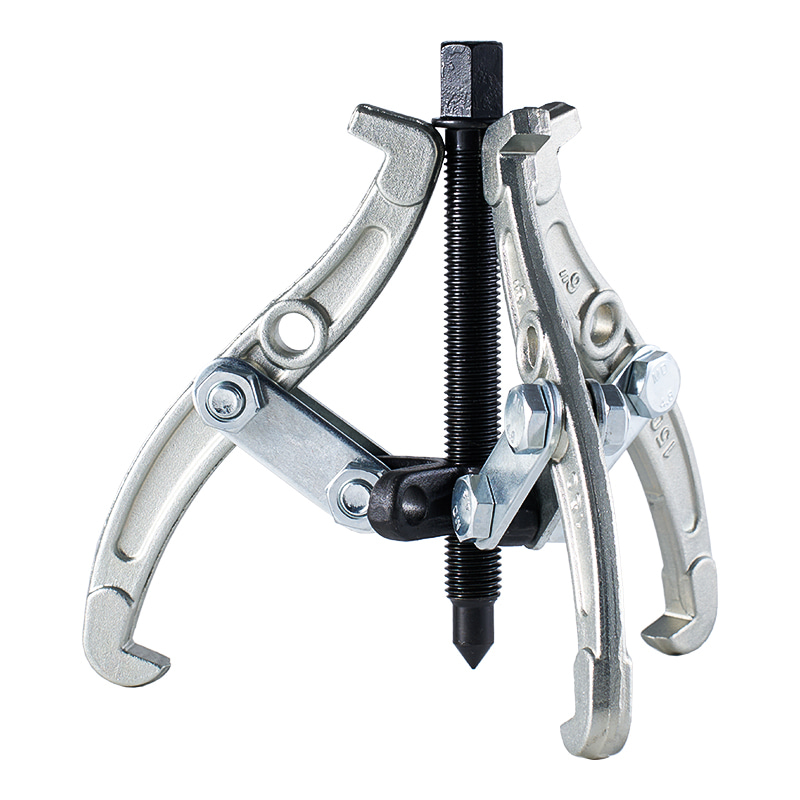

-

Fax: +86-576-82686606
-

Tel: +86-576-82686563
+86-576-82686832 -

E-mail: [email protected]
-

Add: Fengjiang Industrial Park, Luqiao Area,Taizhou City, Zhejiang Province, China
Copyright © 2025 Taizhou Xinming Technology Co., Ltd. All Rights Reserved.

Sale Hardware Tools Factory