

 русский
 Español
 عربى
عربى-
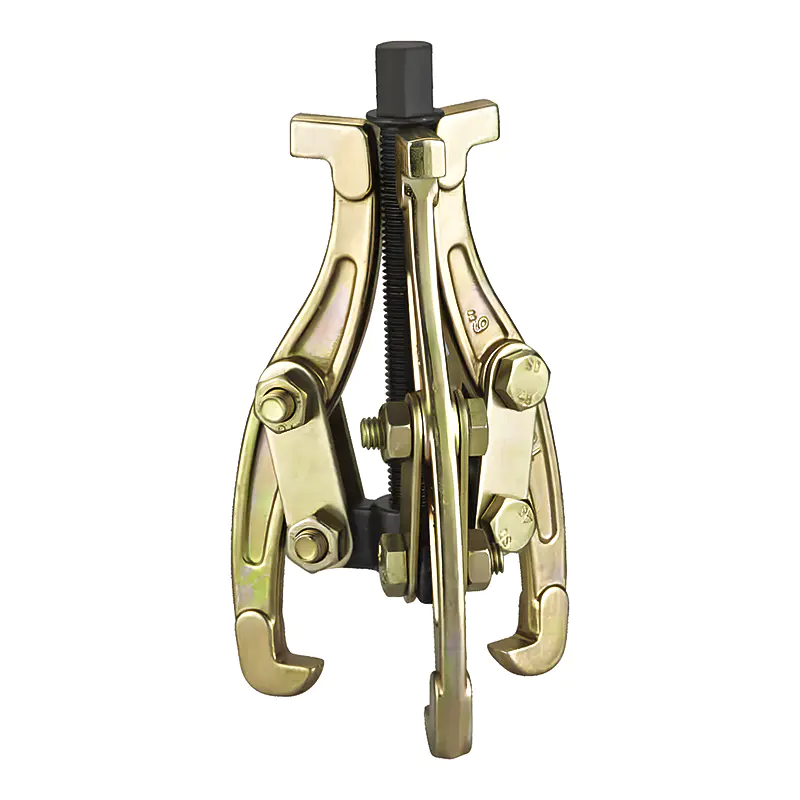
Model: SN0101
-
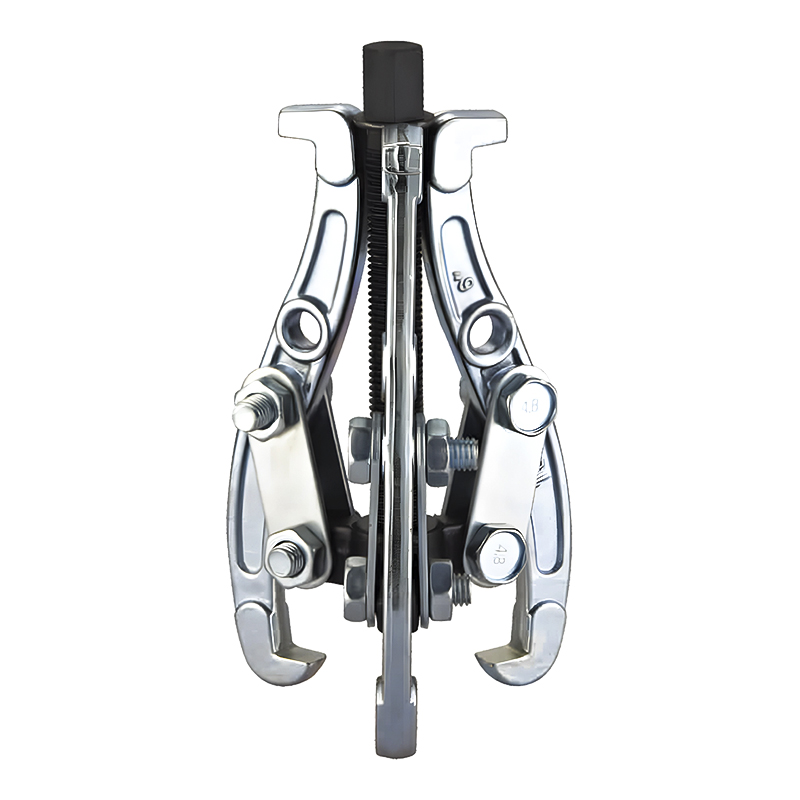
Model: SN0102-1
-
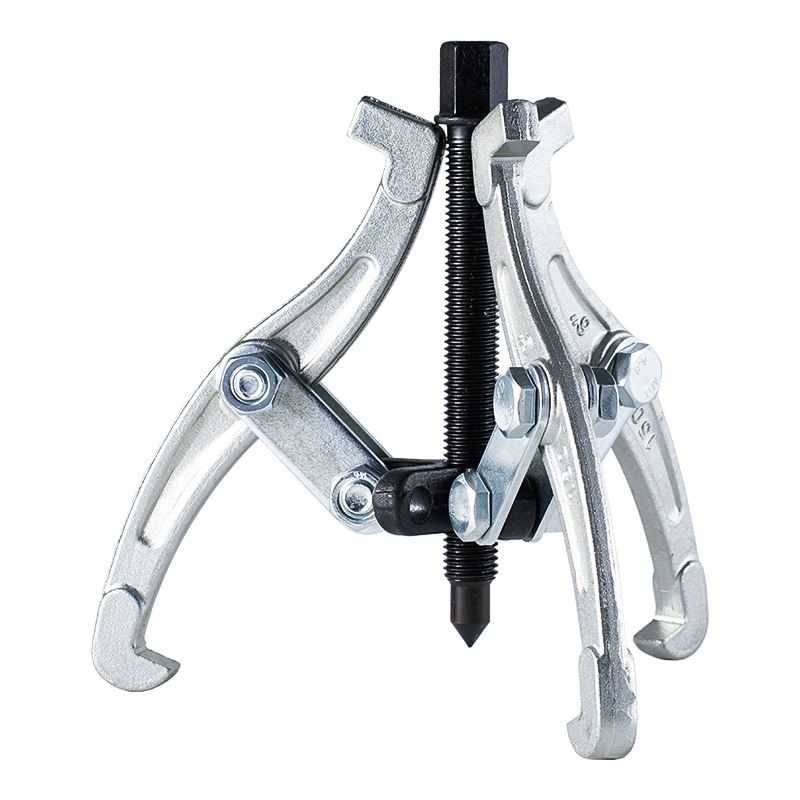
Model: SN0103
-
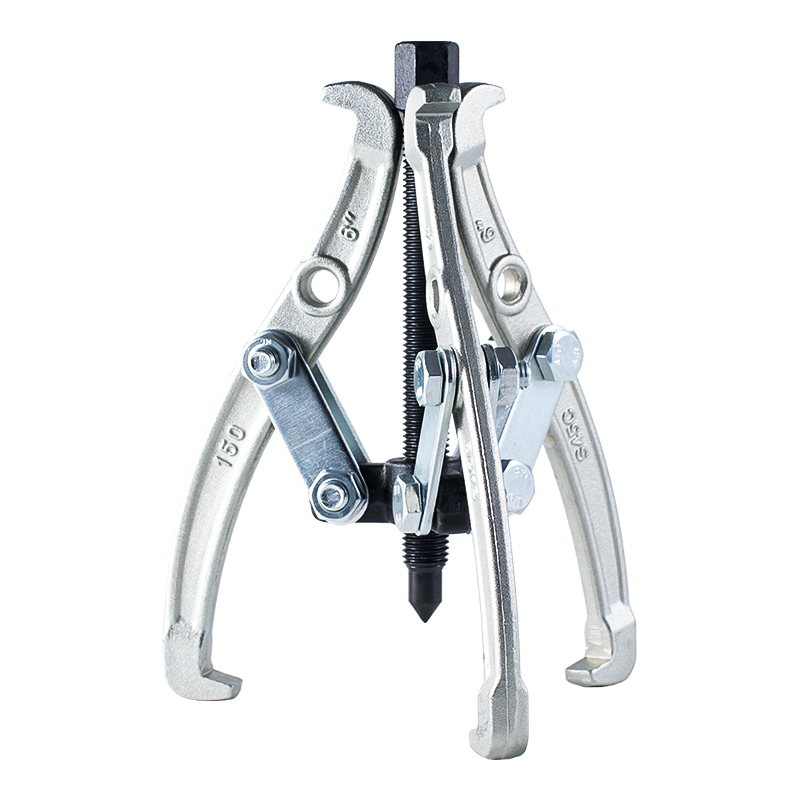
Model: SN0102 SN0107
-
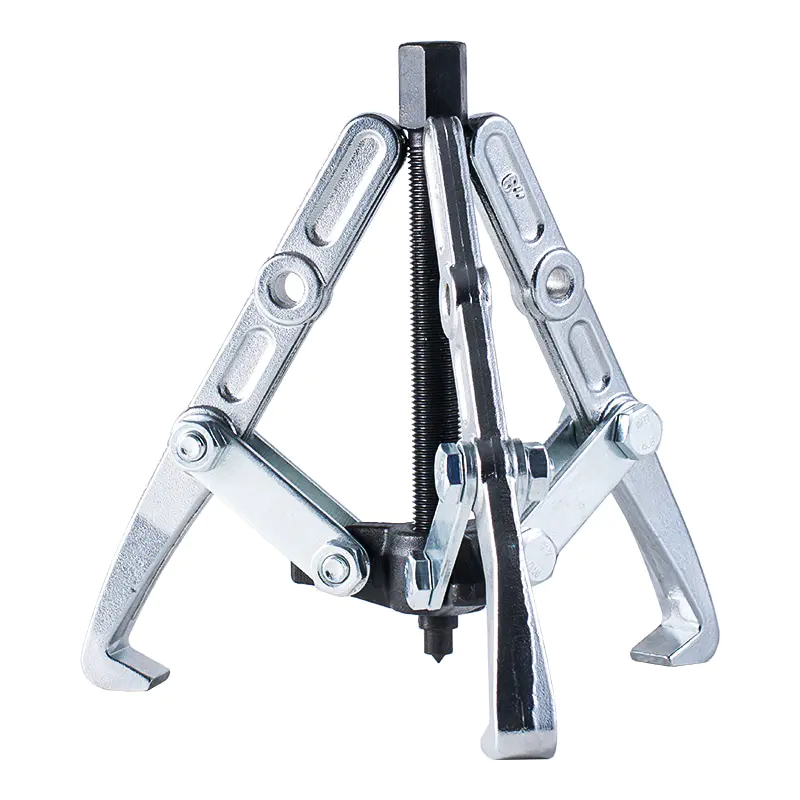
Model: SN0108 SN0109
-
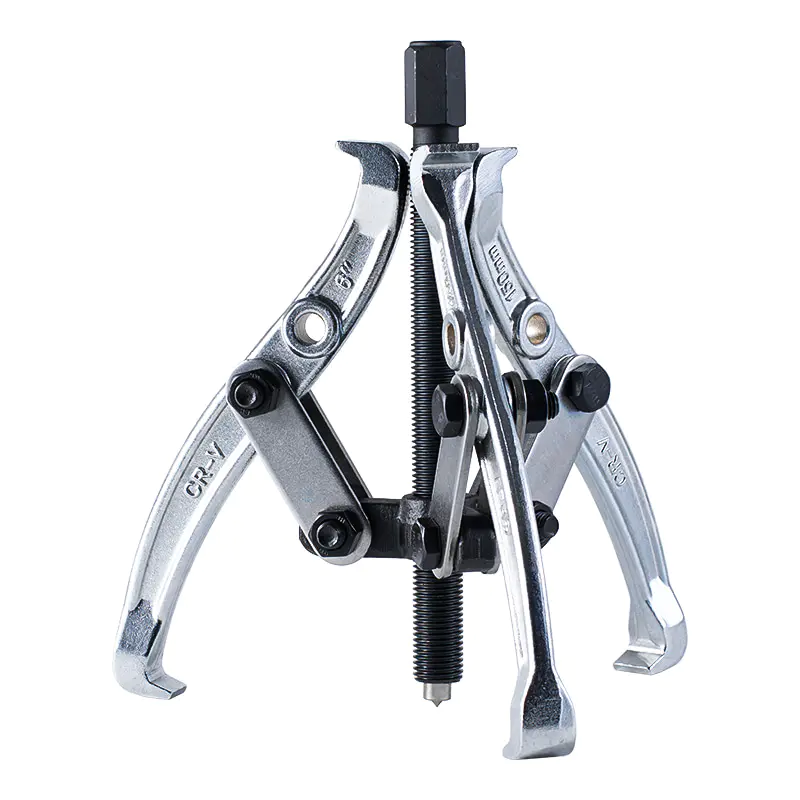
Model: SN0105
-
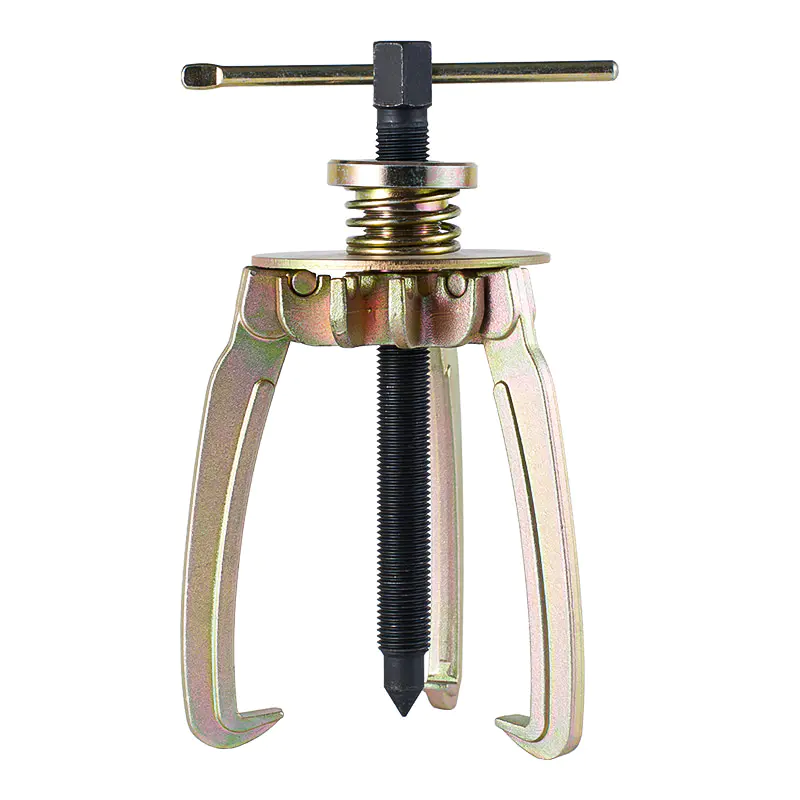
Model: SN0106
-
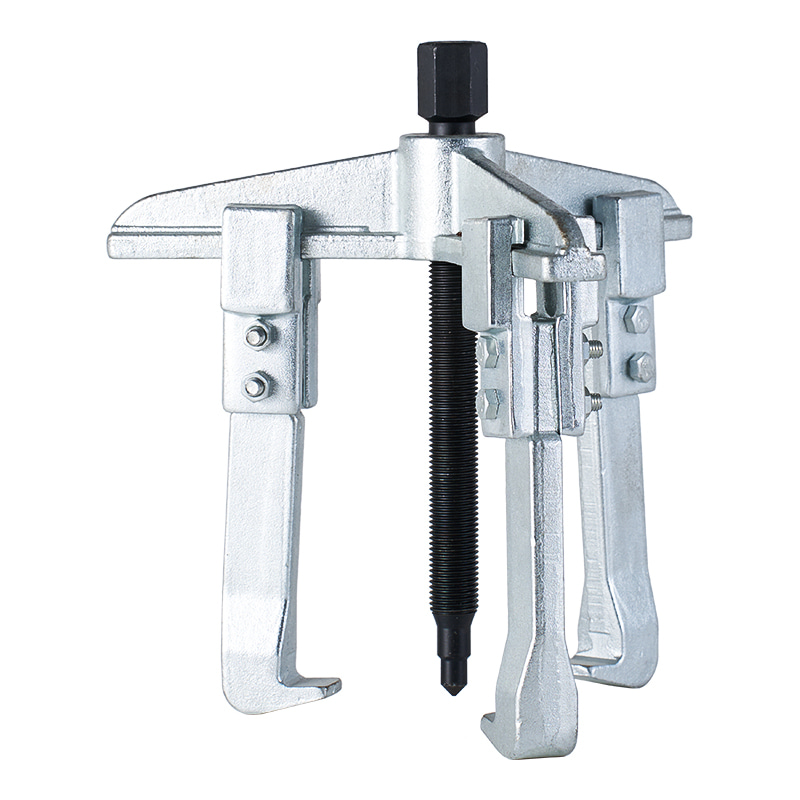
Model: SN0110
-
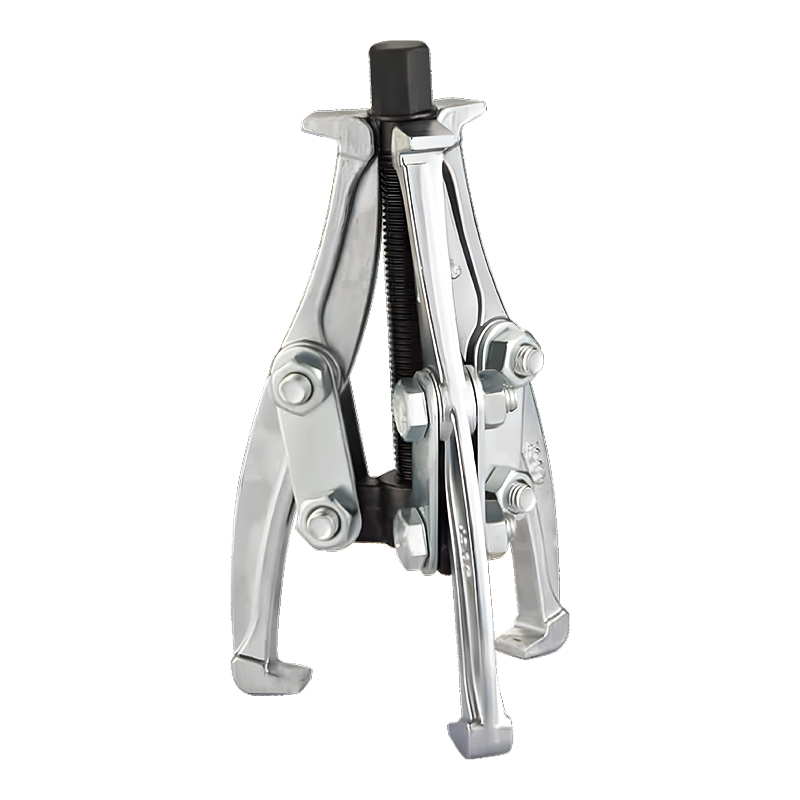
Model: SN0118
-
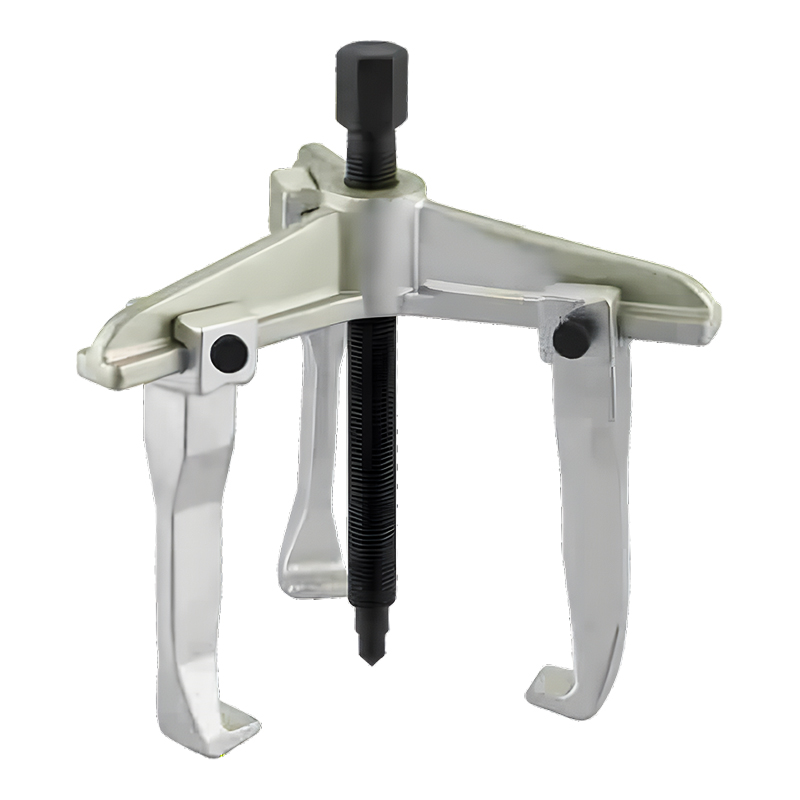
Model: SN0122
-
Model: SN0118-1
Submit feedback
What Is an Industrial Gear Puller Used For
2026-10-09
Industrial machinery constantly relies on components that need to stay locked firmly in place during normal operation. Gears, bearings, pulleys, hubs, and other mechanical parts often fit tightly together by design. That's genuinely useful for keeping equipment running as intended, but it turns maintenance into a real headache once a component actually needs pulling out.
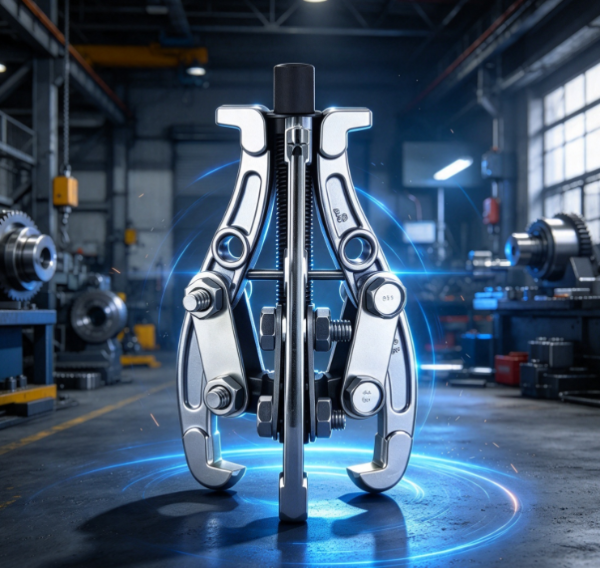
An Industrial Gear Puller is built specifically to tackle this type of removal work. It creates a controlled connection with a component and offers a practical way to separate it from wherever it's installed.
The tool gets commonly linked to gear removal, sure, but its use stretches well past that into other industrial maintenance tasks too. Depending on its design, an industrial gear puller can support bearing removal, pulley removal, equipment servicing, and other repair work where some firmly positioned component needs separating from its mount.
For maintenance teams, the real value of a gear puller comes down to how it organizes component removal. Rather than relying on improvised workarounds, workers can pick a puller matching the shape, position, and access conditions of whatever they're pulling.
Why Is an Industrial Gear Puller Used in Machinery Maintenance?
Industrial equipment gets built from plenty of connected parts working together. During regular operation, these parts need to stay genuinely stable. Once maintenance comes calling, though, that same secure connection turns into exactly what makes removal difficult.
Gear Puller offers a structured way to approach the task head-on. The tool gets positioned around or against the component, letting the removal process run through the puller's own working structure rather than brute force alone.
That pays off especially when a component just won't budge by hand.
A puller can support several maintenance situations:
| Maintenance Situation | Possible Role of an Industrial Gear Puller |
|---|---|
| Gear removal | Helps separate a gear from its installed position |
| Bearing removal | Provides support for controlled bearing removal |
| Pulley removal | Helps separate a pulley from connected equipment |
| Hub-related work | Supports suitable removal tasks |
| Equipment maintenance | Makes access to internal components easier |
| Component replacement | Helps remove an existing component before replacement |
The exact use comes down to the equipment and the puller's specific design. Not every gear puller suits every component out there.
That's exactly why maintenance teams need to look past the general product name. The tool should genuinely match the repair task and the component actually being removed.
A suitable puller also makes the whole workflow easier to organize. Workers can identify the component, check the available space, pick an appropriate tool, and prep the removal process before diving in.
How Does an Industrial Gear Puller Help Remove Tight Components?
Tight components show up constantly in industrial equipment. A gear or bearing might stay securely locked in place even once it genuinely needs removing for maintenance.
The real challenge isn't simply applying force. The tool needs to connect with the component at a genuinely useful position while keeping the removal process under control throughout.
A gear puller handles this through its gripping and supporting structure. Depending on the design, arms or jaws connect with suitable areas of the component. A central part of the tool then pushes against the component or its supporting area.
That builds a much more organized removal process.
The puller also hands the worker a clearer way to approach the component. Rather than pulling from some unsuitable point, the mechanic positions the tool around areas actually designed to support removal.
The process breaks down into a simple workflow:
1. Identify the component.
Determine which part needs to be removed and how it is positioned.
2. Inspect the surrounding area.
Nearby components may affect tool placement.
3. Select a suitable puller.
The puller should match the component and the available working space.
4. Position the tool.
The gripping sections should make suitable contact with the component.
5. Carry out the removal.
The tool should be used according to the appropriate maintenance procedure.
This approach cuts down heavily on unnecessary trial and error. It also helps maintenance workers treat component removal as a genuinely planned part of the repair process, rather than guesswork.
Which Industrial Components Can a Gear Puller Help Remove?
The name "gear puller" can make the tool sound boxed into gears alone. In practice, though, puller-style tools support several types of component removal at once.
Gears count as a common application, naturally. Industrial machines often contain gears that need removing whenever equipment gets inspected, repaired, or rebuilt from the ground up.
Bearings mark another important application. A bearing can be genuinely tough to grip directly because of its position or whatever surrounds it. A suitable puller gives a much more practical connection point to work with.
Pulleys can also demand controlled removal. Depending on the equipment design, a pulley might offer limited accessible surfaces, making manual removal a real struggle.
Other mechanical components can suit puller-based removal too.
| Component | Why a Puller May Be Used |
|---|---|
| Gears | Helps separate tightly positioned gears |
| Bearings | Provides a way to grip the component |
| Pulleys | Supports removal when direct access is limited |
| Hubs | Helps separate mounted components |
| Bushings | Can support removal where access is difficult |
| Other mechanical parts | May provide controlled separation when suitable |
The actual application always comes down to the component's shape and position.
A maintenance team, then, should treat the puller as part of a broader tool selection process. A tool that handles one component beautifully might not suit another at all.
That matters especially in industrial environments where machinery designs vary considerably from one line to the next.
Can an Adjustable Gear Puller Support Different Maintenance Tasks?
Industrial maintenance rarely serves up identical repair situations twice. Different machines lean on different component shapes. Even similar parts can end up positioned entirely differently.
An adjustable gear puller offers real flexibility since its working arrangement can shift to fit different applications as they come up.
The adjustable structure typically lets the worker change the position of the arms or gripping points. That helps the tool accommodate different component shapes without swapping out entirely.
| Adjustable Feature | Possible Maintenance Benefit |
|---|---|
| Movable arms | Helps accommodate different component shapes |
| Adjustable gripping points | Provides more placement choices |
| Flexible positioning | Supports different repair situations |
| Reversible arrangement | May provide alternative removal approaches |
| Adaptable structure | Can fit a wider range of suitable tasks |
This flexibility pays off nicely in general maintenance environments where workers juggle different equipment day to day.
Still, an adjustable tool needs correctly matching to the component at hand. More adjustment options don't automatically make a puller suitable for every job walking through the door.
The contact points need to stay secure throughout use. The working direction also needs to line up properly with the removal task.
For buyers, the question isn't simply whether a puller adjusts. The more useful question is whether those adjustment features actually fit the types of maintenance work the facility performs regularly.
Why Does Puller Design Matter in Industrial Maintenance?
Industrial maintenance often deals with restricted working spaces and components boxed in by other parts. Puller design, then, shapes how easily the tool actually gets positioned in tight quarters.
The gripping structure ranks as one important area. The puller needs to connect with genuinely suitable parts of the component. Mismatched contact points just make the removal process harder than it needs to be.
The overall shape matters plenty too. A puller might need to squeeze around nearby equipment while still holding a suitable connection with the component itself.
Several design considerations can sway tool selection:
- Gripping structure: Determines how the tool connects with the component.
- Arm arrangement: Affects how the puller adapts to different shapes.
- Working position: Influences whether the tool can be used in a restricted area.
- Adjustment method: Determines how easily the tool can be fitted.
- Overall handling: Affects how comfortably workers can position the puller.
These features deserve weighing against the actual equipment being maintained.
A maintenance team working large machinery carries different needs from a team servicing smaller mechanical assemblies. The right tool always comes down to the actual application in play.
That's exactly what makes tool design such an important piece of industrial maintenance planning.
How Does an Industrial Gear Puller Support More Organized Repair Work?
Maintenance work gets a lot easier to manage once each stage carries a clear purpose.
Component removal is often just one piece of a much larger task. A worker might need to inspect the equipment, spot a worn component, pull it, check surrounding parts, and prep the area for whatever's going in next.
An industrial gear puller slots into this workflow by providing a dedicated tool purely for the removal stage.
Without a suitable puller on hand, workers might get tempted into trying different manual approaches instead. That eats up extra time and often falls short of the control level the component genuinely needs.
With the right tool ready, the removal process gets planned out before work even starts.
A practical maintenance workflow might include:
Component Identification
The worker identifies the component and determines how it is installed.
Access Check
The surrounding equipment is inspected to understand where the puller can be positioned.
Tool Selection
A suitable puller is selected based on the component shape and repair conditions.
Tool Positioning
The gripping sections are placed on appropriate areas of the component.
Removal Work
The puller is operated according to the maintenance procedure for the equipment.
This structure folds tool selection right into normal maintenance preparation, rather than treating it as a separate scramble.
It also helps workshops organize their tool inventory sensibly. Once different pullers get kept for different applications, workers spot the right tool a lot faster when a job calls for it.
What Should Buyers Consider When Choosing an Industrial Gear Puller?
Industrial buyers usually need tools fitting actual maintenance requirements, not just generic product descriptions pulled off a catalog page.
A product might look perfectly suitable at first glance, but the real decision needs tying back to the components and machinery actually found in the workplace.
A handful of questions can help steer the selection process along:
| Buying Consideration | Question to Ask |
|---|---|
| Application | What type of components need to be removed? |
| Component shape | Can the puller connect with the intended part? |
| Working space | Can the tool fit around nearby equipment? |
| Adjustability | Would adjustable positioning help with regular tasks? |
| Tool design | Does the gripping structure suit the application? |
| Handling | Can workers position and operate the tool comfortably? |
| Product range | Are different puller designs available for different jobs? |
| Maintenance needs | Does the tool fit the facility's regular repair work? |
The type of equipment getting serviced should genuinely steer the decision.
A facility maintaining different machines might need a flexible range of pullers on the shelf. A specialized maintenance operation might prefer tools built specifically around particular components instead.
Buyers should also think through how the tools get stored and organized on-site. Industrial maintenance teams often juggle plenty of tools during a single repair job. Clear organization makes it a lot easier to grab the right puller the moment it's needed.
Supplier communication pays off too during product selection. Buyers can explain the type of components they need pulling and ask straight-up whether a particular puller design actually suits those applications.
Could a Universal Gear Puller Fit Different Industrial Applications?
A universal gear puller aims to deliver flexibility across a range of suitable removal tasks. That makes it genuinely useful for maintenance teams juggling different types of equipment on a regular basis.
Rather than keeping a separate tool for every possible component, a universal design can cover several general applications at once whenever its structure fits the component in question.
Its usefulness, though, still hinges on the actual repair situation at hand.
A component might carry some unusual shape. The available working area might also be genuinely limited. In cases like these, a specialized puller often provides a far more suitable solution.
| Maintenance Need | Possible Tool Direction |
|---|---|
| General component removal | Universal gear puller |
| Different component shapes | Adjustable gear puller |
| Bearing-related maintenance | Bearing puller |
| Gear removal | Industrial gear puller |
| Specialized equipment repair | Application-specific puller |
That means universal and specialized pullers don't necessarily compete with each other at all. They end up serving genuinely different roles within the same maintenance environment.
A universal gear puller can handle general work with flexibility, while specialized tools tackle particular component designs that demand a more tailored approach.
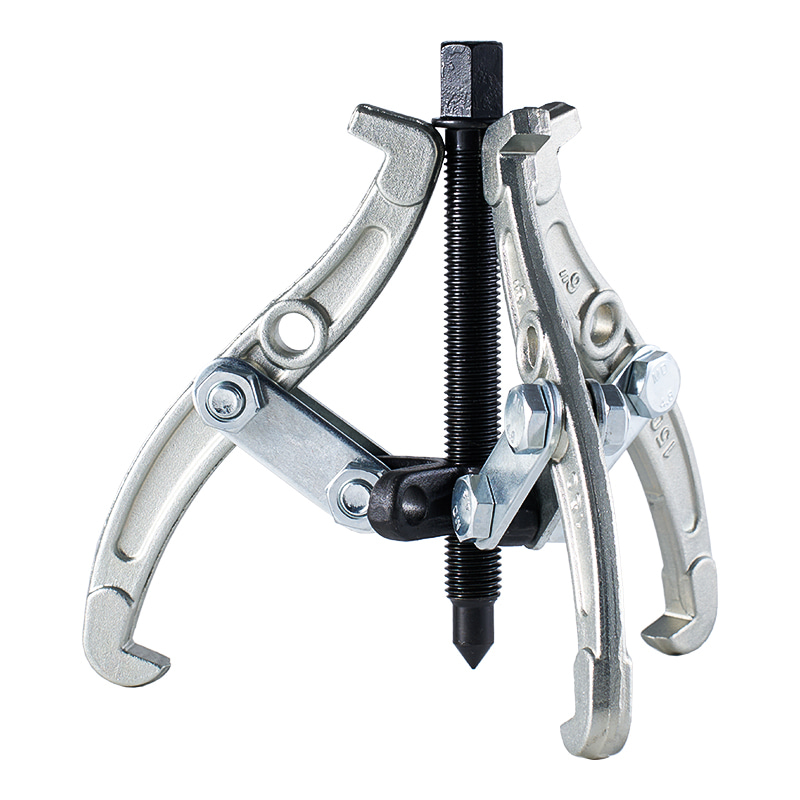
The point worth remembering is connecting the tool with the actual maintenance task at hand. Component shape, accessibility, equipment structure, and removal requirements all shape whether a particular industrial gear puller genuinely fits the job.

-

Fax: +86-576-82686606
-

Tel: +86-576-82686563
+86-576-82686832 -

E-mail: [email protected]
-

Add: Fengjiang Industrial Park, Luqiao Area,Taizhou City, Zhejiang Province, China
Copyright © 2025 Taizhou Xinming Technology Co., Ltd. All Rights Reserved.

Sale Hardware Tools Factory