

 русский
 Español
 عربى
عربى-
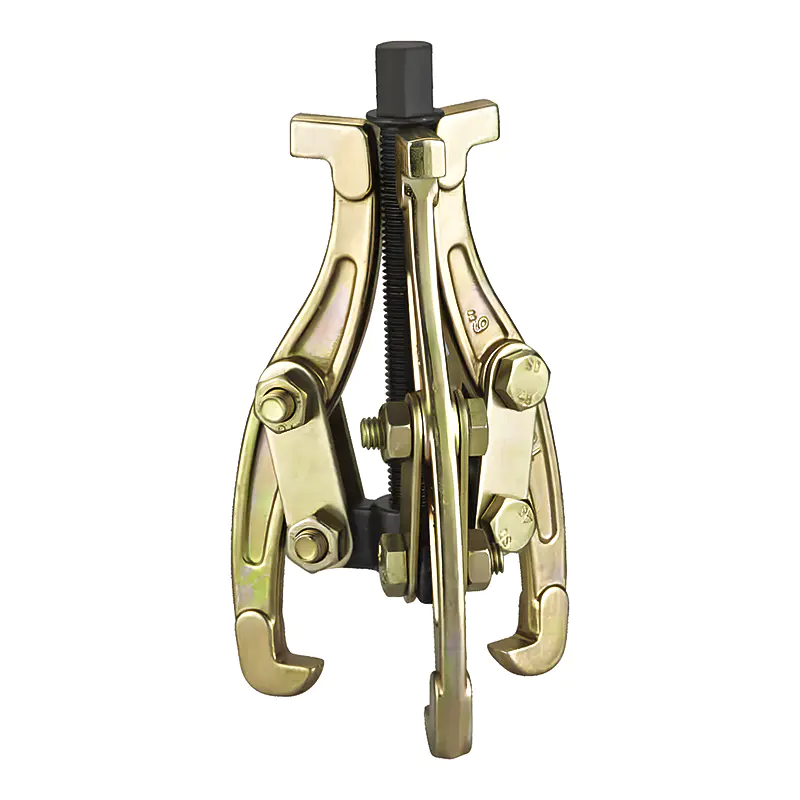
Model: SN0101
-
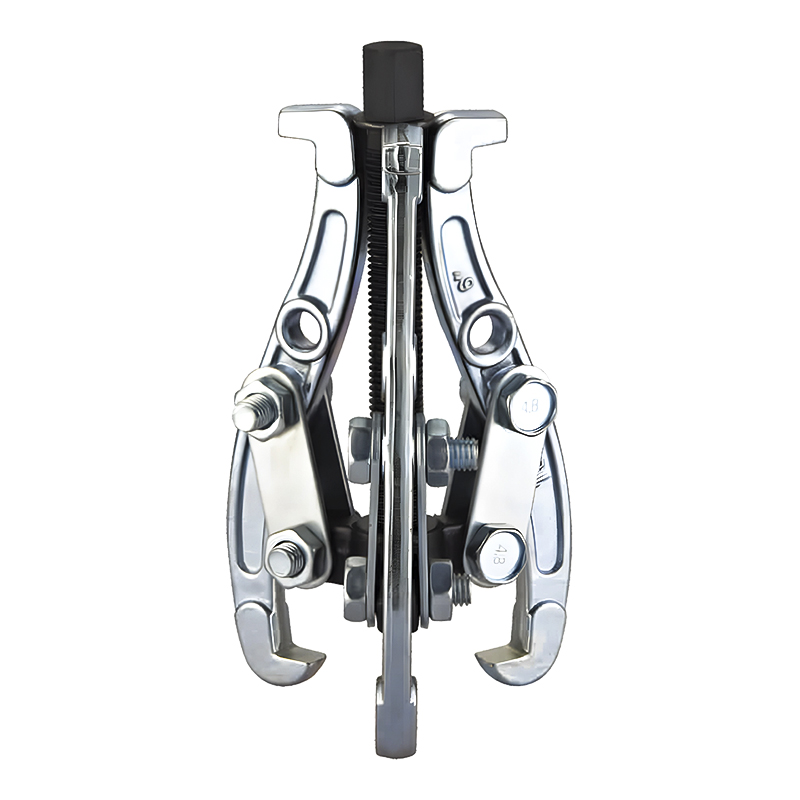
Model: SN0102-1
-
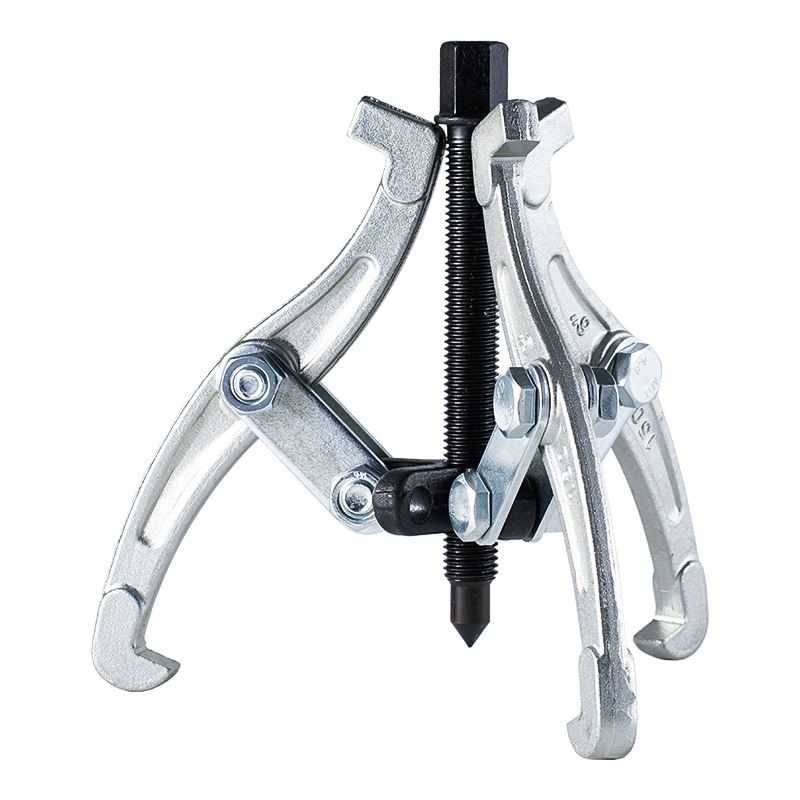
Model: SN0103
-
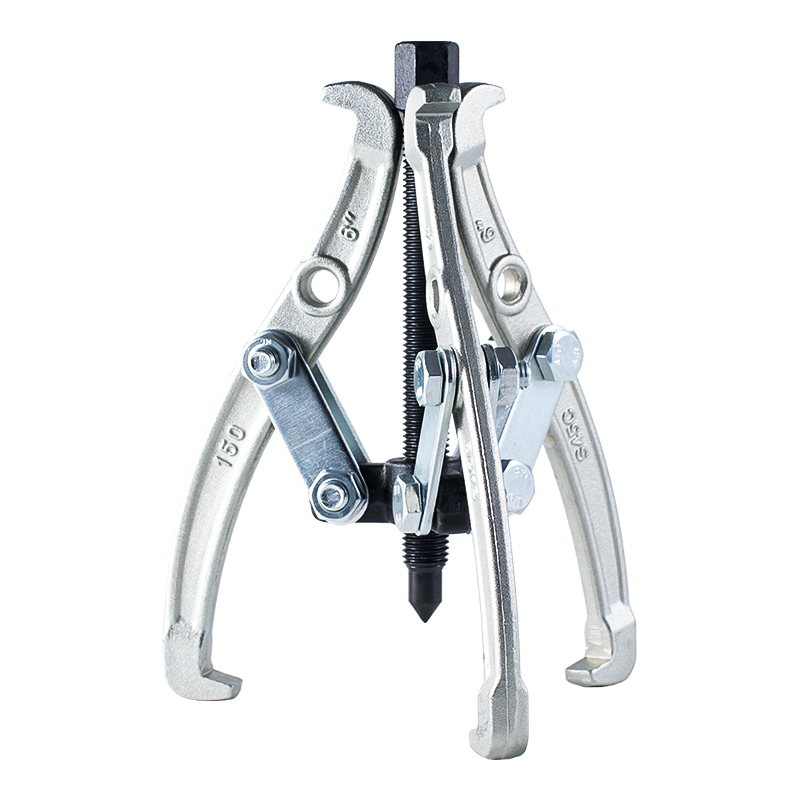
Model: SN0102 SN0107
-
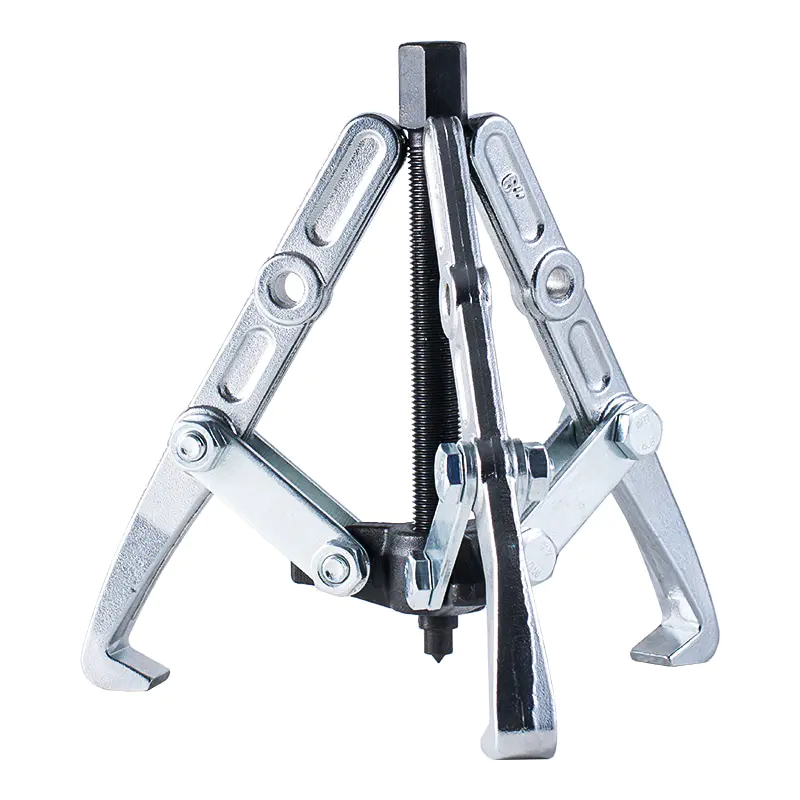
Model: SN0108 SN0109
-
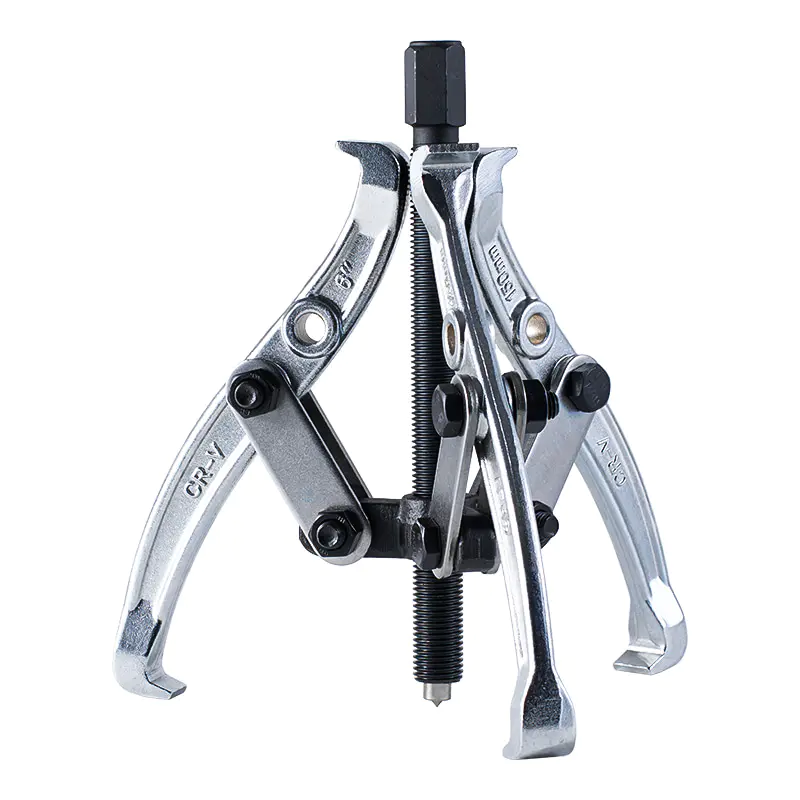
Model: SN0105
-
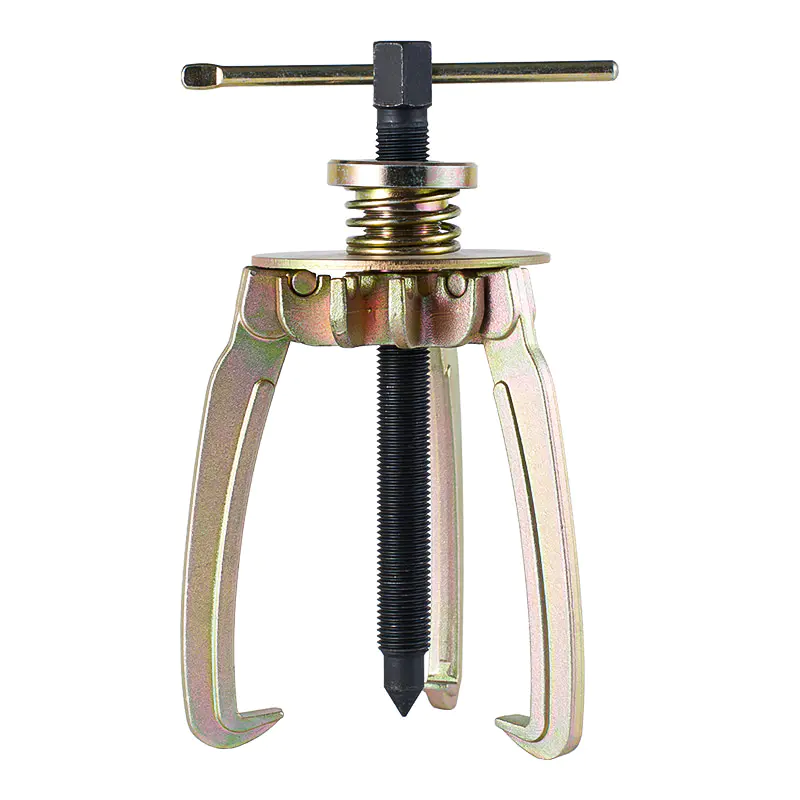
Model: SN0106
-
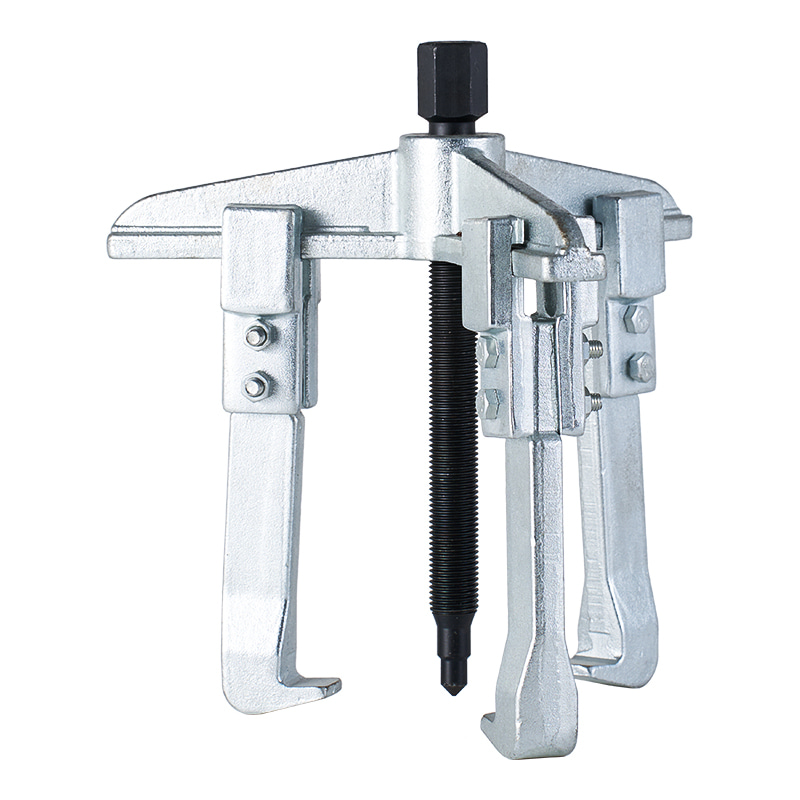
Model: SN0110
-
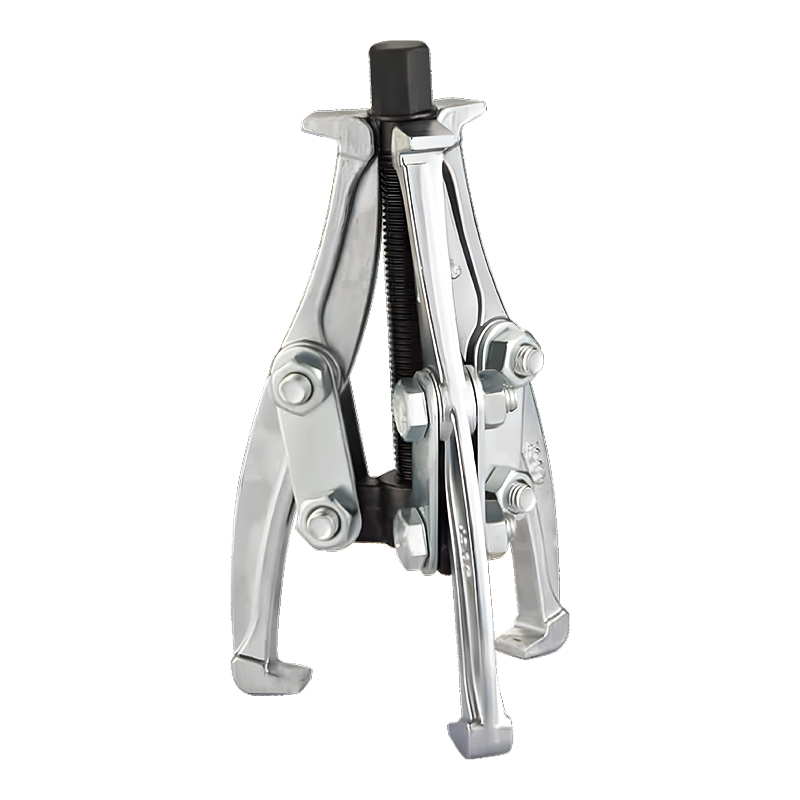
Model: SN0118
-
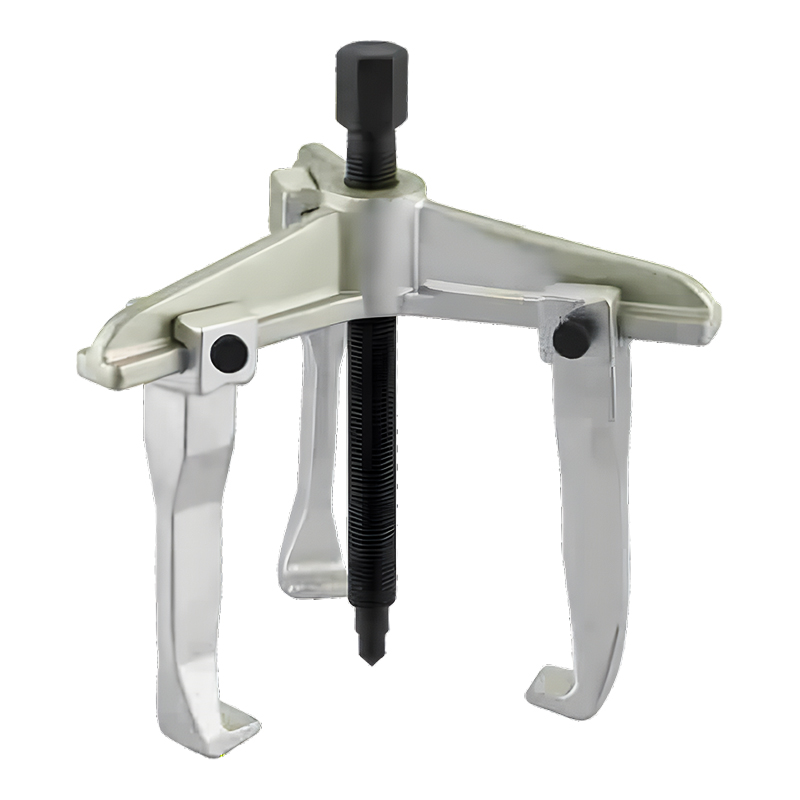
Model: SN0122
-
Model: SN0118-1
Submit feedback
Which Parts Are Suitable For 2 Jaw Puller Set In Daily Maintenance Tasks
2026-06-05
Maintenance work often reaches a stage where a component no longer needs adjustment or inspection but complete removal, and that stage is usually where the real challenge begins, because a pulley, bearing, gear, or sprocket that has remained in the same position for a long period rarely separates from its shaft as easily as it was installed.
In many repair environments, removal is not simply a matter of applying greater force. Excessive impact may affect nearby surfaces, distort mounting areas, or create unnecessary wear on parts that will continue operating after maintenance is completed. For that reason, controlled extraction remains a common approach when dealing with tightly fitted assemblies, particularly in locations where available working space is limited.
A 2 jaw puller set is frequently associated with such situations because many maintenance tasks involve components that provide only a small gripping area while leaving little room around the assembly. Rather than relying on impact, the removal process develops through gradual pressure, allowing parts to separate in a more predictable manner.
Why shaft mounted parts often become difficult to remove during maintenance
A large number of mechanical assemblies depend on shaft-mounted components. Gears transfer motion through shafts, pulleys guide power transmission systems, bearings support rotation, and sprockets maintain chain movement. During operation, these parts remain under continuous load while being exposed to vibration, pressure, and environmental influences.
As operating cycles accumulate, the connection between the shaft and mounted component can become increasingly resistant to removal. Small amounts of contamination may collect around contact areas. Surface oxidation may develop gradually. Repeated loading can also contribute to a tighter fit than originally intended.
By the time maintenance becomes necessary, a component may appear simple to remove while remaining firmly attached beneath the surface.
Maintenance personnel often encounter situations involving:
- pulleys positioned deep inside assemblies
- bearings requiring replacement after extended operation
- gears mounted close to surrounding structures
- sprockets located within compact drive systems
- hubs seated tightly on rotating shafts
Under such conditions, removal becomes less about force and more about control. A steady pulling action generally places less stress on surrounding components than repeated striking or aggressive leverage.
Which bearing assemblies are commonly serviced with a 2 Jaw Puller Set
Bearing replacement remains one of the routine tasks encountered in repair workshops and equipment maintenance facilities. Although bearings are designed to support smooth rotational movement, installation commonly requires a close fit between the bearing and the shaft. That close fit contributes to stable operation while also making removal more demanding once servicing becomes necessary.
In many assemblies, access around the bearing is limited. Housings, support brackets, seals, and neighboring components may reduce the available working area, making larger extraction tools difficult to position.
A 2 jaw puller set is often used when two secure contact points can be established around the bearing while still maintaining access to the center of the shaft.
Several maintenance situations illustrate this requirement.
A worn bearing inside a compact drive assembly may need removal before inspection of adjacent components can begin. In another case, a bearing positioned near a housing wall may leave only a narrow opening for tool placement. Some maintenance procedures require temporary removal even when the bearing itself remains usable, simply because deeper components must be accessed.
In each of these situations, gradual extraction is generally preferred because the shaft surface often remains in service after maintenance is completed.
How a 2 Jaw Puller Set handles drive gears during repair work
Drive gears present a different challenge. Unlike bearings, which are often designed primarily to support movement, gears directly transfer mechanical force and frequently operate under continuous load.
After long service periods, the gear hub may become difficult to separate from the shaft despite the removal of retaining hardware. Attempting removal through direct leverage can place uneven pressure on the gear structure, particularly when space restrictions prevent access from multiple directions.
A controlled pulling method changes the nature of the task.
Instead of concentrating force on one edge, pressure develops through the center of the assembly while the jaws maintain contact with opposite sides of the component. Movement often begins slowly. In many cases, the gear remains stationary for a period before gradually releasing from its seated position.
Several conditions influence the removal process:
| Component Condition | Effect During Extraction |
|---|---|
| Tight shaft fit | Increased resistance |
| Limited clearance | Reduced tool positioning options |
| Surface contamination | Additional removal difficulty |
| Uneven jaw placement | Less stable pulling action |
| Proper alignment | Smoother force distribution |
Successful gear removal often depends more on alignment and patience than on force alone.
Why sprockets are frequent removal targets in maintenance workshops
Chain-driven equipment introduces another group of components that regularly require extraction. Sprockets operate in environments where motion, vibration, dust, and mechanical load combine throughout daily operation, creating conditions that can complicate later removal.
Maintenance work involving chain systems commonly includes inspections, replacement of worn components, alignment adjustments, and access to hidden assemblies located behind the sprocket itself.
One characteristic frequently encountered in such systems is restricted space. Protective covers, chain guards, shafts, and nearby structures can leave little room around the sprocket edge. Larger pulling tools may struggle to fit within the available area, particularly when surrounding components remain installed.
A 2 jaw puller set often becomes suitable in these situations because the tool requires fewer contact points while still applying balanced extraction force.
Maintenance activities involving sprockets may include:
- removal before chain system repair
- access to shaft-mounted components
- replacement of worn drive elements
- inspection of mounting surfaces
- servicing of hidden assemblies
The objective is usually straightforward: separate the sprocket without creating unnecessary damage to the shaft or surrounding structure.
How pulley removal becomes easier in confined working areas
Pulley assemblies are found across many maintenance environments, ranging from industrial equipment to smaller mechanical systems. Their function may appear uncomplicated, yet removal can become surprisingly difficult once surrounding space becomes restricted.
A pulley positioned near a support frame, housing wall, or adjacent rotating component often leaves limited room for tool placement. Even when retaining fasteners have been removed, the pulley itself may remain firmly attached to the shaft.
In such circumstances, the challenge comes less from the size of the component and more from accessibility.
A controlled extraction method allows force to be applied through the center of the assembly while maintaining contact with the pulley edge. As pressure increases gradually, separation occurs in a more measured manner, reducing the likelihood of sudden movement.
Common maintenance situations include:
- accessing seals hidden behind pulley assemblies
- repairing drive systems requiring pulley removal
- inspecting shaft surfaces beneath mounted components
- replacing damaged rotating accessories
- disassembling compact mechanical assemblies
Long periods of operation often increase resistance between mating surfaces, making controlled removal particularly valuable during servicing work.
Which automotive steering and suspension parts are suitable for pulling
Not every maintenance task involving a puller revolves around rotating power transmission components. Steering and suspension systems also contain parts that can become difficult to separate after extended service.
Tie rod ends, linkage components, and similar assemblies are frequently exposed to vibration, environmental contamination, and continuous mechanical stress. Over time, the connection between mating surfaces can become resistant to disassembly, even when replacement is necessary.
The challenge often lies in preserving nearby components while removing the targeted part. Excessive impact may affect surrounding structures, creating additional repair work that was not originally required.
For that reason, controlled extraction remains a practical option where suitable gripping points are available.
In many maintenance environments, pulling methods are selected because they help:
- maintain component alignment
- reduce unnecessary stress on nearby parts
- support gradual separation
- improve extraction control
- preserve surrounding assembly surfaces
A 2 jaw puller set frequently finds its place in such situations, particularly where space limitations prevent the use of larger extraction equipment.
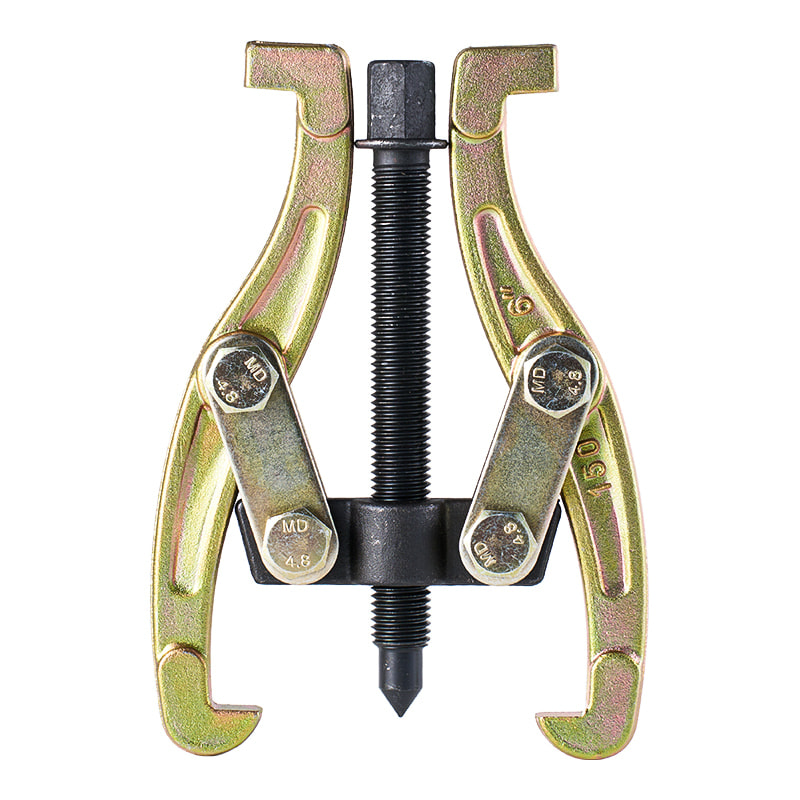
How flywheels and harmonic balancers respond during removal work
Flywheels and harmonic balancers sit on shafts with a level of fit that often feels unchanged even after fasteners are already removed, and that lingering resistance usually comes from long-term contact between metal surfaces rather than any single locking point. During maintenance work, space around these components tends to be tight, with surrounding housings and nearby assemblies limiting how tools can be positioned.
Instead of sudden release, movement usually begins with slow internal stress building along the shaft line, and only after enough tension develops does the component start to shift away from its seated position. That gradual change is often preferred in maintenance environments, since nearby parts remain undisturbed while separation progresses in a controlled way.
In many real cases, attention stays on:
- keeping the pulling direction centered along the shaft
- holding steady contact without slipping during load increase
- avoiding uneven stress on the outer ring of the component
- maintaining slow, consistent movement rather than sudden release
- preserving shaft surface for later reuse or inspection
A 2 jaw puller set often fits into these situations simply because space is limited and access points are not evenly distributed around the component.
Why jaw positioning changes the behavior of the entire pull
Once pulling begins, even small differences in jaw placement can influence how force travels through the component body. When both jaws sit at uneven height or angle, load distribution shifts slightly to one side, and movement may start unevenly, even if the applied force remains steady.
Balanced positioning is less about precision in measurement and more about stable contact, where both jaws remain seated firmly on opposite sides of the part and maintain equal grip during tightening. In workshop conditions, stability is often checked visually and adjusted gradually rather than set once and left unchanged.
Common practical points include:
- jaws staying opposite each other without angle drift
- consistent grip depth across both contact points
- firm contact on solid structural edges
- avoidance of thin or worn surface areas
- keeping alignment aligned with the shaft center line
When positioning is stable, pulling tends to feel smoother, with fewer interruptions during movement.
How reversible jaws change usage patterns in daily work
Reversible jaws add a layer of flexibility that becomes noticeable when maintenance work shifts between different component shapes and installation spaces. Some parts offer clear external edges, while others sit inside housings where only internal contact areas are available.
Switching jaw orientation allows the same tool to move between these situations without changing the entire setup, which becomes useful when multiple components are serviced within a single maintenance cycle.
In practical use, reversible jaws are often applied for:
- pulling exposed pulleys and sprockets from shafts
- reaching components seated inside housings
- working in narrow spaces with limited outer access
- adjusting grip style based on part geometry
- continuing work without tool replacement interruptions
This flexibility reduces setup changes and keeps the maintenance flow more continuous, especially in environments where space and time are both limited.
Why center screw alignment controls extraction behavior
The center screw acts as the path through which pulling force travels, and its alignment with the shaft determines how evenly that force reaches the component. When alignment stays centered, force distribution tends to remain steady, allowing gradual movement along the shaft.
When alignment shifts slightly off center, pressure may concentrate on one side, and the component can resist movement or tilt during extraction. In many maintenance situations, this is not immediately visible at the start and becomes noticeable only as tension increases.
Stable operation usually depends on:
- screw tip resting directly on the shaft center point
- puller body staying steady during tightening
- equal jaw contact on both sides
- gradual tightening instead of sudden force steps
- minimal lateral movement during load increase
Even small corrections during tightening can influence how smoothly the component separates.
How lubrication supports smoother pulling behavior
Lubrication of the center screw threads is often a simple step, yet it affects how smoothly force is applied during extraction. Without lubrication, friction in the threads can cause uneven resistance during tightening, which indirectly affects how controlled the pulling motion feels.
With proper lubrication, thread movement becomes smoother, allowing force to increase gradually rather than in abrupt steps. This makes it easier to maintain steady pressure, especially when the component begins to move and resistance changes.
Key effects include:
- smoother screw rotation under load
- reduced resistance during tightening
- more predictable force increase
- lower wear on tool threads
- improved control during long extraction cycles
In regular maintenance routines, this step is often included before setup begins rather than added mid-process.
How daily maintenance habits are shaping puller usage
Maintenance work has gradually shifted toward more controlled handling of components, especially in systems where precision surfaces and compact assemblies leave little room for aggressive removal methods. Instead of impact-based separation, gradual pulling has become more common in environments where parts are expected to remain reusable after servicing.
At the same time, equipment design trends toward tighter assemblies have made space limitations more common, which naturally increases reliance on compact extraction tools.
Across many workshops, a few patterns continue to appear:
- preference for steady force over sudden impact
- increased focus on protecting shaft surfaces
- growing use of compact pulling tools in tight spaces
- more attention to alignment during extraction
- repeated use of reversible configurations for varied parts
Within these working conditions, the 2 jaw puller set remains present across routine maintenance tasks involving shafts, hubs, gears, pulleys, and steering-related assemblies, where controlled separation is often more practical than forceful removal.

-

Fax: +86-576-82686606
-

Tel: +86-576-82686563
+86-576-82686832 -

E-mail: [email protected]
-

Add: Fengjiang Industrial Park, Luqiao Area,Taizhou City, Zhejiang Province, China
Copyright © 2025 Taizhou Xinming Technology Co., Ltd. All Rights Reserved.

Sale Hardware Tools Factory