

 русский
 Español
 عربى
عربى-
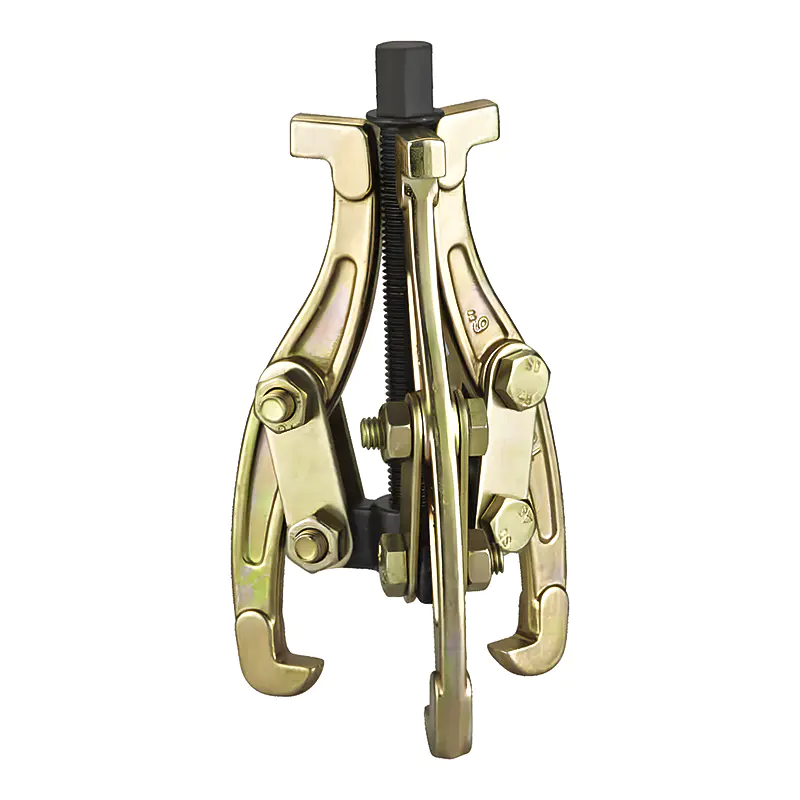
Model: SN0101
-
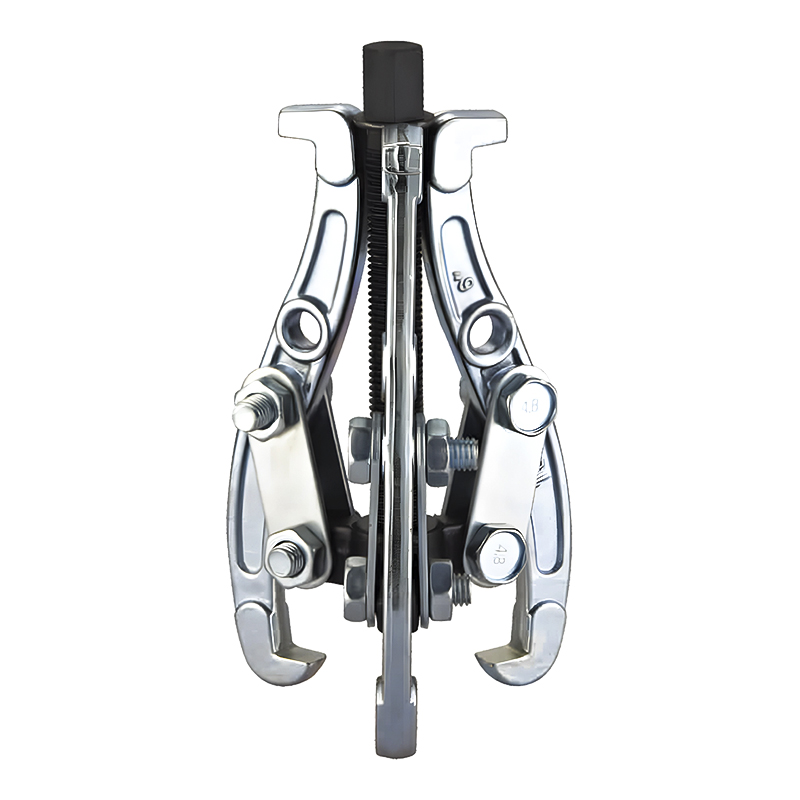
Model: SN0102-1
-
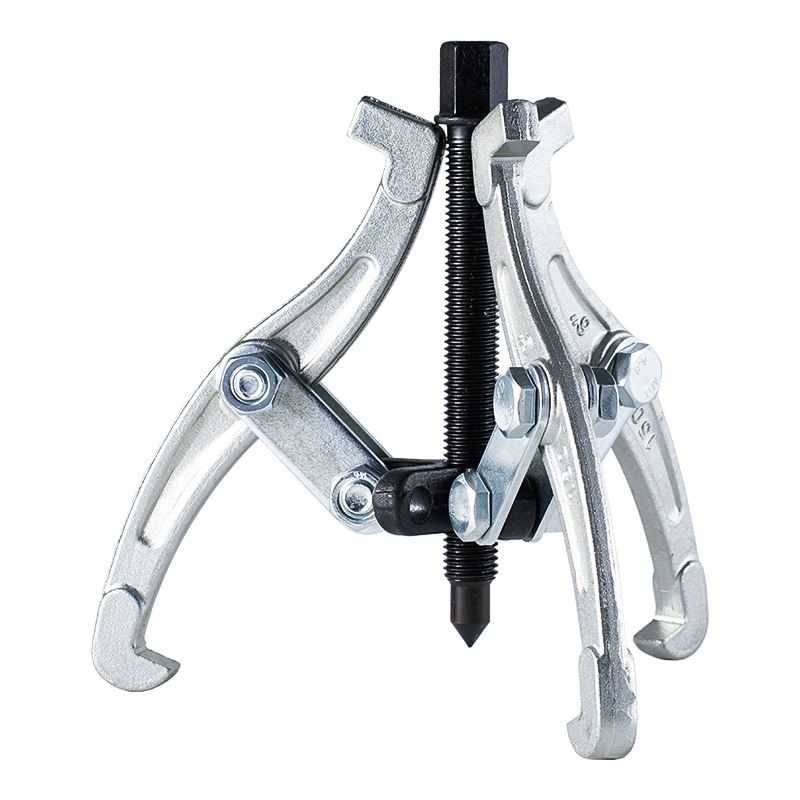
Model: SN0103
-
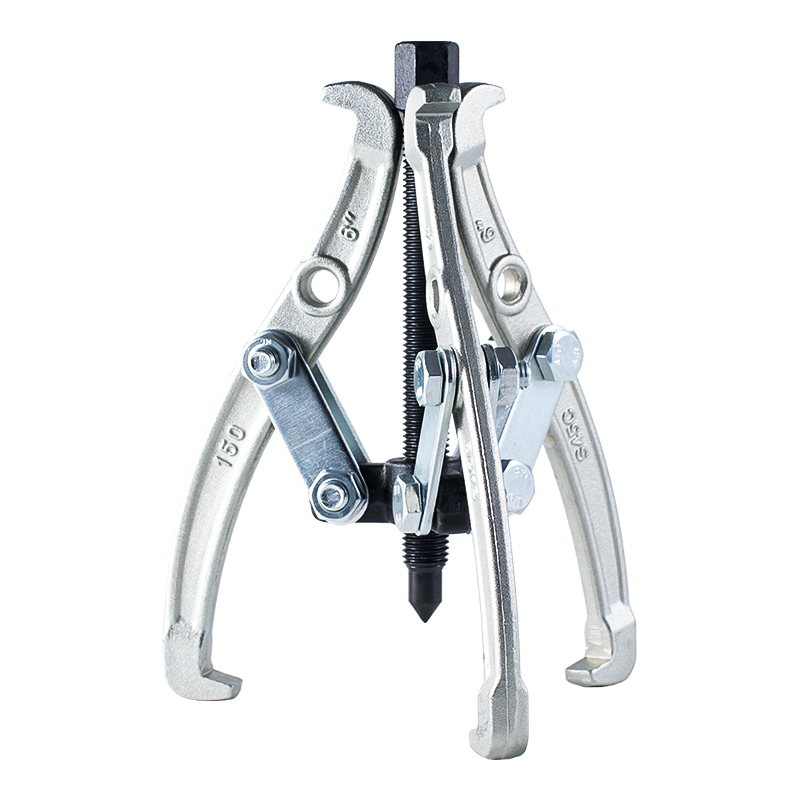
Model: SN0102 SN0107
-
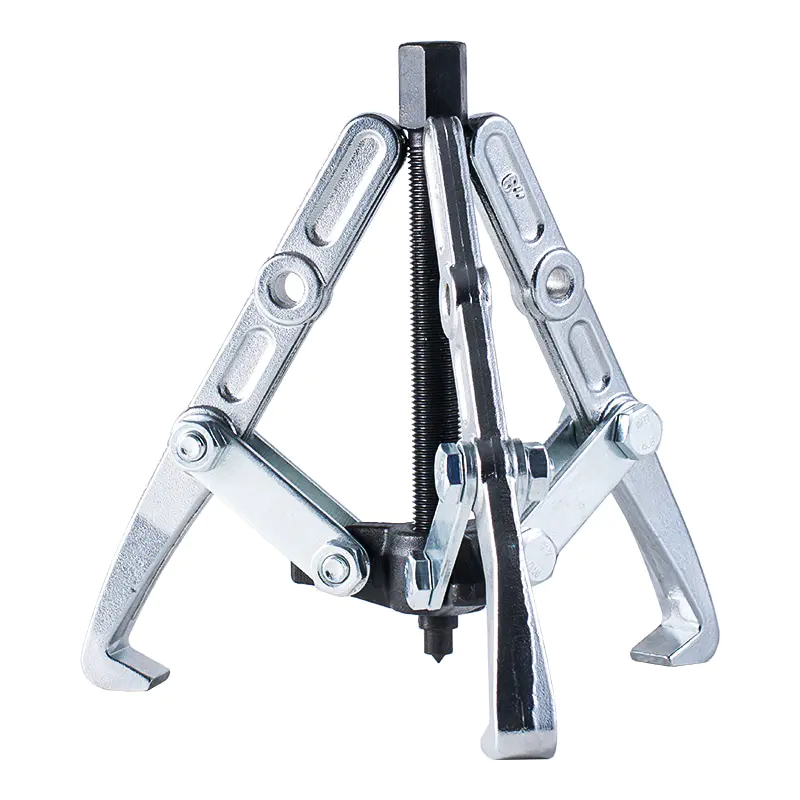
Model: SN0108 SN0109
-
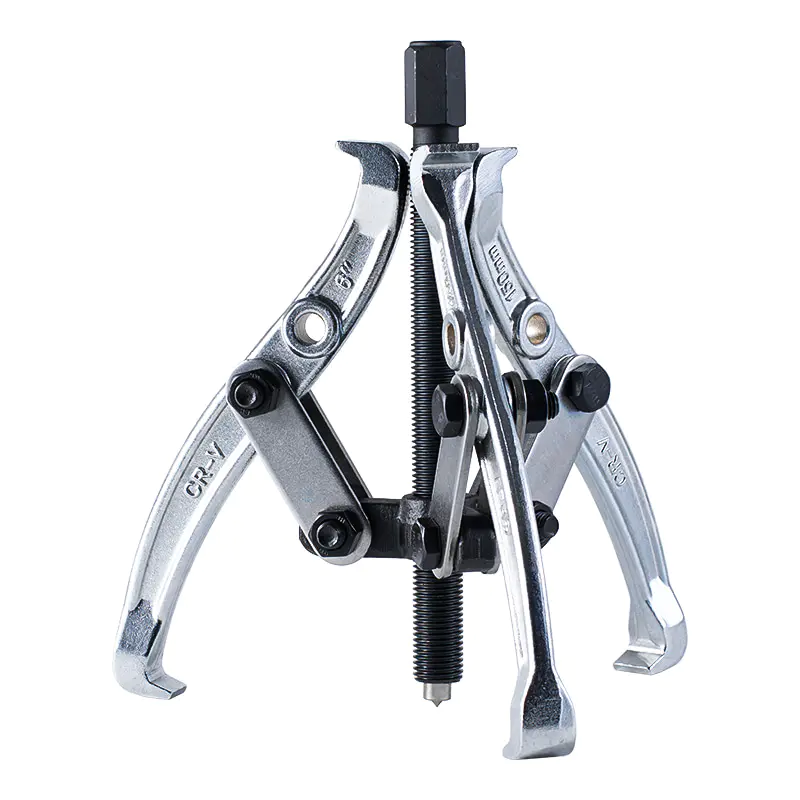
Model: SN0105
-
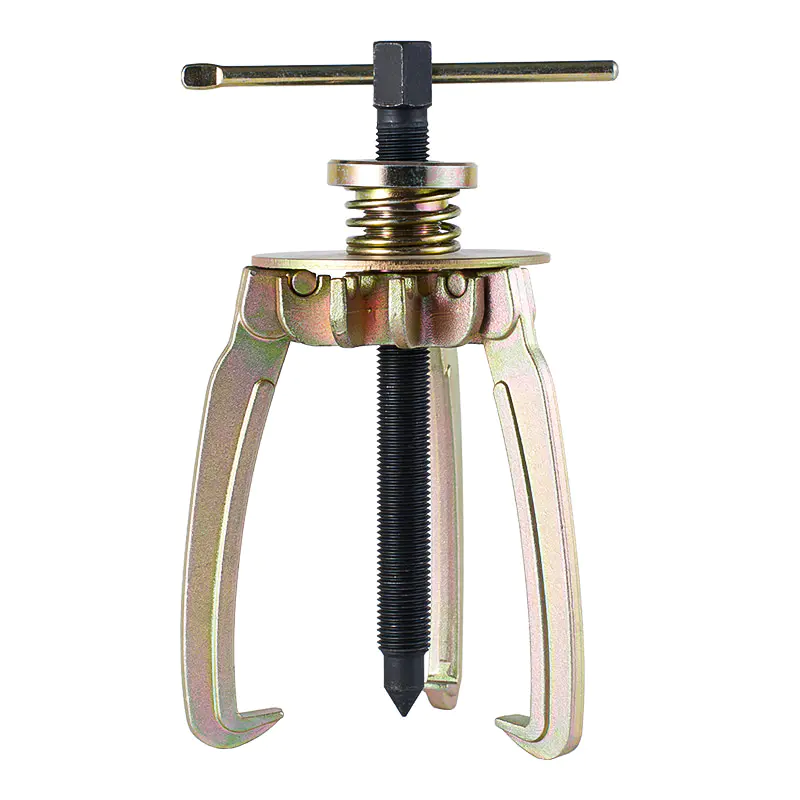
Model: SN0106
-
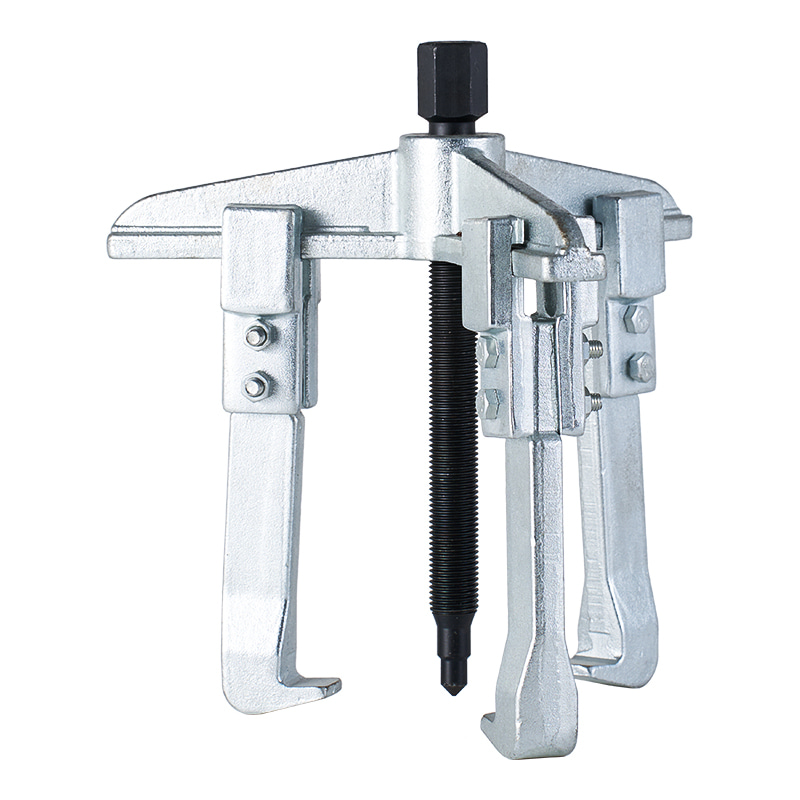
Model: SN0110
-
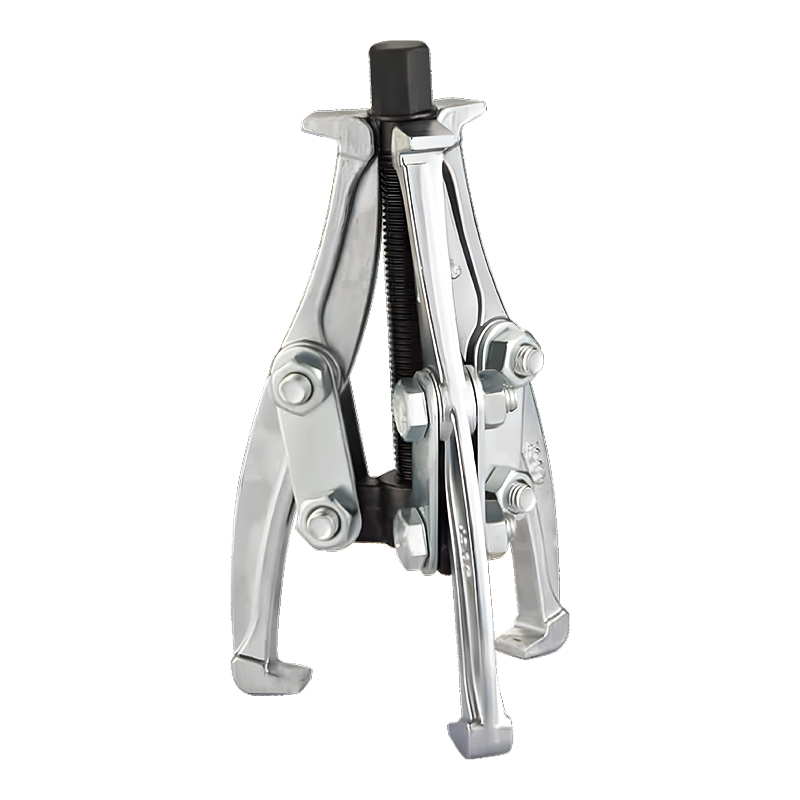
Model: SN0118
-
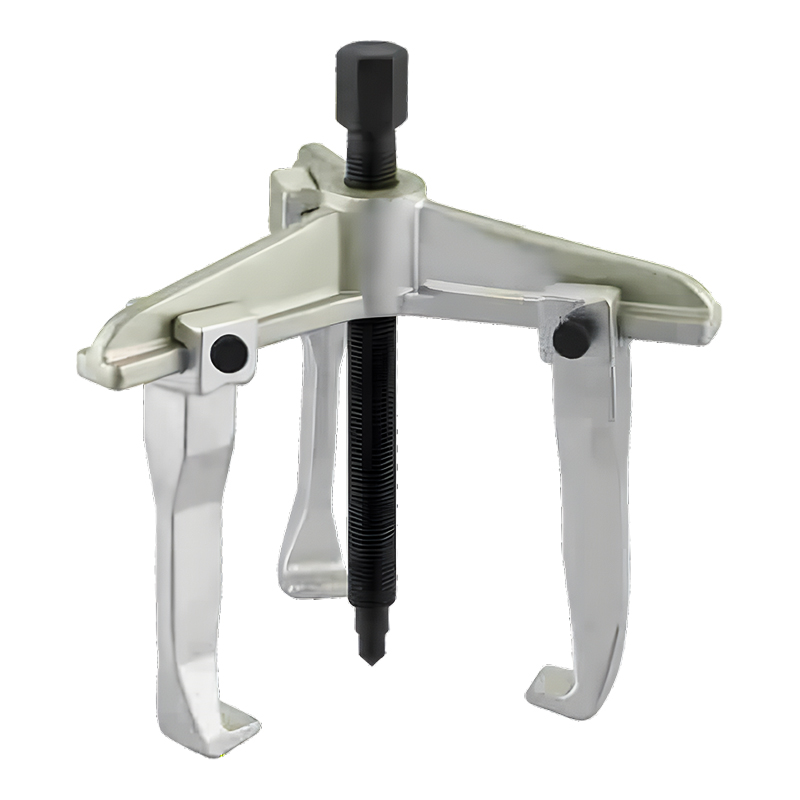
Model: SN0122
-
Model: SN0118-1
Submit feedback
What Are Ultra Precision Bearings And Where They Are Used
2026-06-12
In many mechanical systems where motion needs to stay stable over long working cycles, rotational components quietly decide how smooth the entire operation feels. Among these components, Ultra Precision Bearings play a role that is often not visible during normal operation, yet strongly influences accuracy, vibration level, and long-term mechanical behavior.
Unlike general rotating parts that mainly support movement, precision-level structures tend to focus more on how controlled that movement remains under different working conditions. Once equipment starts running continuously, even small irregularities inside rotation can spread through the system and affect surrounding parts.
That is where high stability bearing structures become relevant in a wide range of industrial environments.
What Defines Ultra Precision Bearings In Industrial Systems
A clear way to describe Ultra Precision Bearings is to look at how motion behaves when mechanical resistance is reduced to a controlled level. Instead of allowing general rotation, the internal structure is designed to guide movement in a more stable and repeatable pattern.
Inside many machines, rotation does not happen in isolation. It connects with shafts, housings, load points, and sometimes measurement systems. When one part shifts slightly out of alignment, the effect may travel across the system. Precision bearings reduce that possibility by maintaining tighter control over internal movement paths.
In practical terms, several characteristics are usually associated with this type of component:
- controlled internal spacing during rotation
- reduced variation in movement direction
- stable contact between rolling elements and raceways
- smoother transition under load changes
- consistent rotational resistance across cycles
| Bearing Type | Rotation Behavior | System Effect |
|---|---|---|
| standard bearing | acceptable motion with variation | general mechanical support |
| precision bearing | controlled and steady motion | improved alignment stability |
| ultra precision bearing | tightly regulated rotation | high consistency in sensitive systems |
Why Ultra Precision Bearings Are Required In Modern Equipment
As mechanical systems become more sensitive to small movement changes, rotational stability gains more importance than raw speed or force handling. In many applications, even slight vibration or alignment drift can influence overall performance, especially when repeated operation is involved.
Ultra Precision Bearings are often used in environments where motion consistency needs to stay stable over time rather than only at startup. Once rotation begins, the internal structure must keep movement predictable even when load or speed conditions shift slightly.
Several practical demands often lead to the use of precision-level bearing systems:
- reduction of vibration influence during continuous motion
- need for stable alignment under changing load conditions
- requirement for smooth rotation in compact mechanical layouts
- avoidance of irregular movement during long operating cycles
- support for consistent mechanical positioning over time
In many systems, stability is more important than maximum rotation capability. When motion remains controlled, connected components also maintain more predictable behavior.
What Structural Features Support Ultra Precision Bearings Performance
Inside Ultra Precision Bearings, structure plays a central role in how motion is controlled. Every internal surface, contact point, and rolling element contributes to how rotation behaves under load.
Instead of relying on one strong structural feature, performance comes from the balance between multiple internal design elements working together. When that balance is maintained, rotation becomes smoother and more predictable.
Key structural aspects often include:
- carefully controlled internal geometry for stable rolling paths
- surface finishing that reduces irregular friction points
- balanced distribution of load across rolling elements
- stable cage positioning for consistent element spacing
- compatibility between internal components under continuous motion
Material behavior also influences long-term performance. When internal surfaces remain stable under repeated contact, rotation stays closer to its intended path rather than drifting over time.
Lubrication conditions also play a quiet role. Even distribution helps reduce uneven friction zones, which supports smoother operation during extended cycles.
Where Ultra Precision Bearings Are Commonly Used
The use of Ultra Precision Bearings is often linked with systems where motion stability directly affects function quality. These are not limited to one industry area, but appear across multiple mechanical environments where controlled rotation is required.
Typical usage environments include:
- optical and imaging systems requiring stable positioning
- automated production equipment with repeated motion cycles
- measuring instruments sensitive to small movement changes
- aerospace-related assemblies where alignment stability matters
- high-speed rotating systems requiring controlled vibration levels
In each of these environments, rotation does not only support movement. It also supports accuracy, repeatability, and consistency of output.
| Application Area | Rotation Requirement | Bearing Role |
|---|---|---|
| optical systems | extremely stable positioning | reduce micro vibration |
| automation systems | repeated motion cycles | maintain alignment consistency |
| measurement tools | minimal deviation | support signal stability |
| aerospace systems | controlled rotation under stress | ensure structural balance |
| high-speed systems | smooth continuous movement | reduce mechanical instability |
Even small improvements in rotational behavior can influence how the entire system performs during long operation cycles.
How Ultra Precision Bearings Affect Equipment Accuracy
Accuracy in mechanical systems is often connected to how stable movement remains during operation. When rotation is consistent, connected components tend to maintain their expected alignment, reducing deviation over time.
With Ultra Precision Bearings, rotational paths remain more controlled, which helps limit unpredictable movement. Instead of allowing slight irregularities to spread, internal structure guides motion in a more stable direction.
In practice, several effects can be observed:
- reduced rotational deviation during continuous use
- improved alignment stability between connected parts
- more consistent positioning in mechanical cycles
- smoother transition between load changes
- better repeatability in repeated operations
Accuracy is not only about initial setup. It also depends on how well motion stays controlled after long periods of operation, especially when mechanical stress changes gradually.
What Role Do Manufacturing Processes Play In Bearing Precision
Inside the production of Ultra Precision Bearings, the final behavior of rotation is strongly shaped long before the component is installed into any machine. The way internal surfaces are formed, aligned, and finished creates the base condition that determines how stable motion will be later.
Instead of focusing only on final assembly, precision behavior depends on many small steps that happen during machining and surface preparation. Even slight inconsistency in shaping can influence how rolling elements move under load, especially when systems run for long periods without interruption.
In practical manufacturing flow, several points often affect final precision:
- control of internal geometry during machining stages
- surface finishing consistency across contact zones
- alignment accuracy between inner and outer structures
- controlled assembly of rolling elements and cages
- verification of smooth rotation before release
| Manufacturing Control Factor | Effect on Bearing Behavior |
|---|---|
| stable machining process | smoother rotation path |
| uneven finishing | small vibration during operation |
| precise assembly | stable load distribution |
| weak alignment control | gradual deviation in motion |
| consistent processing flow | long-term rotational stability |
When these steps remain consistent, the bearing tends to maintain smoother motion even under continuous working stress.
How Environmental Conditions Influence Bearing Performance
Once installed in real systems, Ultra Precision Bearings operate in environments that are rarely stable all the time. Temperature changes, airborne particles, and humidity shifts all slowly influence how internal movement behaves.
Temperature variation can cause small expansion changes in metal parts. Even when movement remains functional, internal spacing may shift slightly, which can affect smoothness of rotation. In longer cycles, repeated temperature changes create subtle mechanical adjustments inside the system.
Dust and fine particles introduce another challenge. When they enter contact areas, friction patterns may become uneven, which can slowly reduce rotational smoothness. Humidity changes can also influence lubrication stability, especially in systems where continuous motion is required.
Common environmental influences include:
- temperature fluctuation affecting internal spacing
- airborne particles increasing friction variation
- humidity changes influencing lubrication behavior
- long operation cycles generating gradual heat buildup
- external vibration transferring into mechanical structure
In real use, these factors do not act separately. They often overlap, and the combined effect becomes visible only after extended operation time.
How Maintenance Supports Long Term Bearing Stability
Even when design and installation are well controlled, long-term stability still depends on how the system is maintained during use. Ultra Precision Bearings rely on smooth internal conditions, and over time, small changes inside the system can influence performance.
Lubrication plays a central role in keeping motion stable. When lubrication spreads evenly, rolling contact remains smoother and internal resistance stays controlled. When lubrication becomes uneven, certain contact points may experience higher stress, which gradually affects motion consistency.
Maintenance practices usually focus on several practical areas:
- periodic lubrication adjustment to maintain smooth motion
- inspection of vibration changes during operation
- observation of wear patterns on contact surfaces
- removal of accumulated particles in surrounding structure
- verification of rotational smoothness during idle checks
Maintenance is less about correcting failure and more about keeping internal conditions stable before irregular behavior develops.
What Role Do Chinese Bearing Manufacturers Play In Global Supply
In global mechanical systems, Chinese Bearing Manufacturers contribute to a wide range of production and application needs across different industries. Their role is not limited to output volume, but also includes adaptation to varied mechanical environments where precision levels differ depending on system requirements.
Manufacturing capacity has developed across multiple industrial sectors, supporting applications that range from general mechanical systems to more sensitive motion control environments. This allows different industries to source components based on specific operational needs rather than fixed design patterns.
Several aspects are often associated with this production landscape:
- large-scale production capability for diverse applications
- development of precision machining processes for rotating components
- integration of material processing and structural control
- adaptability to different mechanical design requirements
- continuous improvement in consistency of production output
In many cases, production systems are adjusted to meet different levels of precision demand, from general mechanical use to higher stability requirements where motion consistency becomes more critical.
How Ultra Precision Bearings Are Evolving In Modern Engineering Systems
Mechanical systems continue to shift toward more compact layouts and more stable motion requirements. In that context, Ultra Precision Bearings are gradually used in situations where both space efficiency and motion stability need to coexist.
Instead of focusing only on rotation capability, modern engineering places more attention on how long motion remains stable without deviation. As systems become more integrated, even small mechanical irregularities can influence overall performance.
Several development directions can be observed:
- increasing demand for stable motion in compact systems
- greater focus on reducing vibration during continuous operation
- preference for smoother energy transfer in rotating parts
- improvement in long-cycle operational stability
- integration into more sensitive mechanical assemblies
In practical use, the role of precision bearings continues to shift from simple support components toward stability control elements inside larger mechanical systems.

-

Fax: +86-576-82686606
-

Tel: +86-576-82686563
+86-576-82686832 -

E-mail: [email protected]
-

Add: Fengjiang Industrial Park, Luqiao Area,Taizhou City, Zhejiang Province, China
Copyright © 2025 Taizhou Xinming Technology Co., Ltd. All Rights Reserved.

Sale Hardware Tools Factory