

 русский
 Español
 عربى
عربى-
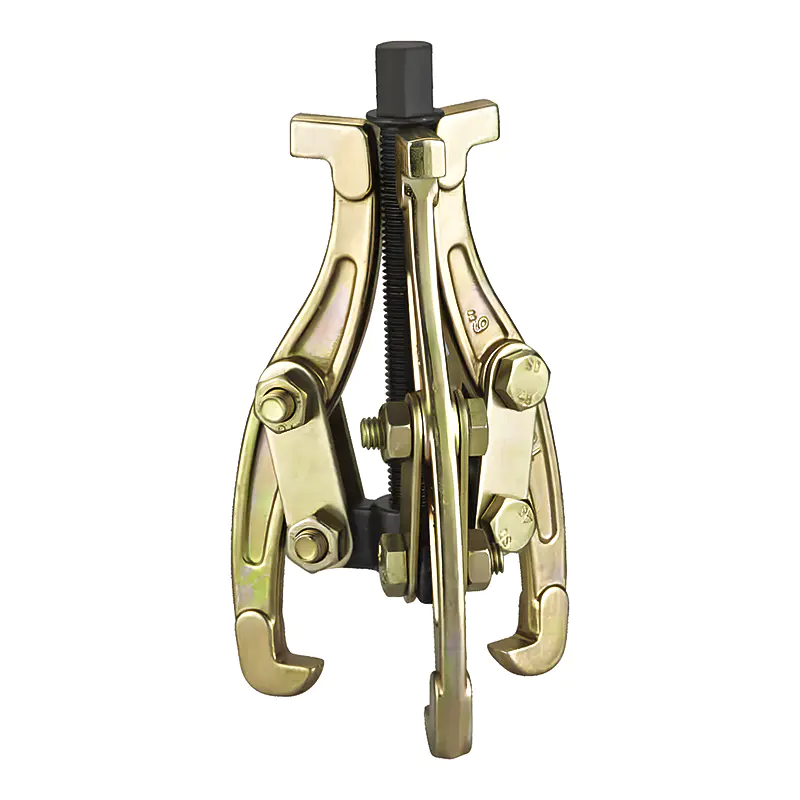
Model: SN0101
-
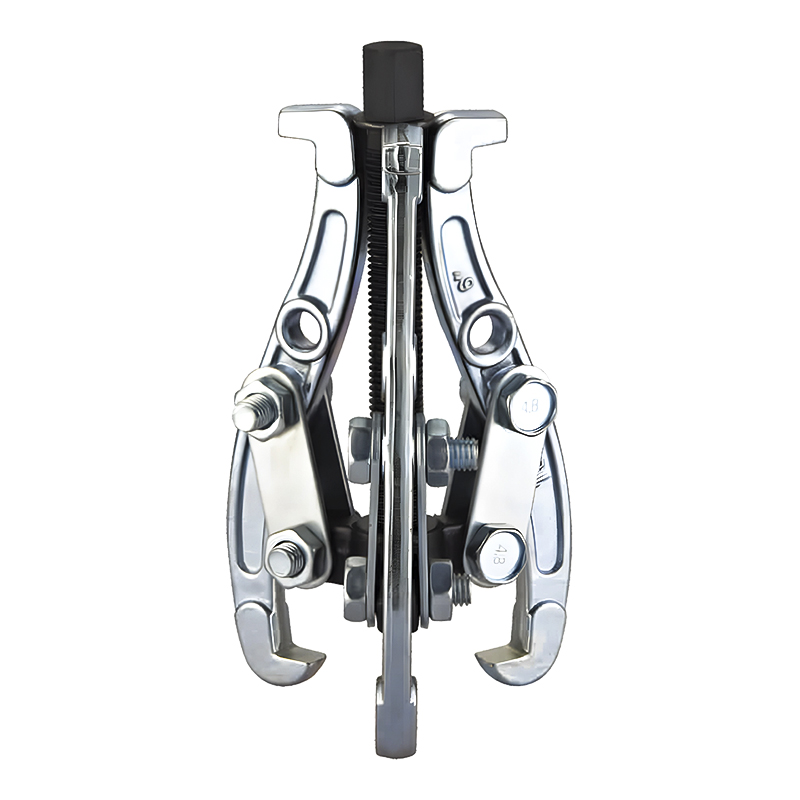
Model: SN0102-1
-
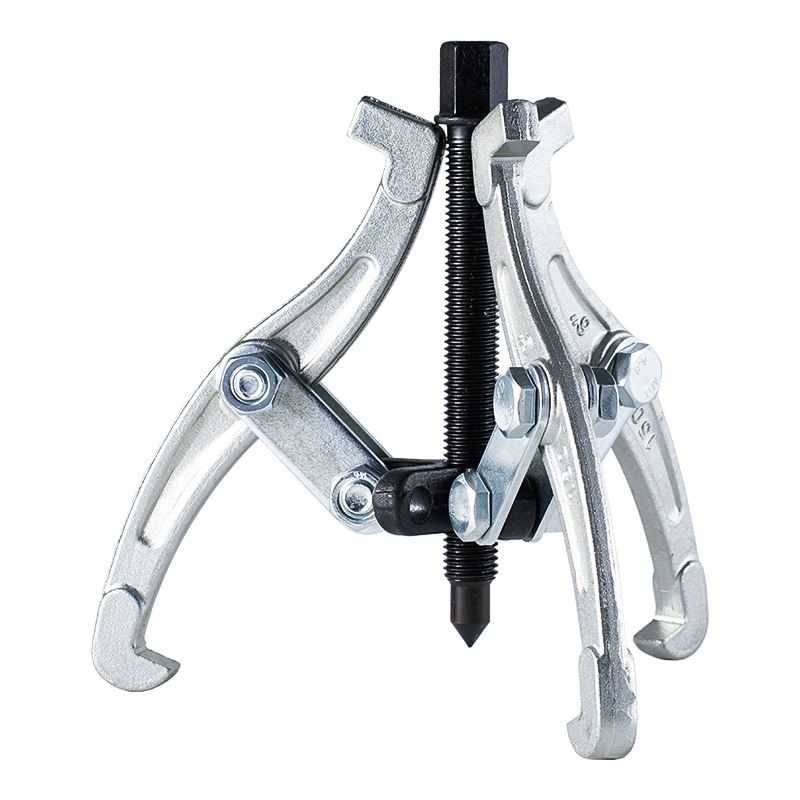
Model: SN0103
-
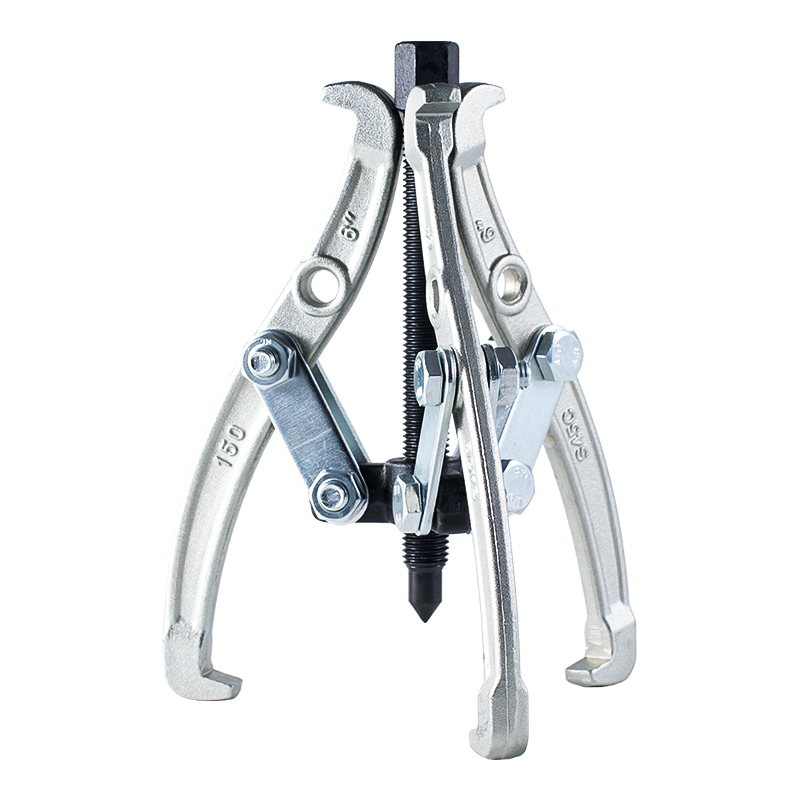
Model: SN0102 SN0107
-
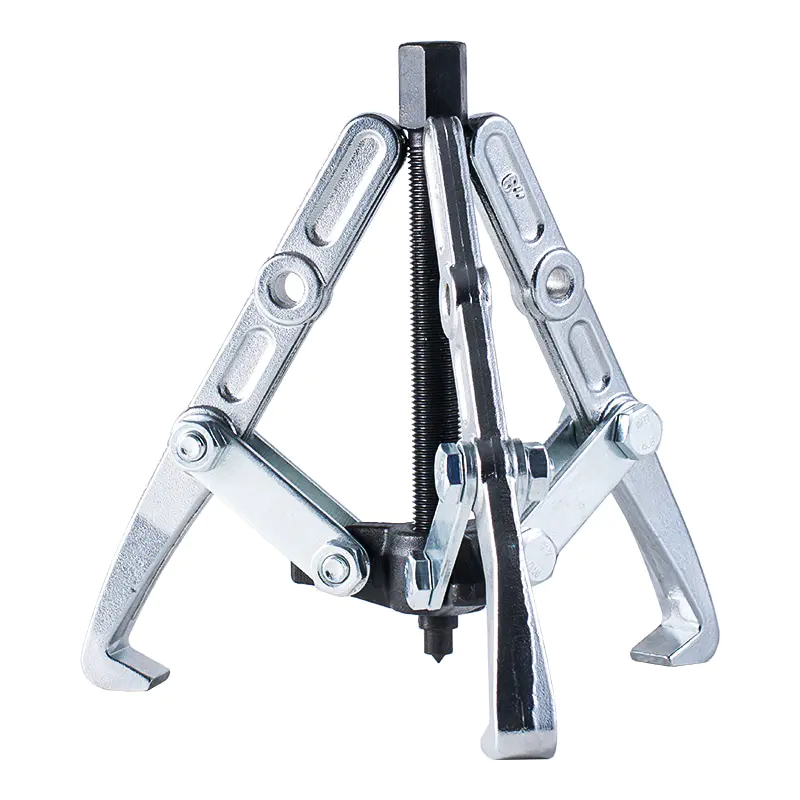
Model: SN0108 SN0109
-
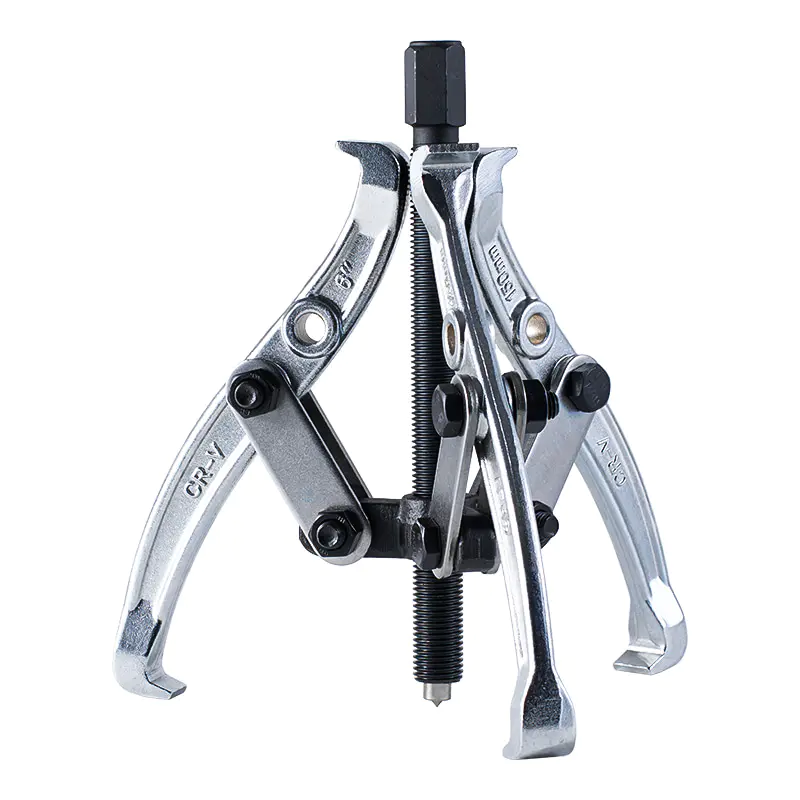
Model: SN0105
-
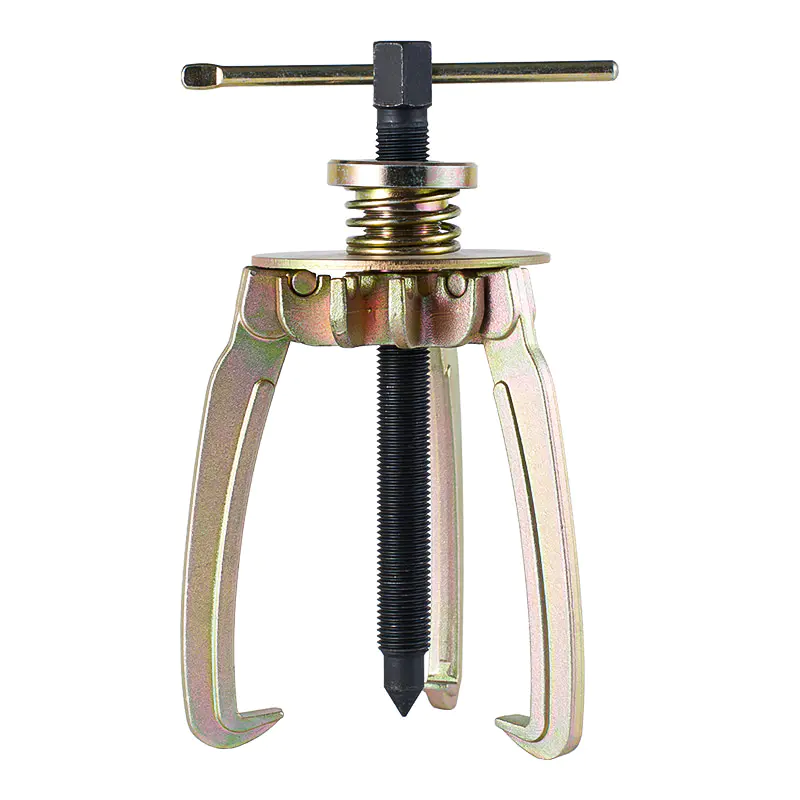
Model: SN0106
-
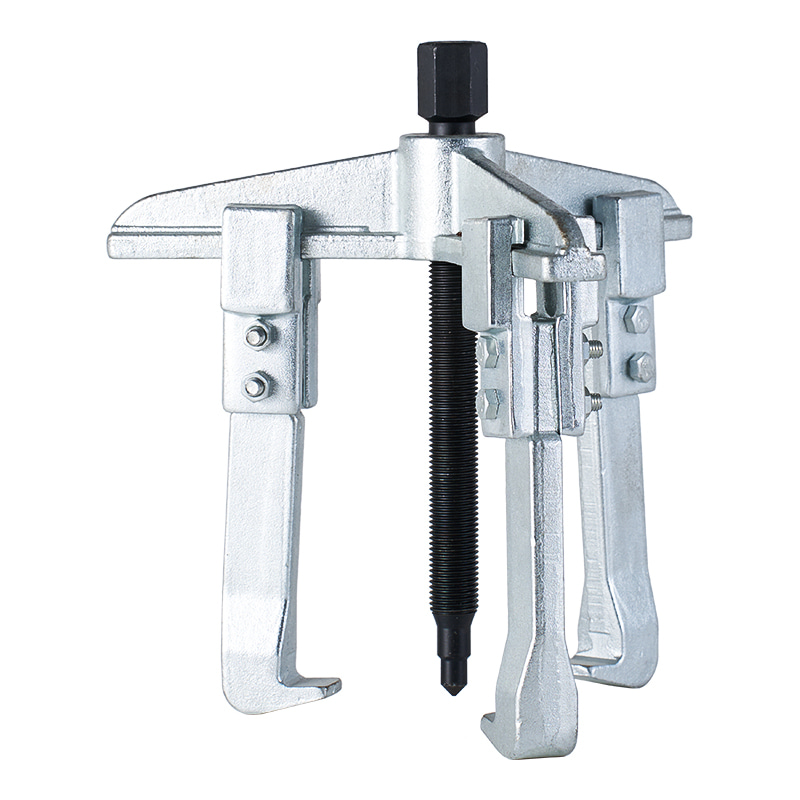
Model: SN0110
-
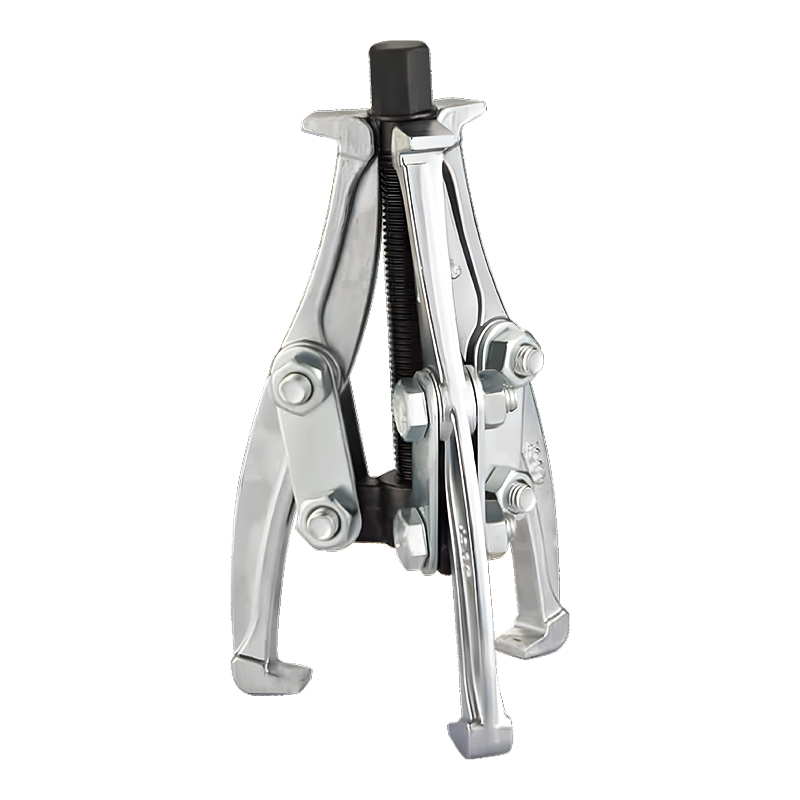
Model: SN0118
-
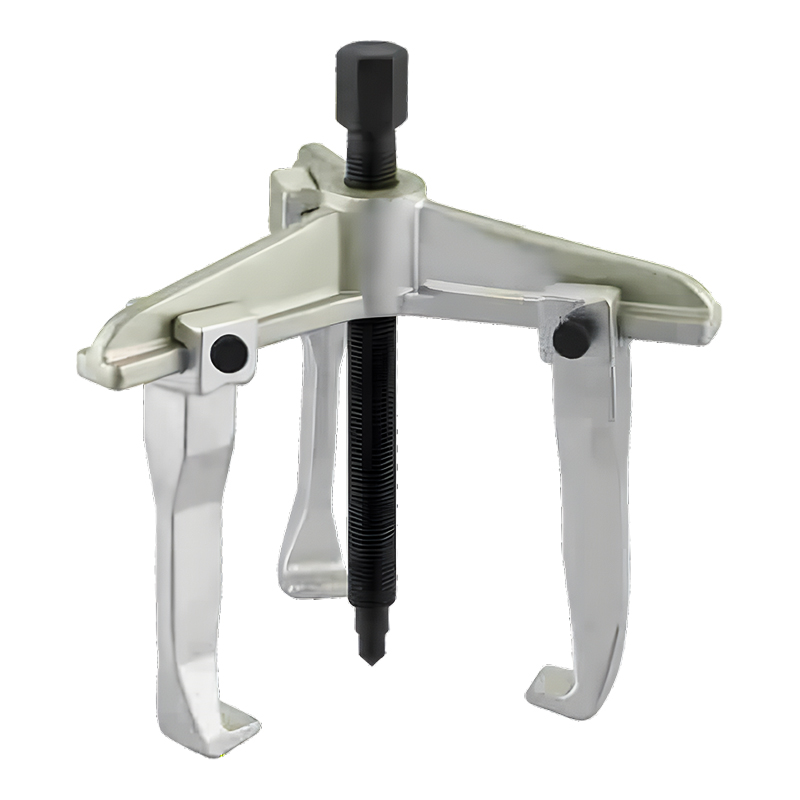
Model: SN0122
-
Model: SN0118-1
Submit feedback
Which Jaw Count Works Better for 2 3 Jaw Gear Puller
2026-08-28
Removing a gear often looks like a simple matter of applying pulling force to the part. In practice, positioning matters just as much as force. A puller needs to grip the gear securely while directing pressure toward the shaft center, and jaw count affects how that contact is created.
Two‑jaw and three‑jaw arrangements approach the task in different ways. A two‑jaw design grips from opposing sides, leaving a larger opening around other parts of an assembly. A three‑jaw arrangement adds another contact point around the gear, creating a more surrounding grip.
Gear location usually provides the clearest reason for choosing one arrangement over another. A gear sitting close to a housing may leave very little room behind its outer edge. Another gear may have open space around its entire circumference, making several jaw positions possible.
Before selecting a tool, several questions are worth checking:
- Is there enough room behind the gear?
- Can each jaw reach a solid gripping area?
- Is the shaft center easy to identify?
- Are nearby parts blocking one side?
- Does the gear have a suitable edge for gripping?
A puller should not be judged by jaw count alone. Access, gear shape, shaft position, and available gripping space all influence how safely and steadily force can be applied.
How Does a Two Jaw Design Work in Tight Spaces
A two‑jaw puller uses opposing arms to grip the part from two sides. Because fewer jaws need to be positioned around the gear, the arrangement can be useful where surrounding components leave limited access.
Imagine a gear mounted close to a plate, bearing housing, or another rotating component. One side may have plenty of open space while the opposite side is partly blocked. Finding three suitable gripping positions can become difficult. Two jaws may provide a simpler route into the available space.
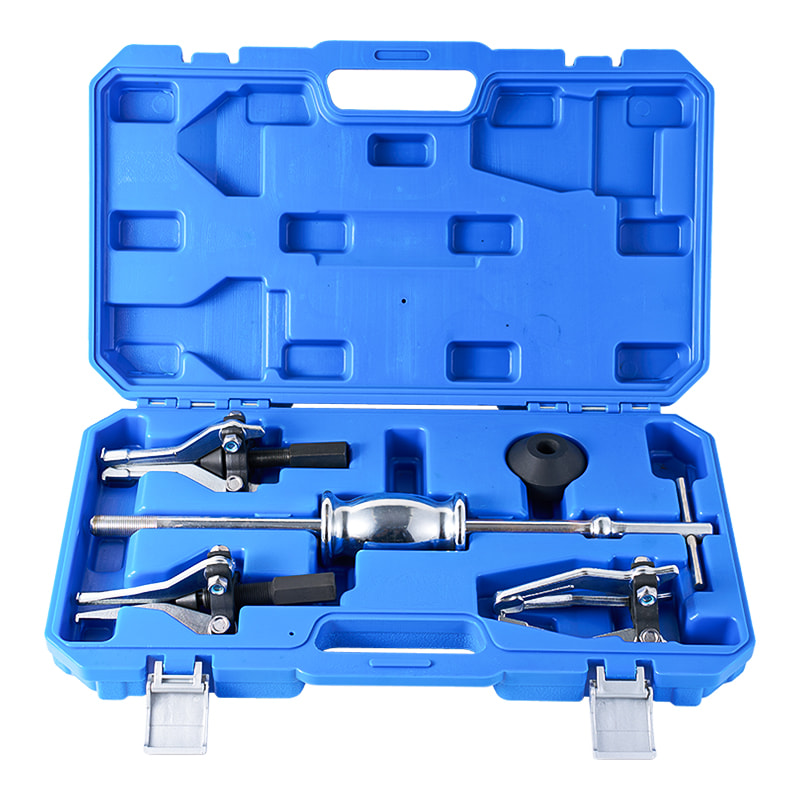
A 2 jaw puller set can also allow the operator to position the arms around the accessible edges of a gear without needing equal clearance around its full circumference.
Proper engagement remains important. Each jaw needs to sit firmly behind a suitable part of the gear rather than catching only a thin edge. Poor engagement can allow a jaw to move outward as force increases.
Two contact points also make alignment important. The central forcing screw should remain close to the shaft center while both jaws carry the load. A noticeably off‑center position can cause the gear or tool to tilt during removal.
For restricted spaces, useful checks include:
- Find two opposing areas with solid contact.
- Keep both jaws at a similar depth behind the gear.
- Check that neither arm rests against a nearby housing.
- Position the forcing screw toward the shaft center.
- Turn the tool gradually while watching jaw movement.
A narrow working space does not automatically mean a two‑jaw tool is appropriate. Enough gripping surface still needs to exist, and the tool must have sufficient reach for the particular assembly.
Why Can Three Jaws Provide More Even Contact
A three‑jaw arrangement surrounds a gear from three directions rather than relying on two opposing points. Contact is spread around a larger portion of the component, which can help keep the tool centered during removal.
Circular gears naturally provide several possible gripping positions. When three jaws can be placed evenly around the outer edge, pulling force is shared through multiple contact areas. Such positioning can reduce the tendency for the tool to rotate or shift away from the shaft center.
Centering remains important. A three‑jaw arrangement does not automatically correct poor positioning. One jaw placed on a weak edge or at a noticeably different depth can still create an uneven load.
Gear shape also matters. A solid gear with enough space around its rear edge may accept three jaws comfortably. A gear placed inside a narrow assembly may not offer enough room for all three arms.
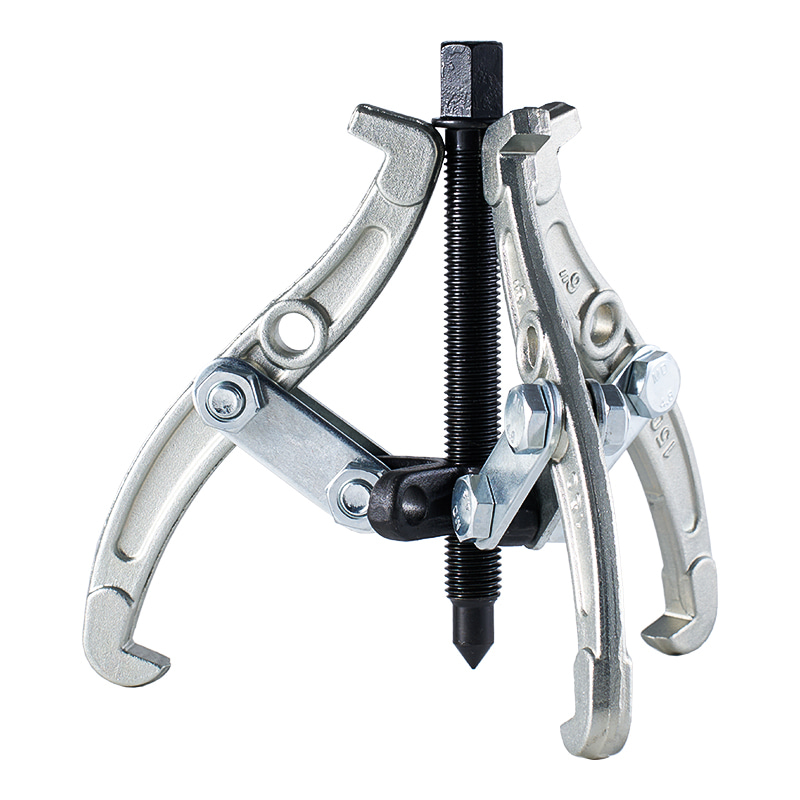
A 3 Gear Puller can therefore be useful when surrounding clearance allows all jaws to sit securely.
During setup, attention can be given to:
- Contact: Each jaw should reach a firm gripping area.
- Position: Jaws should sit around the gear rather than bunching toward one side.
- Centering: The forcing screw should line up with the shaft.
- Clearance: Arms should not press against nearby components.
- Movement: Jaw position should remain stable as pulling begins.
A stable grip makes the pulling process easier to control. Still, jaw count alone does not determine whether removal will go smoothly.
What Gear Conditions Favor Two Jaws or Three Jaws
Gear condition usually gives more useful information than a simple preference for two or three jaws. A gear with open access may accommodate three contact points, while another mounted deep inside a machine may leave room for only two.
Gear thickness is another consideration. A thin edge may offer limited space for jaw engagement, while a deeper rear edge may provide a more secure place for the arms.
Nearby components can change the choice as well. Shafts, housings, plates, bearings, and other machine parts may block one side of a gear. Even a small obstruction can prevent a jaw from reaching the correct position.
| Working Condition | Two Jaw Arrangement | Three Jaw Arrangement |
|---|---|---|
| Limited Rear Access | Often Easier to Position | May Need More Clearance |
| Open Space Around Gear | Suitable | Suitable |
| Two Clear Gripping Areas | Practical | Less Necessary |
| Several Even Contact Areas Possible | Possible | Useful |
| Nearby Obstruction | Easier to Work Around in Some Cases | May Restrict Placement |
| Centering Requirement | Needs Careful Alignment | Multiple Contact Points Can Aid Stability |
Gear condition should also be checked before any force is applied. Cracks, damaged edges, or heavily worn teeth can affect where a jaw can safely make contact. Pulling against a fragile area may damage the component rather than release it from the shaft.
Another useful point is the direction of force. A puller works by drawing the gear along the shaft, so the jaws need to grip from behind the gear while the central screw pushes against the shaft end. When contact is poorly positioned, force may travel in an unwanted direction.
For that reason, jaw selection is closely tied to the actual shape and location of the gear. A compact two‑jaw arrangement may suit one assembly, while a three‑jaw setup may be easier to stabilize on another.
How Should Reach and Spread Be Checked
Reach describes how far the jaws can extend behind a gear, while spread relates to how widely the arms can open around the component. Both dimensions affect whether a puller can actually reach a useful gripping position.
A tool may fit around the outside diameter of a gear while still failing to reach the rear edge. Another may have sufficient reach yet lack enough opening for the gear. Checking both conditions before work begins helps avoid an awkward setup.
Jaw thickness deserves attention in restricted spaces. A thick jaw may struggle to enter a narrow gap, even when the overall puller appears large enough. A thinner jaw may enter more easily, although enough strength and contact area still need to be available for the intended task.
Before applying force, the following points can be checked:
- Measure the available space behind the gear visually or with a suitable measuring method.
- Check whether jaw tips can reach beyond the gear edge.
- Make sure the opening fits around the component.
- Confirm that each jaw has enough contact area.
- Check whether nearby parts interfere with arm movement.
Correct reach and spread do not guarantee successful removal, although they establish whether the tool can be positioned properly in the first place. A good fit at the beginning makes alignment and controlled pulling much easier during the next stage.
What Role Does Alignment Play During Removal
Alignment has a quiet influence on gear removal. A puller may have enough reach and a suitable jaw opening, yet poor positioning can make the operation difficult. Force needs to travel toward the shaft rather than pushing the gear sideways.
Start by placing the central screw against a firm point on the shaft. Contact should remain close to the shaft center, with enough surface area to keep the screw from slipping during turning.
Jaws then need to sit behind the gear. Each arm should have a clear path toward its gripping position, with no contact against nearby housings or other machine parts.
A practical setup can follow a simple sequence:
- Clean loose dirt from the contact areas.
- Position the puller around the gear.
- Check each jaw from more than one angle.
- Bring the forcing screw toward the shaft center.
- Confirm that jaw contact remains secure.
- Apply force gradually while observing movement.
A tilted puller can place uneven pressure on the gear. One side may begin moving while another side remains fixed, creating extra stress around the contact points. Stopping to reposition the tool is generally more useful than continuing to turn the screw against a poor setup.
Alignment also affects how a 2 3 Jaw Gear Puller performs in practical work. Two jaws depend heavily on opposing contact and accurate positioning, while three jaws can provide a broader surrounding grip when all contact points have suitable access. Neither arrangement removes the need for careful setup.
Shaft condition deserves attention as well. A damaged shaft end can make it difficult to establish a stable point for the forcing screw. A suitable protective contact surface may be needed during maintenance work, depending on the assembly.
When Does a 2 Jaw Puller Set Offer More Flexibility
A two‑jaw arrangement can be useful when access changes from one job to another. Maintenance work rarely involves identical gear positions, and available space can vary considerably between assemblies.
A 2 jaw puller set may allow the arms to be positioned at different angles, giving more options when one side of a gear has an obstruction. Adjustable placement can also help with gears that have different gripping locations.
Flexibility does not mean every gear should be removed with two jaws. A gear with wide open access may provide enough room for three contact points, making a three‑jaw arrangement a reasonable choice. A restricted assembly may call for fewer arms simply because available space does not allow another contact point.
Jaw movement should be checked before applying force. Arms that shift during setup may indicate that the gripping area is not suitable. Secure contact matters more than simply getting the jaws behind the component.
Several working conditions can favor a two‑jaw setup:
- One side of the gear has limited access.
- A nearby housing blocks a potential jaw position.
- Two strong gripping areas are clearly available.
- A narrow opening makes three‑arm placement difficult.
- The gear sits close to another component.
Adjustability can also make storage and routine maintenance more convenient, although tool selection should remain connected to the actual removal task.
How Should a 3 Gear Puller Be Compared With a Two Jaw Design
Comparing jaw count alone can give an incomplete picture. A three‑jaw tool may provide stable contact around an accessible gear, while a two‑jaw tool may reach a gear more easily when space is restricted.
A 3 Gear Puller arrangement becomes practical when three contact areas can be reached without forcing the arms into awkward positions. Even spacing around a circular component can help maintain a centered pulling direction.
Two jaws have a different advantage in restricted areas. Opposing arms can sometimes be placed through narrower openings, especially when nearby components prevent access around part of the gear.
A simple comparison can focus on four areas:
- Access Can every jaw reach a usable gripping surface?
- Contact Do the jaws sit securely behind the gear rather than on a weak edge?
- Alignment Does the forcing screw remain close to the shaft center?
- Stability Does the tool remain in position while force is applied?
For a gear surrounded by open space, three contact points may provide a stable working arrangement. For a gear tucked close to a housing, two arms may offer a more practical path into the available gap.
Choice also depends on gear condition. Worn edges, damaged teeth, or limited rear surfaces can restrict possible gripping positions. Applying additional force cannot compensate for poor contact, so checking the assembly before tool selection remains important.
Jaw count should therefore be treated as one part of a larger fitting decision. Reach, spread, contact depth, shaft alignment, surrounding clearance, and gear condition all contribute to the working result.
A useful habit in maintenance work is to position the tool before applying force and then inspect every contact point. A few moments spent checking the setup can reveal an unsuitable jaw position before pressure is placed on the gear.
Once suitable contact has been established, gradual movement gives a clearer indication of how the gear and puller are responding. Unexpected tilting, jaw movement, or slipping signals a need to stop and reassess the setup rather than simply increasing force.
For compact assemblies, a two‑jaw arrangement can provide useful access. Where a gear has enough open space for three secure contact points, a three‑jaw arrangement can provide a different form of stability. Practical conditions, rather than jaw count by itself, should guide the final choice.

-

Fax: +86-576-82686606
-

Tel: +86-576-82686563
+86-576-82686832 -

E-mail: [email protected]
-

Add: Fengjiang Industrial Park, Luqiao Area,Taizhou City, Zhejiang Province, China
Copyright © 2025 Taizhou Xinming Technology Co., Ltd. All Rights Reserved.

Sale Hardware Tools Factory