

 русский
 Español
 عربى
عربى-
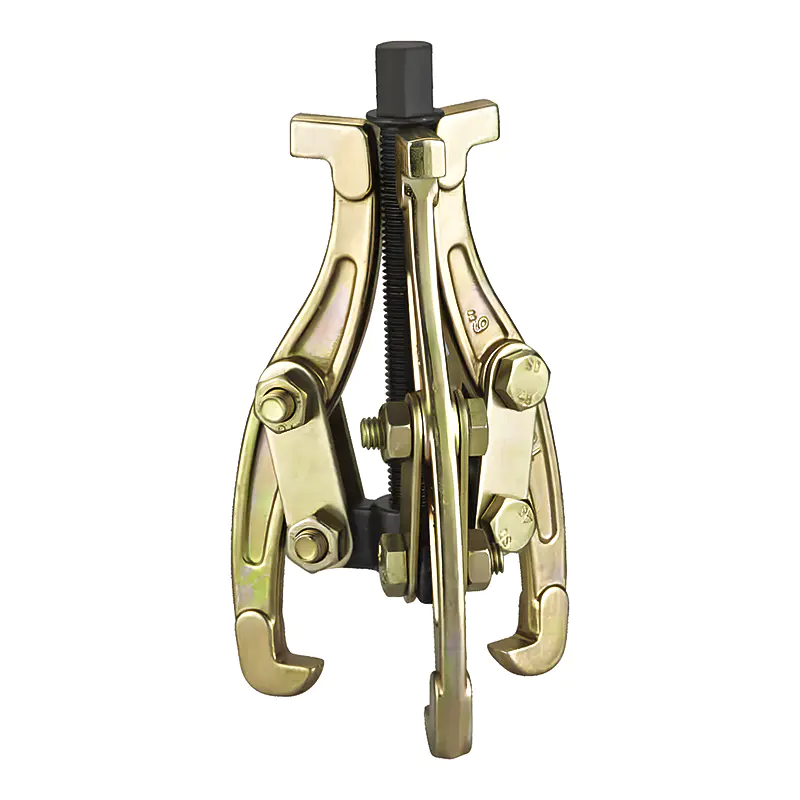
Model: SN0101
-
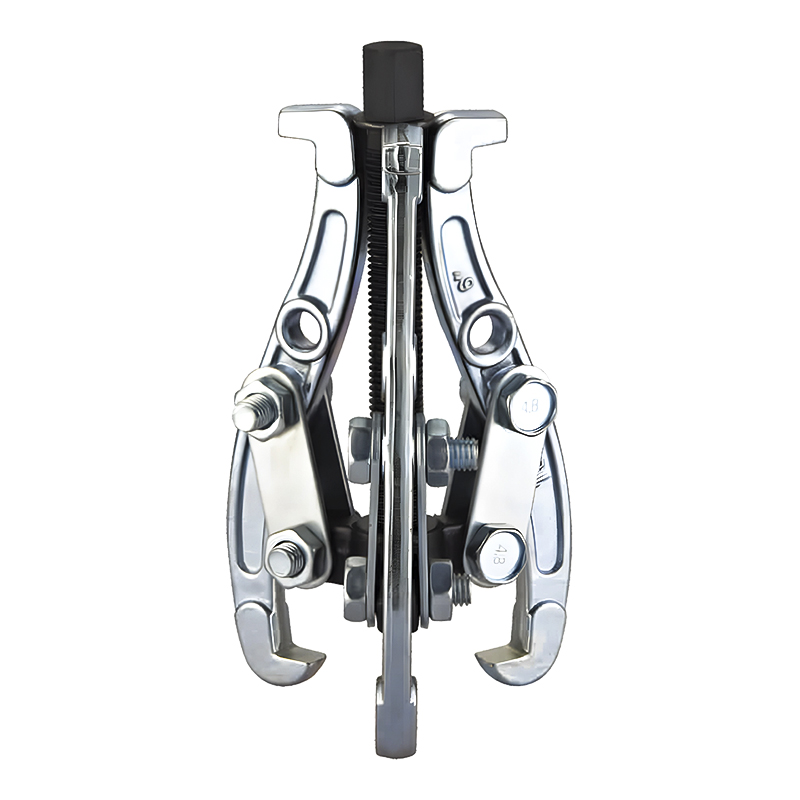
Model: SN0102-1
-
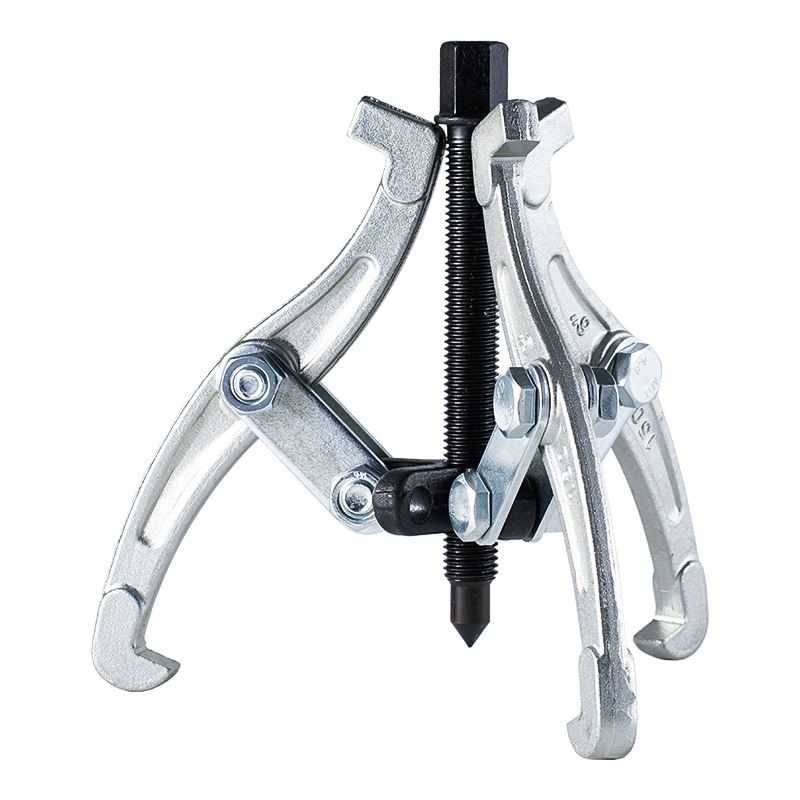
Model: SN0103
-
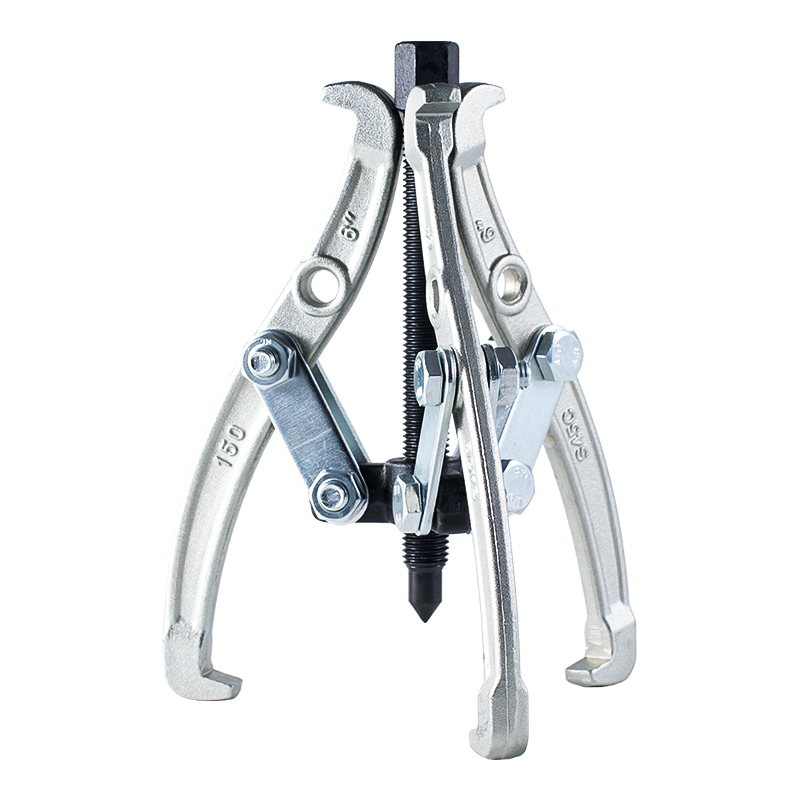
Model: SN0102 SN0107
-
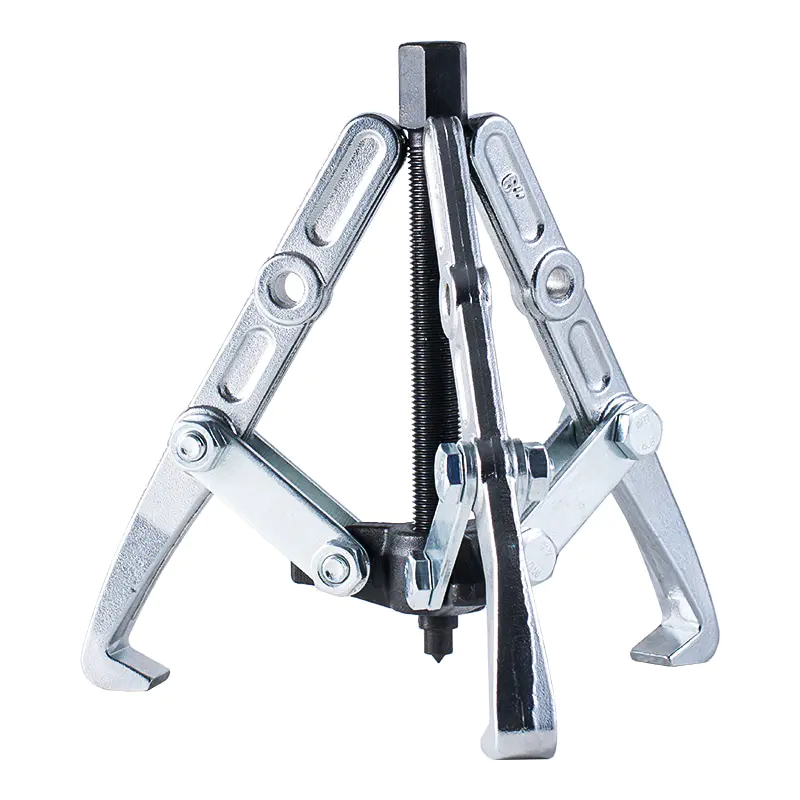
Model: SN0108 SN0109
-
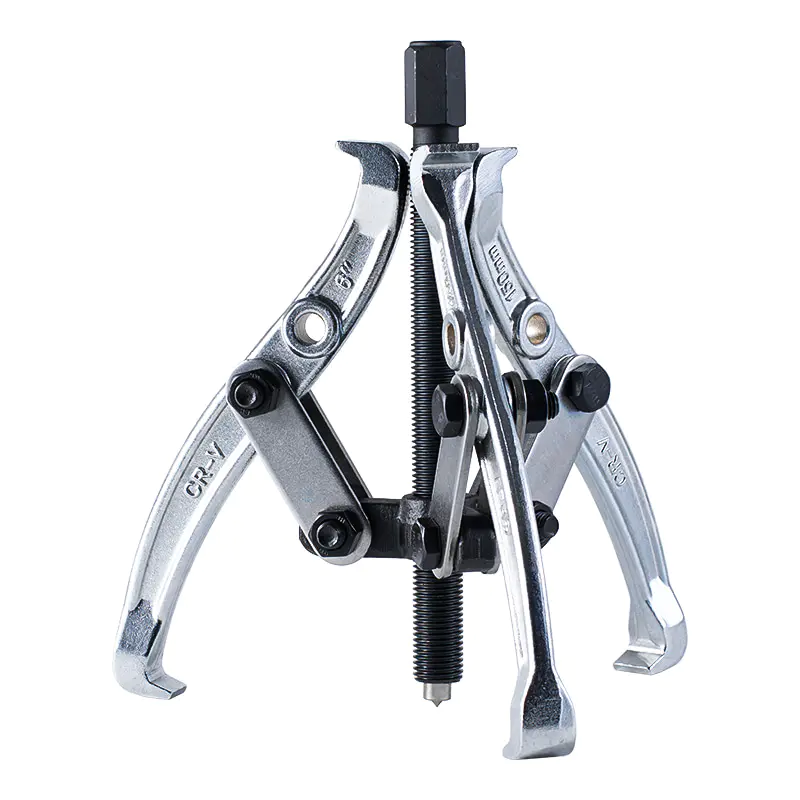
Model: SN0105
-
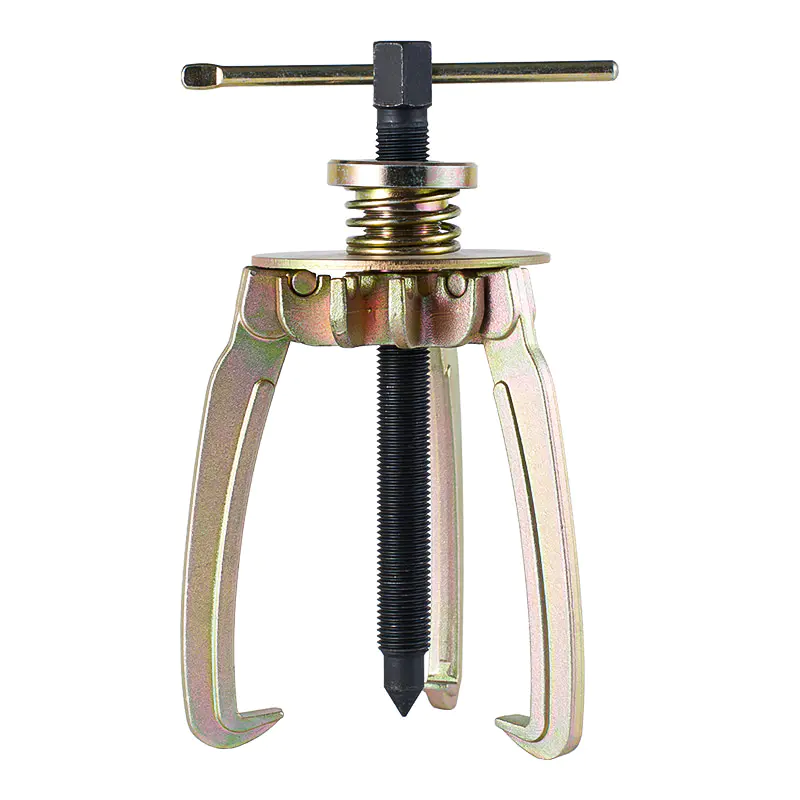
Model: SN0106
-
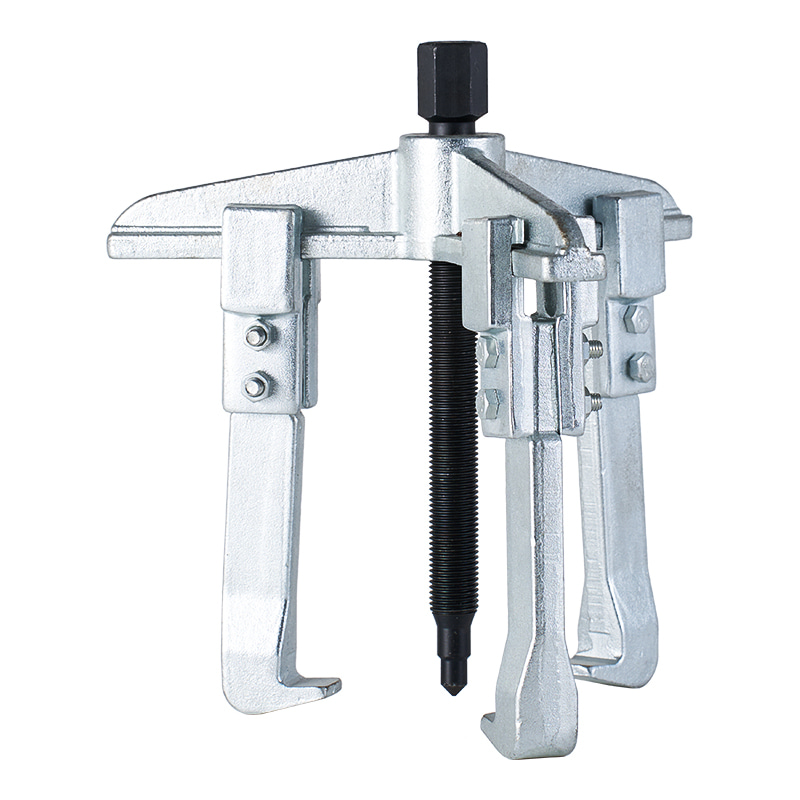
Model: SN0110
-
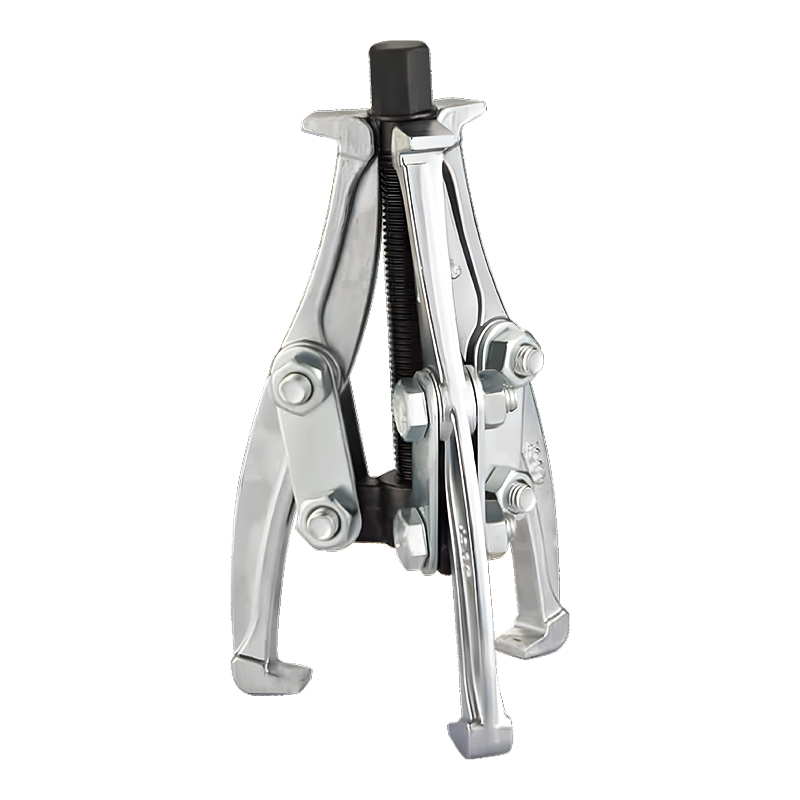
Model: SN0118
-
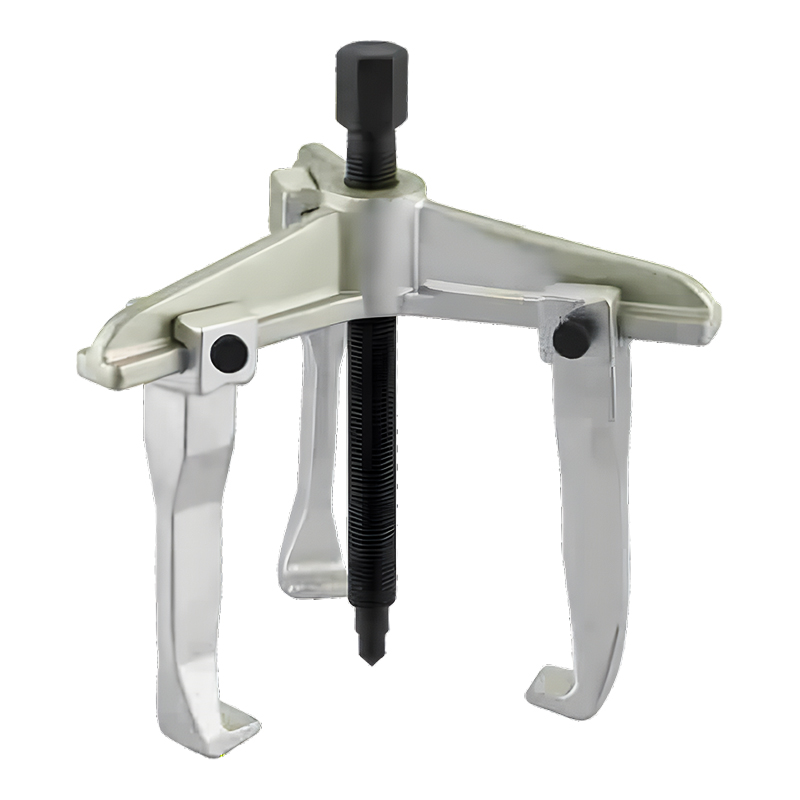
Model: SN0122
-
Model: SN0118-1
Submit feedback
Where Stubborn Suspensions Meet Their Match
2026-03-20
The Tool That Saves Mechanics Sanity
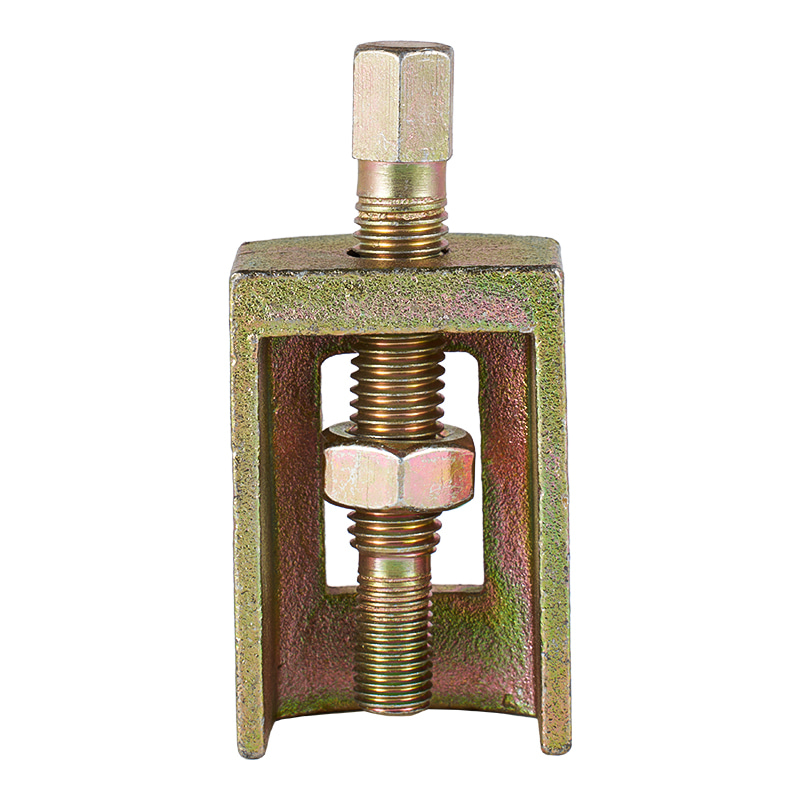
Ask any veteran mechanic about frustrating repairs and suspension work tops the list. Ball joints pressed into control arms for years resist every removal attempt. This is where products from a ball joint separator factory become workshop heroes. These specialized tools apply controlled force to pop tapered joints loose without damaging surrounding components. The design seems straightforward, yet manufacturing these tools requires serious engineering to handle the extreme forces encountered during real-world repairs.
Steel Selection for Brutal Work
Raw materials arriving at loading docks determine eventual tool performance. Chromium-molybdenum alloys provide toughness needed for forks enduring repeated spreading forces. Heat-treated pins resist bending under loads measured in tons. A quality ball joint separator factory specifies exact steel grades for each component, rejecting substitutes that might save money but sacrifice durability. Metallurgical certificates accompany every shipment, verifying compositions meeting strict requirements.
Forging Creates Foundational Strength
Forge hammers reshape heated steel billets into rough fork shapes. This process aligns internal grain structure along component contours rather than cutting through it. The resulting strength exceeds machined alternatives significantly. A serious ball joint separator factory maintains forging dies precision-machined to create specific fork geometries optimized for different vehicle applications. Operators monitor billet temperatures constantly, knowing improper heating creates hidden weaknesses.
Machining Brings Precision
Forged blanks move to machining centers where excess material disappears under spinning cutters. CNC programs guide tools through sequences creating precisely spaced fork openings. Threaded areas receive careful attention ensuring smooth turning under load. A well-equipped ball joint separator factory runs these machines with tolerances measured in thousandths, ensuring tools engage ball joint tapers correctly without slipping during use.
Heat Treatment Transforms Properties
Parts travel through heat treatment departments where metallurgical changes occur. Furnaces raise components to specific temperatures before quenching in oil baths. Tempering follows, balancing hardness against toughness for each tool type. This process determines whether separators survive repeated heavy use or crack under stress. A reputable ball joint separator factory tests samples from every batch, verifying hardness meets specifications before tools proceed further.
Thread Rolling Versus Cutting
Critical threads receive rolling rather than cutting treatment whenever possible. Rolling dies displace material rather than removing it, creating thread forms with compressed grain structure following contours. This produces threads significantly stronger than cut versions. A quality-focused ball joint separator factory invests in thread rolling equipment despite higher costs, recognizing that stripped threads mean tool failure at worst moments.
Fork Geometry Engineering
Fork design determines how effectively tools separate joints without damage. Engineers calculate optimal thickness balancing strength against access limitations in tight suspension areas. Taper angles allow gradual force application rather than sudden shocks. A experienced ball joint separator factory develops fork geometries tested across hundreds of vehicle applications, refining designs based on mechanic feedback.
Surface Finishing Protects
Rough machined surfaces receive treatment preventing workshop corrosion. Some tools get phosphate coatings providing rust resistance without adding thickness. Others receive black oxide finishes reducing glare under vehicle lifts. Plating would add expense without benefit, so a practical ball joint separator factory applies appropriate protection matching expected service environments.
Assembly Brings Components Together
Forged forks meet threaded screws at assembly stations where workers unite components. Anti-seize compounds applied to threads ensure smooth future operation after years in toolboxes. Pins install through pivot points allowing necessary movement. Each assembled tool from a careful ball joint separator factory undergoes functional testing verifying operation before packaging.
Quality Testing Confirms Performance
Sample tools from each production batch endure testing under controlled conditions. Hydraulic presses apply forces exceeding rated capacities while inspectors observe behavior. Forks must spread to specified openings without permanent distortion. Threads must turn smoothly under full load. This destructive testing confirms production quality before tools ship to distributors serving repair shops everywhere.

-

Fax: +86-576-82686606
-

Tel: +86-576-82686563
+86-576-82686832 -

E-mail: [email protected]
-

Add: Fengjiang Industrial Park, Luqiao Area,Taizhou City, Zhejiang Province, China
Copyright © 2025 Taizhou Xinming Technology Co., Ltd. All Rights Reserved.

Sale Hardware Tools Factory