

 русский
 Español
 عربى
عربى-
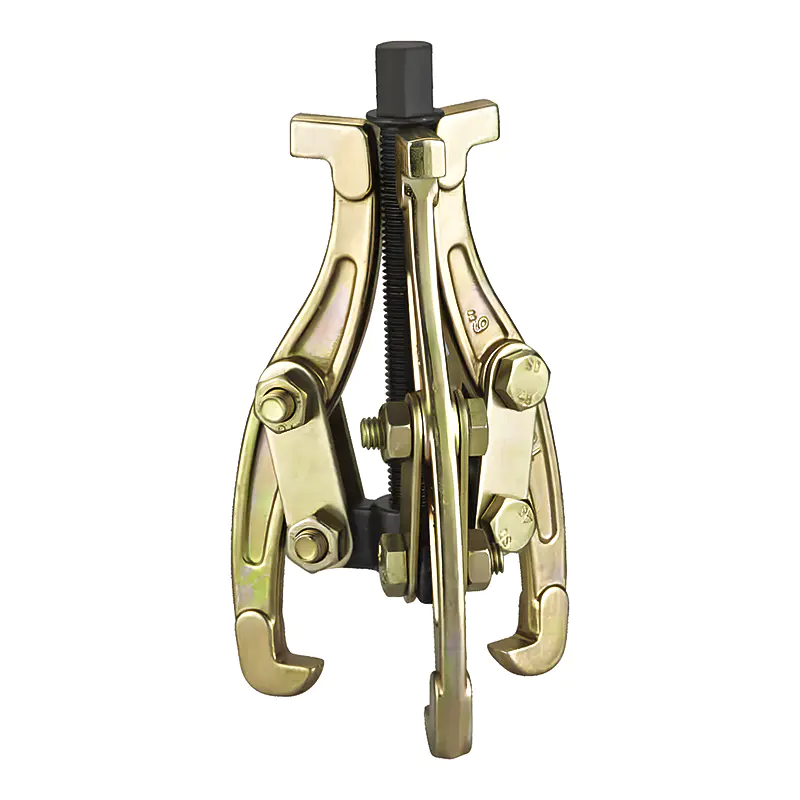
Model: SN0101
-
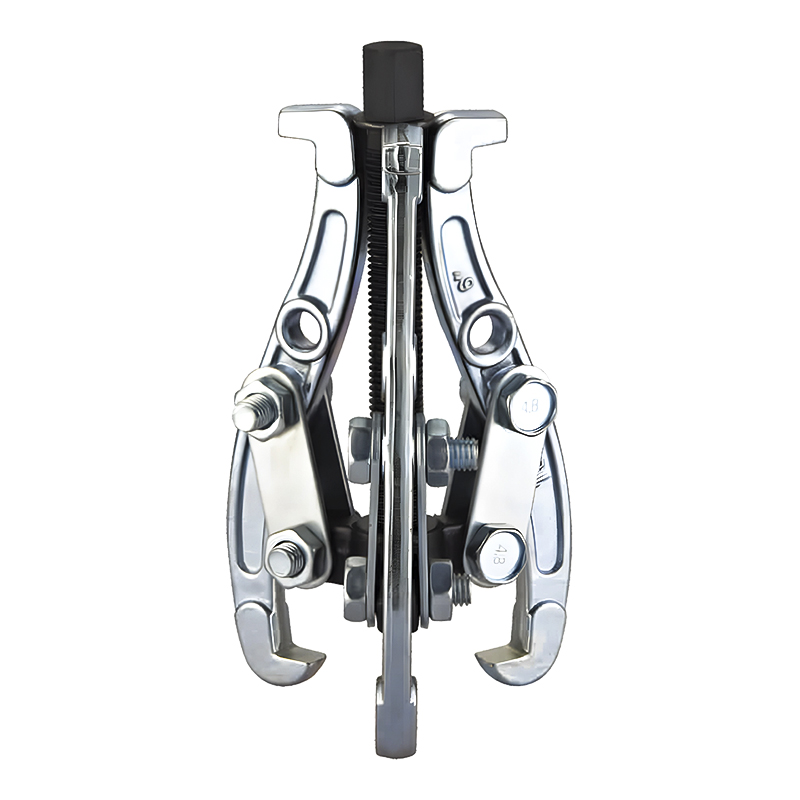
Model: SN0102-1
-
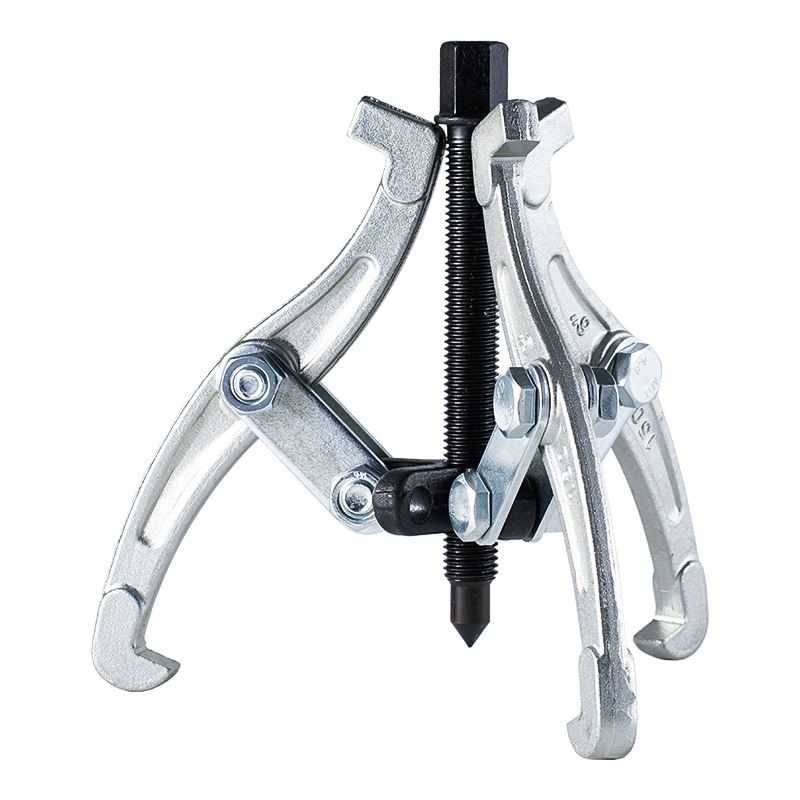
Model: SN0103
-
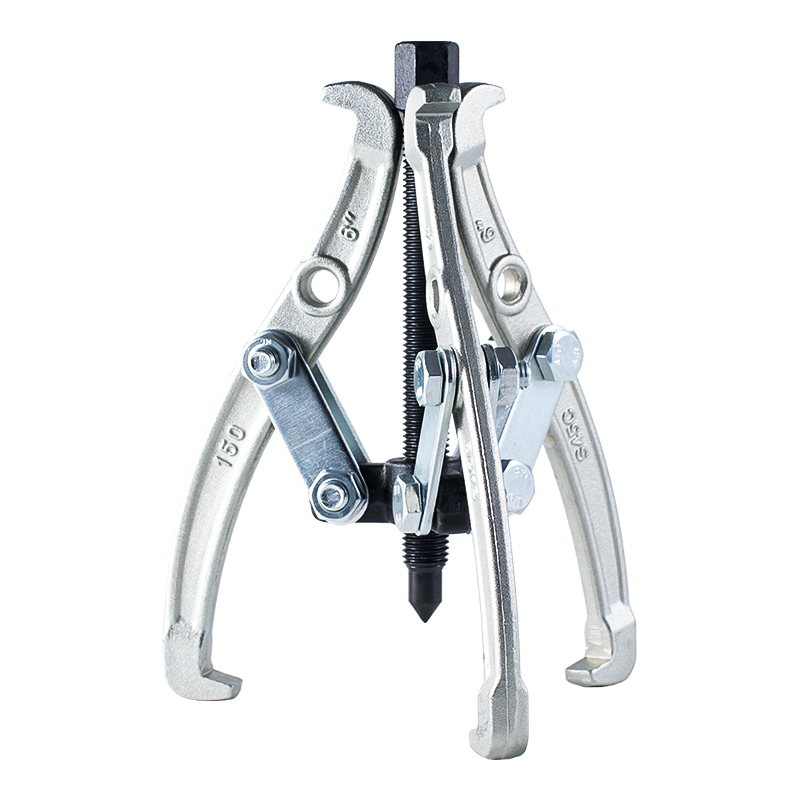
Model: SN0102 SN0107
-
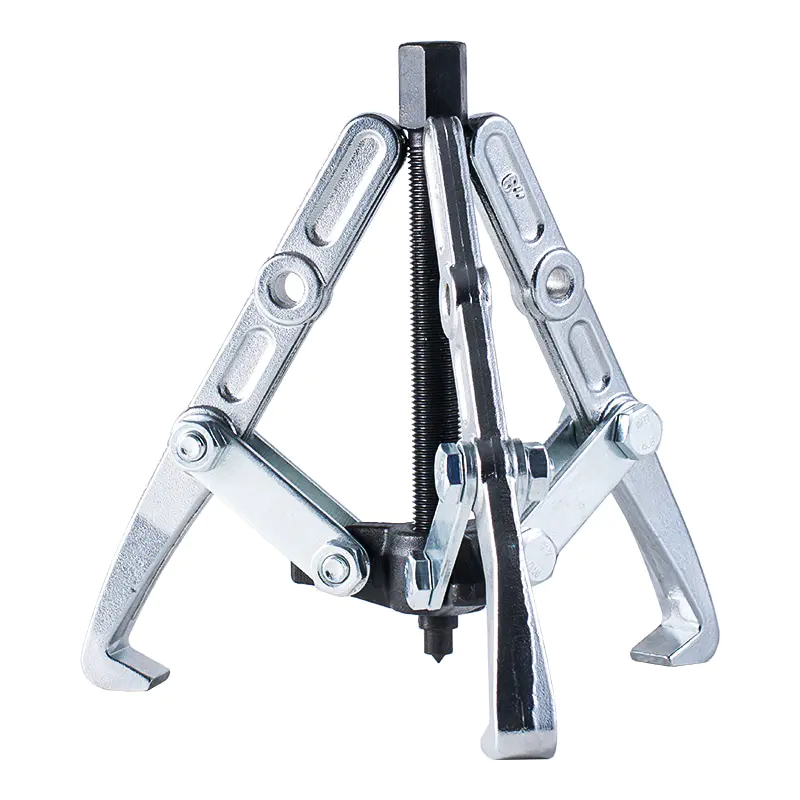
Model: SN0108 SN0109
-
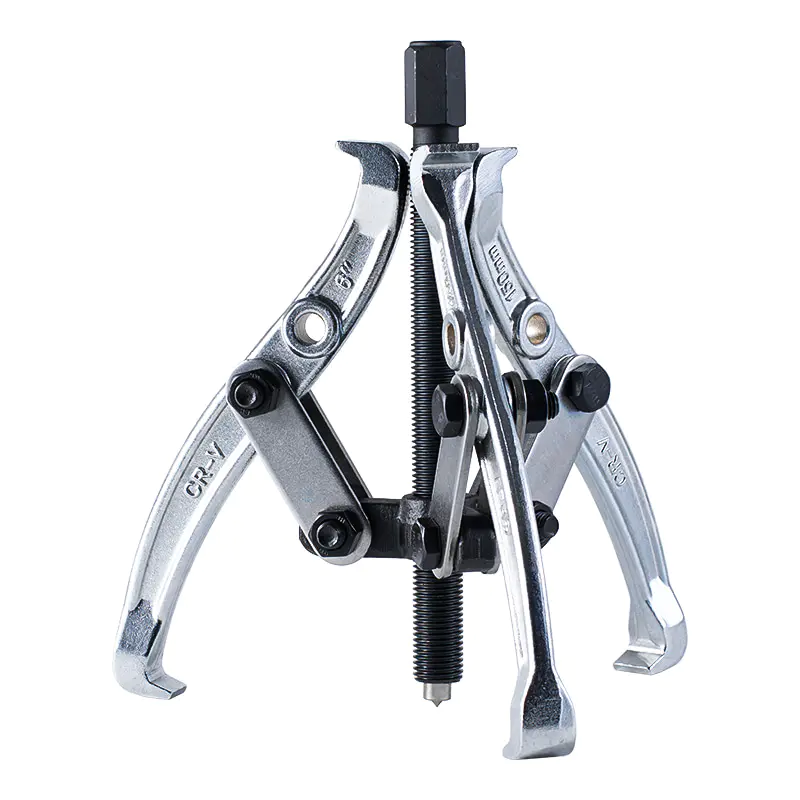
Model: SN0105
-
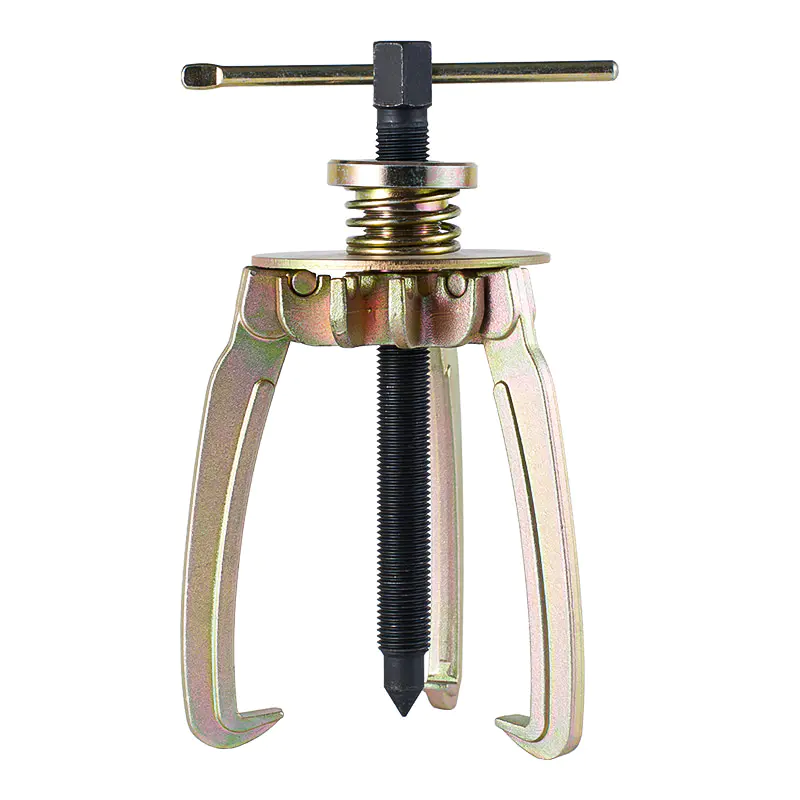
Model: SN0106
-
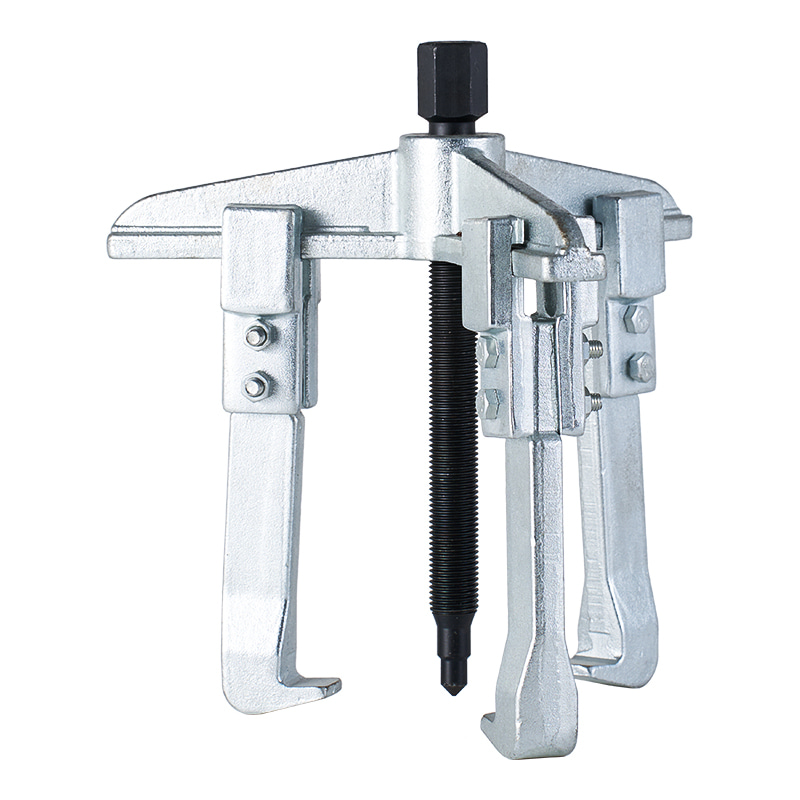
Model: SN0110
-
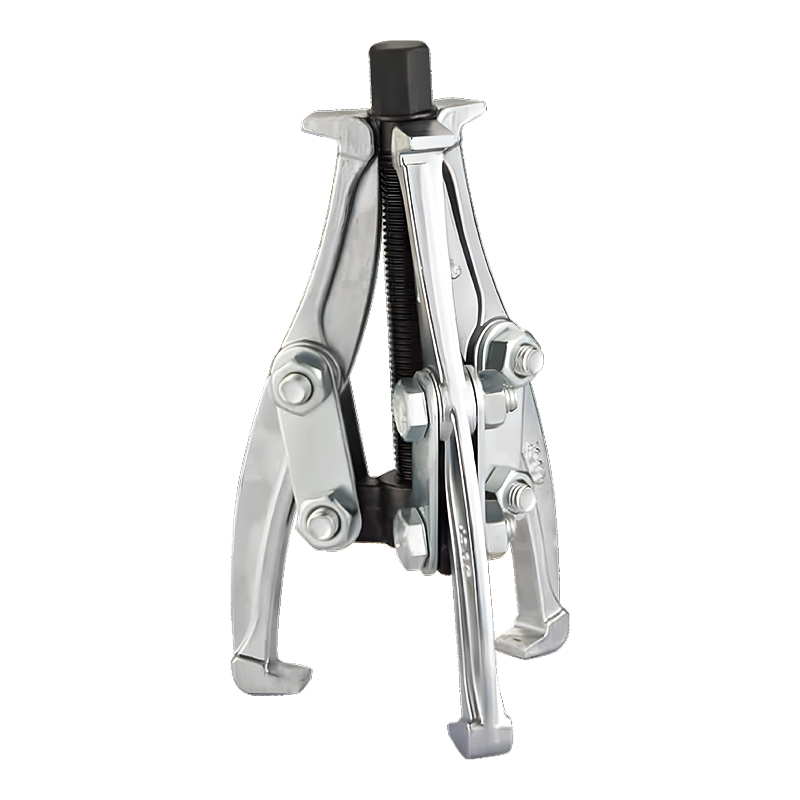
Model: SN0118
-
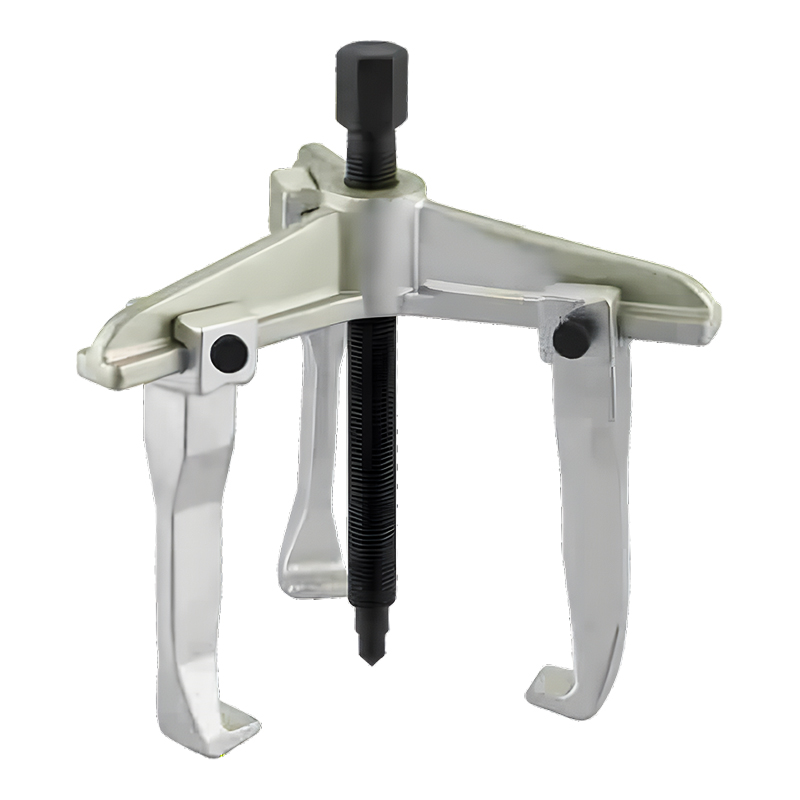
Model: SN0122
-
Model: SN0118-1
Submit feedback
The Factory That Tames Deadly Springs
2026-03-25
Why Compressors Save Lives Daily
Coiled steel springs store tremendous energy. Releasing that energy uncontrolled sends heavy metal flying across workshops with lethal force. A coil spring compressor factory produces tools preventing these disasters. Their products clamp around spring coils, then compress them safely for strut disassembly or replacement. Mechanics nationwide trust these tools with their lives daily. One manufacturing defect could prove fatal, which explains the serious atmosphere throughout production floors where safety equipment takes shape.
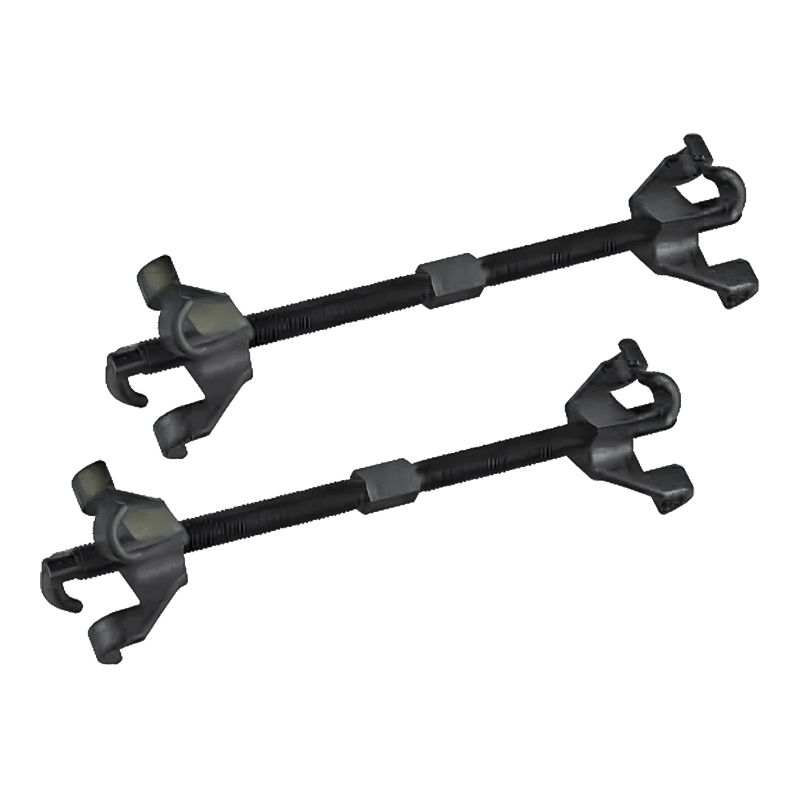
Steel Selection for Extreme Stresses
Materials arriving at receiving docks undergo rigorous verification before acceptance. Chromium-vanadium alloys provide strength needed for threaded rods enduring repeated tension cycles. High-carbon steel forms claw components gripping spring coils without slipping. A responsible coil spring compressor factory rejects any material lacking complete certification, knowing substandard steel means catastrophic failure under load. Metallurgical labs test samples from every batch, confirming compositions match specifications exactly.
Forging Creates Foundational Strength
Massive presses deliver measured blows reshaping heated steel into rough component shapes. Grain structure follows contours during this process, creating strength impossible through machining alone. Claw forgings receive particular attention, as these parts experience highest stresses during compression cycles. A quality coil spring compressor factory maintains forging dies machined to precise geometries developed through years of field experience across thousands of spring applications.
Thread Rolling Versus Thread Cutting
Threaded rods represent critical safety components demanding exceptional strength. Rolling dies displace material rather than cutting it, creating thread forms with compressed grain structure following contours. This process produces threads up to thirty percent stronger than cut alternatives. A safety-focused coil spring compressor factory rolls every thread rather than cutting, accepting higher costs as necessary for tools protecting human life during suspension work.
Heat Treatment Optimizes Properties
Parts travel through heat treatment furnaces where metallurgical transformations occur under严格控制. Precise temperatures and soak times determine final mechanical properties. Quenching in specially formulated oils stops transformation at exact moments. Tempering follows, balancing hardness against toughness for each component type. A reputable coil spring compressor factory tests samples from every batch, verifying tensile strength meets requirements before parts proceed further.
Claw Geometry Engineering
Claw design determines how effectively compressors grip spring coils without slipping during compression cycles. Engineers calculate optimal tooth angles balancing penetration against spring damage. Too aggressive marking mars spring surfaces. Too shallow slips under load with dangerous consequences. Computer modeling helps a experienced coil spring compressor factory refine claw geometries for various spring diameters and wire thicknesses encountered during repairs.
Machining Brings Precision
Forged and heat-treated blanks move to machining centers where final shaping occurs. CNC mills create precise surfaces where claws contact springs. Drilling operations produce holes for pivot pins allowing necessary movement. Threaded ends receive final preparation for nut engagement. A well-equipped coil spring compressor factory maintains tolerances measured in thousandths, ensuring consistent performance across thousands of production units.
Assembly Operations Unite Components
Claws, threaded rods, and thrust bearings converge at assembly stations where workers unite them into complete tools. Anti-seize compounds applied to threads ensure smooth operation after years in workshop storage. Safety stops install preventing over-compression beyond design limits. Each assembled tool from a careful coil spring compressor factory undergoes functional verification before proceeding toward packaging.
Quality Testing Destroys Samples
Destructive testing consumes sample tools from every production batch. Hydraulic presses apply forces exceeding rated capacities while inspectors document behavior. Claws must hold without slipping. Threads must turn smoothly under full load. Components must show no permanent distortion after release. This sacrifice confirms production quality before tools ship to distributors serving repair shops where lives depend on proper function.

-

Fax: +86-576-82686606
-

Tel: +86-576-82686563
+86-576-82686832 -

E-mail: [email protected]
-

Add: Fengjiang Industrial Park, Luqiao Area,Taizhou City, Zhejiang Province, China
Copyright © 2025 Taizhou Xinming Technology Co., Ltd. All Rights Reserved.

Sale Hardware Tools Factory