

 русский
 Español
 عربى
عربى-
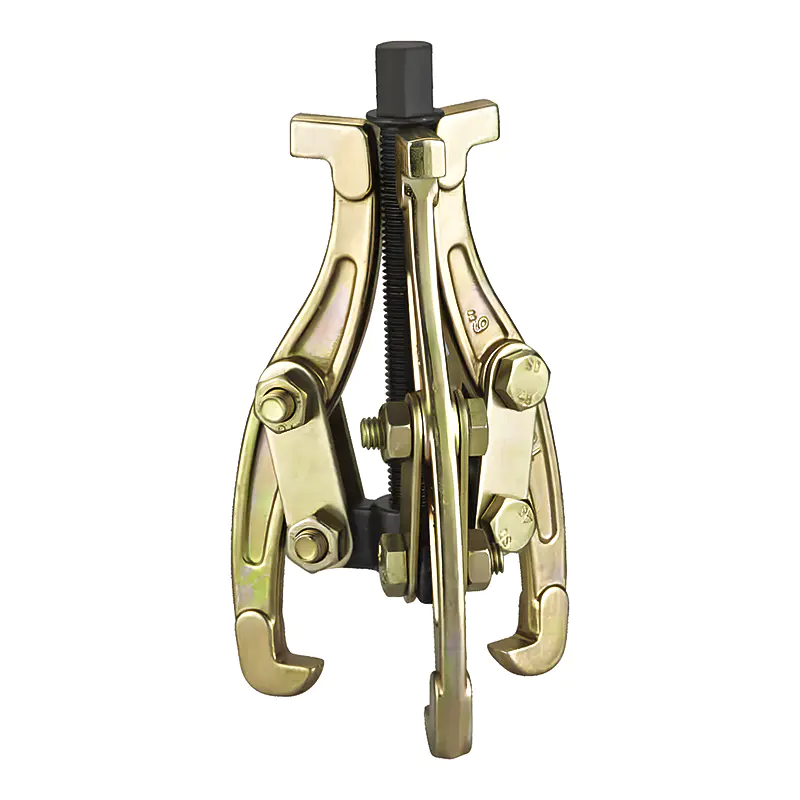
Model: SN0101
-
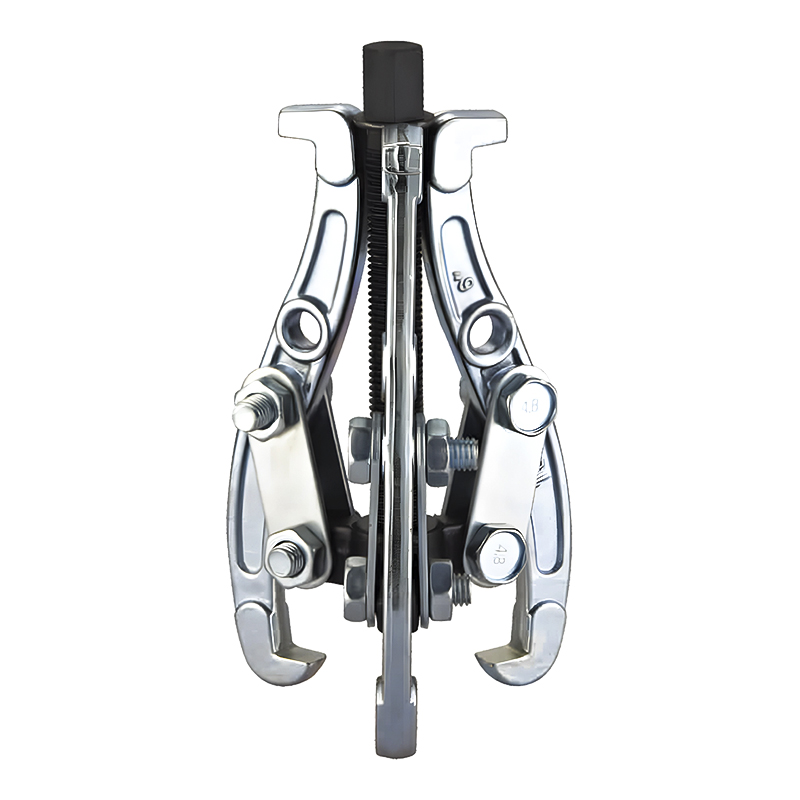
Model: SN0102-1
-
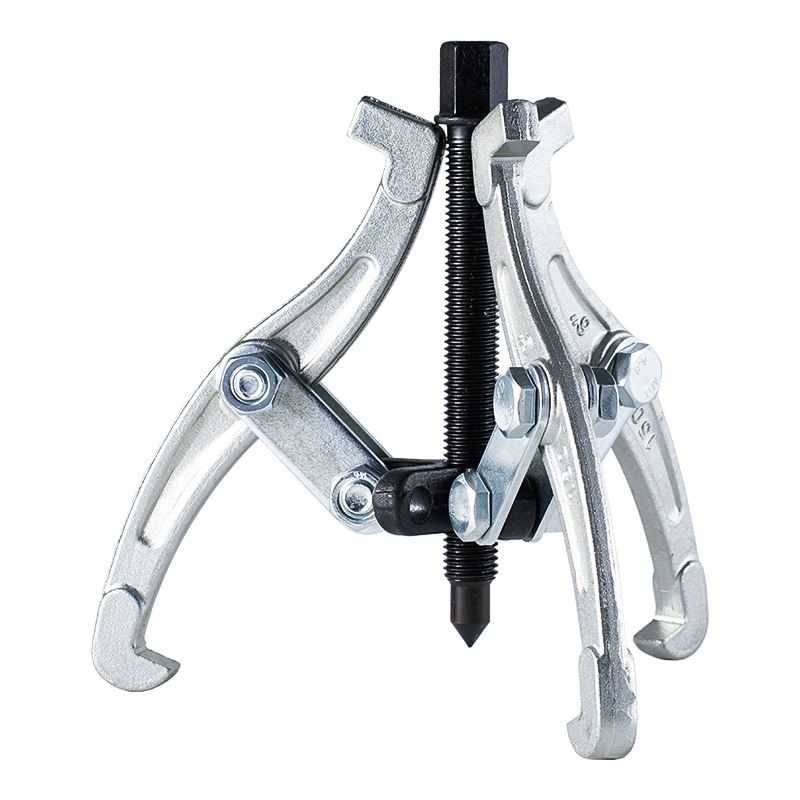
Model: SN0103
-
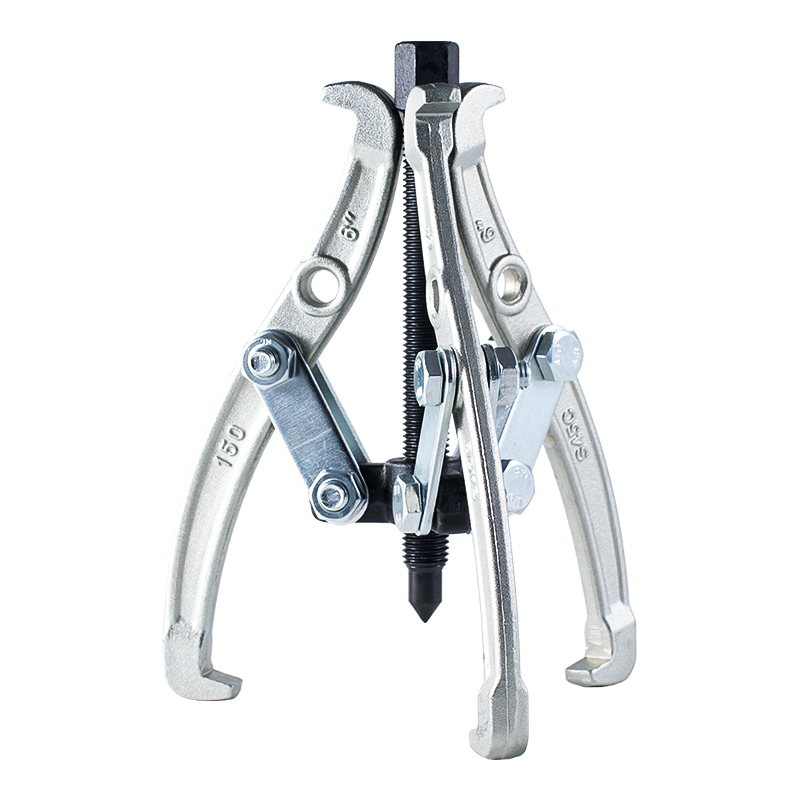
Model: SN0102 SN0107
-
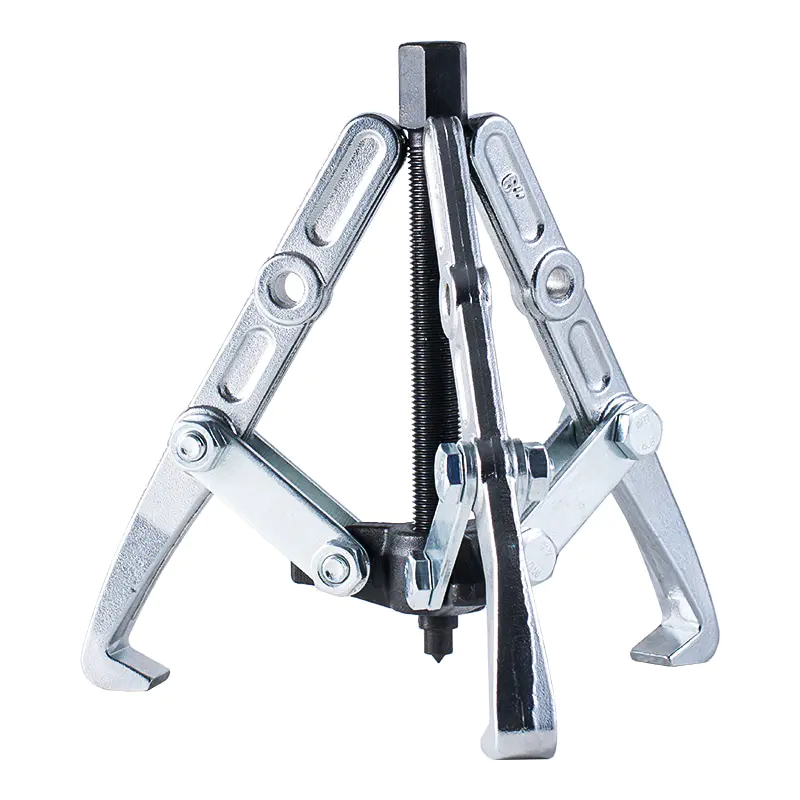
Model: SN0108 SN0109
-
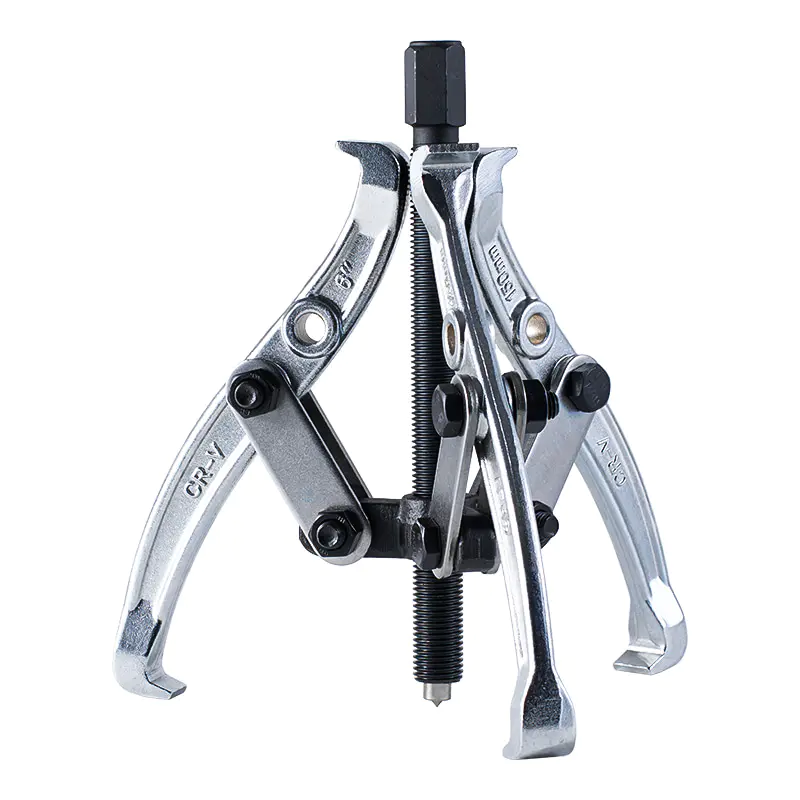
Model: SN0105
-
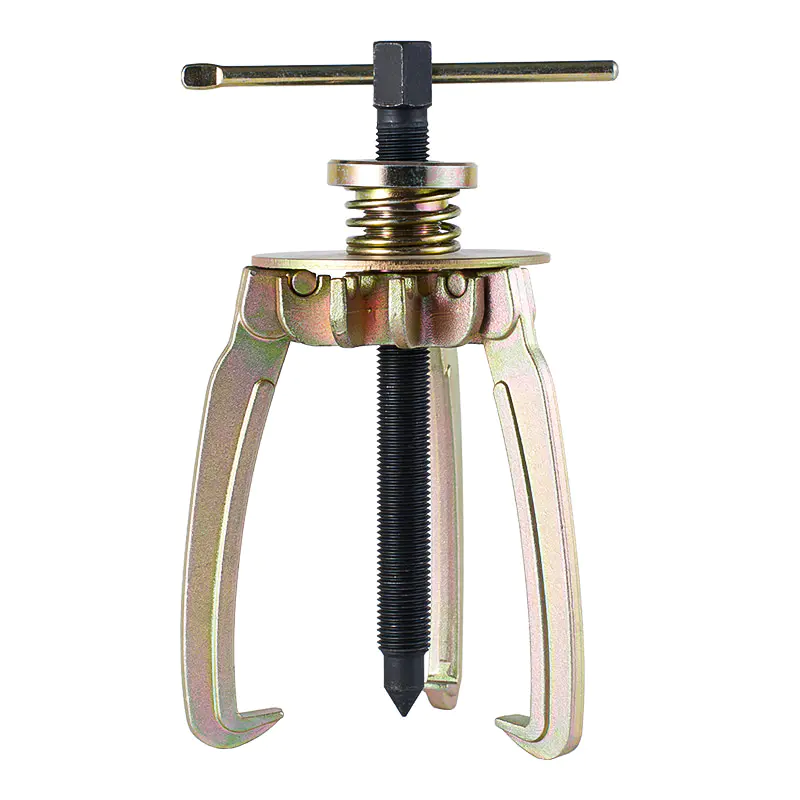
Model: SN0106
-
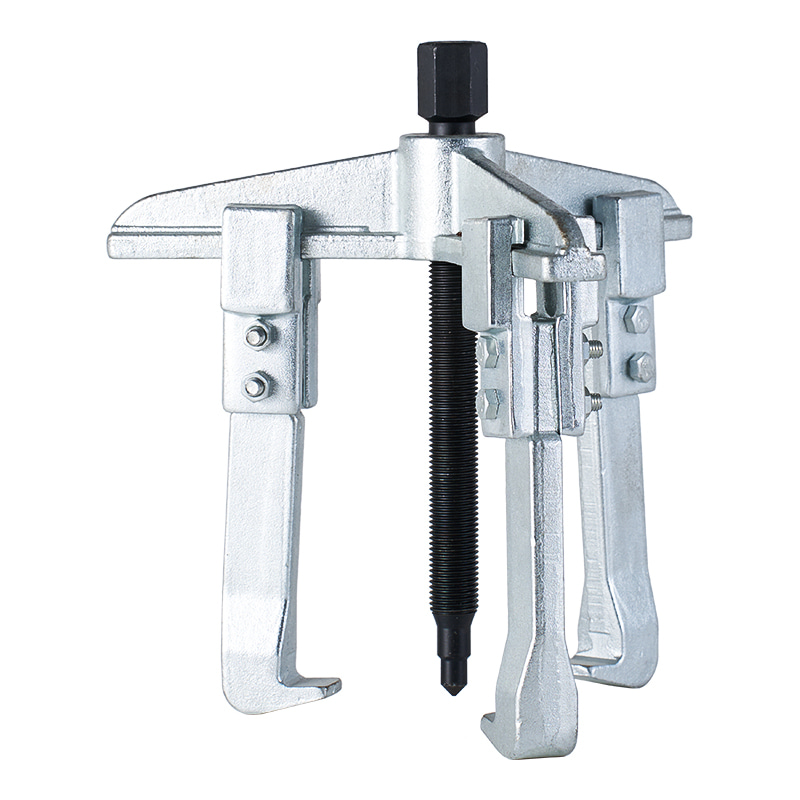
Model: SN0110
-
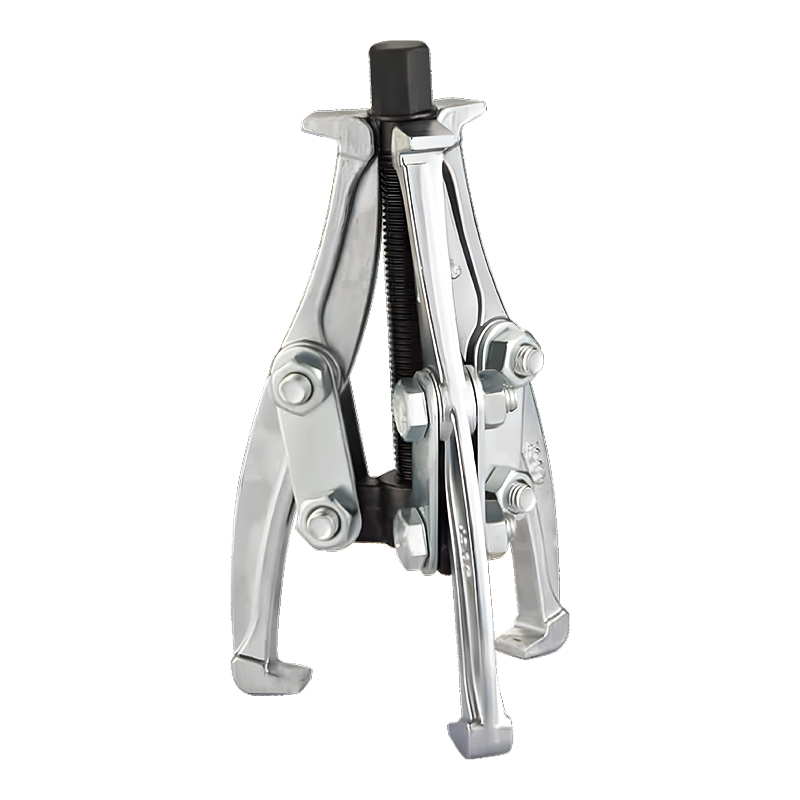
Model: SN0118
-
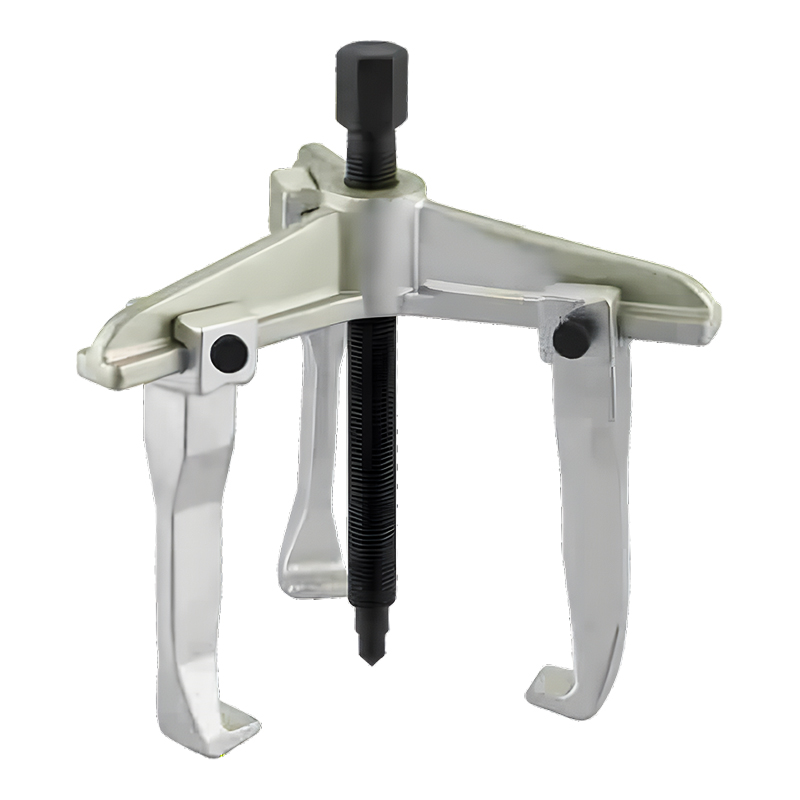
Model: SN0122
-
Model: SN0118-1
Submit feedback
The Place Where Mechanics' Magic Gets Made
2026-03-13
Steel Yards Stacking Possibilities
Walk onto the steel yard of any busy auto tool factory and see future wrenches, sockets, and ratchets stacked in organized rows. Round bars await transformation into screwdriver blades. Flat stock will become wrench blanks after cutting. Coiled wire feeds machines producing pins and springs too small to notice but essential for function. Inventory clerks track every pound, knowing production schedules depend on having right alloys available when machines start running each morning.
Drop Forging Hammers Shake Ground
Inside forging departments, massive hammers rise and fall with thunderous rhythm. Heated steel bars emerge from furnaces glowing orange, then move under dies delivering blows shaping metal permanently. Each strike aligns internal grain structure along component contours, creating strength impossible through other methods. A quality auto tool factory invests in forging despite equipment costs, recognizing that mechanics depend on tools surviving sudden shock loads during real repairs.
Precision Machining Follows
Rough forgings travel to machining centers where excess metal disappears under spinning cutters. CNC programs guide tools through sequences creating drive squares, ratchet mechanisms, and precisely sized openings. Coolant floods cutting zones preventing heat distortion affecting critical dimensions. A modern auto tool factory maintains tolerances measured in thousandths, ensuring sockets fit fasteners without dangerous rounding during high-torque applications.
Heat Treatment Locks Performance
Parts move through furnaces reaching temperatures determined by metallurgical science. Soaking times vary by alloy and component thickness. Quenching baths stop transformation at precise moments. Tempering follows, balancing hardness against toughness for each tool type. A reputable auto tool factory tests samples from every batch, documenting results before releasing parts for further processing.
Surface Finishing Lines Gleam
Tumbling barrels smooth rough edges from machined parts. Polishing wheels create bright finishes on visible surfaces. Plating tanks deposit protective chrome layers resisting workshop corrosion. Some lines apply black oxide coatings preferred by professionals wanting reduced glare. Each surface treatment in a well-run auto tool factory balances protection with appearance matching market expectations.
Assembly Areas Hum With Activity
Workers at assembly stations install pawls and springs into ratchet heads. Screwdriver handles press over blades with adhesive bonds. Socket sets arrange in blow-molded cases holding each piece securely. The organized activity transforms individual components into complete tools ready for shipment to distributors serving mechanics everywhere.
Quality Labs Destroy Samples
Behind glass walls, laboratory technicians intentionally break sample tools from each production batch. Torque machines apply increasing loads until failure, recording maximum forces achieved. Impact testers hammer sockets thousands of cycles. Hardness testers verify heat treatment consistency. This destruction serves higher purpose, confirming tools leaving the auto tool factory meet standards protecting field users from unexpected failure during repairs.
Packaging Lines Prepare Journey
Finished tools travel conveyor belts toward packaging stations. Some receive oil coating preventing transit corrosion. Others slide into blow-molded cases with custom foam inserts. Blister packs seal individual tools for retail display hooks. Labels with barcodes, sizes, and part numbers prepare for inventory systems worldwide. A busy auto tool factory packaging department ships thousands of tools daily toward destinations across continents.
Warehouse Zones Organize World
Completed orders accumulate in warehouse areas organized by destination. European-bound pallets separate from Asian shipments. North American retail customers require different packaging than industrial distributors. Forklift operators load trucks according to shipping schedules, maintaining flow through distribution channels reaching every country where vehicles need repair.
Engineering Works Ahead
Behind production, engineering departments develop next-generation tools responding to mechanic feedback. They study failure patterns from warranty returns, strengthening weak points. They examine new vehicle fasteners requiring different tool configurations. They test materials offering better performance or lower costs. This ongoing development ensures the auto tool factory remains relevant as vehicles evolve and mechanic needs change with advancing technology.

-

Fax: +86-576-82686606
-

Tel: +86-576-82686563
+86-576-82686832 -

E-mail: [email protected]
-

Add: Fengjiang Industrial Park, Luqiao Area,Taizhou City, Zhejiang Province, China
Copyright © 2025 Taizhou Xinming Technology Co., Ltd. All Rights Reserved.

Sale Hardware Tools Factory