

 русский
 Español
 عربى
عربى-
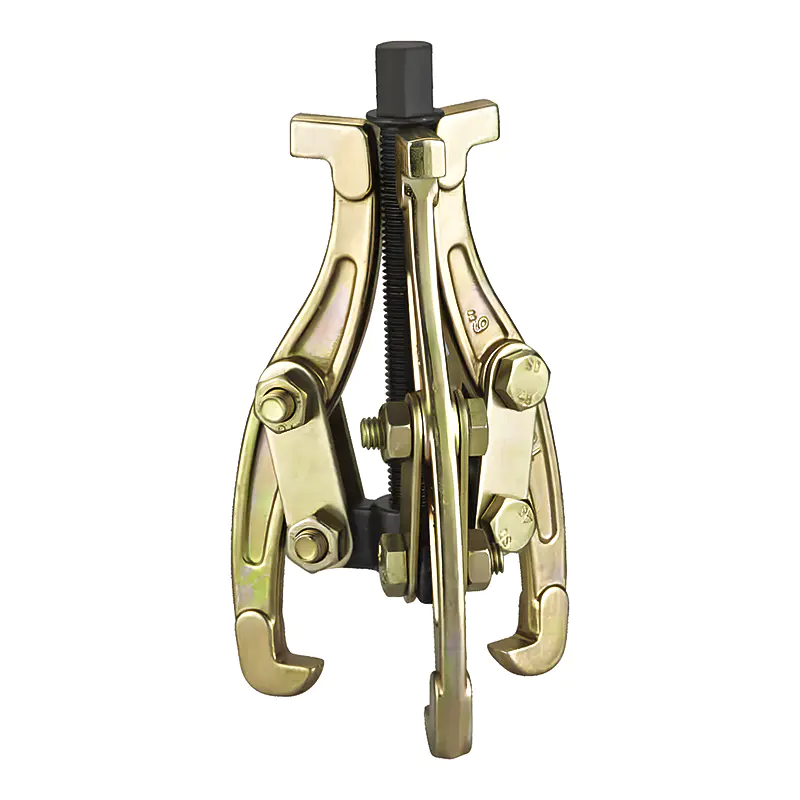
Model: SN0101
-
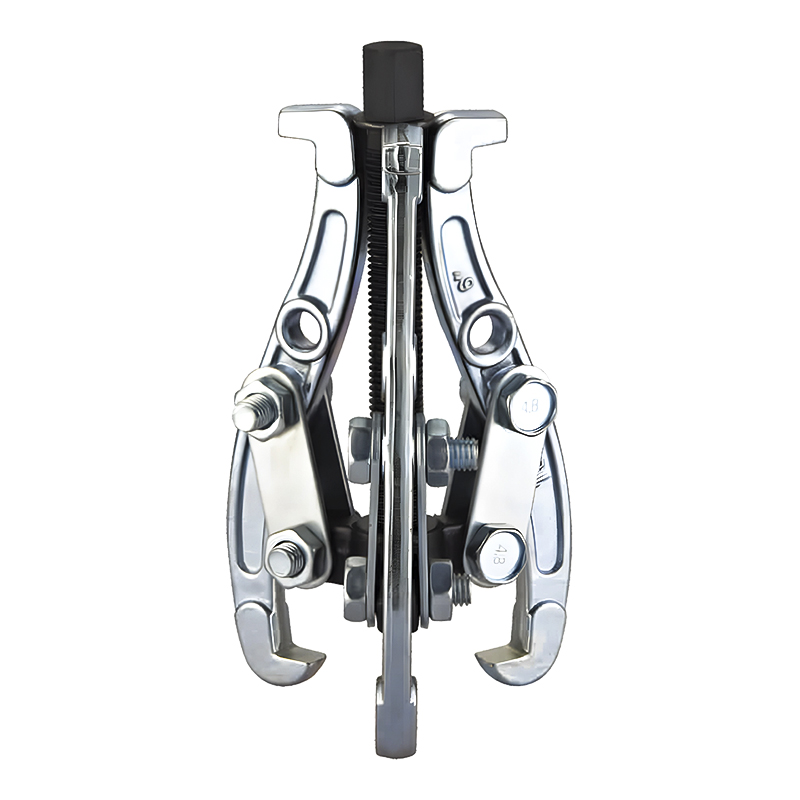
Model: SN0102-1
-
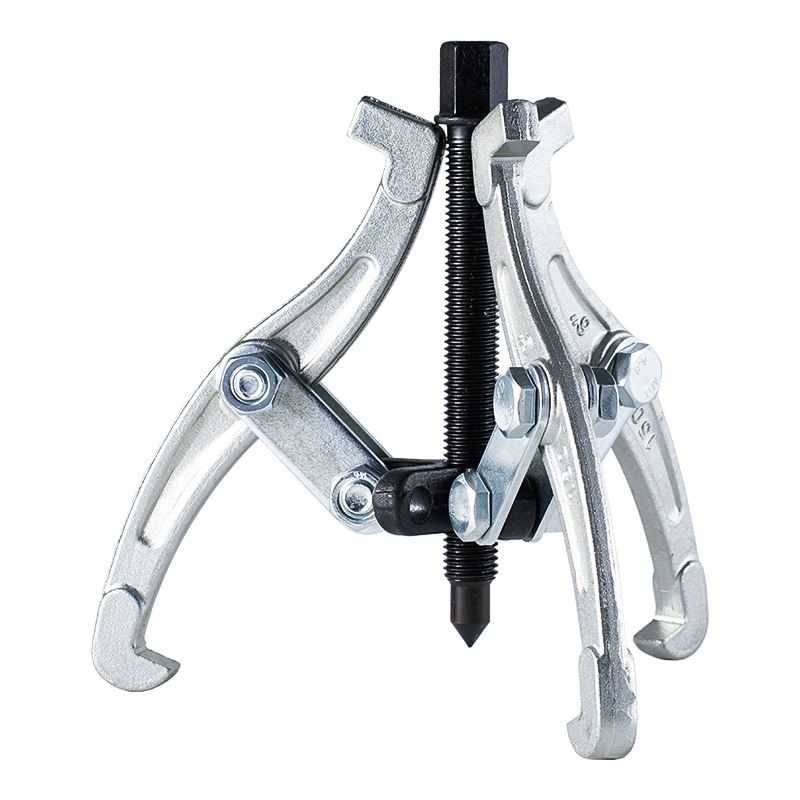
Model: SN0103
-
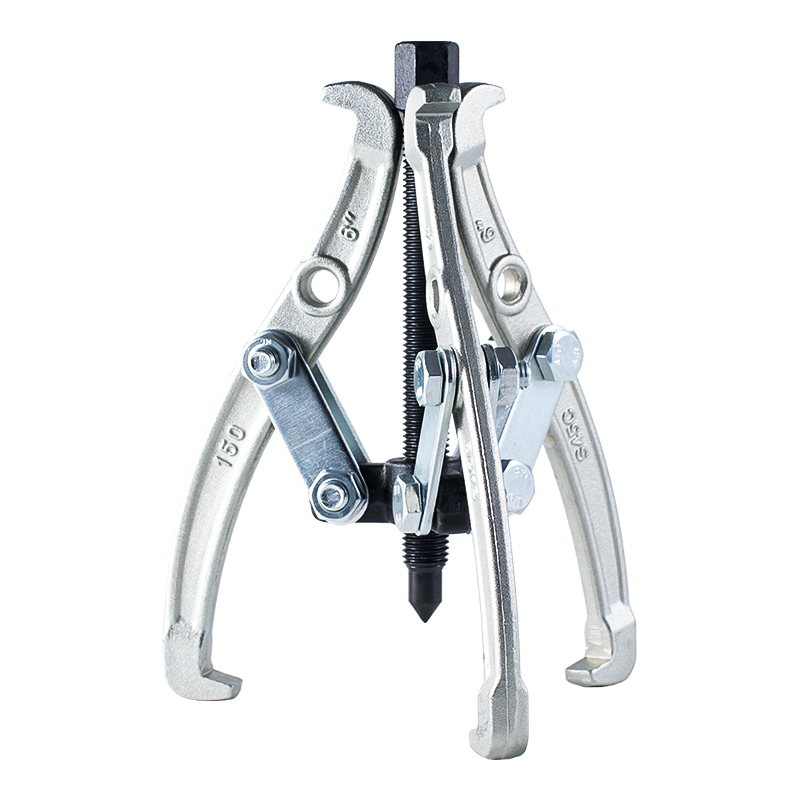
Model: SN0102 SN0107
-
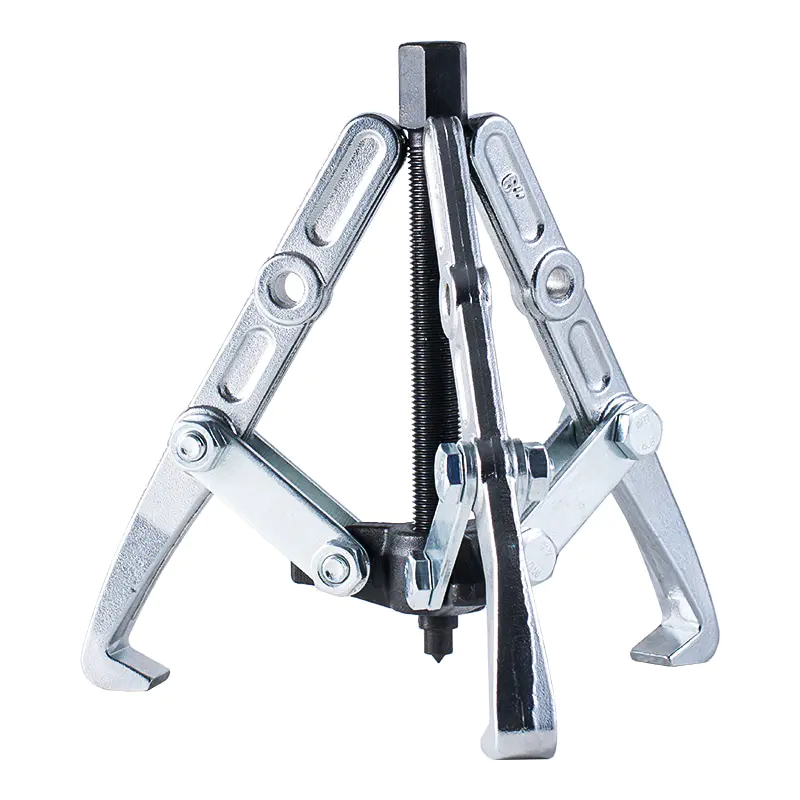
Model: SN0108 SN0109
-
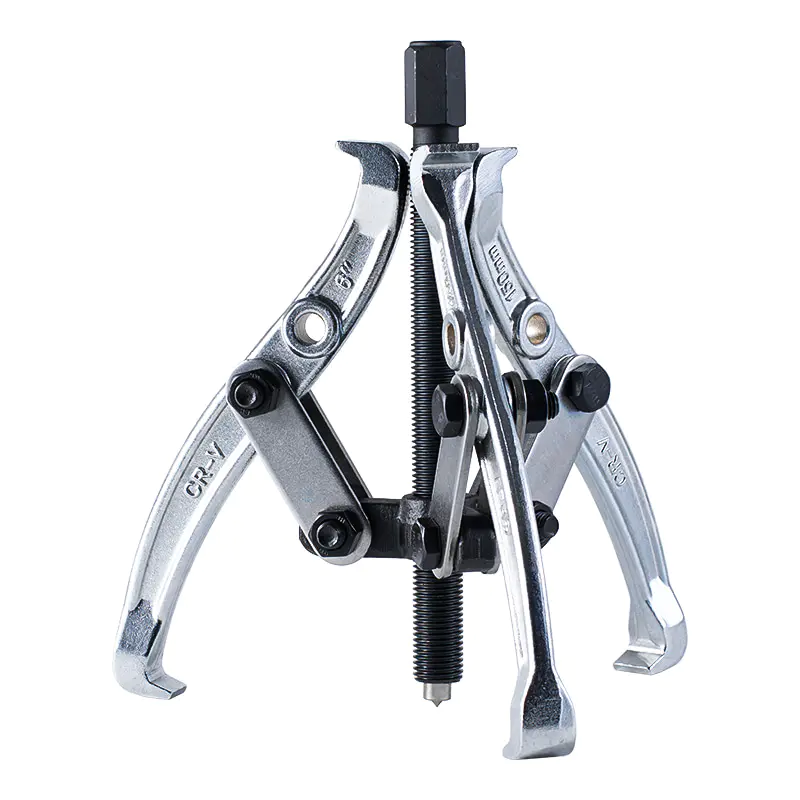
Model: SN0105
-
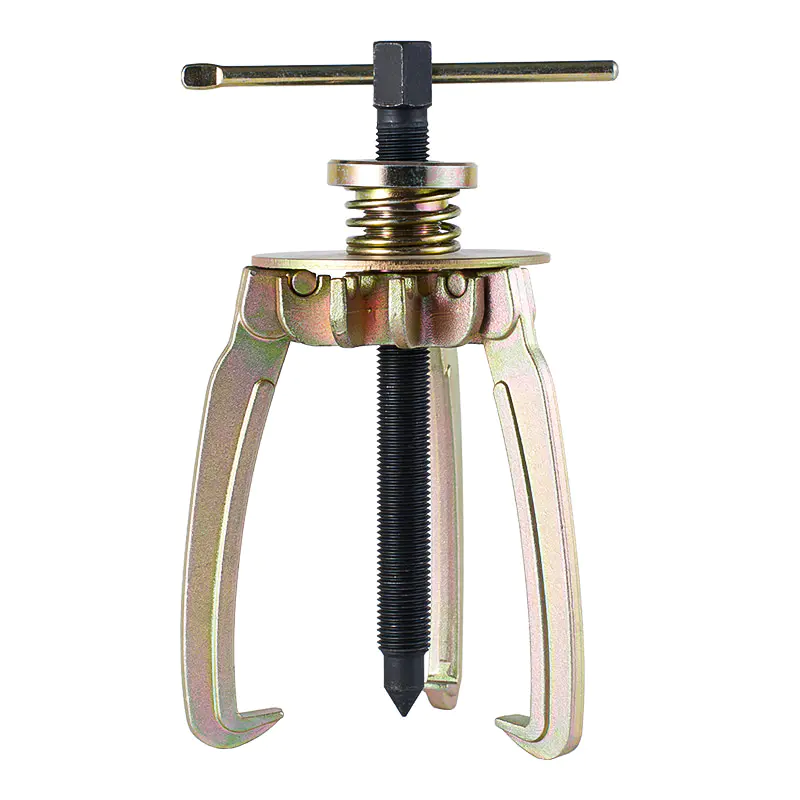
Model: SN0106
-
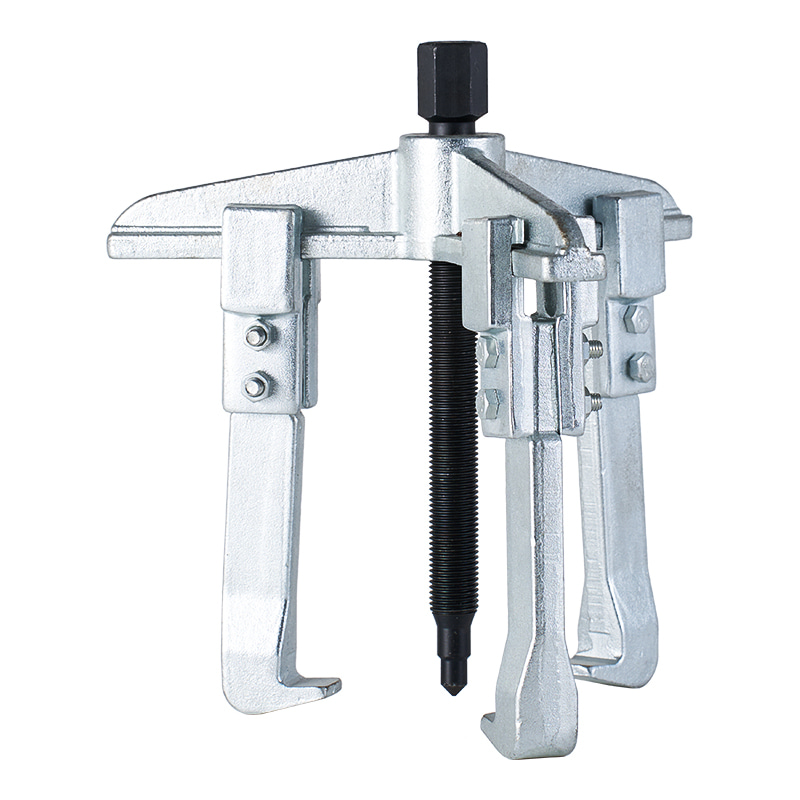
Model: SN0110
-
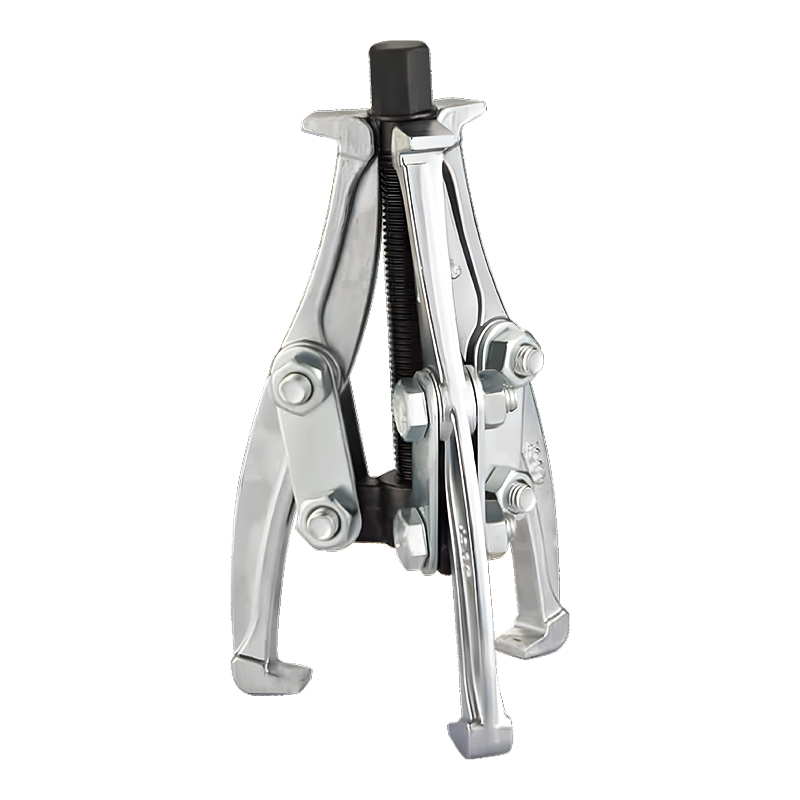
Model: SN0118
-
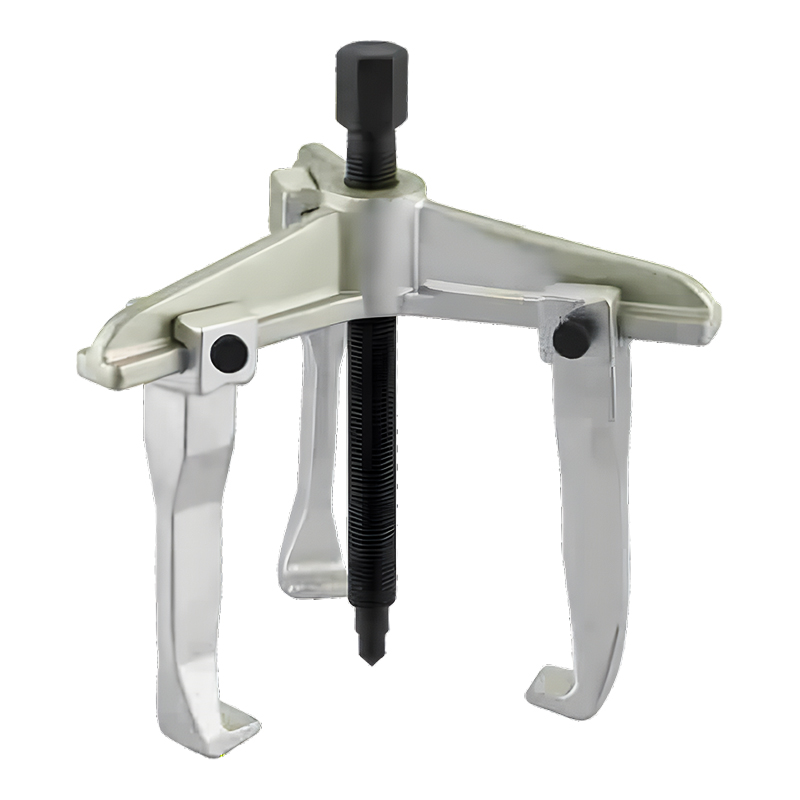
Model: SN0122
-
Model: SN0118-1
Submit feedback
What Is Front Wheel Drive Bearing Tool Kit Used For Repair
2026-07-03
Wheel movement relies on a small component sitting inside the hub area, hidden from direct view yet carrying constant load every time the vehicle rolls. Rotation feels smooth on normal roads when this part keeps stable contact inside the assembly. Once wear begins, movement changes slowly at first, then becomes easier to notice during everyday driving.
A faint humming sound sometimes appears during steady speed. Slight vibration may show up when steering through bends. In some cases, resistance changes when wheels rotate freely during inspection. None of these signs feel dramatic on their own, yet together they often point toward internal bearing wear.
Front wheel drive systems place extra stress on the front hub section. Steering input, braking force, and driving load all pass through the same area. That continuous pressure makes bearing condition a regular maintenance concern rather than an occasional repair topic.
Typical signs linked with bearing condition include:
- Low humming noise during forward movement
- Slight vibration through steering wheel
- Uneven smoothness during wheel rotation
- Noise change when turning direction
Each sign tends to appear gradually, often blending into normal driving feel before becoming more obvious.
What Front Wheel Drive Bearing Tool Kit Is Designed For
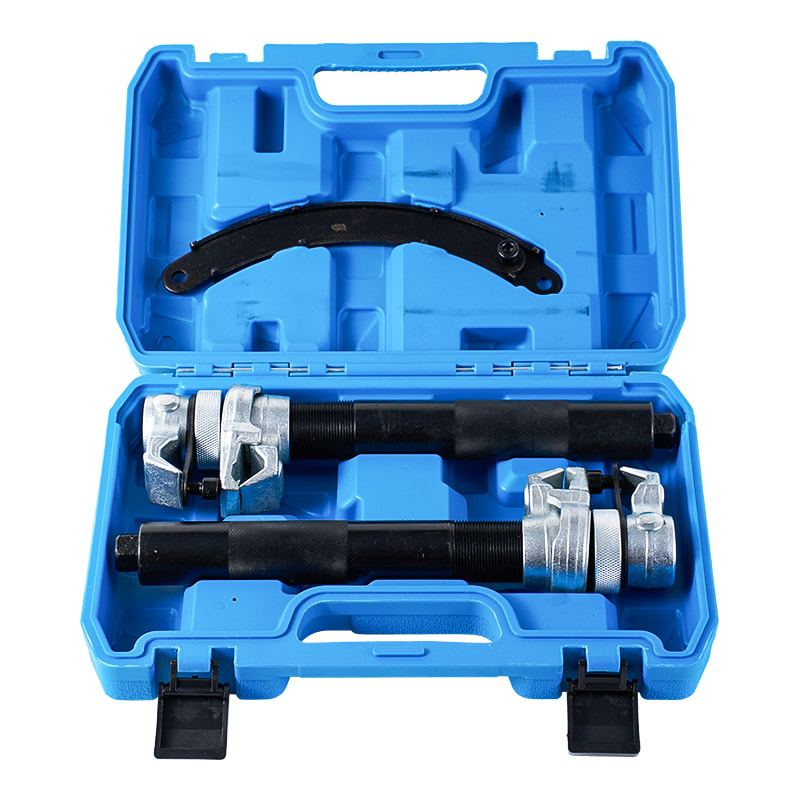
A Front Wheel Drive Bearing Tool Kit is used during removal and installation of wheel bearings inside hub assemblies. Bearing fit inside the hub is usually tight, designed to stay fixed under load. That tight fit creates a challenge during service work, since force needs to be applied in a controlled direction.
Instead of applying impact from random points, the kit guides pressure along a straight path. That helps keep bearing and hub surfaces aligned during movement. Control of force direction becomes more important than force strength itself.
A typical set includes several working parts:
- Press sleeves for different bearing sizes
- Alignment adapters for hub positioning
- Threaded press components for controlled pressure
- Support plates that stabilize assembly during operation
Each piece plays a simple role. Together, they replace uncontrolled force with guided movement inside the hub structure.
General tools may move parts, though lack of alignment support can increase risk of uneven seating. Dedicated kits focus more on balance during pressing rather than speed of removal.
How Technicians Select Suitable Tool Configurations
Wheel hub structure changes from one vehicle design to another, even when general layout looks similar from outside. Bearing size, seating depth, and clearance space inside the hub all influence how pressing tools are arranged during repair.
In real workshop conditions, selection often starts from simple physical matching. Adapter size must fit bearing diameter without forcing contact. Press sleeve length needs to match hub depth so force travels in a straight line. Small mismatch may shift pressure path and affect seating position.
Technicians usually check:
- Inner diameter of bearing seat
- Outer ring contact area
- Hub depth before pressing
- Clearance around axle area
Once matching is correct, pressing work becomes more stable. Wrong configuration often shows itself during operation, not before. Slight resistance change or uneven movement may appear while force is applied.
Different hub designs also change how tool components are combined. Some assemblies need longer extension parts, while others work better with shorter, more compact setups. Selection depends more on physical structure than model name or category.
How Regular Maintenance of Tools Supports Repair Consistency
Tool condition affects repair behavior more than expected. Pressing surfaces gradually collect grease, fine metal particles, and residue from repeated bearing contact. If not cleaned, small buildup may change how force spreads during next use.
Surface wear also develops slowly. Slight marks on pressing edges can influence alignment accuracy. Even minor unevenness may shift pressure direction during installation stage.
Basic maintenance practices often include:
- Cleaning pressing surfaces after each repair
- Removing grease and metal residue
- Checking adapter edges for wear marks
- Keeping components separated during storage
Storage method also influences tool stability. Components placed without organization may develop small contact marks over time. Keeping parts aligned helps maintain consistent shape during repeated use.
What Happens in Daily Driving After Proper Bearing Repair
Once bearing installation is completed with stable alignment, wheel movement returns to a smoother condition during normal driving. Rotation feels more even, especially during steady speed travel. Steering response also becomes more predictable because wheel hub movement stays balanced under load.
Road vibration passes through suspension instead of uneven wheel rotation. That difference is often noticed during longer driving sessions rather than short trips.
In practical use, properly installed bearings support:
- Stable wheel rotation under load
- Reduced vibration during straight driving
- More consistent steering response
- Lower irregular sound during movement
Changes are usually subtle at first. Driving feel becomes smoother rather than dramatically different. That gradual change is common in components related to rotation and load distribution.
How Workshop Practice Connects to Everyday Vehicle Use
Bearing replacement work in workshop settings directly affects driving comfort later on. Small alignment differences during installation can influence how wheel behaves under real road conditions. That connection is often overlooked because repair work and driving experience feel separate, though they are closely linked.
When pressing force stays balanced and hub seating remains aligned, wheel movement becomes more stable under repeated load cycles. That stability shows during daily use such as city driving, turning corners, and uneven road surfaces.
| Repair Quality | Wheel Behavior | Driving Effect |
|---|---|---|
| Stable alignment | Even rotation | Smooth driving feel |
| Slight misalignment | Irregular contact | Light vibration |
| Uneven seating | Load imbalance | Noise variation |
Why Bearing Repair Relies on Controlled Movement
Bearing work does not depend on force alone. Controlled movement through alignment and pressure direction determines how well component sits inside hub housing. Once bearing is pressed in correctly, it becomes part of wheel structure and continues working under constant load.
Uncontrolled impact methods often create hidden stress points. Those points may not appear during installation but can influence long-term rotation behavior.
Controlled pressing through a Front Wheel Drive Bearing Tool Kit supports straight movement, stable seating, and predictable alignment inside hub structure.
In everyday workshop practice, repair quality often becomes visible only after vehicle returns to road use, where wheel rotation, noise level, and steering feel reflect installation accuracy.

-

Fax: +86-576-82686606
-

Tel: +86-576-82686563
+86-576-82686832 -

E-mail: [email protected]
-

Add: Fengjiang Industrial Park, Luqiao Area,Taizhou City, Zhejiang Province, China
Copyright © 2025 Taizhou Xinming Technology Co., Ltd. All Rights Reserved.

Sale Hardware Tools Factory