

 русский
 Español
 عربى
عربى-
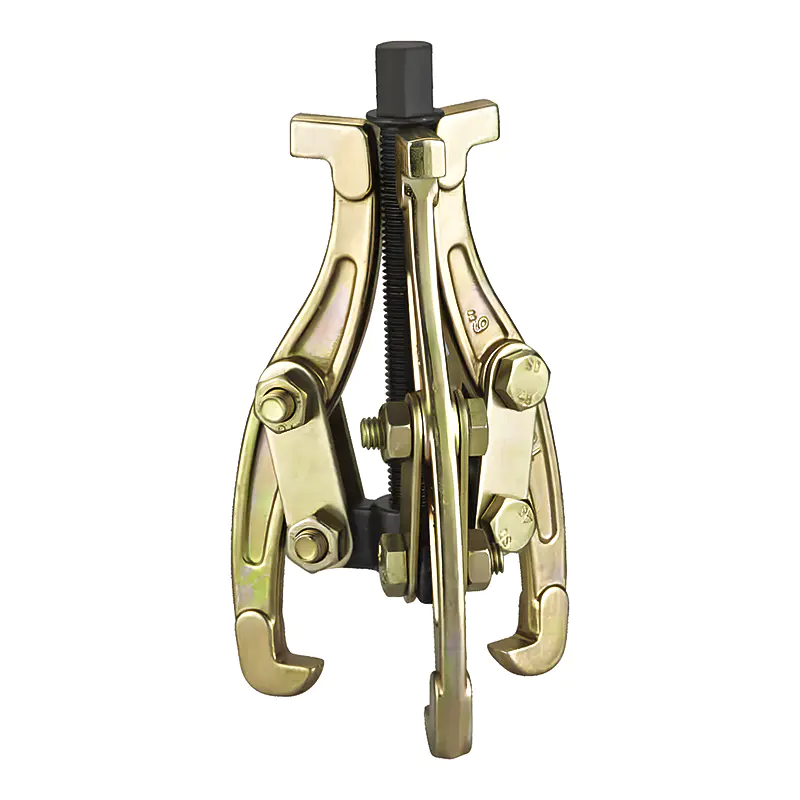
Model: SN0101
-
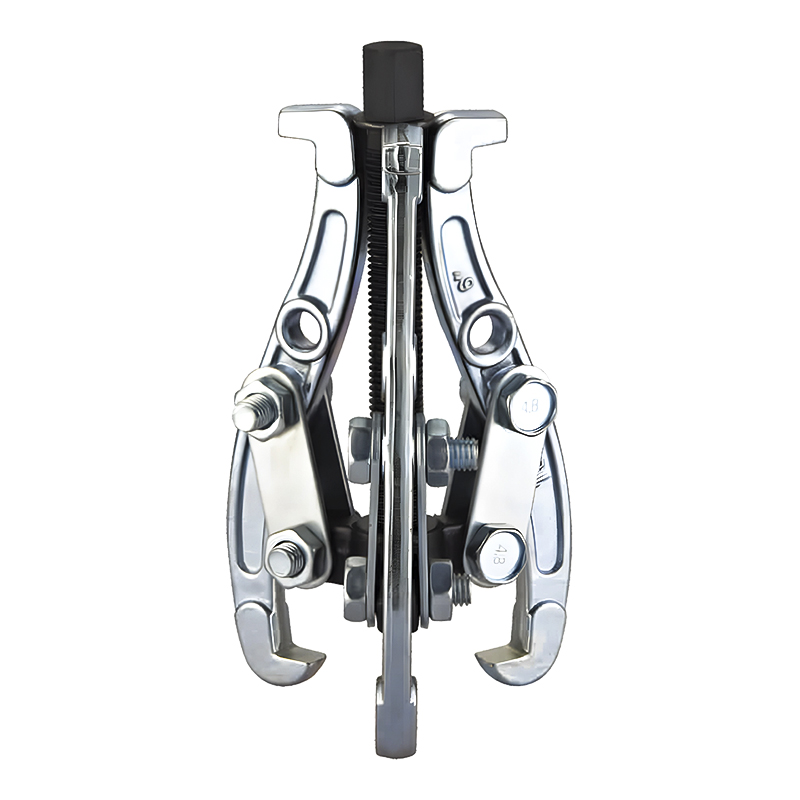
Model: SN0102-1
-
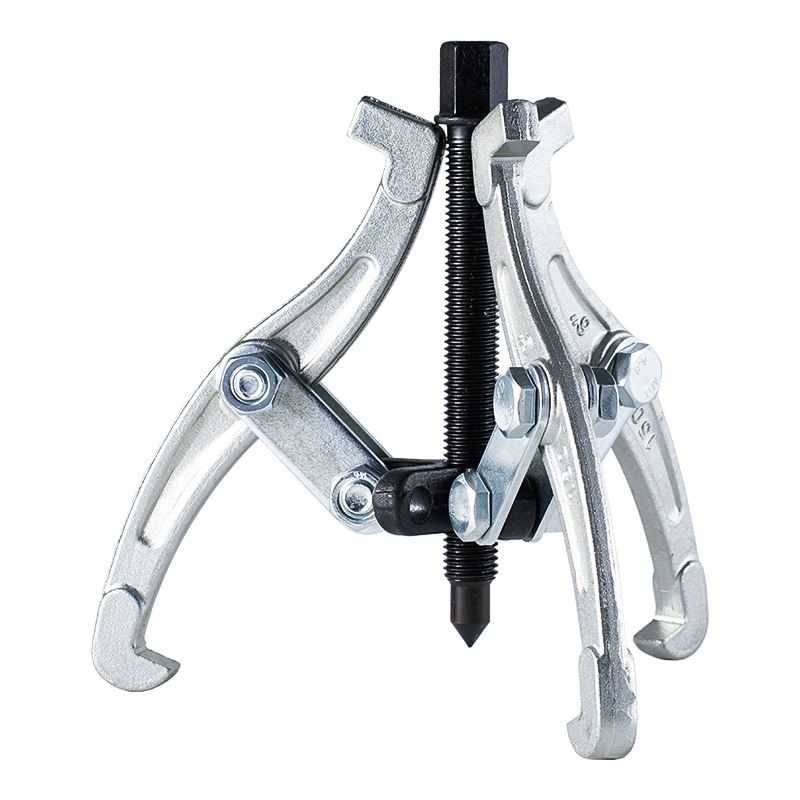
Model: SN0103
-
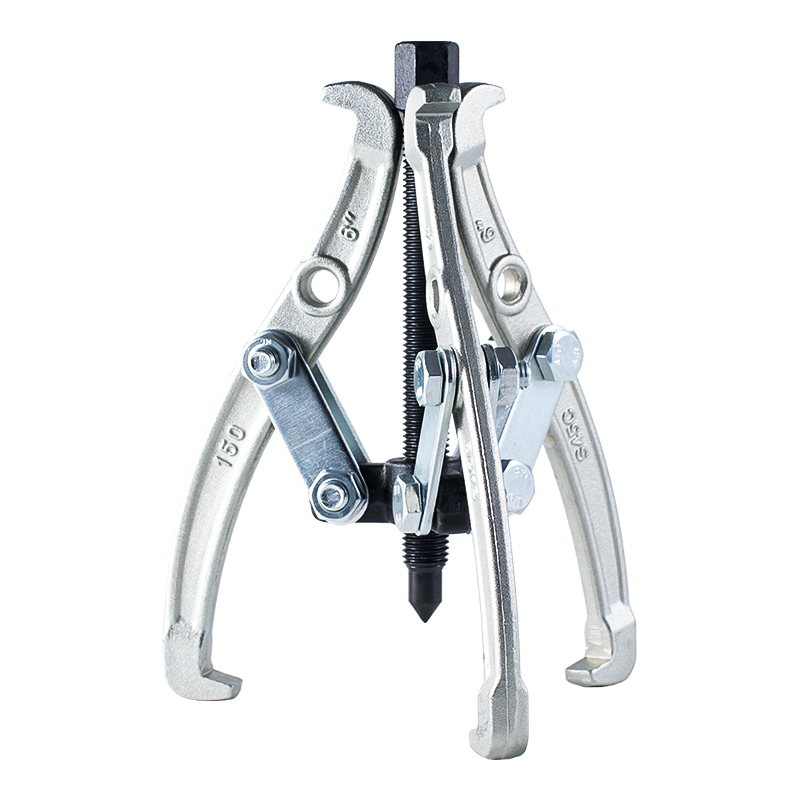
Model: SN0102 SN0107
-
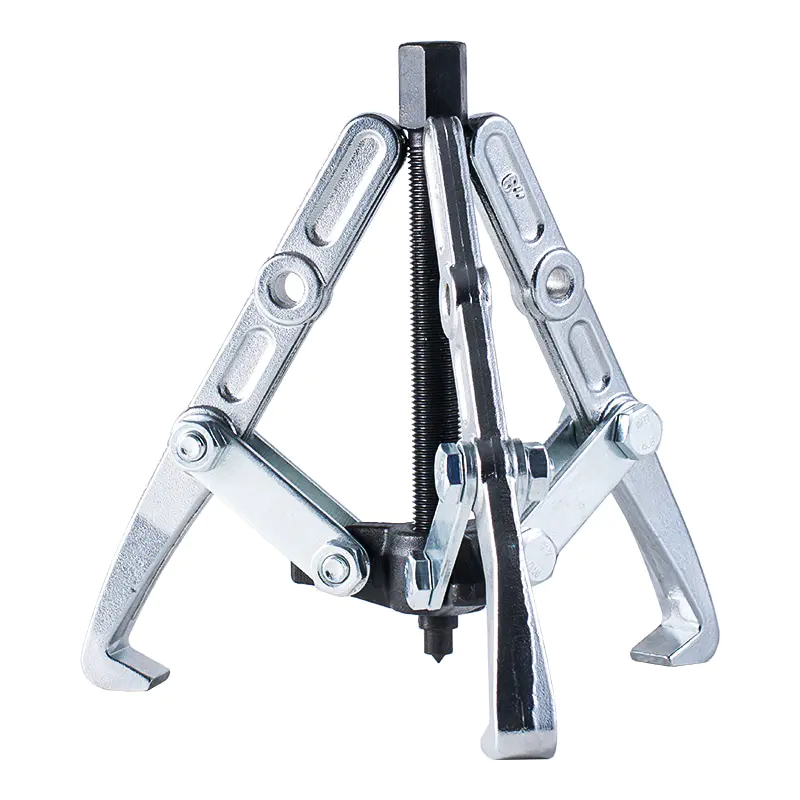
Model: SN0108 SN0109
-
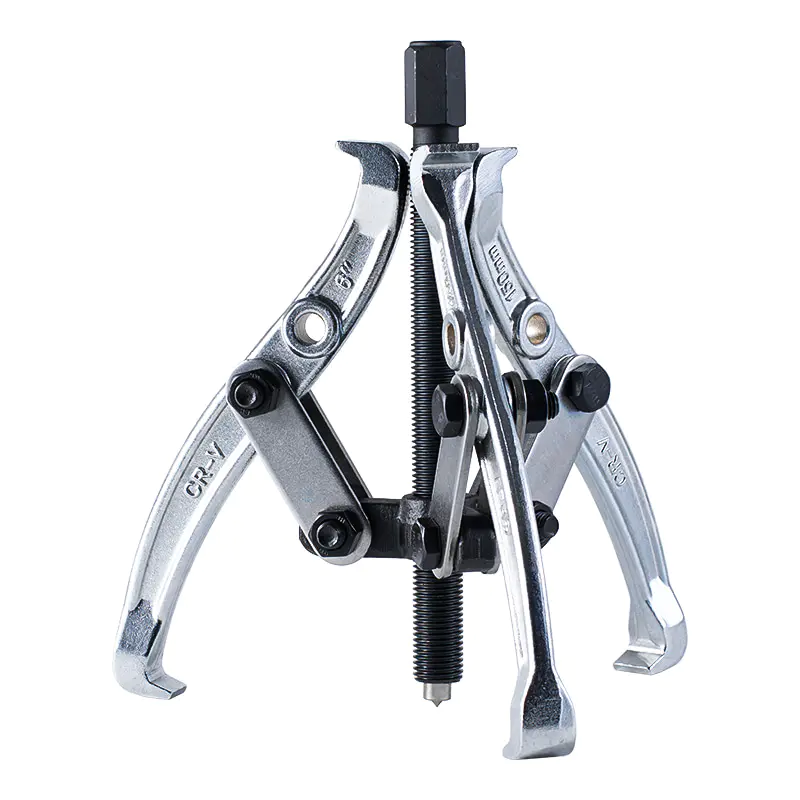
Model: SN0105
-
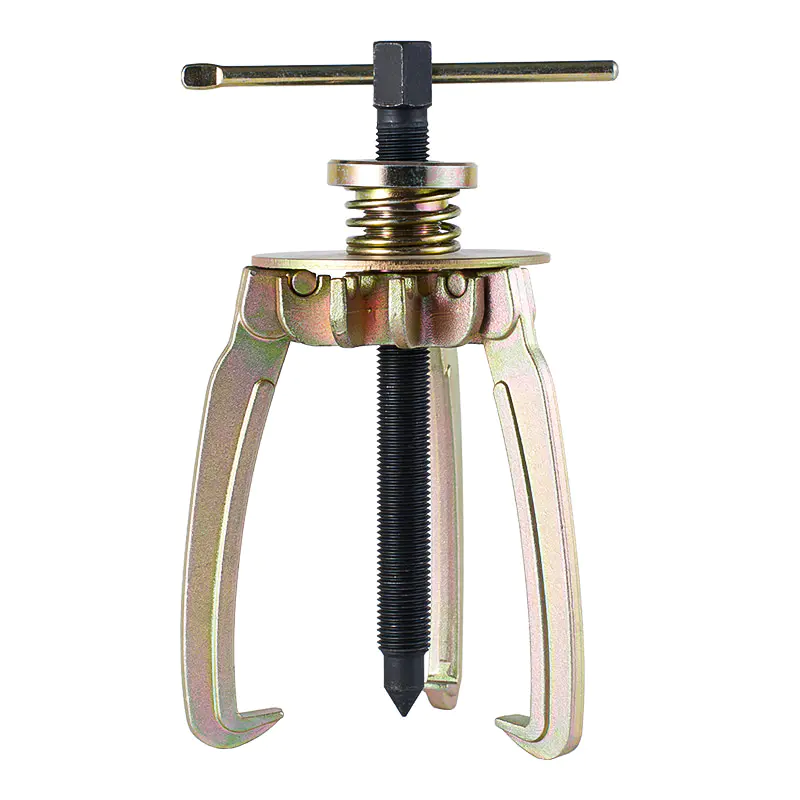
Model: SN0106
-
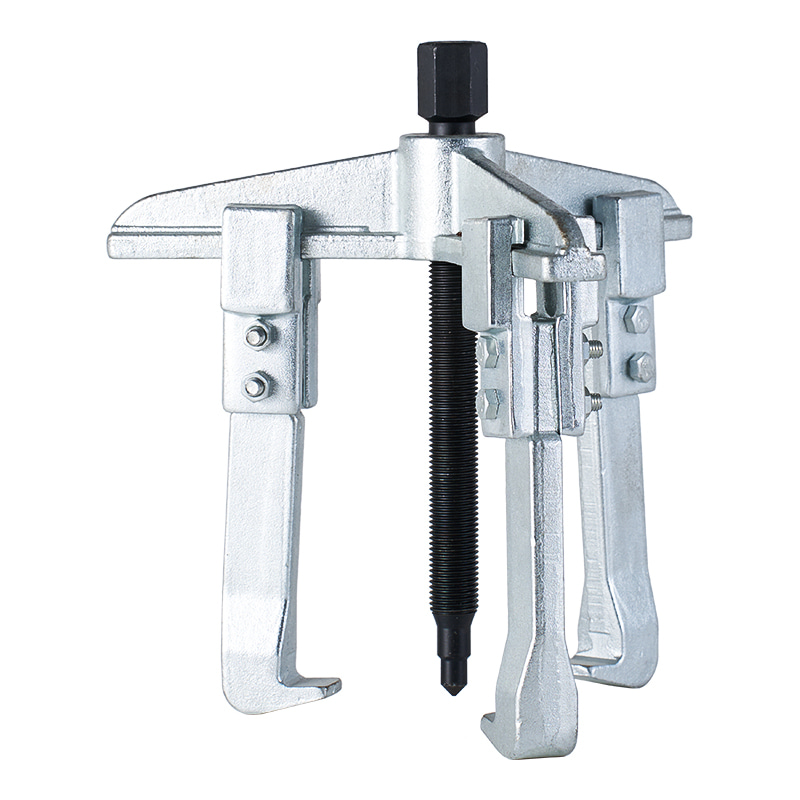
Model: SN0110
-
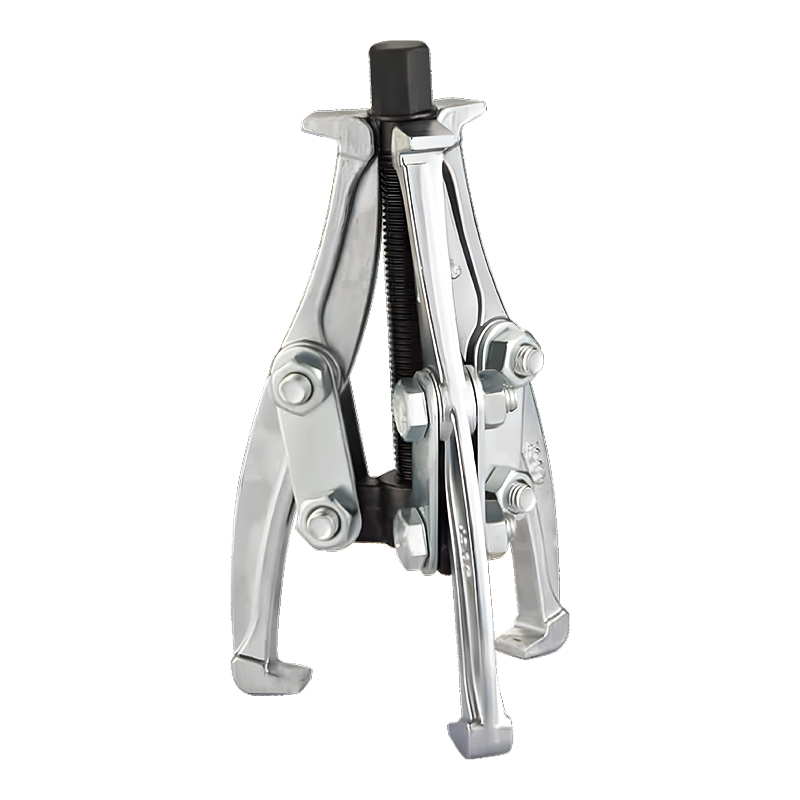
Model: SN0118
-
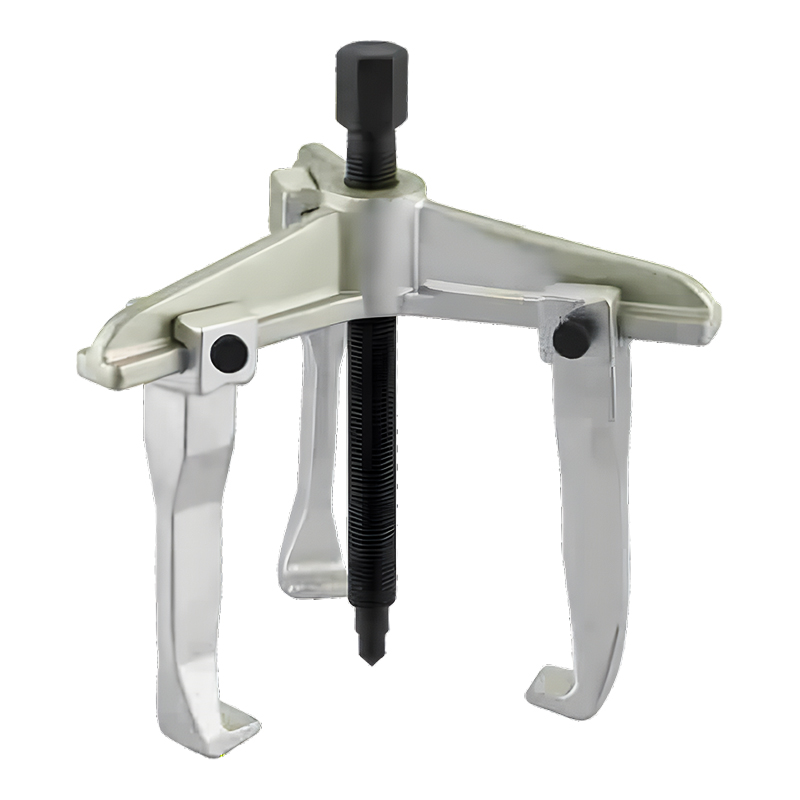
Model: SN0122
-
Model: SN0118-1
Submit feedback
How To Combine Puller Tool Set And Bearing Tools For Efficiency
2026-06-26
Mechanical maintenance often requires removing parts that fit tightly together. Bearings, gears, and pulleys are pressed onto shafts or into housings. These parts do not come off easily. They require force to remove. A Puller Tool Set provides that force.
A puller works by gripping the part to be removed. The gripping happens through jaws or arms. A forcing screw applies pressure against the shaft or housing. The screw pushes while the jaws pull. The part comes free from its position.
The Puller Tool Set includes various components. Different jaws accommodate different part sizes. Different screws provide different pulling capacities. The set allows the mechanic to match the tool to the task. A Puller Tool Set covers many removal jobs.
The principle behind pullers is straightforward. The tool applies force in a controlled manner. The force removes the part without damage. The alternative is hammering or prying. Hammering damages parts and creates safety hazards.
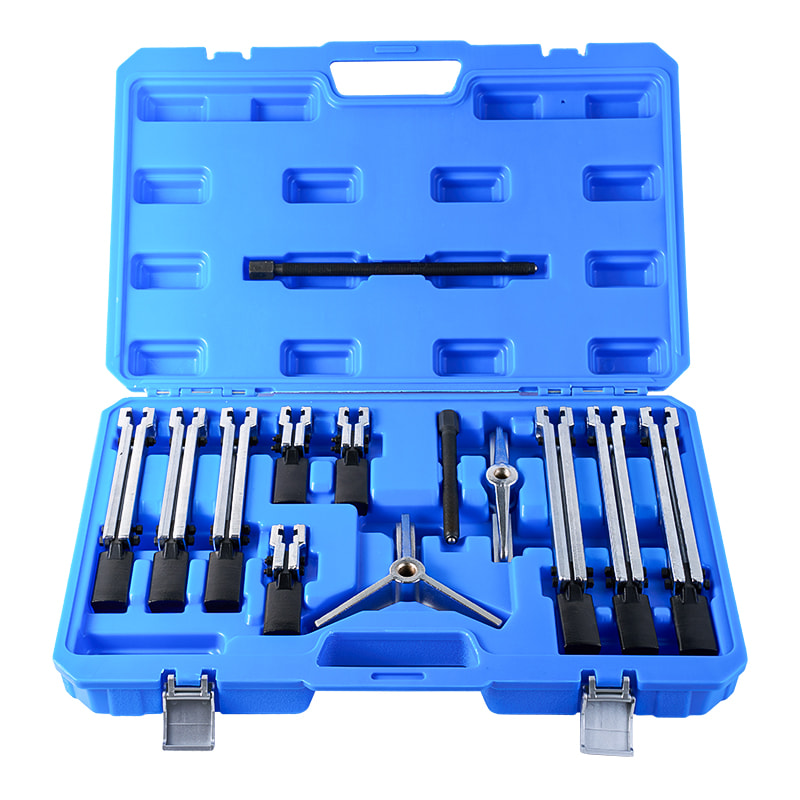
What Role Does a 2 Jaw Puller Set Play in Pulling Operations
The two-jaw puller serves many common removal tasks. The jaws fit around the outer edge of the part. The jaws grip the part from the outside. The forcing screw pushes against the shaft. The part gets pulled off.
The 2 jaw puller set works well for removing pulleys. The jaws grip the pulley rim. The screw pushes against the shaft. The pulley slides off. The operation is quick and controlled.
The two-jaw design also works for gears. The jaws grip the gear body. The screw pushes on the shaft. The gear comes off. The gear does not get damaged. A 2 jaw puller set provides a reliable removal method.
The limitations of two-jaw pullers appear with certain parts. Three-jaw pullers provide better grip distribution. Two-jaw pullers work best when the part shape allows good jaw engagement. The correct puller type matters for each job.
Why Combine Pullers With Other Bearing Tools
Pulling is only part of bearing work. Removing the old bearing is one step. Installing the new bearing is another. Pullers handle the removal. Installation tools handle the placement. The combination works together.
The efficiency comes from having the right tools. The mechanic does not need to improvise. The tools fit the task. The job goes faster. The Puller Tool Set provides removal capability.
Bearing separators assist in pulling operations. The separator fits behind the bearing. The puller jaws grip the separator. The separator applies force evenly. The bearing comes off without damage.
Installation tools complete the process. The new bearing needs to be seated properly. The installation tool applies even force. The bearing goes in straight. The combined tool set supports the whole bearing replacement cycle.
| Tool Type | Function | When Used |
|---|---|---|
| 2 jaw puller set | Removes external parts | Extraction |
| 3 jaw puller set | Removes parts with even grip | Extraction |
| Bearing separator | Accesses behind bearings | Extraction |
| Bearing installer | Seats new bearings | Installation |
| Hydraulic puller | Removes stubborn parts | Heavy extraction |
How Do Pullers Apply Force to Remove Fitted Parts
The forcing screw provides the pulling force. The screw turns against a center point. The center point sits on the shaft or housing. The turning motion creates linear force. The force moves the jaws away from the center.
The jaws transfer the force to the part. The grip must be secure. Slipping jaws cause problems. The part may be damaged. The mechanic may be injured. Proper setup prevents slipping.
The force application should be even. Uneven force can distort the part. The distortion may make removal harder. The part may be damaged permanently. A Puller Tool Set with proper jaw alignment provides even force.
The puller capacity should match the part. Too little force will not remove the part. Too much force may break the tool or part. The puller should be sized for the job. Proper capacity ensures successful removal.
What Bearing Tools Commonly Accompany Puller Sets
Bearing separators work alongside pullers. The separator fits behind the bearing. The puller jaws grip the separator. The separator pulls the bearing evenly. The bearing comes off without damage.
Bearing puller attachments extend the puller capability. The attachments fit different bearing types. The attachments adapt the puller to specific tasks. The Puller Tool Set covers more applications.
Installation tools complete the bearing work. The installer drives the bearing onto the shaft. The installer applies force evenly. The bearing seats properly. The installation is done without damage.
Measurement tools support bearing work. Calipers measure the shaft and housing. The measurements ensure proper fit. The bearing works correctly. The tools support quality work. A 2 jaw puller set works with these tools.
How Do Pullers and Bearing Tools Work Together in Practice
A bearing replacement job follows a clear sequence. The old bearing has to come out before anything new goes in. Pullers handle the removal side of the work. Installation tools handle the placement side. The two types of tools support each other throughout the process.
The job begins with access to the bearing. Surrounding parts may need removal first. Guards, covers, and other components get taken off. The shaft or housing becomes exposed. The mechanic can now reach the bearing.
Setting up the puller comes next. The jaws get positioned around the bearing. The forcing screw gets placed against the shaft. The setup must be secure. A 2 jaw puller set grips the bearing from the outside. The jaws must sit evenly for proper force distribution.
Turning the forcing screw applies the pulling force. The screw pushes against the shaft. The jaws pull on the bearing. The bearing slides off the shaft. The old bearing is now free. The shaft surface gets cleaned and inspected for damage.
Installation tools now take over. The new bearing gets positioned on the shaft. An installation tool fits over the bearing. The tool applies force evenly around the bearing. The bearing slides into place. The bearing seats against the shoulder.
The coordinated use of pullers and installation tools saves time. The mechanic has everything needed. The Puller Tool Set and installation tools work as a system. Each tool handles its part of the job. The bearing replacement is completed efficiently.
What Safety Considerations Apply to Puller and Bearing Tool Use
Puller work involves significant force. The forcing screw creates high mechanical advantage. The force can release suddenly if something slips. Mechanics should follow safety practices to prevent injury.
Proper jaw positioning is important. The jaws must grip the part securely. A good grip prevents sudden slippage. The mechanic should check the grip before applying force. Loose jaws can cause the puller to come off unexpectedly.
The center point must be stable. The point sits against the shaft or housing. A stable point keeps the force aligned. A slipping point changes the force direction. The puller may shift position. Mechanics should verify the point before applying load.
Several safety practices apply to puller use.
- Safety glasses protect the eyes from flying parts
- Gloves protect the hands from sharp edges
- The work area should be clear of other people
- The mechanic should stand to the side during pulling
- Excessive force should be avoided
A 2 jaw puller set with well-maintained components offers safer operation. Worn jaws or damaged screws increase the risk of failure. Regular inspection of tools supports safe use.
How Does Tool Quality Affect Pulling and Bearing Operations
The quality of a tool determines how well it performs. A well-made puller applies force correctly. A poorly made tool may fail under load. The failure can cause damage or injury.
Jaw strength is important. The jaws carry the entire pulling load. Weak jaws can bend or break. The part may not come off. The mechanic may need to try another method. Quality jaws stay straight under load.
The forcing screw must be durable. The screw carries high loads repeatedly. The threads must hold up to the stress. Stripped threads make the tool useless. A hardened steel screw lasts longer than a softer one.
Tool finish affects operation in several ways.
- A smooth finish reduces friction during use
- Proper heat treatment prevents deformation
- Accurate machining ensures proper fit
- Quality materials resist corrosion
- Good finish makes tools easier to clean
A Puller Tool Set from a reliable source offers consistent quality. The tools perform as expected. The mechanic can focus on the job rather than the tools.
What Maintenance Practices Extend Puller and Bearing Tool Life
Tools need regular care to stay in good condition. Pullers and bearing tools are no exception. A few simple practices keep them working well.
Cleaning comes after each use. Dirt and oil accumulate on the tools. The dirt can cause corrosion. The oil can attract more dirt. A clean tool works better and lasts longer. Wiping down the tools with a clean cloth removes the residue.
Jaw inspection catches wear early. The jaw tips may become rounded over time. Rounded tips do not grip as well. The jaws may slip under load. Sharp jaw tips provide better grip. The mechanic should check the jaws regularly.
The forcing screw needs attention as well.
- Lubricate the threads to reduce friction
- Check for thread damage or wear
- Clean the screw after each use
- Store the screw separately to prevent damage
- Replace the screw if threads become worn
Storage conditions affect tool life. The storage area should be dry. Moisture causes rust and corrosion. The tools should be organized. Tools stored properly are ready when needed. A 2 jaw puller set with proper storage stays in good condition.
What Factors Guide the Selection of Pullers and Bearing Tools
Choosing the right tool involves several considerations. No single tool works for every job. The mechanic should match the tool to the task.
The part type determines the puller style. Some parts have external gripping surfaces. Two-jaw pullers work well for these parts. Other parts have internal gripping surfaces. The part shape guides the tool selection.
Space constraints affect tool choice. The work area may be tight. The tool must fit in the available space. The tool must reach the part. A 2 jaw puller set may fit tight spaces better than larger models.
The following factors guide selection decisions.
- Part type and shape
- Space available in the work area
- Frequency of pulling operations
- Force required for removal
- Budget for tool purchase
The frequency of use affects quality choice. Tools used daily should be well made. Occasional use may accept lower quality. The cost should match the expected use.
Budget constraints also factor in. Quality tools cost more initially. Quality tools last longer. The total cost includes replacement and downtime. A Puller Tool Set that fits the work needs and budget provides good value.

-

Fax: +86-576-82686606
-

Tel: +86-576-82686563
+86-576-82686832 -

E-mail: [email protected]
-

Add: Fengjiang Industrial Park, Luqiao Area,Taizhou City, Zhejiang Province, China
Copyright © 2025 Taizhou Xinming Technology Co., Ltd. All Rights Reserved.

Sale Hardware Tools Factory