

 русский
 Español
 عربى
عربى-
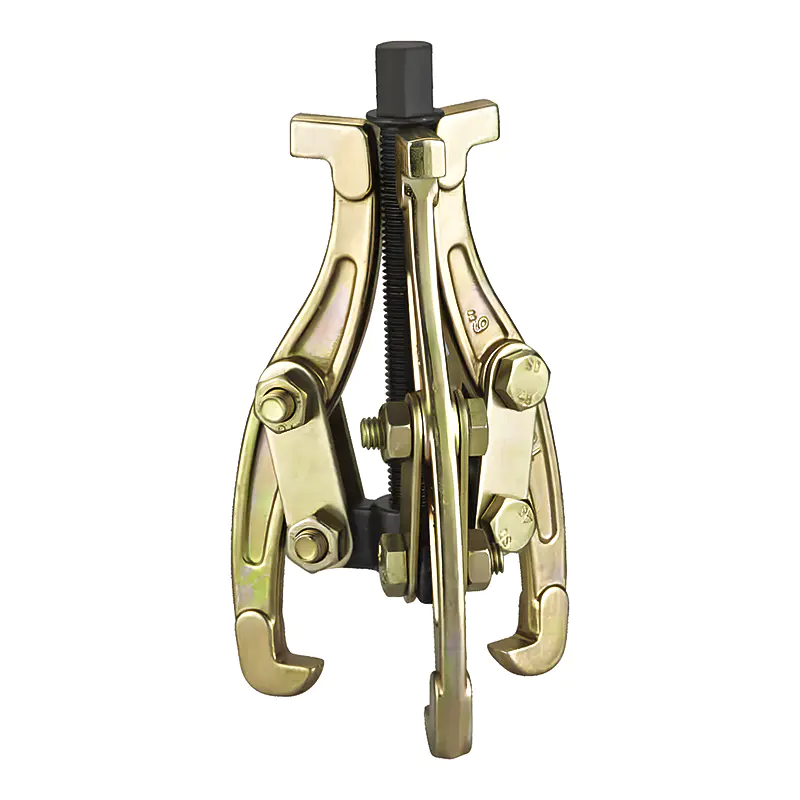
Model: SN0101
-
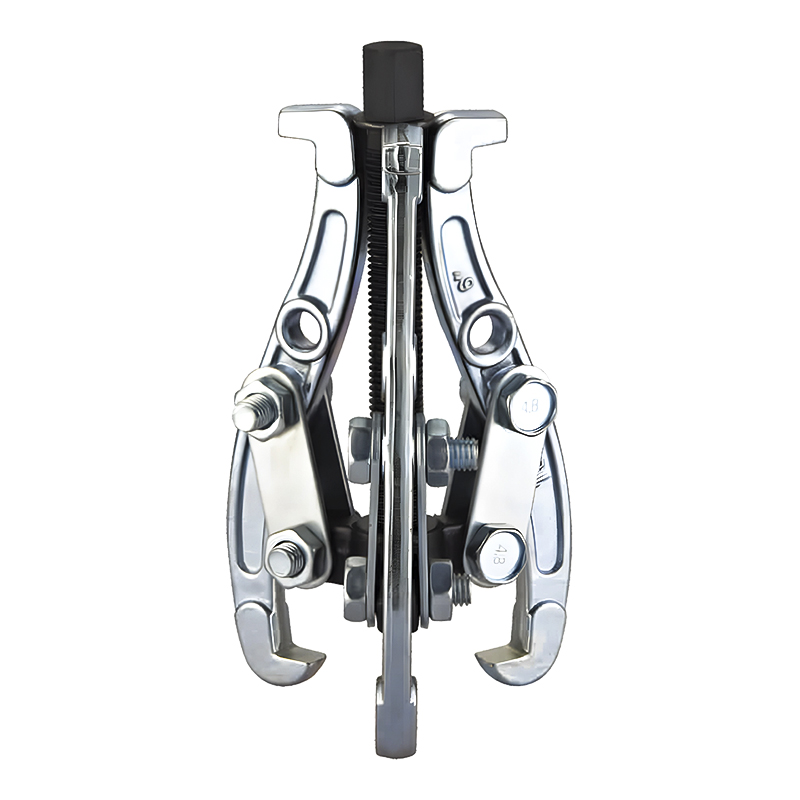
Model: SN0102-1
-
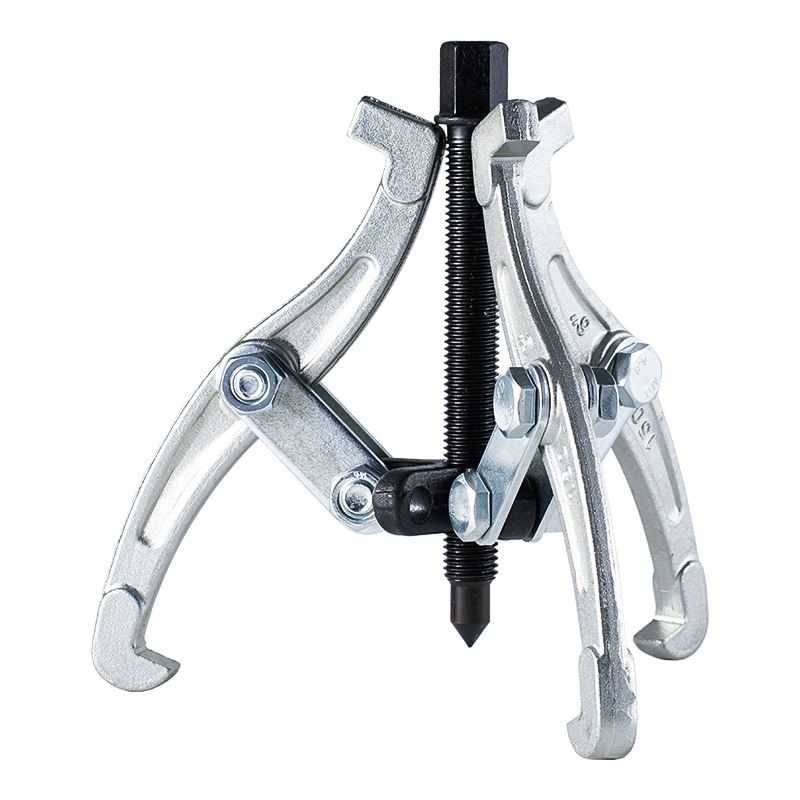
Model: SN0103
-
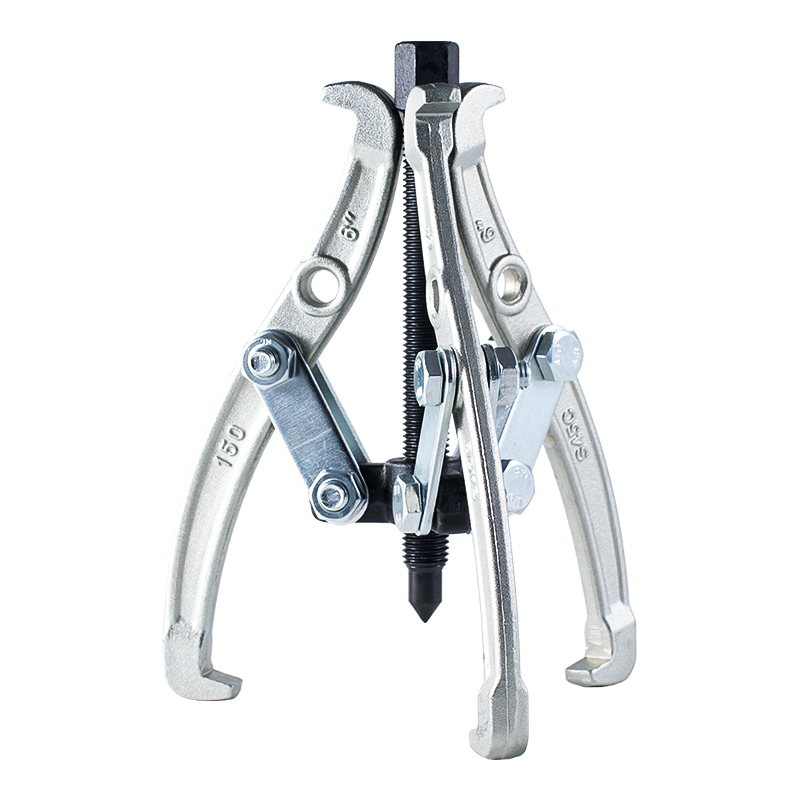
Model: SN0102 SN0107
-
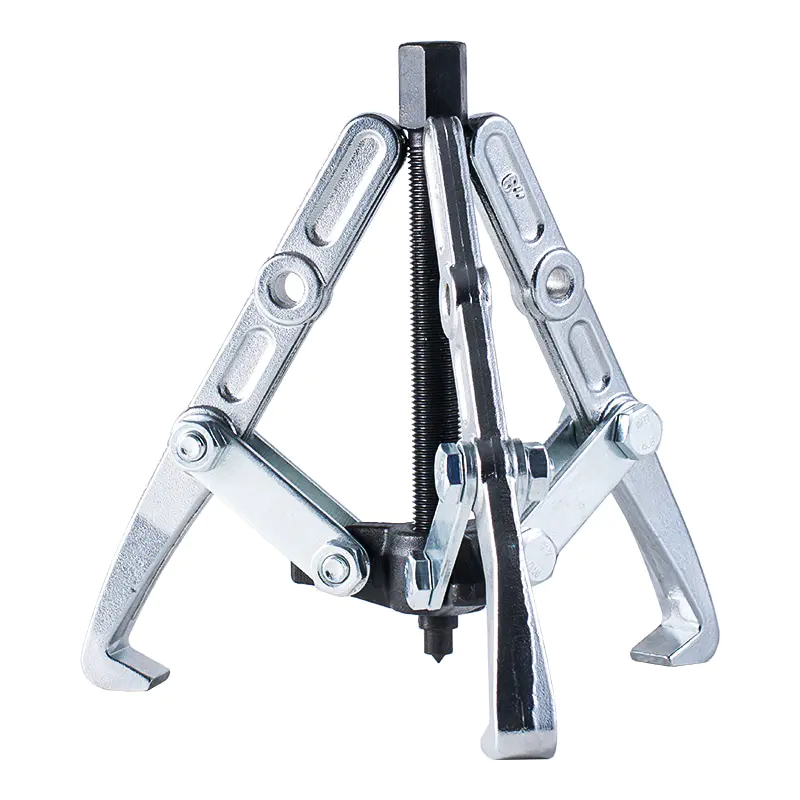
Model: SN0108 SN0109
-
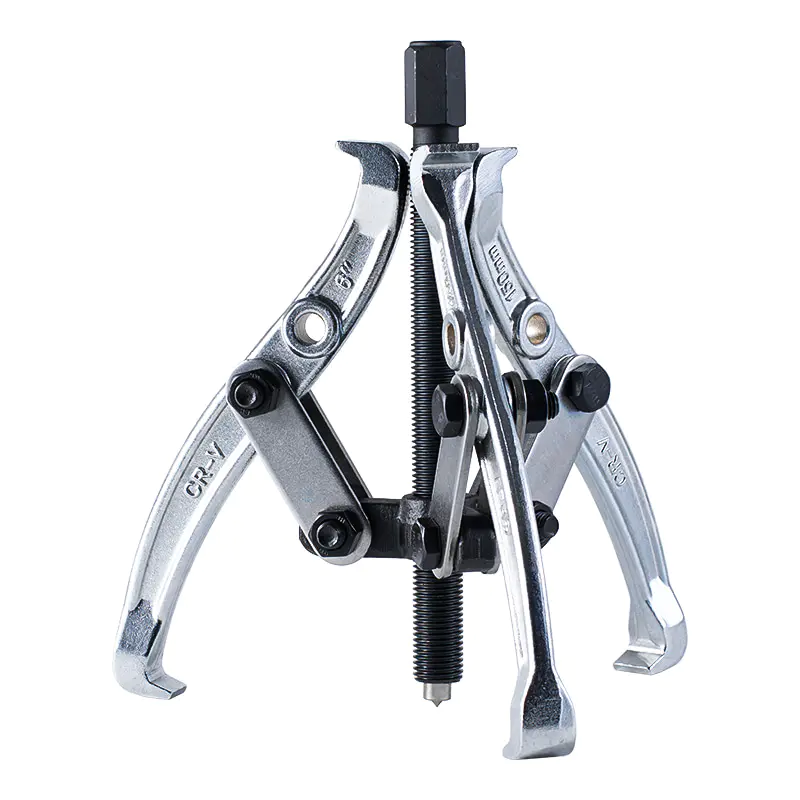
Model: SN0105
-
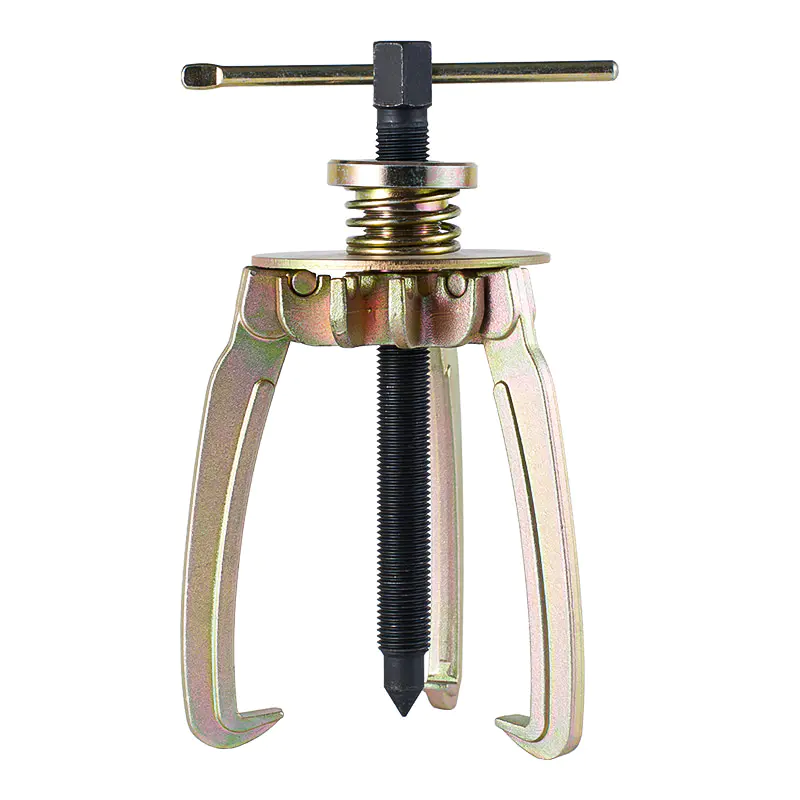
Model: SN0106
-
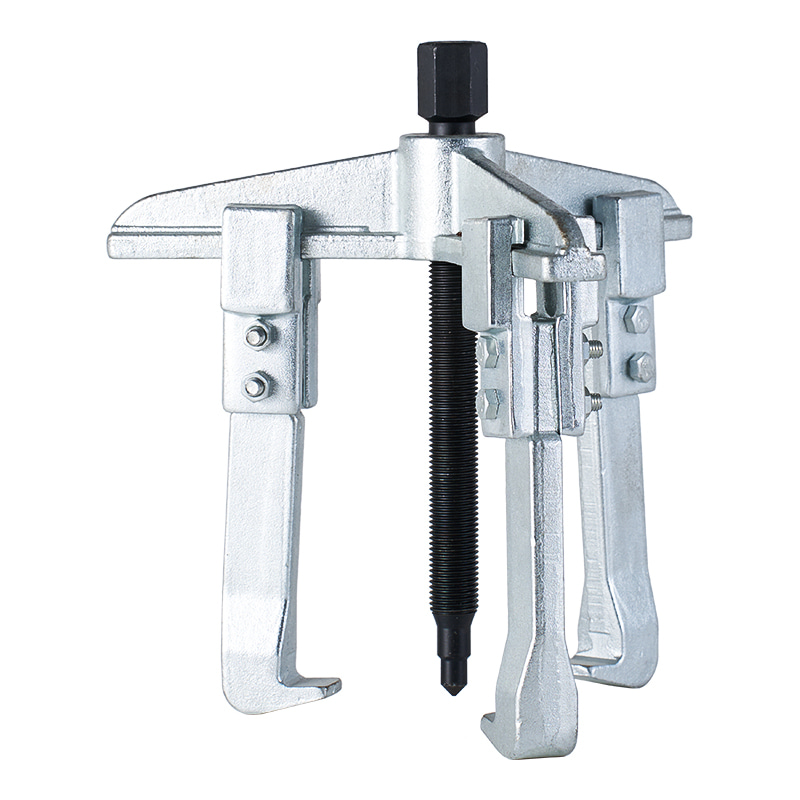
Model: SN0110
-
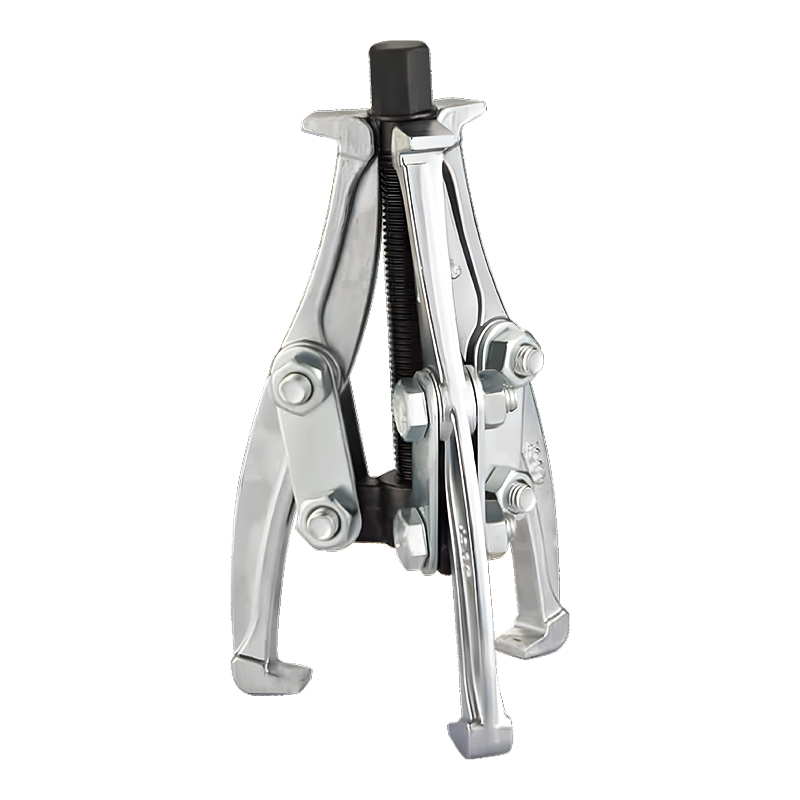
Model: SN0118
-
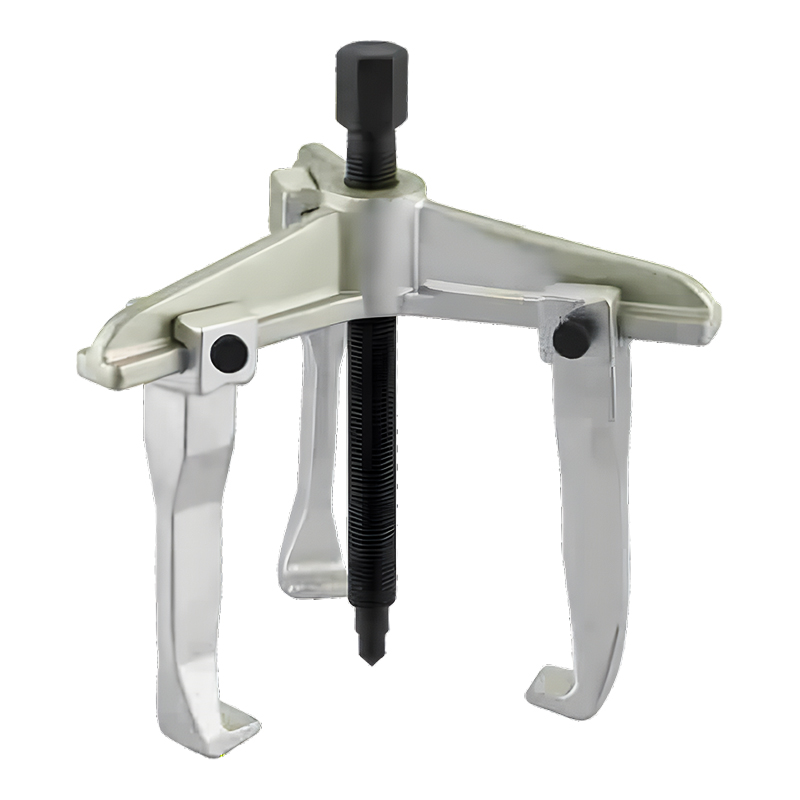
Model: SN0122
-
Model: SN0118-1
Submit feedback
Which Ultra Precision Bearings Are Best For Industrial Use
2026-07-10
Industrial machinery depends on steady rotation far more often than it seems at first glance, and once motion inside a system starts to drift away from its intended path, vibration, sound, surface quality, and the condition of nearby parts may all begin to change together. In daily production, those changes do not always appear as a sudden fault; more often, they build little by little, until rotating movement no longer feels as smooth as it should.
Different machines work under different conditions, so bearing selection is rarely a matter of choosing one part and applying it everywhere. A unit used in continuous operation faces another pattern of stress than equipment that starts and stops repeatedly, while surroundings such as dust, moisture, heat, and cleaning frequency can shape service behavior in ways that are easy to overlook during early planning.
Ultra Precision Bearings are often used where rotation needs to remain steady and movement needs to stay close to the intended path. Even so, performance never comes from bearing grade alone, since installation quality, lubrication habits, machine layout, and maintenance routines all leave a mark on how the assembly behaves over time.
Why Do Ultra Precision Bearings Matter In Industrial Equipment
Every rotating machine depends on bearings to support motion while keeping moving parts aligned as work continues. When rotation stays stable, shafts move more evenly, connected components carry their load in a calmer way, and surrounding parts are less likely to experience unnecessary strain.
Once rotation becomes uneven, effects may appear in places that seem unrelated at first. A machine may show more vibration than usual, certain surfaces may lose their regular finish, or positioning may become harder to hold during repeated operation. In industrial settings, such shifts often matter because small changes in movement can influence the entire production flow before anyone notices a clear mechanical failure.
Bearing behavior also affects how the rest of a machine works together. Shafts, housings, and support structures do not function on their own; each part responds to the movement of the others, and a bearing that matches the working condition helps keep that movement balanced rather than forcing nearby parts to absorb stress that should have been handled earlier in the rotating path.
Load pattern is another point that shapes the role of bearings in equipment. Some machines run under steady movement for long periods, while others face frequent direction changes, repeated start and stop cycles, or shifting resistance during operation. Since those patterns place different demands on rotating parts, bearing choice usually depends on the machine's real working behavior rather than its size or outward appearance.
Which Operating Conditions Should Be Considered Before Selecting A Bearing
Selection begins with the working environment, since operating conditions guide how a bearing will behave after installation. Load pattern, rotation speed, surrounding atmosphere, maintenance rhythm, and equipment layout all influence service behavior, and each one needs attention before a decision is made.
Load is never just a single number in practical operation. A machine may carry force in a steady way, or it may face changing directions and uneven pressure while production continues. Those differences alter the contact pattern inside the assembly and affect how the bearing carries motion through long working hours.
Rotational speed matters for the same reason. A machine turning at one pace may place a different kind of demand on internal movement than another machine running at a different pace, even when both are used for similar production work. Matching bearing structure to actual working speed helps maintain more even movement and reduces unnecessary variation during use.
Surrounding conditions also shape the selection process. Dust, moisture, airborne particles, and changes in temperature may all influence long-term behavior, especially in production areas where machinery runs for long stretches and cleaning windows remain limited. Maintenance planning connects closely with those conditions, since inspection frequency and lubrication habits often need to follow the environment in which the machine works.
| Operating Condition | Influence On Bearing Behavior | Selection Point |
|---|---|---|
| Load pattern | Changes contact and support behavior | Match design to working force |
| Rotational speed | Shapes internal movement | Fit bearing to operating pace |
| Surrounding environment | Affects service stability | Consider dust, moisture, and heat |
| Maintenance routine | Influences long-term performance | Keep inspection and lubrication practical |
Looking at those conditions together often gives a clearer direction than focusing on one factor alone, because bearing performance develops from the full working situation rather than from one isolated machine trait.
How Do Different Bearing Designs Meet Different Industrial Needs
Industrial systems perform a wide range of tasks, and bearing structures reflect that variety. Different designs exist because movement patterns are not the same across all machines, and each arrangement responds differently to load, accuracy needs, alignment changes, and service access.
Some structures suit equipment where smooth rotational accuracy matters more, while others are built for conditions where load changes or alignment shifts are part of daily operation. That difference does not point to one design being broadly better than another; it simply shows how each arrangement serves a different working pattern.
Motion style also matters during selection. Equipment that runs continuously does not behave like machinery that starts and stops often, and the internal movement of the bearing changes along with that operating rhythm. A design that works well in one setting may need adjustment or replacement in another, even when both machines belong to the same production line.
Practical service points also shape the choice. Bearing structure affects lubrication routes, assembly steps, inspection access, and replacement work during maintenance. When the design fits the equipment layout, routine service becomes easier to manage and production interruption is less likely to grow because of difficult access or awkward assembly conditions.
How Do Material Quality And Manufacturing Affect Bearing Performance
Material condition affects bearing behavior from the beginning of service and continues to matter long after installation. Stable material properties help the bearing keep its shape and fit, while carefully finished contact surfaces allow movement to stay smoother during repeated rotation.
Surface condition is especially relevant because even small irregularities may gradually influence motion once the machine has run for a long time. A bearing with consistent finishing tends to move with fewer disruptions, which supports steadier rotation and makes equipment easier to keep within its intended operating pattern.
Dimensional consistency matters in the same way. Rolling elements, rings, and supporting parts work together during every turn, so small differences in fit may become part of the operating behavior over time. When components match the intended form, movement remains more predictable and the assembly is less likely to create unnecessary variation during normal use.
Even with good material quality and careful manufacturing, long-term service still depends on what happens after installation. Lubrication, surrounding conditions, machine loading, and maintenance habits all interact with the original bearing structure, and service behavior gradually reflects that interaction rather than any single factor alone.
Why Is Installation Just As Important As Bearing Selection
A suitable bearing can only perform as expected after becoming part of a properly assembled rotating system. During installation, every contact surface, supporting component, and fitting position contributes to the final running condition, making assembly quality part of bearing performance rather than a separate stage of the process.
Preparation often begins with the surrounding components instead of the bearing itself. Mounting surfaces should remain clean, supporting parts should fit correctly, and foreign particles should be removed before assembly continues, since even small contaminants may remain inside the rotating system and gradually influence movement after equipment enters regular operation.
Alignment deserves equal attention because rotation follows one continuous path through the entire assembly. Once shafts, housings, or supporting parts are positioned outside their intended relationship, force is no longer distributed evenly, allowing additional stress to develop during repeated operation. Such changes usually appear little by little instead of producing an immediate mechanical fault, making careful assembly worthwhile long after installation has been completed.
Fitting methods influence bearing condition as well. Applying unnecessary force or using unsuitable installation procedures may change internal contact before the machine even begins working, while a controlled assembly process helps preserve the original relationship between every rotating component.
How Does Lubrication Influence Bearing Operation
Continuous rotation creates repeated contact between moving surfaces, making lubrication part of everyday operation rather than an occasional maintenance task. A stable lubricating layer separates contacting surfaces during movement, allowing rotation to continue with less friction while helping internal components move more smoothly over long working periods.
Lubrication condition does not remain unchanged throughout service. Dust, moisture, operating temperature, and continuous movement gradually influence both lubricant quality and distribution, so regular observation becomes part of normal equipment management instead of being reserved for visible mechanical problems.
Routine inspection often pays attention to several operating changes:
- operating sound becoming different from normal conditions
- changes in rotational smoothness
- visible contamination around bearing locations
- lubricant condition during inspection
Lubrication practice should remain consistent with the actual working environment because equipment installed in cleaner surroundings often follows different maintenance intervals from machinery operating where contaminants are more difficult to avoid. Keeping lubrication aligned with operating conditions helps maintain steadier rotational behavior throughout daily production instead of waiting until obvious changes appear.
What Maintenance Practices Help Support Long Term Bearing Performance
Bearing condition changes gradually as equipment continues working, making routine maintenance more valuable when it follows a planned schedule instead of responding only after operating problems become noticeable. Small changes are often easier to manage while they remain limited, especially when inspection records make gradual differences easier to recognize.
Observation is usually the starting point. Rotation that sounds different, vibration that slowly increases, or movement that no longer feels as smooth as before may all indicate that operating conditions have changed. None of those observations automatically point to bearing failure, although they often provide useful information for deciding whether further inspection is necessary.
Cleaning remains closely connected with bearing performance because dust and processing residue can collect around rotating assemblies during normal production. Material entering working areas may gradually influence internal movement, making regular cleaning useful even when equipment continues operating without interruption.
Inspection also benefits from consistency. Following similar procedures during each maintenance cycle makes gradual changes easier to compare over time, allowing equipment condition to be evaluated according to long-term operating behavior rather than isolated observations.
Ultra Precision Bearings generally perform more consistently when maintenance routines remain stable throughout service, since inspection, lubrication, cleaning, and operating environment all interact with bearing condition over time instead of acting independently.
How Can Industrial Applications Match Bearings To Equipment Requirements
Every production process creates its own combination of movement, load, operating rhythm, and environmental conditions, making bearing selection closely connected with the machine rather than with a general product description. Equipment carrying continuous rotational movement often develops different operating characteristics from machinery working through repeated cycles, changing direction, or handling irregular loads.
Selection usually becomes more practical after considering the complete operating environment. Maintenance access, surrounding cleanliness, available inspection time, assembly layout, and machine structure all influence bearing behavior after installation, making those conditions part of the decision instead of separate considerations left until later.
Several points are commonly reviewed before selection:
- operating pattern of the equipment
- surrounding working environment
- maintenance arrangement after installation
- compatibility with nearby rotating components
Considering those conditions together often provides a clearer understanding of how the rotating assembly will behave throughout everyday operation. Focusing on only one characteristic may overlook other conditions that gradually influence performance during long service periods.
Bearing selection is therefore closely related to equipment planning as a whole. Material movement, machine layout, assembly quality, lubrication practice, and routine inspection continue interacting after production begins, making long-term operating stability the result of many connected factors rather than one isolated choice.
Reliable rotation develops through the combined influence of equipment design, installation quality, lubrication condition, maintenance routine, and the environment in which machinery operates. Changes in any one area may gradually influence the others, making it useful to view the rotating assembly as a complete working system instead of concentrating on a single component.
Ultra Precision Bearings are commonly used where stable rotational accuracy is expected, although long-term operating behavior depends on how well bearing selection matches actual working conditions and how consistently installation, lubrication, inspection, and maintenance are carried out throughout equipment service. Looking at those connected factors together provides a more practical foundation for maintaining steady industrial operation over time.

-

Fax: +86-576-82686606
-

Tel: +86-576-82686563
+86-576-82686832 -

E-mail: [email protected]
-

Add: Fengjiang Industrial Park, Luqiao Area,Taizhou City, Zhejiang Province, China
Copyright © 2025 Taizhou Xinming Technology Co., Ltd. All Rights Reserved.

Sale Hardware Tools Factory