

 русский
 Español
 عربى
عربى-
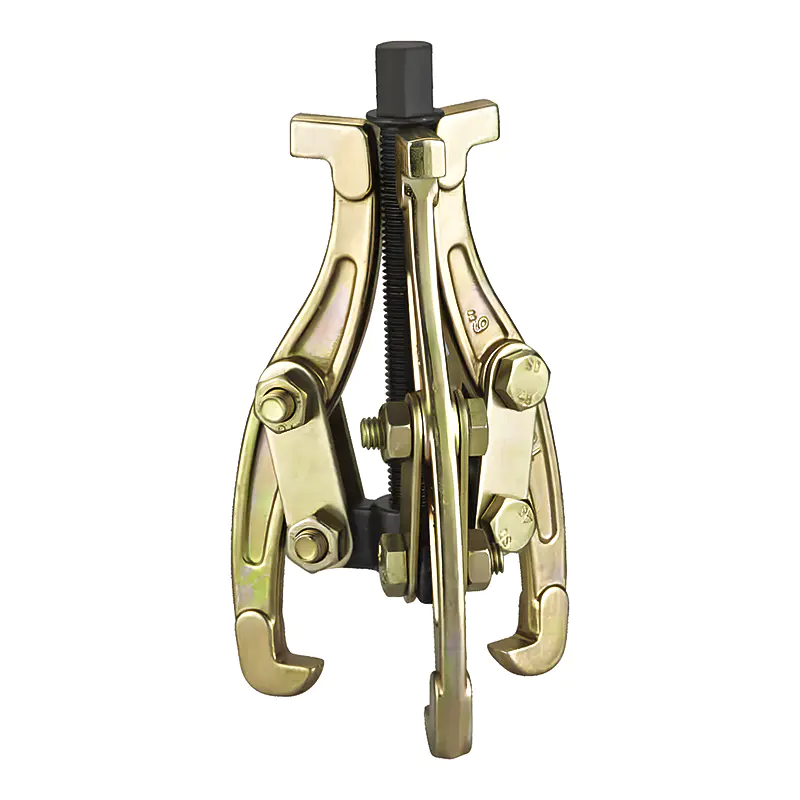
Model: SN0101
-
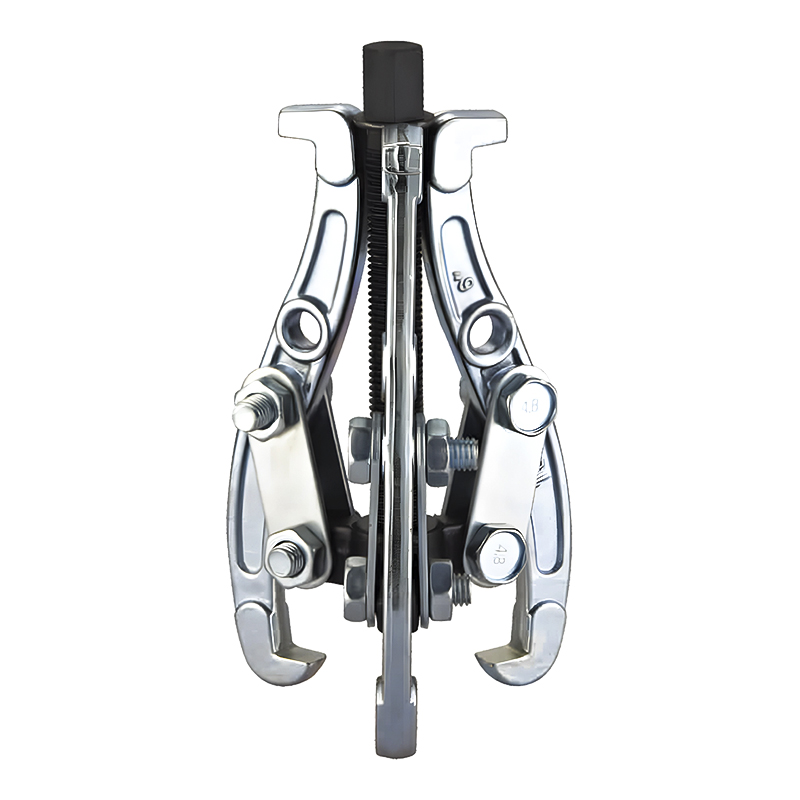
Model: SN0102-1
-
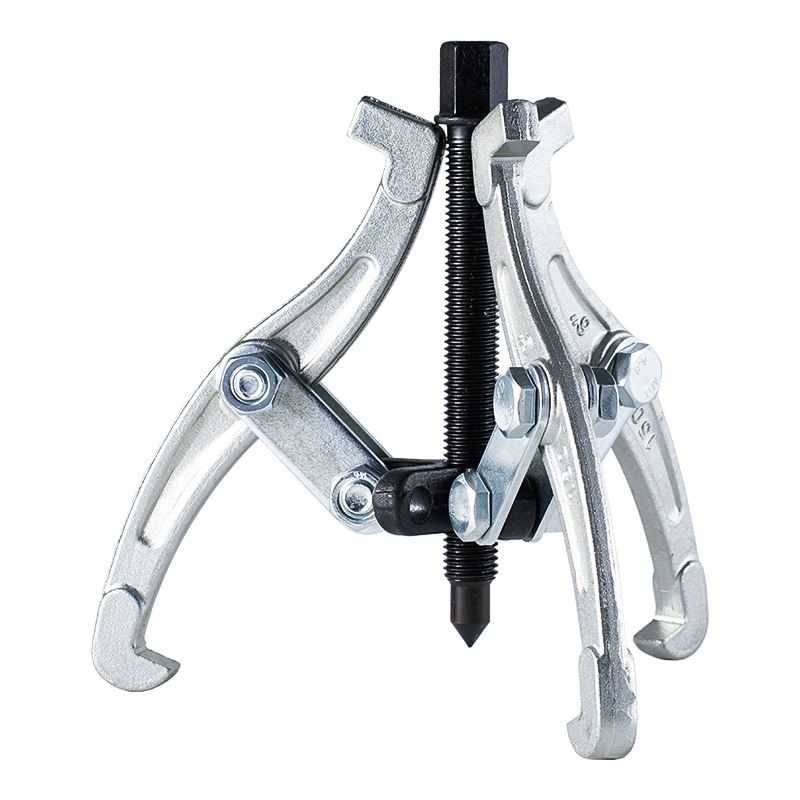
Model: SN0103
-
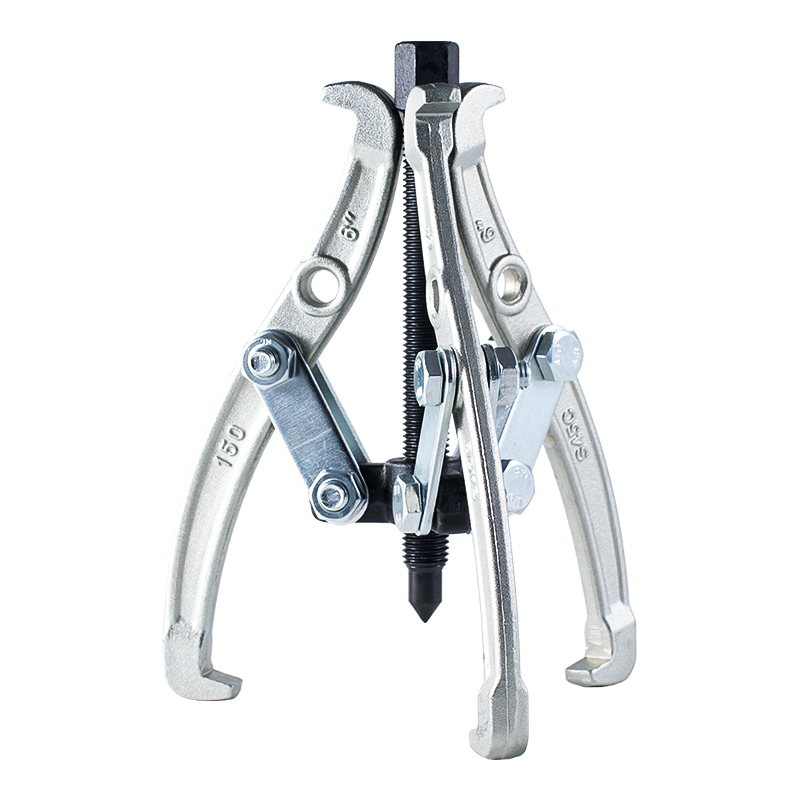
Model: SN0102 SN0107
-
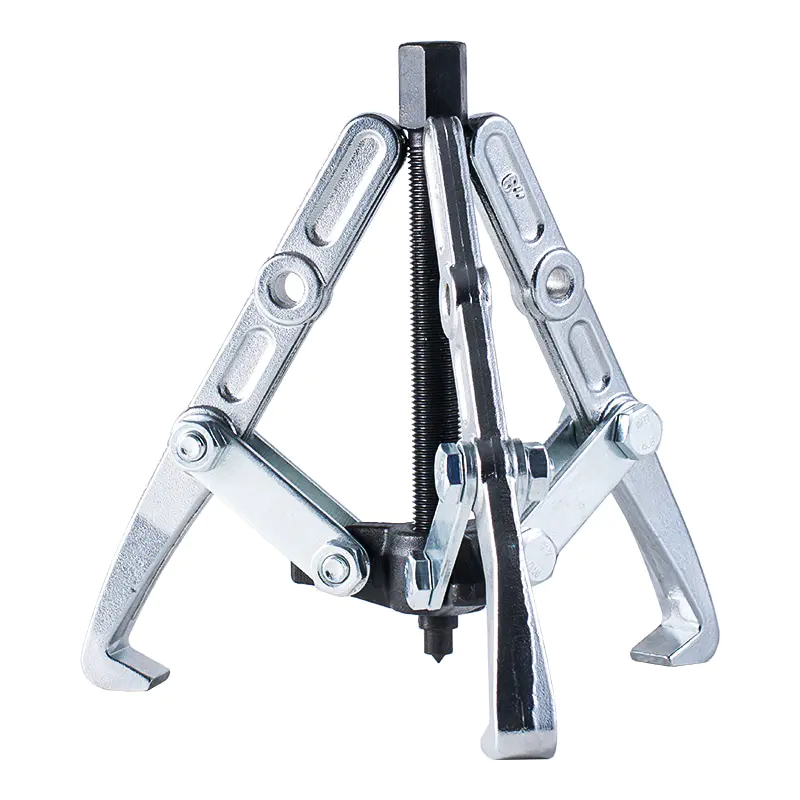
Model: SN0108 SN0109
-
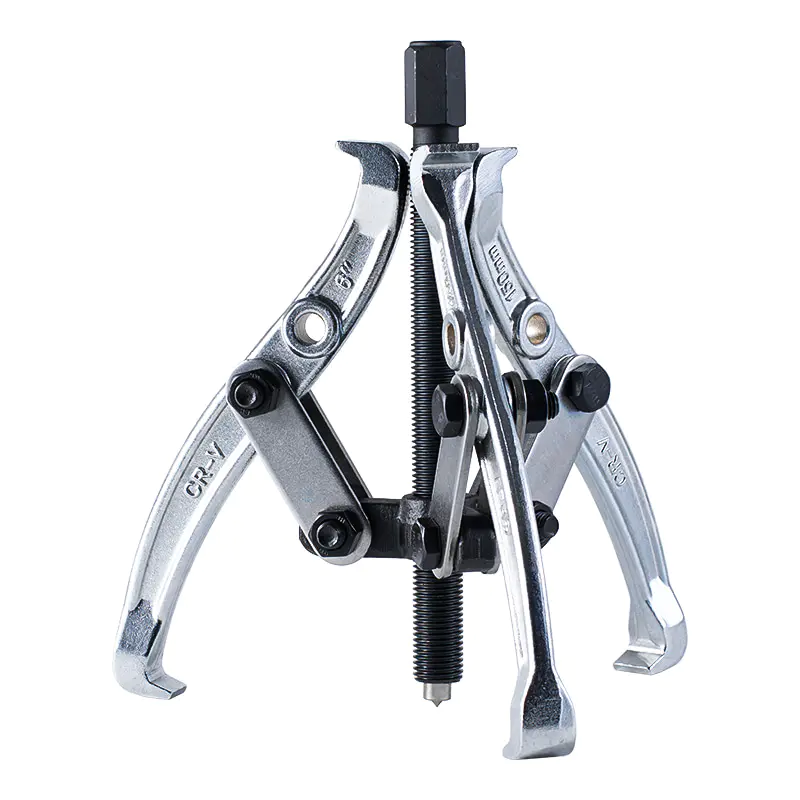
Model: SN0105
-
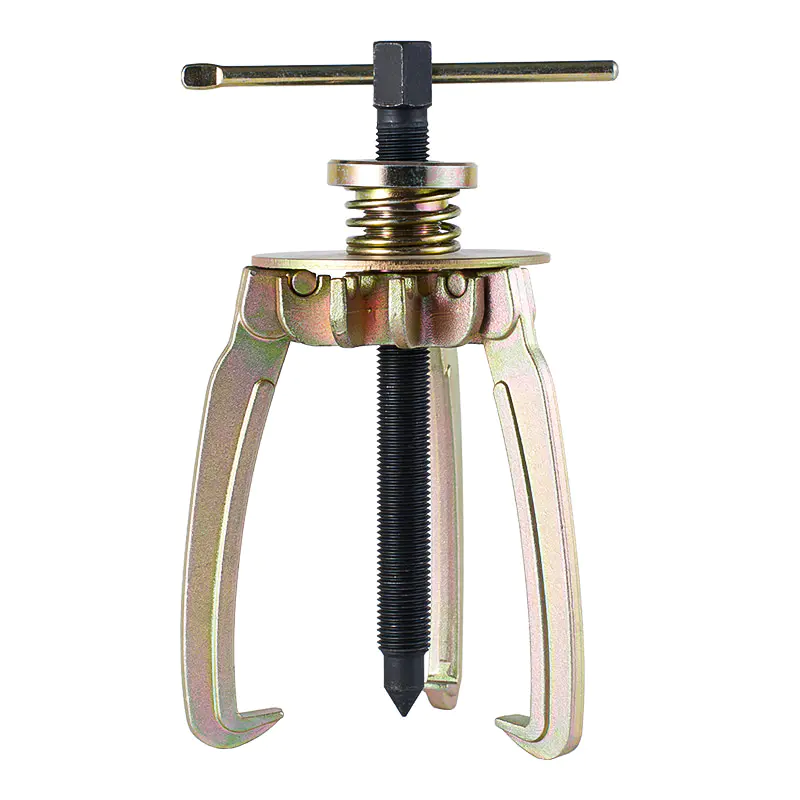
Model: SN0106
-
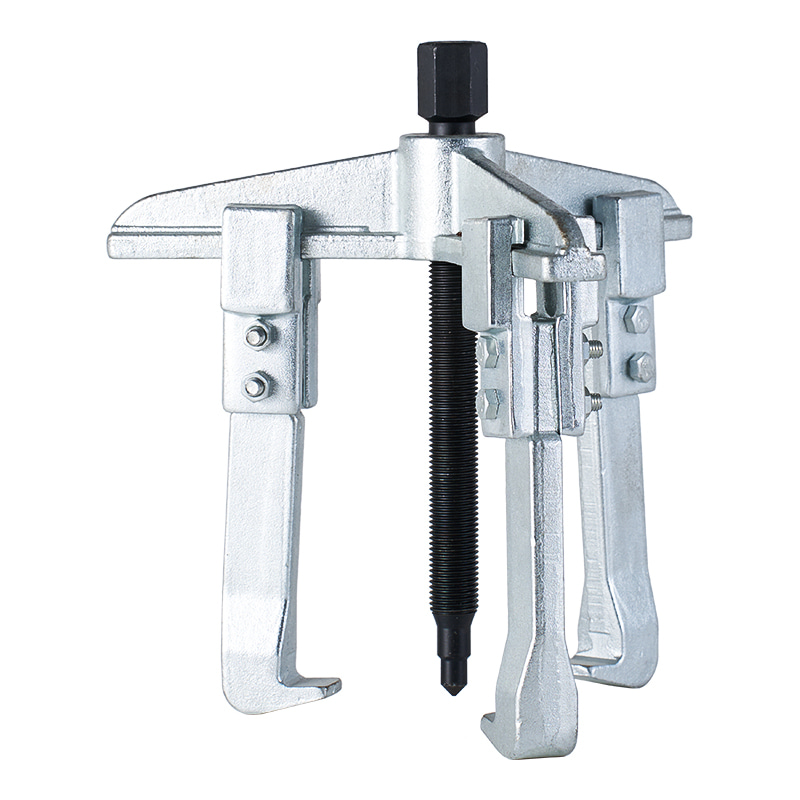
Model: SN0110
-
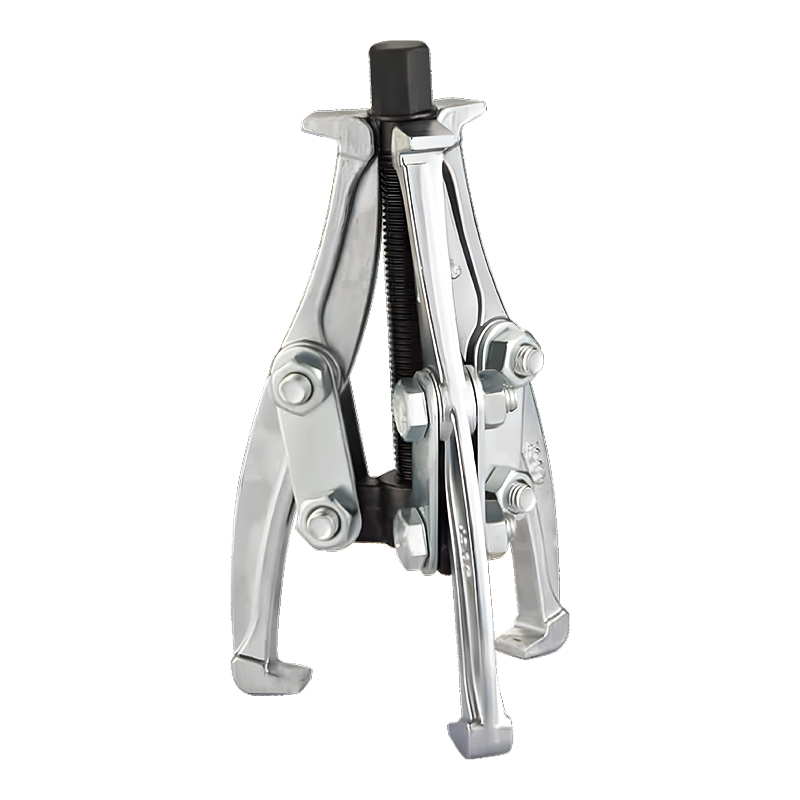
Model: SN0118
-
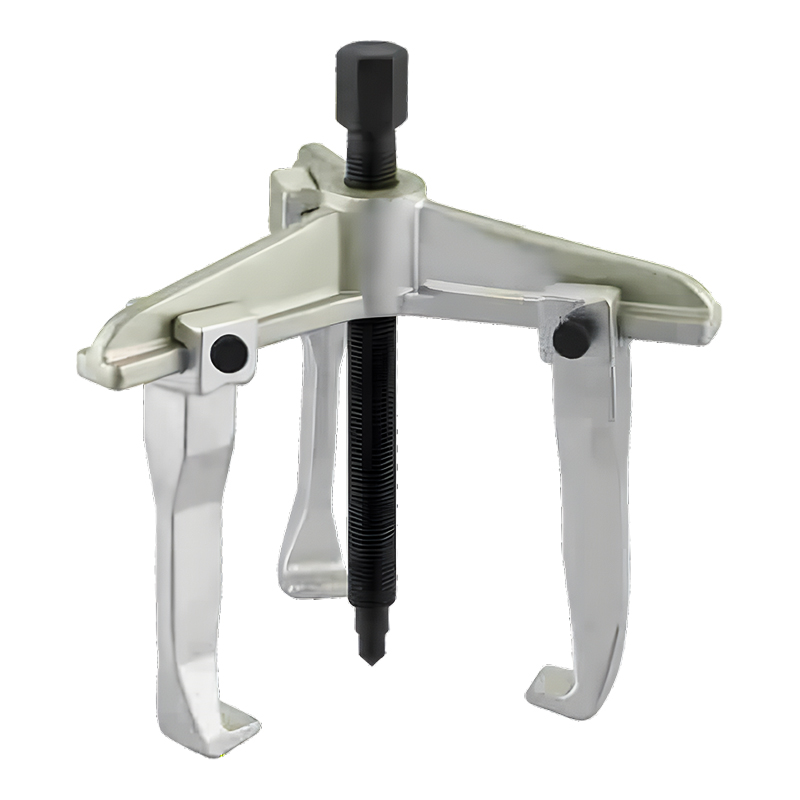
Model: SN0122
-
Model: SN0118-1
Submit feedback
How Do Ultra Precision Bearings Improve Machine Performance
2026-06-19
In many machines that rely on rotation, movement is rarely as simple as one part spinning freely inside another. There is always contact, pressure, and guidance happening at the same time. Bearings are placed in that middle space, acting like a controlled layer between moving and fixed parts.
Ultra Precision Bearings refer to bearing structures built with tighter control over internal motion behavior. Instead of allowing a wider range of movement inside the assembly, the internal rolling path is kept closer to a defined track. That difference may look small in structure, though in operation it changes how the whole system behaves.
Inside mechanical systems, these bearings usually sit around rotating shafts, supporting housings, and connection points where motion needs to stay stable. When rotation starts, the bearing does not simply "support" movement, it guides it in a quieter and more controlled way.
Compared with general bearing structures, ultra precision types tend to focus more on motion consistency than on basic rotation alone. That shift becomes noticeable in systems where alignment and smooth output matter over time.
Why Do Mechanical Systems Require Higher Precision In Bearing Behavior
Rotation inside machines is never perfectly isolated. Every movement connects to other parts, and even small variation can travel through the system. When that happens, small vibration or uneven motion may slowly influence surrounding components.
Higher precision in bearing behavior is mainly about reducing that small uncertainty. If the internal rolling path shifts slightly during operation, the shaft connected to it also shifts. Over time, that can affect stability across the whole structure.
Precision Bearings help reduce that effect by keeping internal motion closer to a fixed pattern. Instead of allowing small random variation in rolling movement, the structure holds the motion in a more controlled range.
Some situations where this becomes noticeable:
- continuous rotation over long operation periods
- systems with multiple connected rotating parts
- equipment where alignment affects output quality
- machines sensitive to vibration changes
When motion becomes more predictable, the system does not need to constantly adjust to small internal changes. That creates a steadier working condition.
How Precision Bearings Reduce Friction In Motion Systems
Friction in rotating systems is not only about force between two surfaces. It is also related to how evenly those surfaces meet during movement. If contact shifts slightly during rotation, resistance changes as well.
Ultra Precision Bearings reduce that variation by keeping rolling contact more stable. Inside the bearing, rolling elements move along guided paths instead of irregular contact points. That helps avoid sudden changes in resistance during operation.
In practical behavior, friction reduction often shows up as:
- smoother rolling feel during rotation
- fewer uneven resistance points inside motion cycle
- more consistent load transfer between contact surfaces
- reduced small interruptions in movement flow
Instead of forcing movement through resistance changes, the system allows motion to pass in a more continuous way. That difference is subtle in structure, yet more noticeable during long operation cycles.
How Do Precision Bearings Support Stability In Rotating Equipment
Stability in rotation is closely connected to how well the central axis is maintained. If the axis shifts even slightly, the connected parts begin to experience uneven force distribution. Over time, that imbalance can influence motion quality.
Ultra Precision Bearings help maintain that axis position more consistently. The internal rolling elements stay aligned in a controlled path, which reduces the chance of small directional drift during operation.
In real use conditions, stability improvement may appear in several ways:
- shaft rotation stays closer to center position
- load distribution feels more even across movement cycle
- reduced small deviation during long running periods
- smoother connection between rotating and fixed parts
Rather than correcting instability after it appears, the bearing structure reduces how often that instability forms in the first place.
How Do Bearings Influence Vibration And Noise Behavior
Vibration in mechanical systems often begins with uneven movement inside rotating parts. When internal contact is not fully balanced, small repeated impacts can form during rotation. Those impacts then travel through the machine structure.
Precision Bearings reduce that unevenness by making rolling motion more uniform. Instead of irregular contact points forming during rotation, movement stays closer to a steady rolling path.
That leads to several observable effects:
- vibration becomes less uneven during operation
- sound pattern stays more stable across rotation cycles
- fewer sudden changes in movement feel
- smoother transition when load changes occur
Noise behavior often follows vibration behavior. When motion becomes more stable, sound variations also tend to become less noticeable.
What Materials Are Commonly Used In Precision Bearing Structures
Material behavior inside a bearing affects how long stable motion can be maintained. In precision systems, material consistency matters because even small surface changes can influence rolling behavior.
Materials used in such systems usually need to balance hardness and stability. If the surface changes too quickly under repeated contact, rolling smoothness may gradually shift.
Common material behavior requirements include:
- resistance to surface wear during continuous contact
- stable structure under repeated load cycles
- consistent response under heat influence
- smooth interaction with rolling elements
When material structure remains steady, internal motion also stays more predictable. That relationship becomes more important in systems running for extended periods.
How Manufacturing Processes Influence Bearing Precision
Precision does not come from design alone. It is also shaped by how each component is processed before assembly. Small differences during surface finishing or alignment steps can change how motion behaves later.
Surface finishing plays an important role. When internal surfaces are processed evenly, rolling elements can move without sudden resistance changes. Even small irregular points may affect motion smoothness.
Assembly alignment also influences final behavior. If internal parts are slightly offset, motion may not stay fully centered during rotation.
Key process influences include:
- surface smoothness consistency across components
- alignment accuracy during assembly stages
- controlled internal clearance adjustment
- uniform contact surface preparation
Each step adds to the final motion behavior of the bearing once it is placed into a working system.
What Role Do Chinese Bearing Manufacturers Play In Supply Systems
Chinese Bearing Manufacturers are involved in producing bearing components that support a wide range of mechanical systems. Their role is not limited to one type of machine, since rotating systems appear across many industries and equipment structures.
In supply chains, these manufacturers typically handle multiple stages of production, from material preparation to final assembly of bearing units. Different machines require different motion characteristics, so production lines often adjust to those needs.
Common supply roles include:
- producing bearings for different rotation systems
- adjusting structures for varied load conditions
- supporting equipment across multiple application areas
- maintaining consistency across repeated production batches
In many cases, the focus is on matching bearing behavior with machine requirements so that motion remains stable once installed.
How Do Precision Bearings Affect Vibration And Noise Behavior
When a machine rotates, vibration is often the quiet signal that something inside is not fully balanced. It may come from uneven contact, small alignment shifts, or slight changes in load distribution during motion. These effects are usually small at the beginning, then become more noticeable during long operation.
Precision Bearings help reduce that type of movement instability by keeping rolling contact more controlled. Inside the bearing, motion follows a tighter path, so rolling elements do not shift freely from one side to another. That keeps mechanical interaction more even across rotation cycles.
In practical operation, changes often appear in a gradual way:
- vibration becomes less irregular during steady rotation
- sound remains more even when load changes occur
- fewer short bursts of noise during acceleration or slowdown
- smoother feeling when machines run for long periods
Noise and vibration are closely connected. When rolling contact becomes more stable, sound variation also tends to settle. The result is not silence, but a more predictable sound pattern that does not fluctuate sharply.
What Happens During Continuous Operation Of Precision Bearings
Machines rarely work in short cycles. Many systems run for extended periods, where internal components stay in motion without long pauses. In such conditions, bearing behavior gradually becomes more important, since small differences repeat many times.
Ultra Precision Bearings are often used in these environments because they help maintain a stable motion pattern over time. When rotation continues, internal surfaces stay in controlled contact instead of drifting into uneven movement.
During long operation, several behaviors can be observed:
- heat gradually builds but remains more evenly distributed
- rolling motion stays closer to a steady rhythm
- load changes are absorbed with less sudden impact
- movement consistency is maintained across cycles
Instead of sharp changes in behavior, the system tends to stay within a narrower range of motion variation. That helps connected parts avoid repeated adjustment stress.
What Issues Can Appear When Bearing Precision Is Not Stable
When bearing precision drops, the effect does not always appear immediately. Machines may still run, though internal movement begins to lose consistency over time. That change slowly affects surrounding components.
One common sign is uneven rotation. Instead of smooth circular movement, slight shifts may appear in motion path. Another sign is increased vibration, especially during load changes or speed transitions.
Typical issues linked to lower precision include:
- uneven rotation behavior under continuous load
- increased vibration during motion cycles
- variation in noise during operation phases
- reduced smoothness in energy transfer between parts
How Do Ultra Precision Bearings Fit Into Modern Machinery Design Trends
Modern machinery design often focuses on compact structure, continuous operation, and smoother motion behavior. Instead of relying on large mechanical separation, systems are built with tighter integration between moving parts.
In that type of design approach, Precision Bearings become an important element. Their role is not only to support rotation, but to keep motion predictable inside compact spaces where tolerance for movement variation is smaller.
Several design directions influence their use:
- reduced space between moving components
- higher demand for stable rotational behavior
- more continuous operation cycles in equipment
- need for smoother motion transfer across connected parts
| Aspect | Standard Bearing Behavior | Ultra Precision Bearing Behavior |
|---|---|---|
| Motion Stability | Moderate variation | Controlled and steady path |
| Vibration Level | More fluctuation under load | Reduced variation during cycles |
| Noise Behavior | Changes during operation | More even sound pattern |
| Load Response | Slight uneven distribution | More balanced contact response |
Role Of Chinese Bearing Manufacturers In System Integration
Chinese Bearing Manufacturers often work within broader industrial systems where bearings are only one part of a larger mechanical structure. Their production focus usually aligns with different machine requirements, including rotation stability, load variation handling, and continuous motion behavior.
In supply systems, their role often includes coordination between material selection, structural shaping, and final assembly behavior. Different machines require different motion characteristics, so production adjustments are made according to application needs.
Typical involvement includes:
- supporting varied mechanical motion systems
- adapting production to different load conditions
- supplying components for continuous operation equipment
- maintaining consistent behavior across production batches
Rather than focusing only on one type of machine, manufacturing systems are often built to serve multiple mechanical environments at the same time.
How Precision Bearings Influence Long Term Machine Behavior
Over time, machine performance is not only defined by initial setup, but also by how components behave after repeated cycles. Bearings play a quiet role in that long-term stability.
Ultra Precision Bearings help maintain consistent motion patterns across extended use. Instead of allowing gradual increase in movement variation, internal structure keeps rolling paths within a controlled range.
Long-term effects often include:
- slower development of motion irregularities
- steadier performance across repeated cycles
- reduced variation in vibration patterns over time
- more stable interaction between connected mechanical parts
The benefit is not immediate visual change, but gradual stability in how the machine behaves during long operation periods.
Across different types of machinery, Precision Bearings act as a control point for motion behavior. They do not create movement, but they guide how movement stays stable under load, speed change, and continuous operation.
When internal rolling paths remain controlled, the entire mechanical system tends to respond in a more predictable way. Vibration becomes less uneven, rotation stays closer to intended alignment, and long-term operation shows fewer fluctuations in behavior.
Chinese Bearing Manufacturers support this structure through production systems that match different mechanical requirements, helping bearings fit into a wide range of industrial applications where motion stability matters over time.

-

Fax: +86-576-82686606
-

Tel: +86-576-82686563
+86-576-82686832 -

E-mail: [email protected]
-

Add: Fengjiang Industrial Park, Luqiao Area,Taizhou City, Zhejiang Province, China
Copyright © 2025 Taizhou Xinming Technology Co., Ltd. All Rights Reserved.

Sale Hardware Tools Factory