

 русский
 Español
 عربى
عربى-
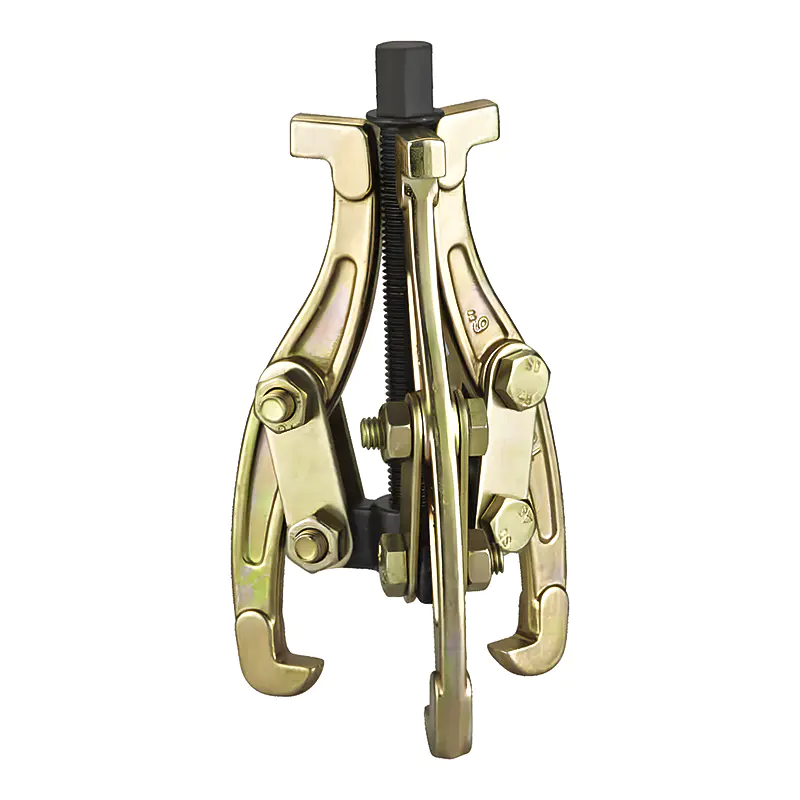
Model: SN0101
-
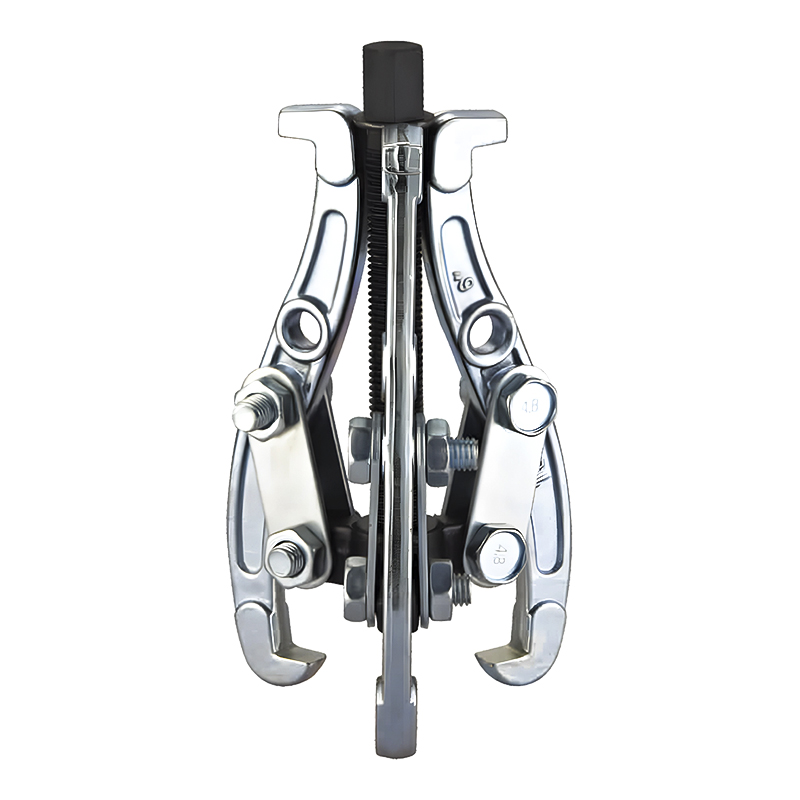
Model: SN0102-1
-
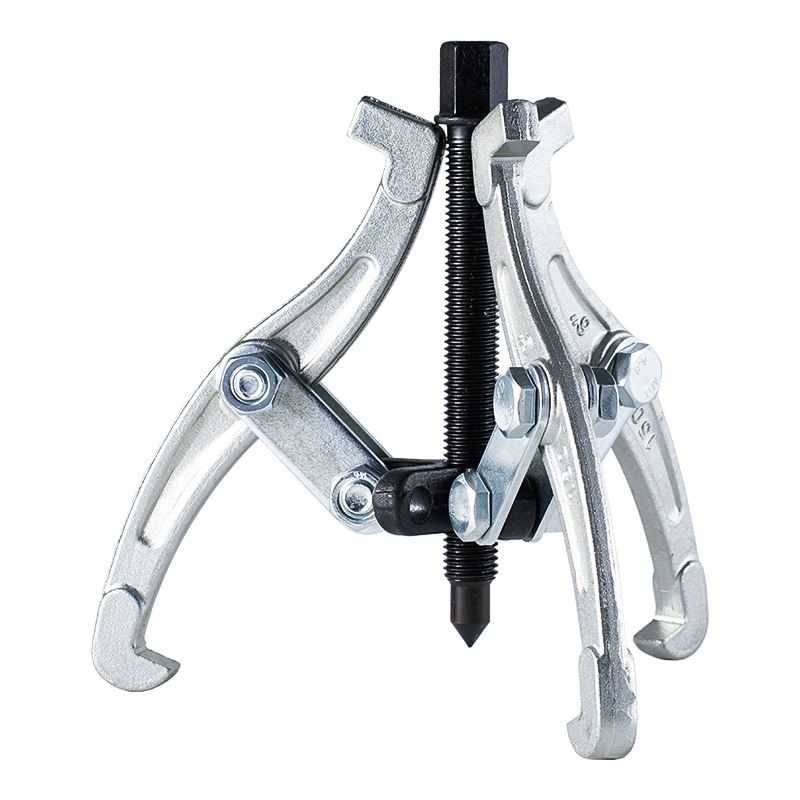
Model: SN0103
-
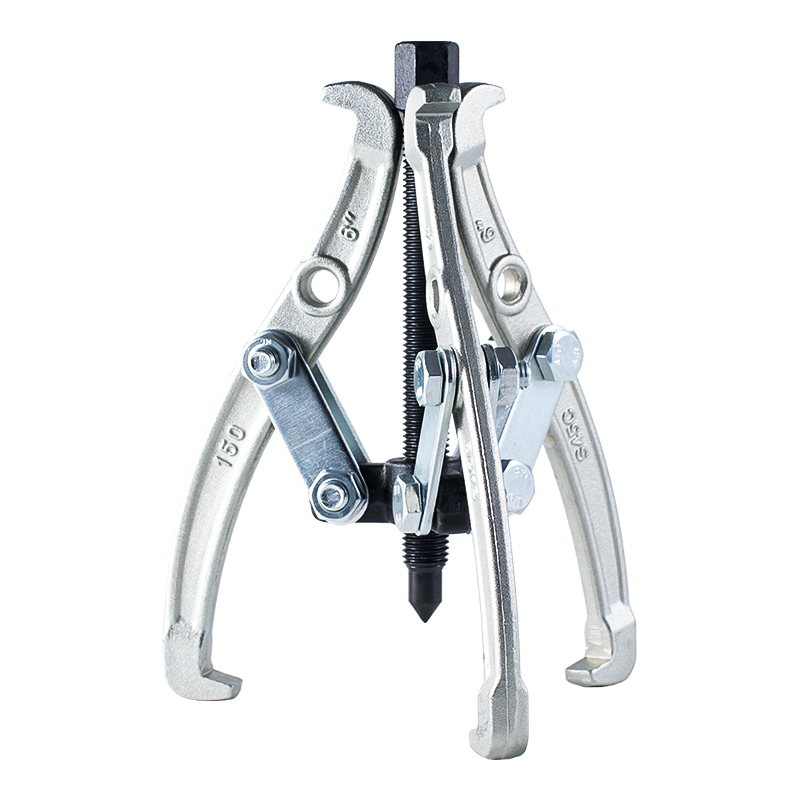
Model: SN0102 SN0107
-
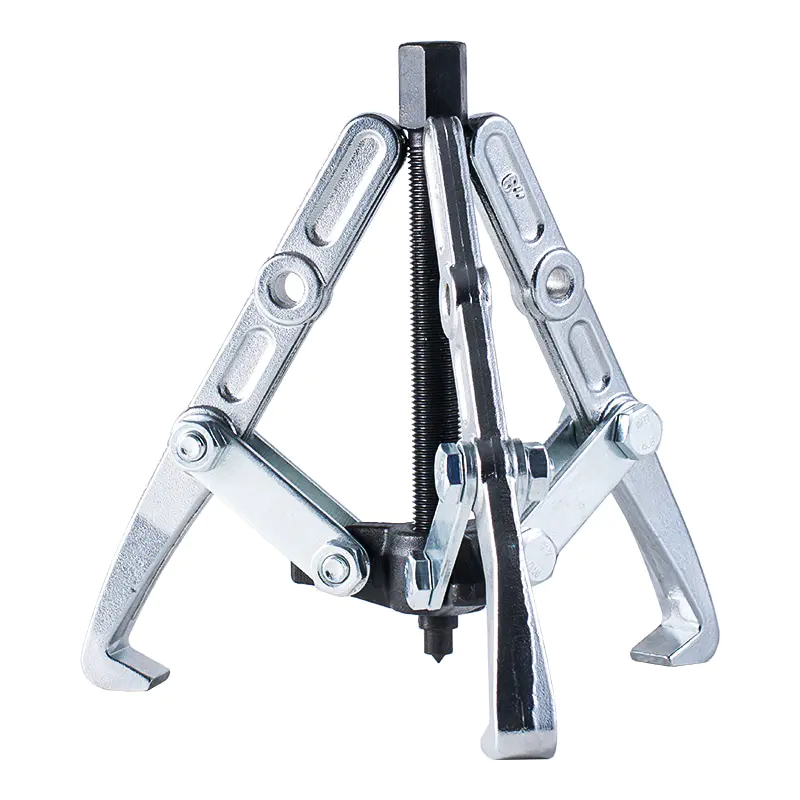
Model: SN0108 SN0109
-
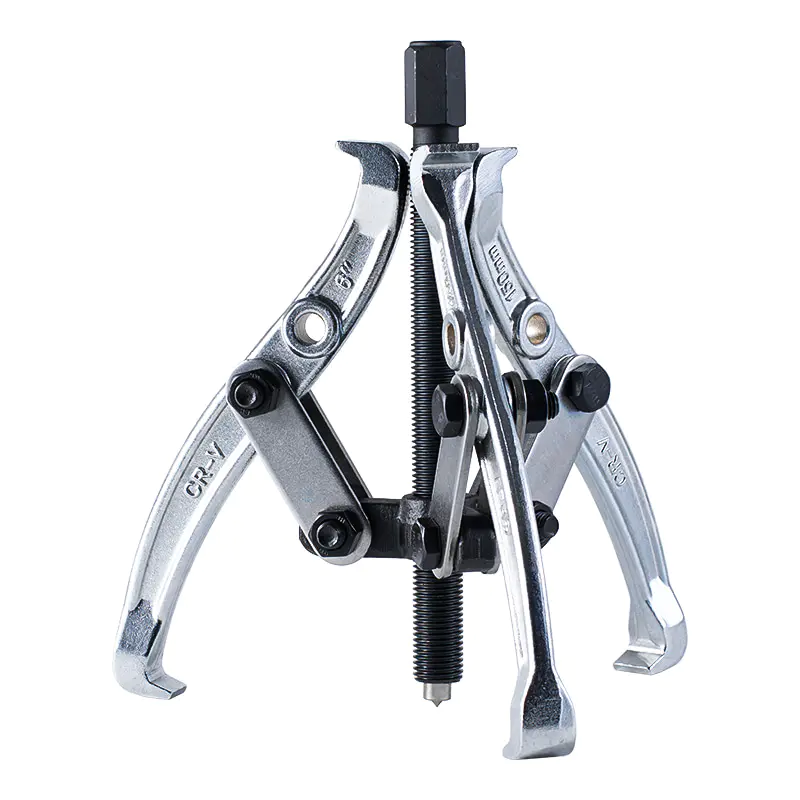
Model: SN0105
-
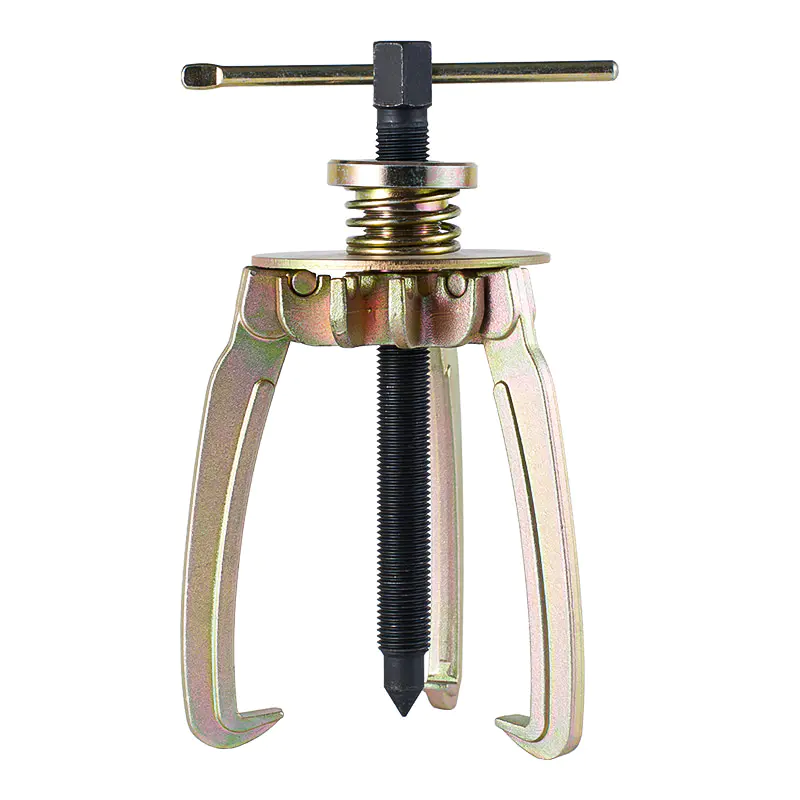
Model: SN0106
-
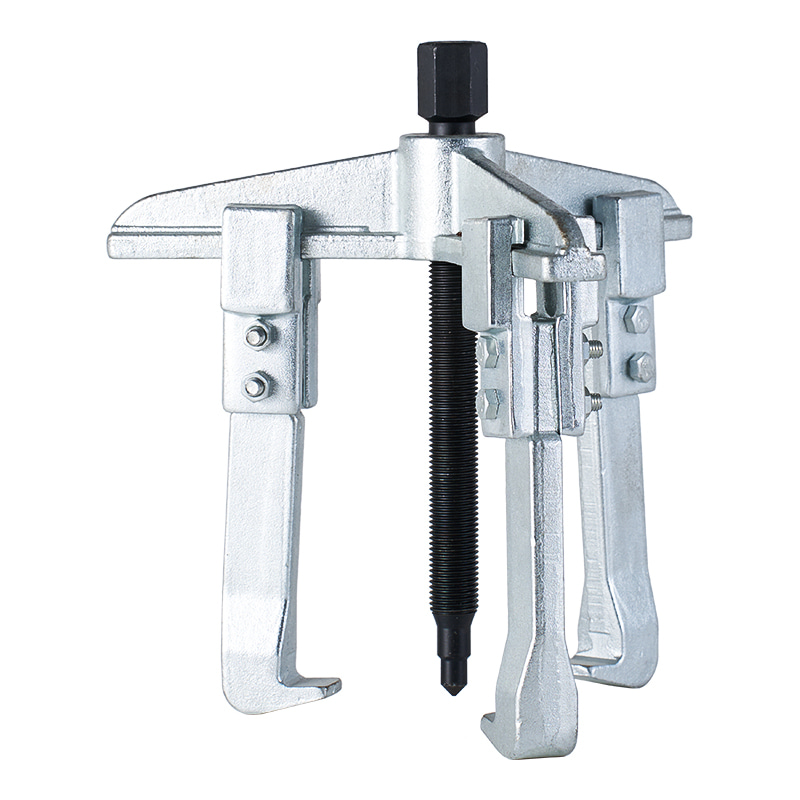
Model: SN0110
-
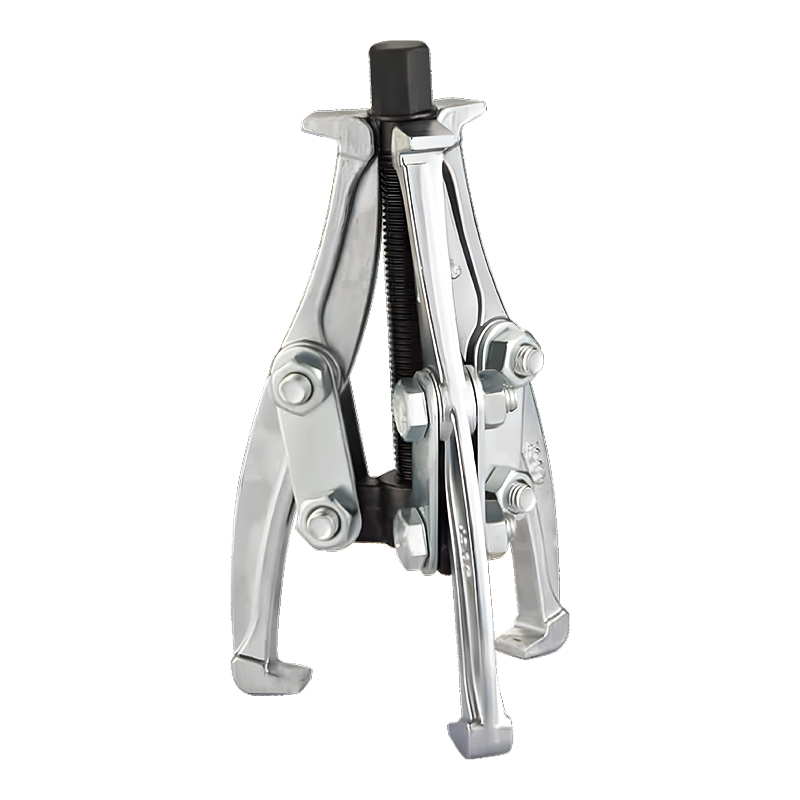
Model: SN0118
-
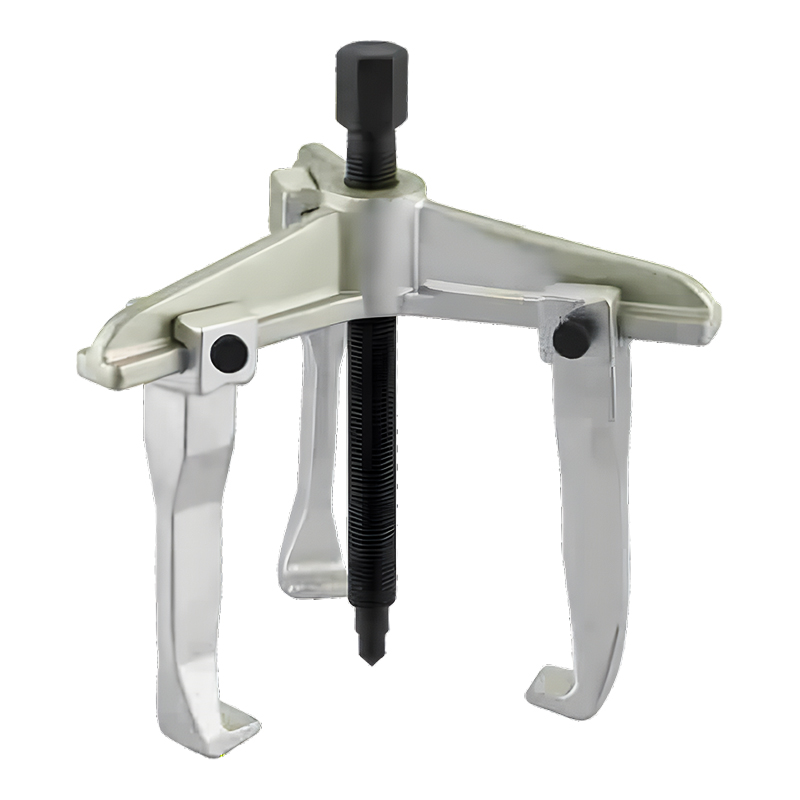
Model: SN0122
-
Model: SN0118-1
Submit feedback
What Are the Storage and Care Tips for Thin Two Jaw Bearing Puller
2026-07-31
A puller tool sits in the drawer for most of its life. It comes out for specific jobs and goes back when the work finishes. The thin design of a two jaw bearing puller offers advantages in tight spaces, but the slimmer construction also makes it more vulnerable. The jaws are narrower than those on standard pullers. The crossbar is lighter. The center screw has a smaller diameter.
The investment in a quality tool justifies the time spent on care. A Thin Two Jaw Bearing Puller that gets proper attention will last for decades. One that gets neglected will fail at the worst possible moment. The cost of replacing a damaged tool often exceeds the cost of the maintenance that would have prevented the damage.
The condition of the tool affects job safety as well. A puller that fails under load can cause injury. The operator depends on the tool to hold the load and apply force safely. A well-maintained tool does its job without surprises. A neglected one becomes a risk.
What Cleaning Practices Keep a Thin Two Jaw Puller in Good Condition
Cleaning starts as soon as the job finishes. Metal shavings, grease, and debris accumulate on the tool during use. The debris works its way into the threads and the sliding surfaces. Left in place, it causes wear and corrosion.
The center screw threads need particular attention. The threads see the most force during operation, and any debris in the threads creates friction. The friction makes the tool harder to turn and accelerates thread wear. A clean thread turns smoothly and lasts longer.
Solvent selection matters for cleaning. A mild solvent that removes grease and oil works well for most pullers. Harsh solvents can damage the finish or affect the metal. The solvent should be applied with a cloth rather than soaking the tool. The table below compares cleaning methods for different tool components.
| Component | Cleaning Method | What to Avoid |
|---|---|---|
| Center screw | Wipe with solvent, brush threads | Submerging in solvent |
| Jaws | Wipe clean, remove stuck debris | Abrasive cleaning that removes metal |
| Crossbar | Wipe with cloth | Harsh chemicals |
| Sliding surfaces | Clean with solvent, dry thoroughly | Leaving solvent residue |
How Lubrication Protects the Threads and Moving Parts
Lubrication reduces friction between the moving parts of the puller. The center screw relies on smooth movement to apply force evenly. The jaw pivots need to move freely to grip the component being pulled. The sliding surfaces of the crossbar require lubrication for smooth operation.
A light oil or anti-seize compound works well on the center screw. The oil forms a barrier between the threads, reducing wear and preventing galling. The anti-seize compound is particularly useful when the tool experiences heavy loads.
The jaw pivots benefit from a drop of oil at each pivot point. The oil keeps the jaws moving freely and prevents stiffness. The jaws should move without binding when the puller is assembled.
What Storage Conditions Extend the Life of a Thin Jaw Puller
Moisture is the enemy of any steel tool. A Thin Two Jaw Bearing Puller left in a damp environment will develop rust. The rust attacks the threads and the sliding surfaces, reducing the tool's effectiveness.
A dry environment with stable temperature protects the tool. The storage area should have low humidity and no condensation. A dehumidifier can help in basements or garages where moisture levels are high.
A protective case keeps the tool safe from physical damage. The case should hold the components securely without allowing them to shift during handling. The case also keeps dust and dirt away from the tool.
How a 2 Jaw Puller Set Should Be Organized for Easy Access
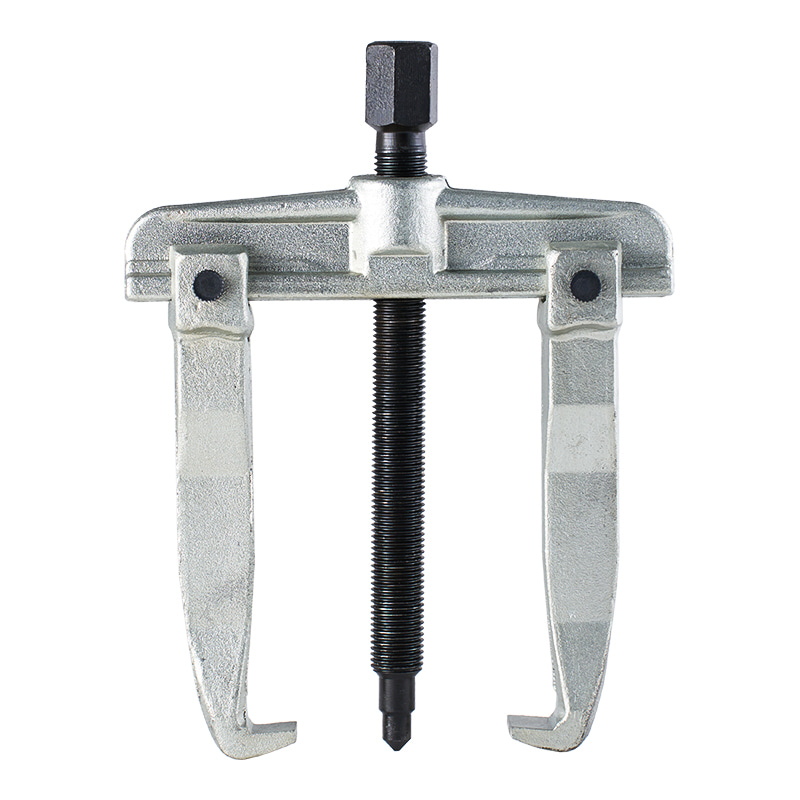
A 2 Jaw Puller Set often includes more than just the puller body. Adaptors, different jaw sizes, and other accessories belong to the set. Keeping the set organized means all the components stay together.
Storage compartments should be labeled for easy identification. The label shows which component belongs in which compartment. The labeling saves time when looking for a specific part and helps users return components to the correct place.
An inventory list provides a record of what belongs in the set. The list can be checked when the tool goes back into storage. Any missing component can be identified and replaced before the next use.
What Regular Inspections Should Be Performed
A visual inspection before each use catches problems before they cause failure. The jaws should be checked for bending, cracks, or wear at the tips. A jaw that has started to bend will not grip the component properly. A cracked jaw may fail under load.
The center screw needs examination for straightness and thread condition. A bent screw will not turn smoothly and can damage the threads in the crossbar. Worn threads may strip under load, causing the puller to lose tension suddenly.
The crossbar and spindle deserve attention as well. The crossbar should sit flat and show no signs of bending. The spindle should fit snugly in the crossbar without excessive play. Any looseness in the spindle indicates wear.
A few points to check before each use:
- Jaws for cracks, bends, or excessive wear at the tips
- Center screw for straightness and thread condition
- Crossbar for flatness and fit with the spindle
- Sliding surfaces for smooth movement and no binding
- All components for rust or corrosion
Where Storage Mistakes Commonly Occur
Leaving the tool in a damp or humid environment causes rust that damages the tool. The rust forms on the threads, the jaw surfaces, and the sliding parts. Once rust sets in, it is difficult to remove without damaging the tool surface.
Storing the tool without cleaning and lubrication lets debris and moisture sit on the surface. The debris traps moisture against the metal, accelerating corrosion. The lubricant that should protect the tool is missing.
Mixing components with other tools increases the chance of damage. A jaw that gets knocked against other metal tools can develop a burr or a bend. The components are more likely to get lost or misplaced.
A few poor storage habits to avoid:
- Leaving the puller in a damp garage or basement without protection
- Storing without cleaning and lubrication
- Mixing components loose with other tools
- Leaving the tool on a workbench where it can be knocked off
- Storing the puller with tension on the center screw
Why Maintenance Habits Lead to Longer Tool Life
Regular care has a cumulative effect. A tool that gets cleaned and lubricated after each use stays in good condition. A tool that gets neglected once shows little effect, but neglect repeated over time leads to wear and corrosion.
Proper storage and maintenance also reduce the risk of injury. A puller that fails under load creates a dangerous situation. The sudden release of tension can send parts flying or cause the user to lose balance. A well-maintained tool holds the load safely.
The difference between a well-maintained and neglected tool shows up in daily use. A well-maintained tool turns smoothly, grips securely, and performs predictably. A neglected tool binds, slips, and creates uncertainty. The user of a well-maintained tool works with confidence.
Final Practical Considerations for Protecting a Thin Two Jaw Bearing Puller
The time spent on care is small compared to the time spent on a job. Cleaning, lubricating, and storing the tool properly takes only a few minutes. The minutes spent on care save hours of frustration when the tool works as expected.
A tool that lasts for decades represents a good investment. The Thin Two Jaw Bearing Puller that has been cared for will serve through many jobs. The same tool that has been neglected will need replacement far sooner.
The storage and care practices that protect the tool are simple. Clean it after use. Lubricate the moving parts. Store it in a dry place. Inspect it regularly. These steps take little time and protect the tool from damage. The puller will be ready when the next job comes along.

-

Fax: +86-576-82686606
-

Tel: +86-576-82686563
+86-576-82686832 -

E-mail: [email protected]
-

Add: Fengjiang Industrial Park, Luqiao Area,Taizhou City, Zhejiang Province, China
Copyright © 2025 Taizhou Xinming Technology Co., Ltd. All Rights Reserved.

Sale Hardware Tools Factory