

 русский
 Español
 عربى
عربى-
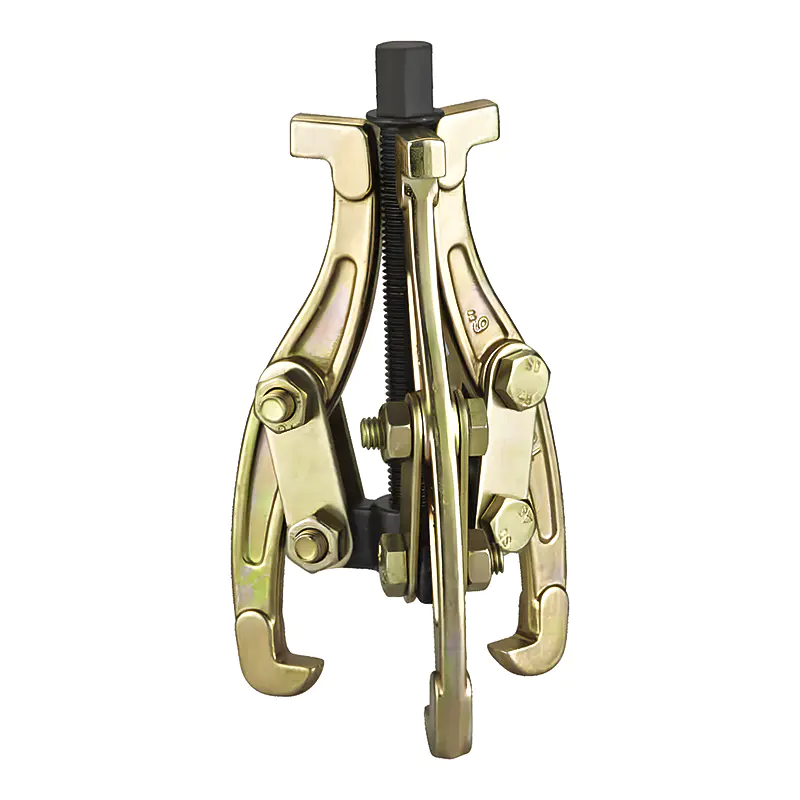
Model: SN0101
-
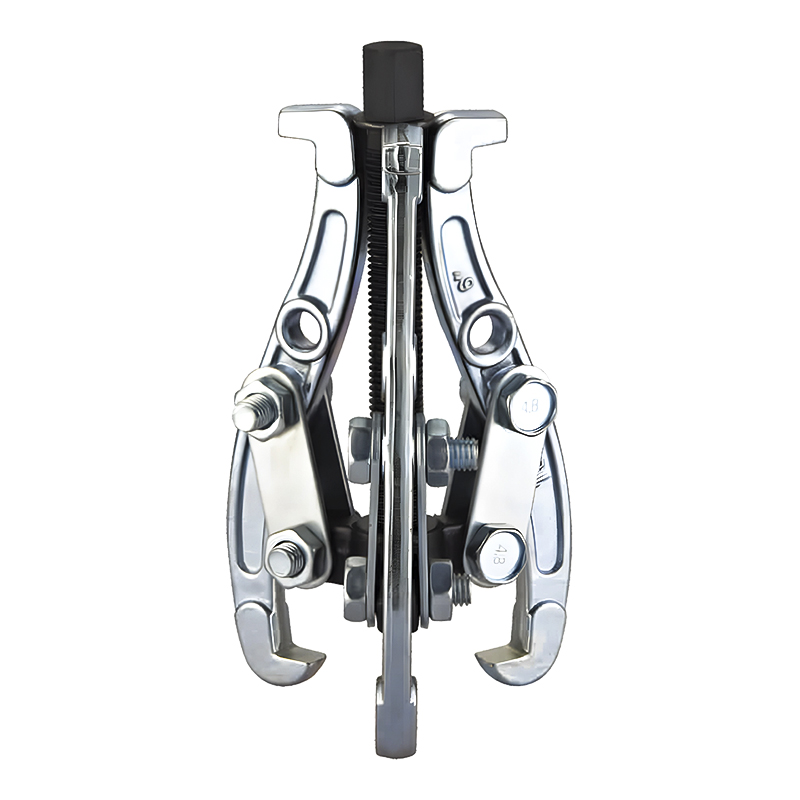
Model: SN0102-1
-
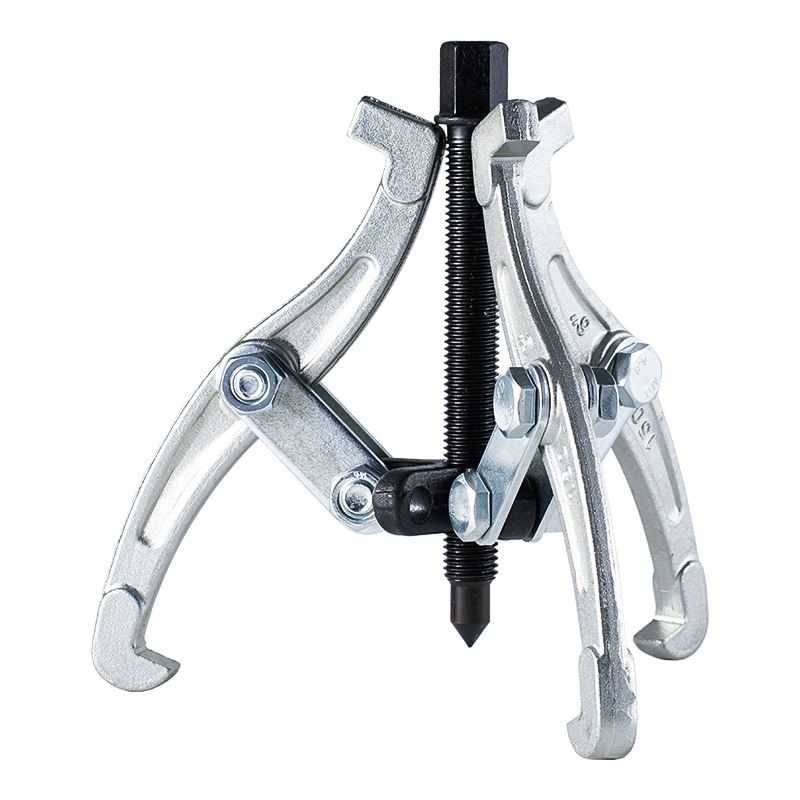
Model: SN0103
-
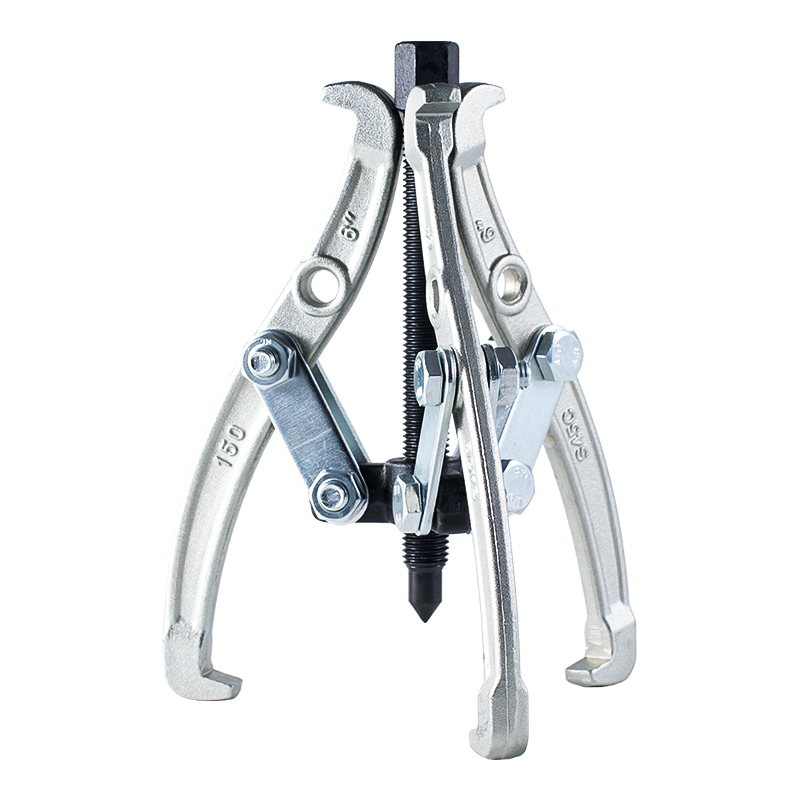
Model: SN0102 SN0107
-
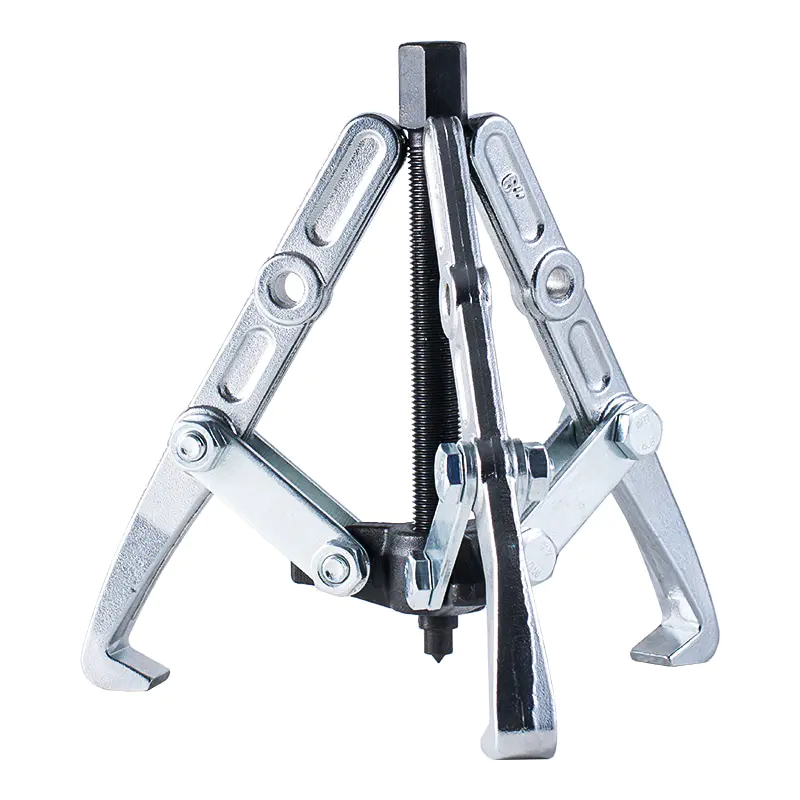
Model: SN0108 SN0109
-
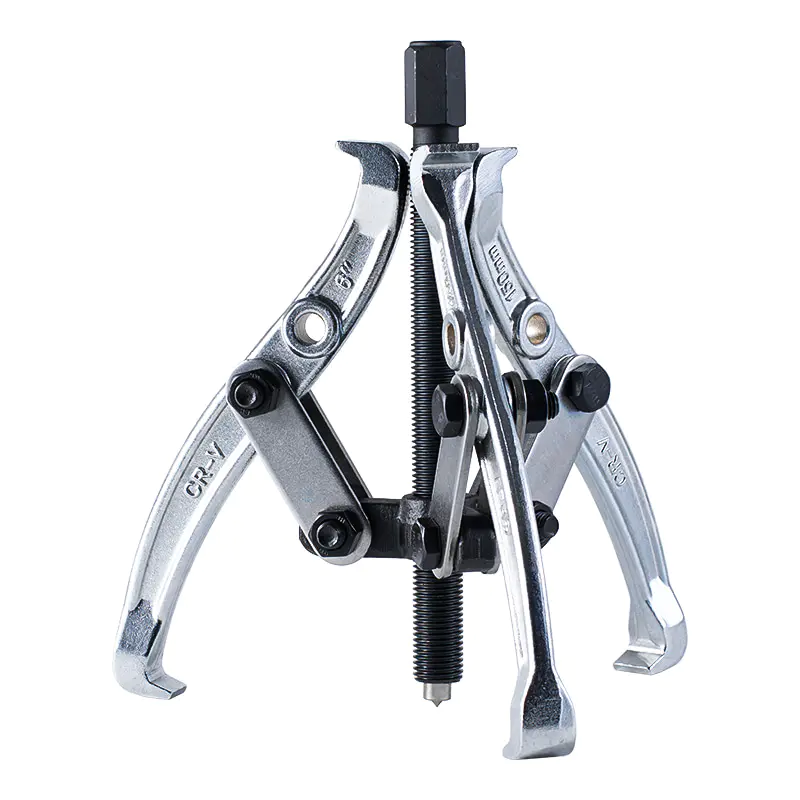
Model: SN0105
-
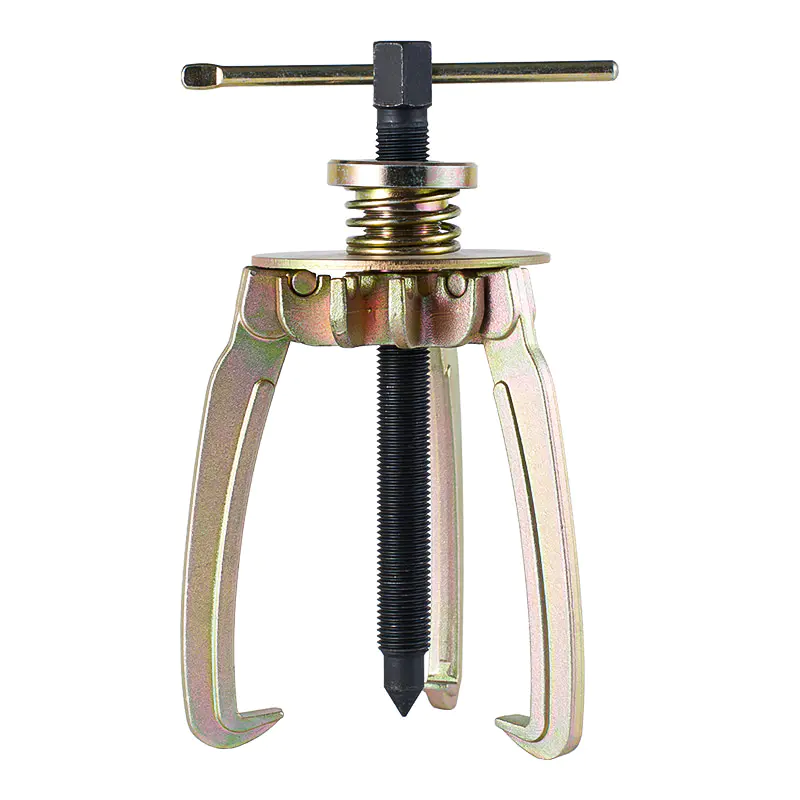
Model: SN0106
-
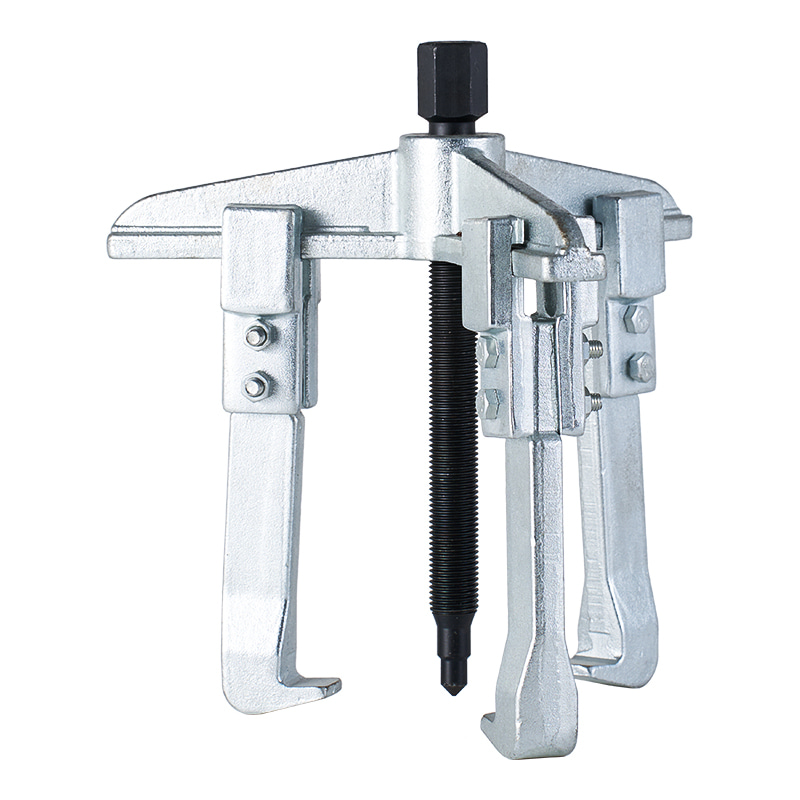
Model: SN0110
-
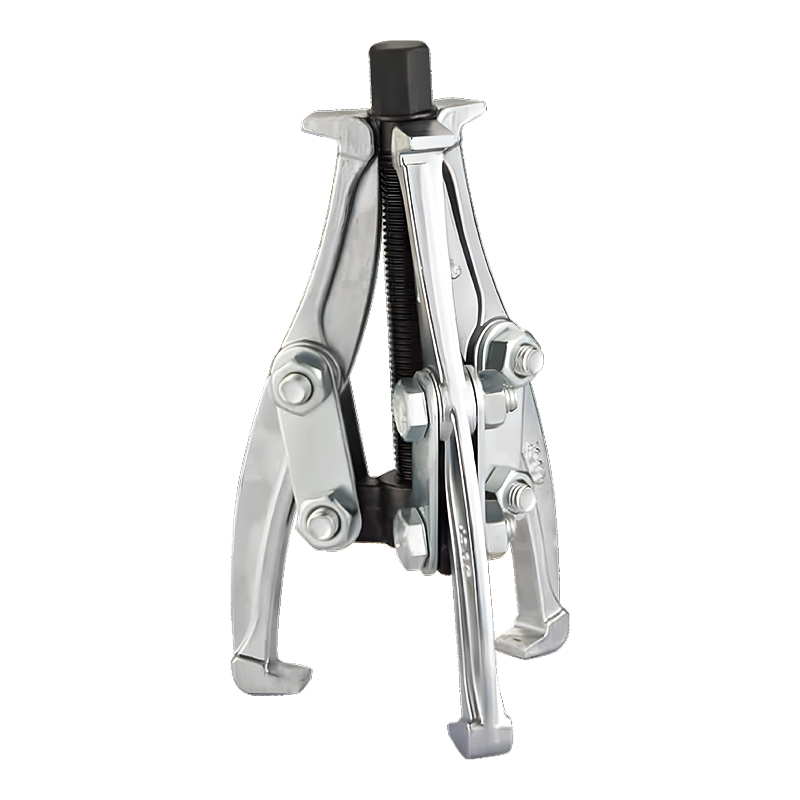
Model: SN0118
-
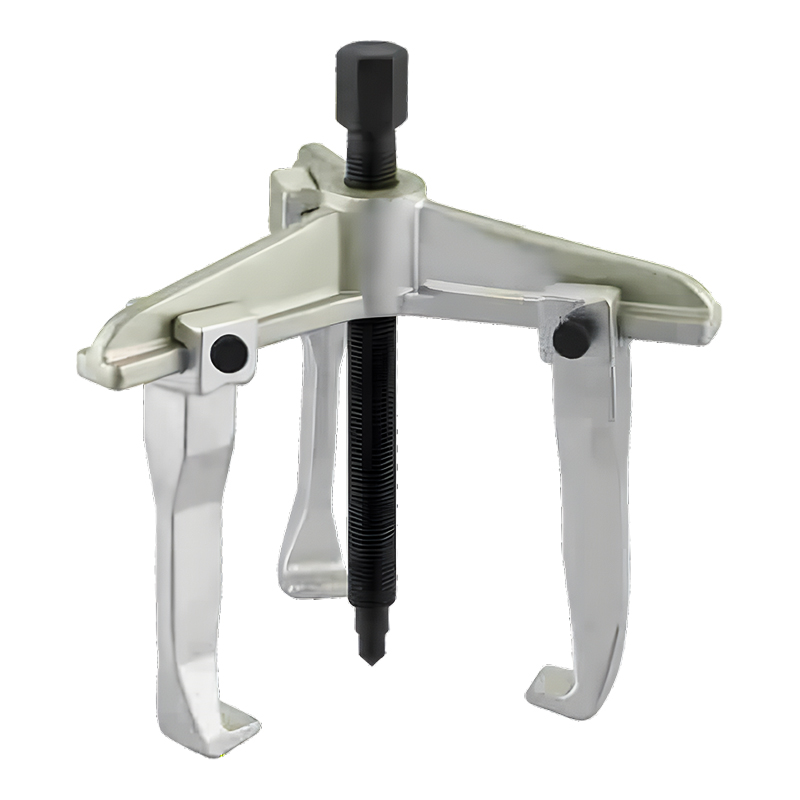
Model: SN0122
-
Model: SN0118-1
Submit feedback
Is Thin Two Jaw Bearing Puller Suitable for Tight Engine Bays
2026-07-24
Repair work often becomes more complicated because of limited space rather than the condition of the part itself. Modern engine bays, compact machinery, agricultural equipment and industrial assemblies place many components close together. Bearings, pulleys and gears may sit behind surrounding brackets, pipes or housings, leaving very little room for ordinary hand tools.
In situations like this, choosing the correct puller often makes the difference between a controlled repair and unnecessary disassembly. A Thin Two Jaw Bearing Puller is designed for jobs where access is limited and surrounding parts leave only a narrow opening around the component. Instead of forcing a larger tool into a restricted area, a slimmer jaw profile allows the puller to reach locations that would otherwise require additional parts to be removed.
Many repair technicians keep several pullers available because every maintenance job presents different space conditions. A 2 jaw puller set provides several sizes, allowing the user to select a puller that matches both the component and the available working area.
Why Component Removal Becomes Difficult In Tight Engine Bays
Looking inside an engine bay quickly explains why access is often limited. Belts, brackets, hoses, cooling parts and electrical connections share the same working area. Removing one bearing may require reaching between several nearby components without damaging them.
Space limitations create several practical challenges.
- little room to position the puller
- limited movement for hand tools
- reduced visibility around the work area
- uneven pulling angles
- greater possibility of scratching nearby parts
Consider a pulley located close to an engine housing. A standard puller with thick jaws may not slide behind the pulley because surrounding parts block the opening. Removing additional components solves the problem, although that also increases repair time. A thinner jaw profile often reaches behind the pulley without creating extra work.
Another common example appears during bearing replacement. Bearings sometimes fit tightly inside narrow mechanical assemblies where only a small section of the outer edge remains accessible. Large pullers cannot grip the bearing evenly, while a slim puller can enter the available gap more easily.
Compact working spaces appear in many repair environments, not only automotive maintenance.
Examples include:
- electric motors
- pumps
- gearboxes
- agricultural machinery
- workshop equipment
- industrial transmission systems
Each application presents slightly different space limitations, although the challenge remains similar: creating enough grip without disturbing nearby components.
What Is A Thin Two Jaw Bearing Puller
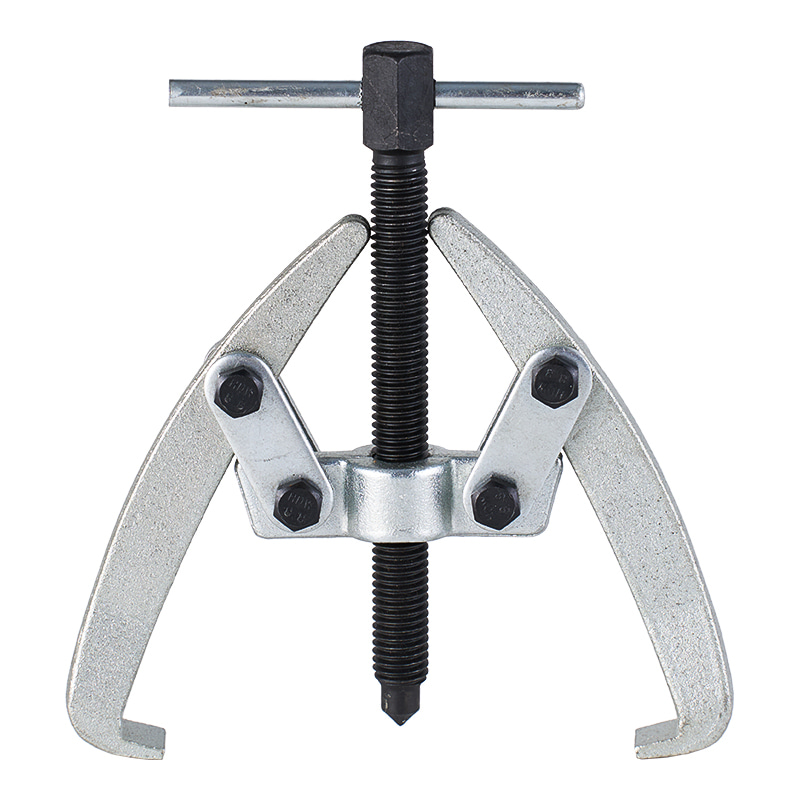
A Thin Two Jaw Bearing Puller is a mechanical removal tool designed to grip a component from two opposite sides while applying steady pulling force through a central screw.
Unlike heavier pullers used for open spaces, the slim jaw profile allows access to narrow gaps around bearings, gears and pulleys. Less jaw thickness creates more working clearance where ordinary pullers cannot fit comfortably.
Basic construction remains simple.
Main parts usually include:
- two movable jaws
- central forcing screw
- adjustable cross beam
- handle point for screw rotation
Each part performs a different function. Jaws grip the component. The cross beam keeps both jaws aligned. The forcing screw gradually transfers pulling force toward the center of the shaft.
Balanced positioning matters more than pulling speed. Proper alignment allows force to spread evenly across both sides of the component instead of concentrating pressure on one edge.
How A Thin Two Jaw Bearing Puller Works
Successful bearing removal depends more on steady force than heavy force.
Work normally begins by selecting jaws that fit behind the component. Both jaws should contact opposite sides evenly before tightening begins. Once the screw reaches the center of the shaft, turning the screw slowly transfers pulling force through the tool while the jaws hold their position.
During removal, several points deserve attention.
- confirm equal jaw engagement
- keep the forcing screw centered
- rotate the screw gradually
- observe component movement
- stop when resistance changes unexpectedly
Gradual movement often indicates that the pulling force remains balanced. Sudden movement or uneven lifting may suggest that one jaw has shifted or that the puller no longer sits correctly.
Imagine removing a small bearing from an electric motor housing. Limited clearance leaves only a narrow edge exposed. A thin jaw can slide behind that edge with less effort than a thicker design. Once positioned correctly, equal force from both jaws allows the bearing to move outward in a controlled way.
A similar approach applies when removing gears from shafts. Proper jaw placement reduces sideways pressure, allowing the gear to separate without unnecessary twisting.
When A Thin Two Jaw Bearing Puller Becomes A Practical Choice
Not every maintenance task requires the same puller design. Open machinery with plenty of surrounding space allows several tool options. Restricted assemblies often require a more compact solution.
Situations where a slim puller is frequently used include:
- removing bearings close to housings
- pulling timing gears
- servicing belt pulleys
- separating bushings
- removing small mechanical hubs
- maintenance inside compact machinery
Repair shops often face jobs where only one side of the component remains visible. A standard puller may contact surrounding parts before reaching the bearing itself. Thin jaws reduce that interference, allowing work to continue without removing additional assemblies.
Another practical situation involves repeated maintenance. Equipment used regularly for manufacturing or processing sometimes requires scheduled bearing replacement. Selecting a puller that reaches the component directly can simplify routine servicing while reducing unnecessary handling of surrounding parts.
How Does It Compare With Other Puller Designs
Every puller design serves a different purpose. Differences become clearer when considering working space rather than overall pulling force.
| Puller type | Working space | Grip style | Typical application |
|---|---|---|---|
| Thin two jaw puller | Narrow clearance | Two-point grip | Compact assemblies and limited access |
| Standard two jaw puller | Open working area | Two-point grip | General maintenance |
| Three jaw puller | Larger surrounding space | Three-point grip | Components requiring additional balance |
Three-jaw designs provide another gripping point, making them suitable when enough room surrounds the component. Compact engine bays rarely provide that extra clearance. Two jaws often fit where three cannot.
Jaw thickness also changes accessibility. Slim jaws enter smaller gaps, while thicker jaws usually provide more contact surface in open repair conditions.
Selection depends less on one design being universally suitable and more on matching the puller to the available working space and the component waiting to be removed.
Why Many Mechanics Keep A 2 jaw puller set
Repair work rarely follows the same pattern every day. One task may involve a small bearing hidden behind a pulley, while another may require removing a larger gear from an exposed shaft. Using one puller for every situation often creates unnecessary adjustments or makes the work more difficult than expected. For that reason, many workshops prepare a 2 jaw puller set instead of relying on a single tool.
A set allows the user to choose a puller that matches both the component size and the available clearance. A puller that works well on a compact motor may not reach around a larger pulley. On the other hand, a larger tool can become awkward inside a narrow engine bay where surrounding parts leave very little room for movement.
Changing to a more suitable size usually takes less time than trying to force one puller into every repair.
A puller set is often useful for work involving:
- wheel bearings
- small gears
- pulleys
- bushings
- fan hubs
- compact drive assemblies
Keeping several sizes available also helps reduce unnecessary stress on the tool. When jaw opening matches the component correctly, force is shared more evenly and gripping becomes more stable during removal.
What Should Be Considered Before Using A Bearing Puller
Choosing the proper tool is only one part of the job. Careful preparation often makes removal smoother and helps avoid damage to nearby parts.
Begin by checking the condition of the component. Dirt, corrosion or accumulated grease can hide the edge where the jaws need to grip. Cleaning the area improves visibility and helps the puller sit more securely.
Jaw position deserves close attention. Both sides should grip evenly before any pressure is applied. A jaw that contacts only a small corner may slip once force increases.
Several simple checks are useful before starting.
- confirm enough space for the jaws
- match the puller size with the component
- place the forcing screw at the shaft center
- inspect the puller for visible wear
- remove loose dirt around the work area
Working patiently often produces a cleaner result than applying force too quickly. A bearing that begins moving slowly usually indicates balanced pressure. Sudden movement or unusual resistance often suggests that something should be checked before continuing.
Another practical habit involves observing nearby parts during removal. Hoses, electrical wiring and protective covers may sit close to the working area. Making sure they remain clear of the puller helps prevent accidental contact while turning the forcing screw.
How Regular Maintenance Keeps A Puller Ready For Use
Like many workshop tools, a puller performs more smoothly when it receives simple care after each job. Dust, grease and metal particles gradually collect on the screw threads and jaw surfaces. Over time, that buildup can make adjustment feel rough or reduce gripping accuracy.
Cleaning the tool after use removes residue before it hardens. A light coating of lubricant on the forcing screw helps maintain smooth movement and reduces unnecessary friction during future repairs.
Regular inspection is equally important.
Useful maintenance habits include:
- wipe away grease after each job
- clean screw threads before storage
- inspect jaws for chips or bending
- check that moving parts adjust freely
- store the puller in a dry location
Storage also influences long-term condition. Leaving tools mixed together inside a crowded toolbox may create small dents or scratches on working surfaces. Keeping each puller in an organized space makes it easier to find the correct size and helps protect the jaws from unnecessary contact with heavier tools.
Many workshops also inspect pullers before beginning a repair rather than waiting until the tool is already under load. A quick visual check often reveals worn threads, loose parts or damaged jaws that could affect safe operation.
How Working Technique Can Influence Removal Results
A suitable tool does not guarantee a smooth repair. Technique plays an equally important role.
One common mistake is tightening the forcing screw before checking whether both jaws remain fully engaged. As pressure increases, a jaw that is only partly seated may slide away from the component. Repositioning the tool before continuing usually produces a steadier pull.
Force should increase gradually instead of all at once. Slow adjustment gives the component time to respond while allowing the user to notice any unusual movement. Bearings and gears often separate little by little rather than releasing immediately.
Body position also deserves attention. Standing directly in front of the puller may place unnecessary risk on the operator should the component release unexpectedly. Working slightly to one side while maintaining clear control of the tool provides a more comfortable position.
During difficult removals, taking a short pause to inspect jaw alignment often saves time later. Small corrections made early can prevent repeated repositioning after the tool has already been tightened.
Why Thin Two Jaw Bearing Puller Fits Compact Repair Work
Many mechanical assemblies continue to become more compact, leaving less room for maintenance tools than in older designs. Repair technicians often face situations where access is limited long before the component itself becomes difficult to remove.
A Thin Two Jaw Bearing Puller offers a practical solution in many of those situations because the slim jaw profile reaches narrow spaces without requiring unnecessary disassembly around the work area. Combined with a properly selected 2 jaw puller set, different repair tasks become easier to approach as the available size can be matched to the component instead of adapting the component to the tool.
Engine bays are only one example. Small industrial machines, pumps, electric motors and transmission assemblies all contain locations where surrounding parts restrict tool movement. In each case, careful tool selection, balanced pulling force and patient working habits often contribute more to a successful repair than excessive force.
Good preparation, correct jaw positioning and routine tool maintenance help the puller remain reliable over many repair jobs, making everyday maintenance cleaner, more controlled and easier to manage in confined working spaces.

-

Fax: +86-576-82686606
-

Tel: +86-576-82686563
+86-576-82686832 -

E-mail: [email protected]
-

Add: Fengjiang Industrial Park, Luqiao Area,Taizhou City, Zhejiang Province, China
Copyright © 2025 Taizhou Xinming Technology Co., Ltd. All Rights Reserved.

Sale Hardware Tools Factory