

 русский
 Español
 عربى
عربى-
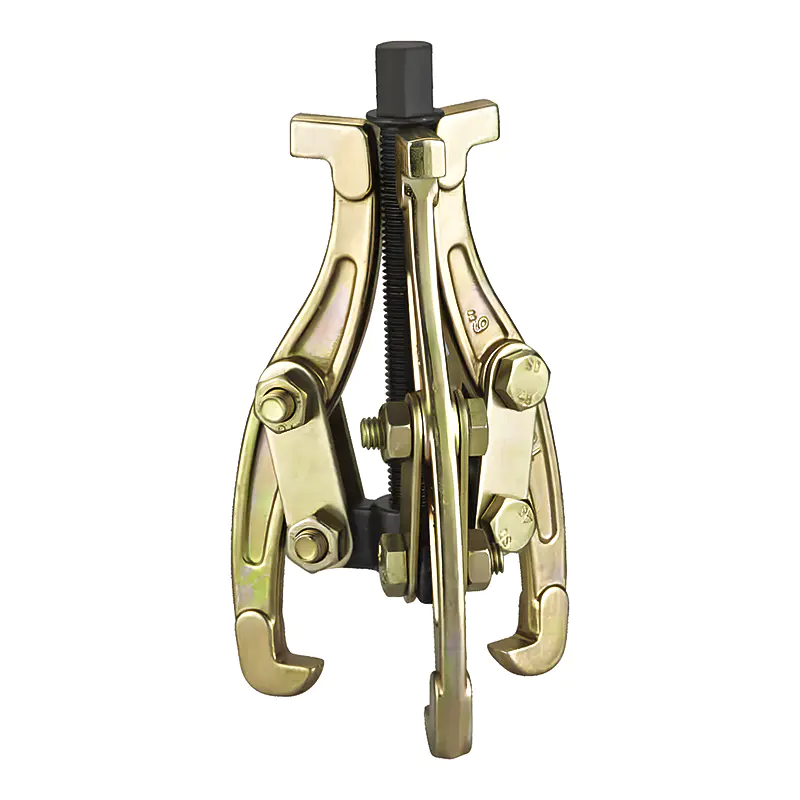
Model: SN0101
-
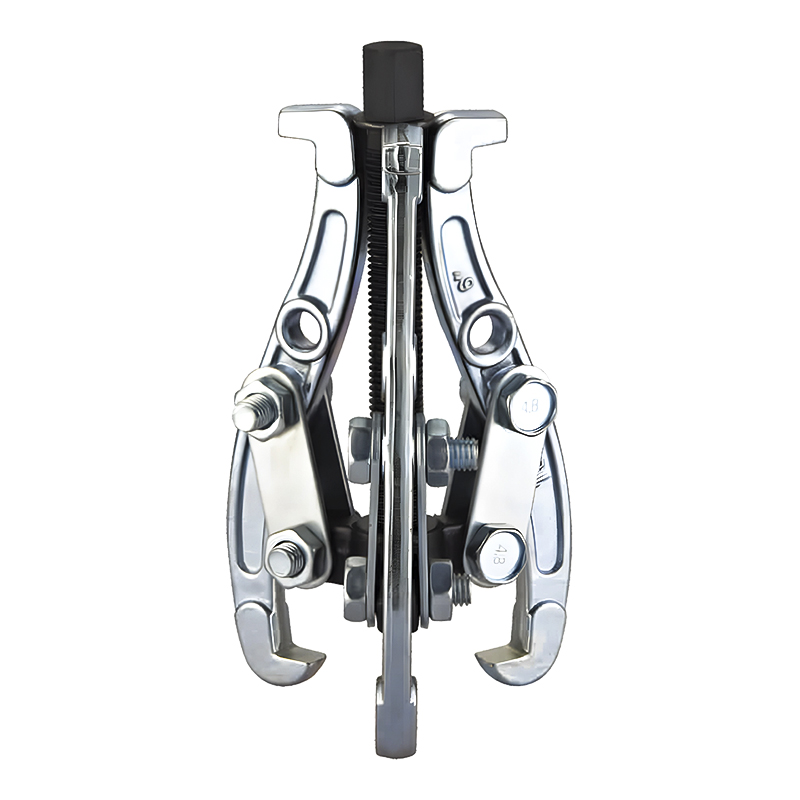
Model: SN0102-1
-
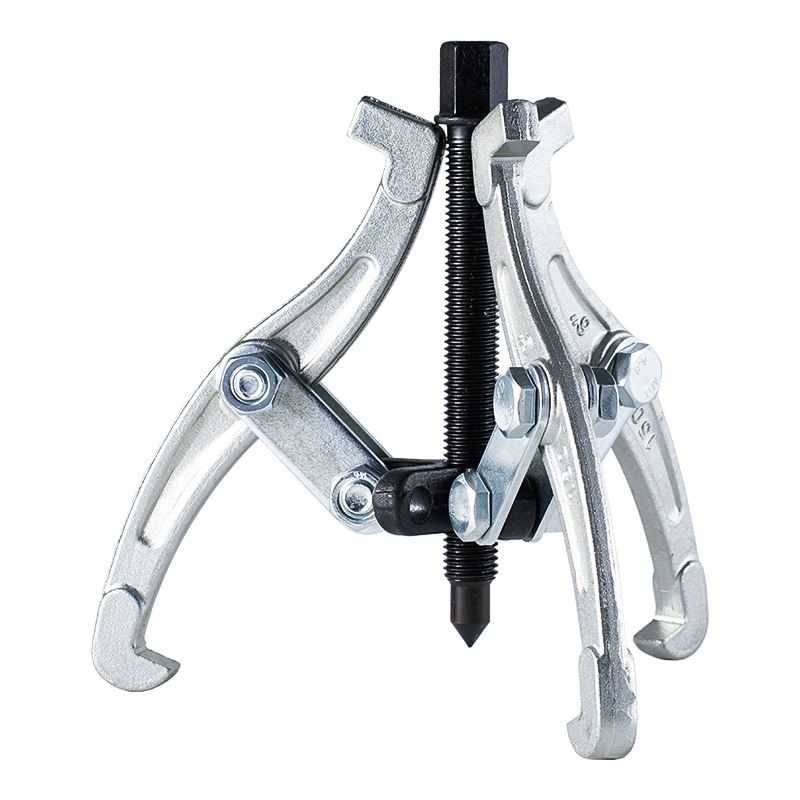
Model: SN0103
-
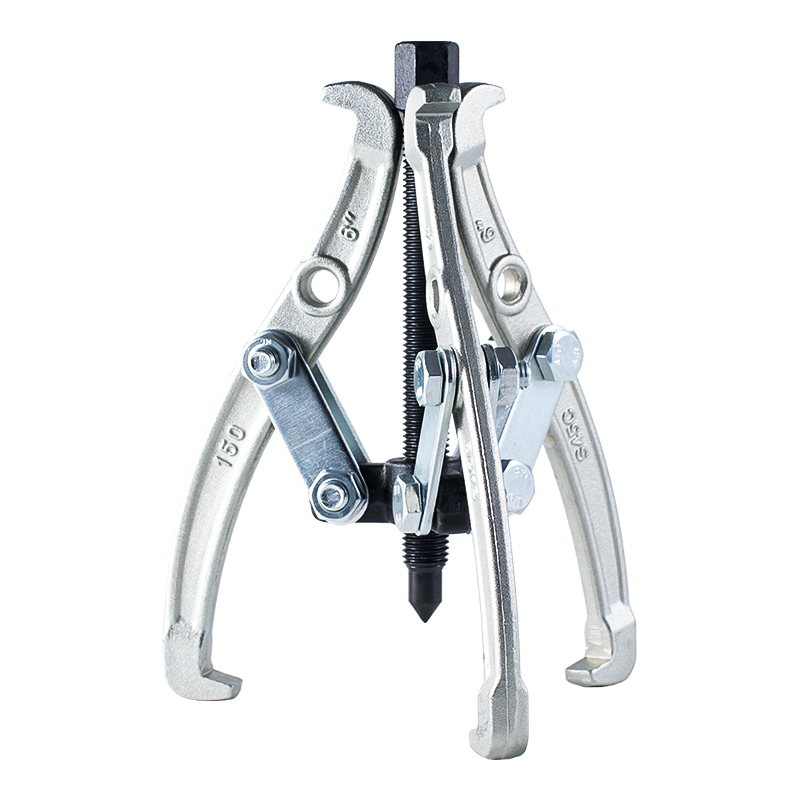
Model: SN0102 SN0107
-
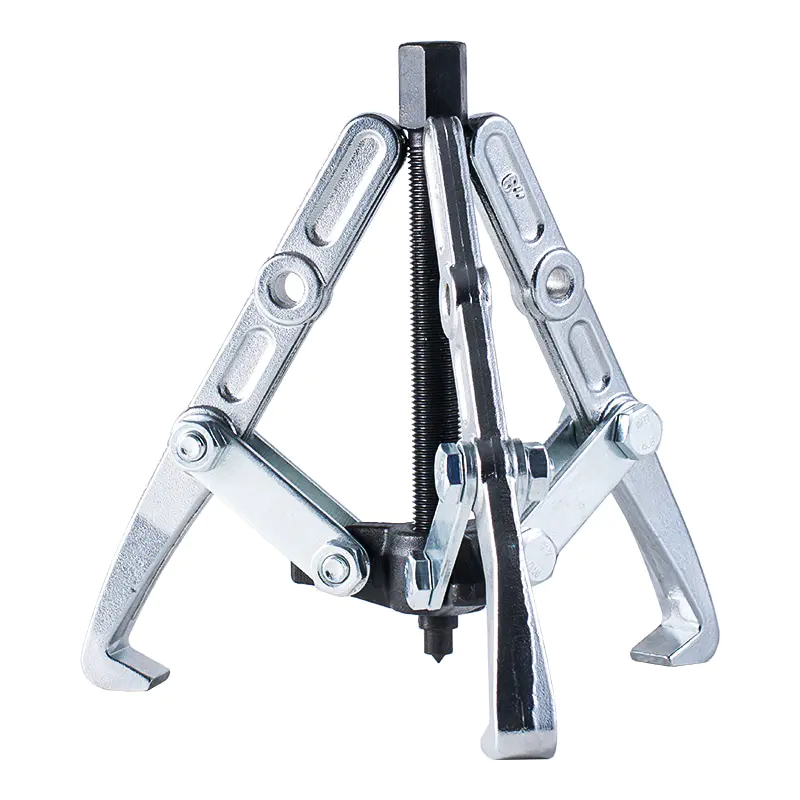
Model: SN0108 SN0109
-
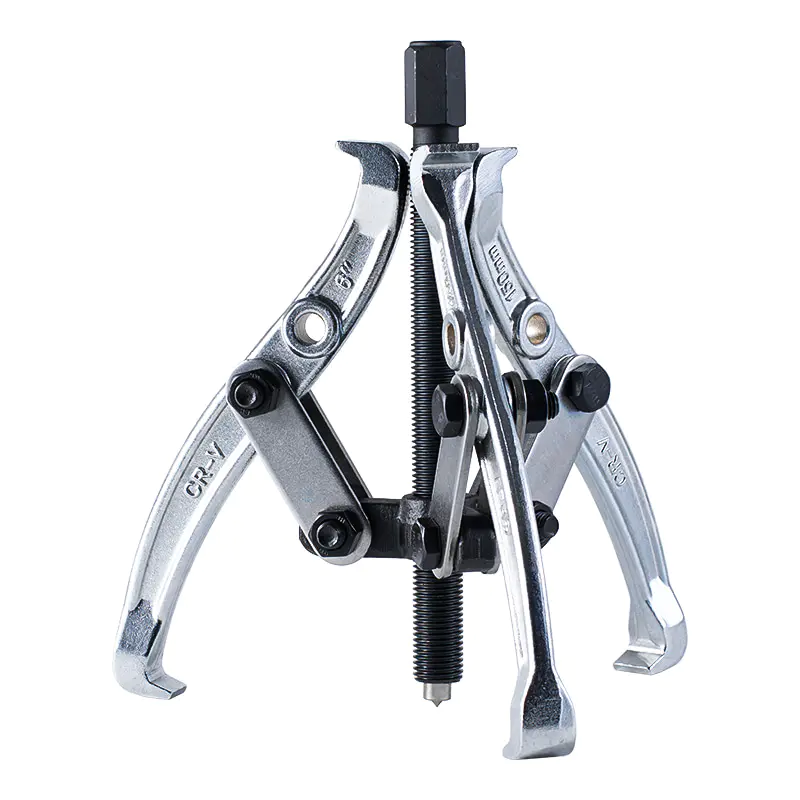
Model: SN0105
-
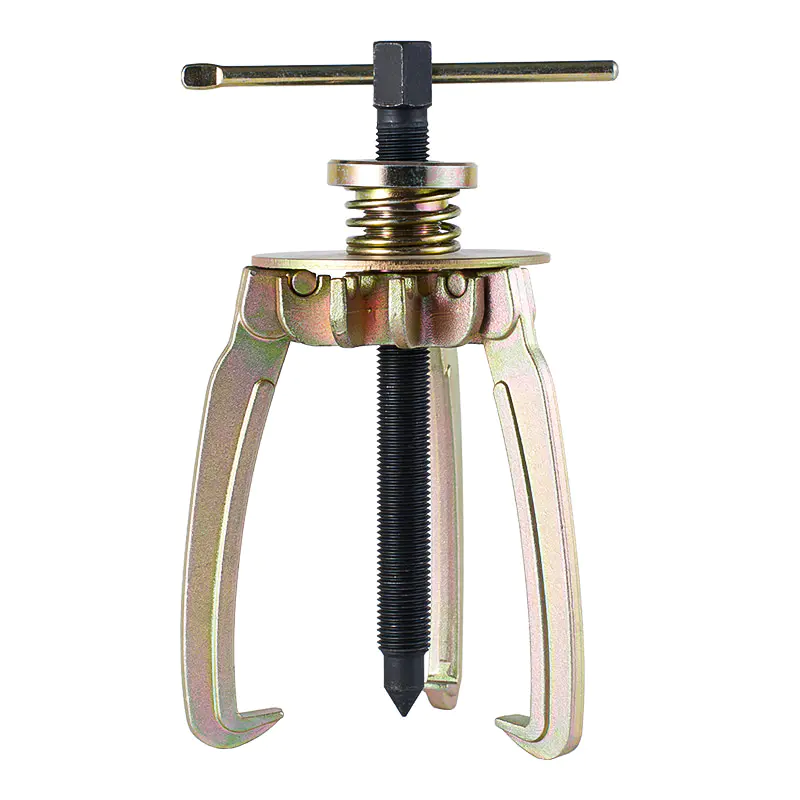
Model: SN0106
-
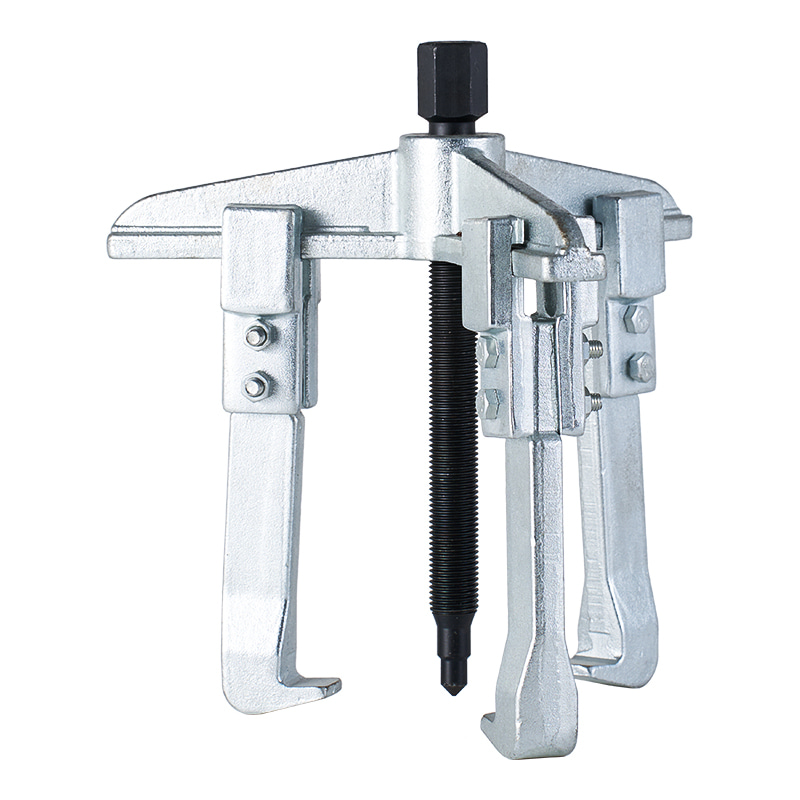
Model: SN0110
-
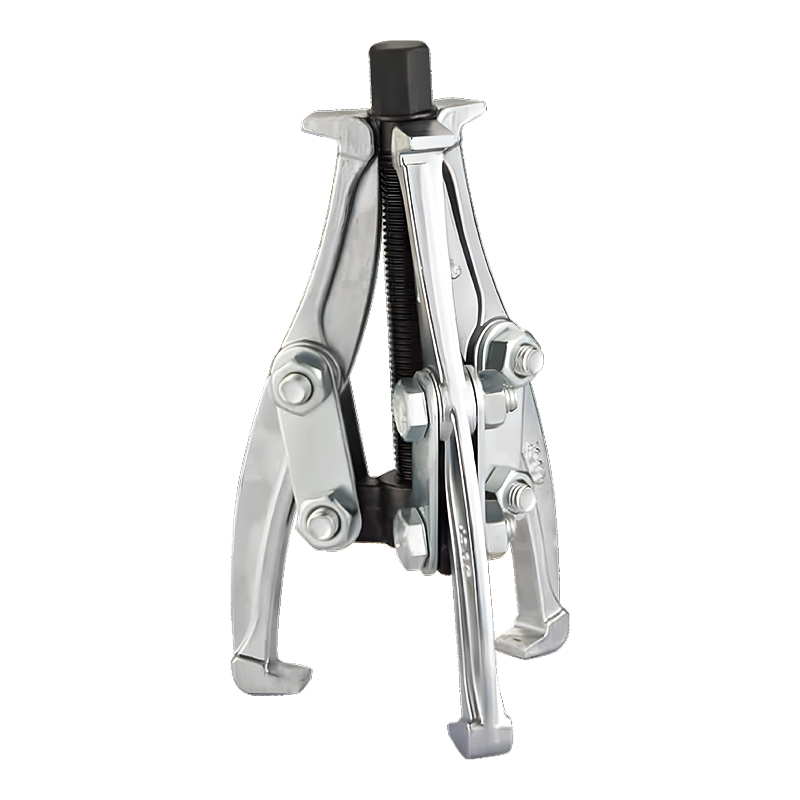
Model: SN0118
-
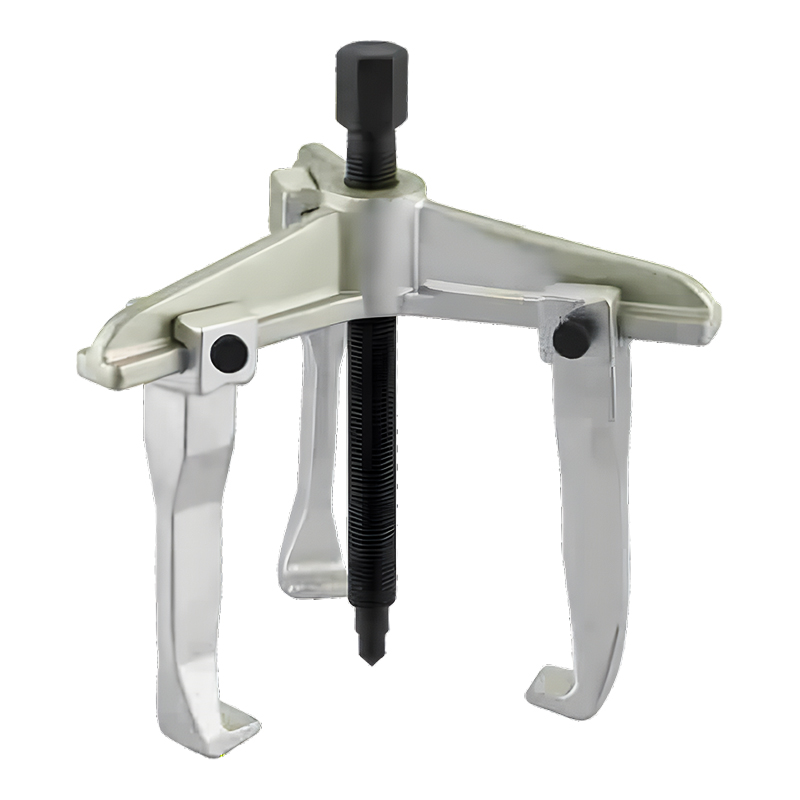
Model: SN0122
-
Model: SN0118-1
Submit feedback
How to Store and Transport a Hydraulic Gear Puller Set
2026-08-07
Industrial maintenance work really doesn't stop at how a tool performs mid-task — it hinges just as much on how that equipment gets handled before and after the job's done. Storage has quietly become a genuine part of equipment management, mostly because whatever conditions surround a tool day to day end up shaping how ready it is the next time someone reaches for it.
A Hydraulic Gear Puller Set tends to move around constantly — workshops, maintenance rooms, warehouses, out to field locations and back. Every one of those stops brings its own environmental quirks, which is exactly why organized storage deserves treatment as an ongoing routine rather than something bolted on after work wraps up.
Dust sits near the top of the list of storage concerns. Fine particles settle onto exposed surfaces without much warning and gradually work their way around moving parts or connection points. A quick clean before storage cuts down on that buildup and keeps inspection work a lot simpler down the line.
Moisture deserves real attention too. Storage areas sitting in damp surroundings create conditions that just aren't great for metal components over the long haul. Dry surroundings help keep external condition intact while heading off unwanted surface changes before they start.
Mechanical impact shouldn't get overlooked either. Equipment set down without proper support risks accidental contact with nearby tools or storage racks, and small repeated impacts add up — chipping away at external condition and throwing off the organization inside storage cases over time.
Long stretches without use bring their own wrinkle. Idle equipment can sit in storage for a while before maintenance work picks back up, and keeping that storage organized just makes inspection a lot easier once things get moving again.
A handful of storage concerns tend to get routine attention:
- Dust protection
- Dry surroundings
- Stable storage position
- Protection against accidental contact
- Easy access for inspection
Good storage planning really feeds into broader workplace organization too. Equipment that's clearly arranged cuts down on unnecessary searching and helps maintenance staff get tools ready faster before work even starts.
Keeping equipment together in one designated spot also cuts the odds of misplacing accessories along the way. Hydraulic components, puller arms, fastening parts — all of it stays a lot easier to track down when every piece has its own assigned place.
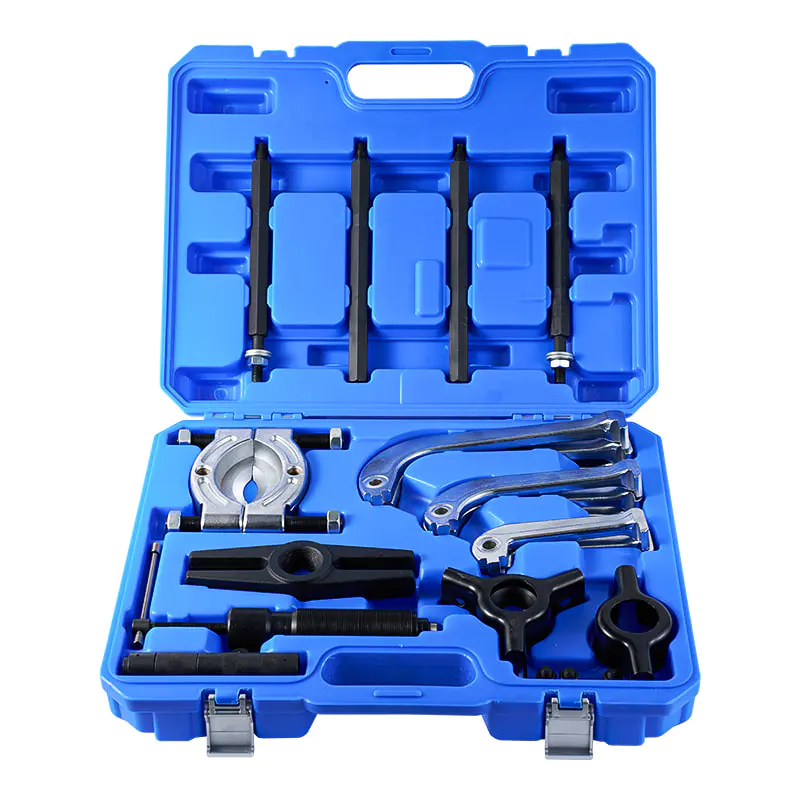
Which Storage Environment Helps Maintain Tool Condition?
Storage environment really shapes both organization and equipment condition together. A well‑arranged storage area keeps maintenance tools protected while making routine inspection and inventory tracking a lot less of a chore.
Dry surroundings matter here because moisture can gradually work on exposed metal surfaces given enough time. Proper ventilation helps too, keeping storage conditions cleaner overall by cutting down on unnecessary humidity buildup.
Stable temperature plays into consistency as well. Frequent environmental swings can mess with protective packaging and general storage organization, so keeping surroundings controlled just makes everything easier to manage.
Clean storage areas simplify maintenance work across the board. Dust, debris, unnecessary clutter — all of it tends to pile onto the cleaning workload before equipment can even go back into service.
Protective carrying cases add another practical layer here too, keeping individual components separated while making transportation that much smoother once storage ends.
A few environmental factors really support organized equipment management:
- Clean shelves or storage cabinets
- Dry surroundings
- Stable environmental conditions
- Protective carrying cases
- Sufficient space between stored equipment
Component separation genuinely improves organization on its own. Hydraulic cylinders, puller arms, extension pieces, fastening accessories — each one gets easier to inspect once it has its own dedicated spot inside the storage case rather than getting jumbled together.
Organized layouts really do cut down on unnecessary handling too. Maintenance staff can spot a missing item almost immediately, well before equipment ever leaves the storage area. Storage labels round things out nicely on the inventory side — simple identification cuts confusion between similar‑looking equipment and speeds up retrieval when time matters.
How Should Components Be Organized Before Transportation?
Transportation prep really starts well before equipment ever gets moved. Organized packing cuts down on unnecessary shifting inside carrying cases and helps keep individual components protected along the way.
Hydraulic cylinders usually get their own dedicated spot, since their shape doesn't really match up with other accessories. Stable placement there helps limit contact with surrounding parts once things start moving.
Puller arms do better with separate storage space wherever that's possible. Keeping them positioned deliberately cuts down on repeated friction between metal surfaces and makes reassembly a lot smoother once they arrive.
Connecting accessories should stay grouped by function rather than scattered randomly. That kind of classification really speeds up preparation once equipment reaches the work site.
Fasteners need their own attention too — small parts get a lot easier to find when they're sitting in individual compartments instead of rattling around loose inside a carrying case.
A few preparation steps genuinely improve transportation organization:
- Clean equipment before packing
- Place larger components in stable positions
- Separate smaller accessories
- Secure moving parts inside storage cases
- Confirm that every component has been returned after use
Protective inserts inside carrying cases help cut down on internal movement too, which really supports better organization and reduces repeated contact between metal parts along the way. Getting all this prep done ahead of time genuinely saves time on the other end — equipment shows up organized and ready for inspection before maintenance work even begins.
What Transportation Practices Help Reduce Equipment Damage?
Transportation brings a set of conditions that storage just doesn't — vibration, repeated movement, loading and unloading, temporary stops along the way to wherever the equipment's actually headed.
Protective packaging cuts down on direct contact between equipment and whatever else is around it during transport. Carrying cases built around organized component placement really help keep things internally stable throughout that whole process.
Loading position matters for safety too. Equipment sitting on stable surfaces is a lot less likely to shift around while vehicles or carts move through different working environments.
Shock reduction deserves its own mention here. Sudden movement can throw off internal organization even with the case closed tight, so stable positioning really helps keep that unnecessary internal shifting to a minimum.
| Transportation Practice | Purpose | Practical Benefit |
|---|---|---|
| Protective Carrying Case | Shields equipment | Reduces outside contact |
| Stable Loading Position | Limits movement | Supports organized transport |
| Component Separation | Prevents friction | Helps maintain external condition |
| Secure Fastening | Reduces shifting | Improves transportation stability |
Careful handling during loading and unloading rounds out the picture nicely. Gentle movement cuts down on accidental impacts and makes inspection after transport a lot more straightforward once everything's finally arrived.
How Routine Inspection Supports Storage Management
Inspection really works alongside storage rather than sitting off as some separate task on its own. Regular observation helps catch small changes before equipment goes back into maintenance work, and simple checking routines don't demand much time while still keeping components genuinely organized.
Surface condition deserves ongoing attention. Dust, scratches, signs of contact from handling or transport — these tend to show up after equipment's been moved around. Catching that early opens the door to cleaning and reorganizing before the next job comes along.
Hydraulic components benefit from a visual look‑over too. External surfaces, connection points, moving sections — checking these for cleanliness and general condition before storage saves headaches down the line.
Storage cases warrant attention in their own right. A carrying case that's picked up damage can lose protective function during transport, letting equipment shift around inside more than it should.
Accessories need to stay complete after every job. A missing connection piece or fastening part can stall later work, which is exactly why inventory checks belong in daily routines rather than getting skipped.
| Inspection Item | Purpose | Storage Benefit |
|---|---|---|
| Surface Condition | Observe visible changes | Supports maintenance planning |
| Hydraulic Components | Review external condition | Helps prepare later use |
| Storage Case | Confirm protective function | Reduces outside contact |
| Accessories | Check completeness | Improves organization |
Inspection records feed into workshop management too, giving maintenance staff a clearer read on equipment condition when planning future work. None of this really calls for complicated procedures — steady habits tend to matter more than the occasional deep‑dive inspection.
Why Organized Inventory Improves Workshop Efficiency
Equipment management stretches well past storage shelves. A workshop with genuinely organized inventory lets maintenance work proceed with fewer interruptions and a lot less unnecessary searching.
Clear identification helps tell different tool sets apart when they're stored within the same workshop. Labels, defined storage spots, organized shelving — all of it simplifies retrieval without adding extra handling along the way.
Component classification pulls its own weight here too. Keeping similar accessories grouped together cuts down on confusion during prep.
A few organizational habits tend to keep inventory management running smoothly:
- Separate complete tool sets
- Group similar accessories
- Keep storage locations consistent
- Maintain simple identification methods
- Return every component after use
Storage layout shapes workflow as well. Equipment arranged around actual usage patterns speeds up prep noticeably before maintenance starts.
From an industry angle, a gear puller manufacturer often factors in transportation, packaging structure, and carrying case layout during product development. Practical storage arrangements help users manage equipment more efficiently without forcing any change to how they actually operate day to day.
Inventory management really runs throughout the whole equipment life cycle. Organized storage cuts unnecessary movement and helps keep tool sets complete over time.
How Storage and Transportation Needs Are Shaping Tool Design
Maintenance environments keep shifting as workshops put more weight on organization, mobility, and general workplace efficiency. Equipment design has been drifting to reflect those practical demands over time.
Compact storage has turned into a genuine design direction worth watching. Modular layouts let components tuck into carrying cases without eating up unnecessary space.
Protective carrying cases keep evolving too. Internal compartments help separate parts and cut down on contact during transport.
A few design trends are picking up steady attention:
- Compact component arrangement
- Modular storage structure
- Protective transportation cases
- Easier carrying between workplaces
Component layout shapes daily handling in a real way. Organized internal positioning lets maintenance staff locate the part they need faster once the case pops open.
Transportation compatibility factors into product design too, since equipment tends to move between storage rooms, service vehicles, and job sites regularly. Practical carrying solutions smooth out those transitions considerably.
Material choice plays into storage performance as well. Durable external surfaces paired with reliable protective cases support repeated transport without piling on complicated upkeep.
Development keeps circling back to practical workplace needs rather than appearance alone. Storage convenience, transportation stability, organized component management — these keep shaping how equipment gets designed going forward.
Why Proper Handling Matters for Long‑Term Equipment Management
Equipment management really depends on a whole web of connected activities rather than any single storage step doing the heavy lifting. Handling, transportation, cleaning, inspection, organization — all of it feeds into keeping working condition where it should be.
A few practical habits support that kind of long‑term management:
- Clean equipment before storage
- Return every component to its assigned position
- Reduce unnecessary movement between storage areas
- Review carrying cases before transportation
- Keep storage areas clean and organized
A Hydraulic Gear Puller Set tends to stay ready for whatever maintenance work comes next when daily management follows consistent routines like these. Organized storage supports smoother inspection, and careful transportation helps preserve component arrangement as equipment moves from place to place.
Handling practices ripple into workplace efficiency too. Equipment that stays organized needs less prep before work starts and goes back into storage a lot more easily once the job's done.
Industry attention toward storage management keeps building, largely because maintenance efficiency draws on more than operational performance on its own. Careful transportation, practical storage planning, regular inspection, and organized inventory all work together to support reliable equipment management across whatever maintenance environment they end up in.

-

Fax: +86-576-82686606
-

Tel: +86-576-82686563
+86-576-82686832 -

E-mail: [email protected]
-

Add: Fengjiang Industrial Park, Luqiao Area,Taizhou City, Zhejiang Province, China
Copyright © 2025 Taizhou Xinming Technology Co., Ltd. All Rights Reserved.

Sale Hardware Tools Factory