

 русский
 Español
 عربى
عربى-
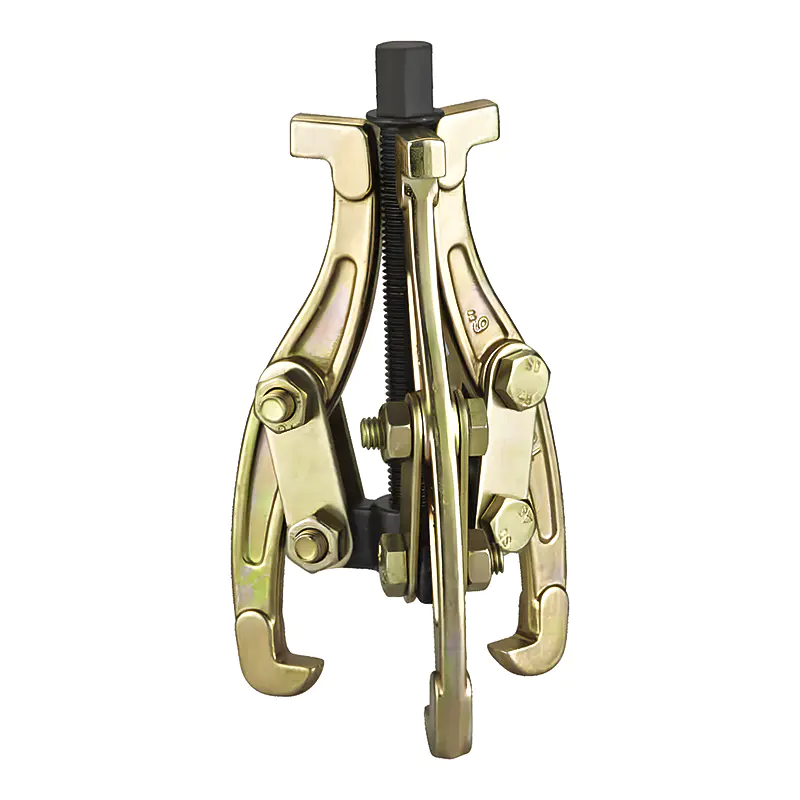
Model: SN0101
-
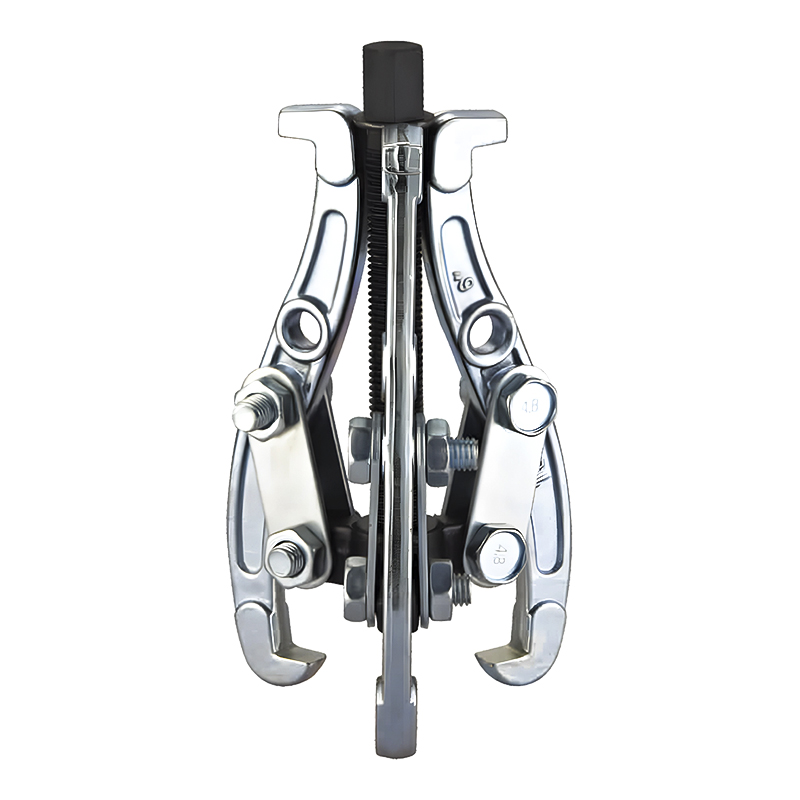
Model: SN0102-1
-
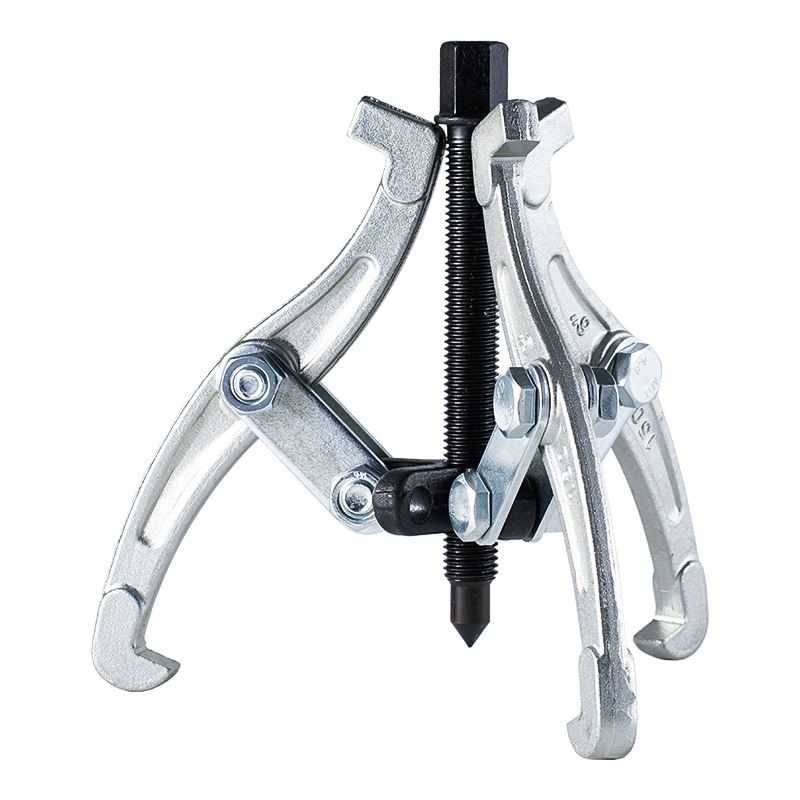
Model: SN0103
-
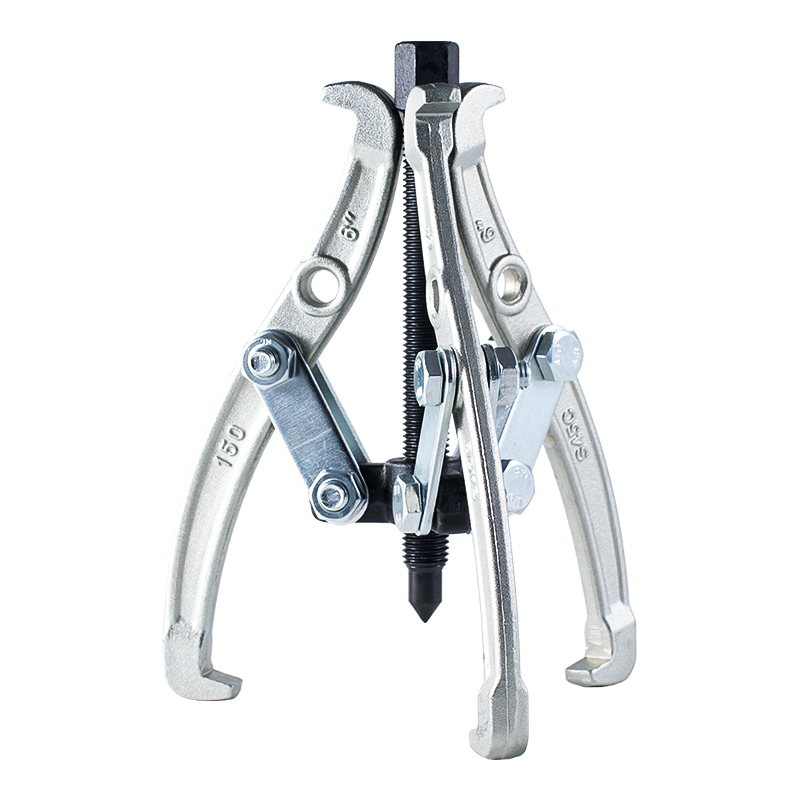
Model: SN0102 SN0107
-
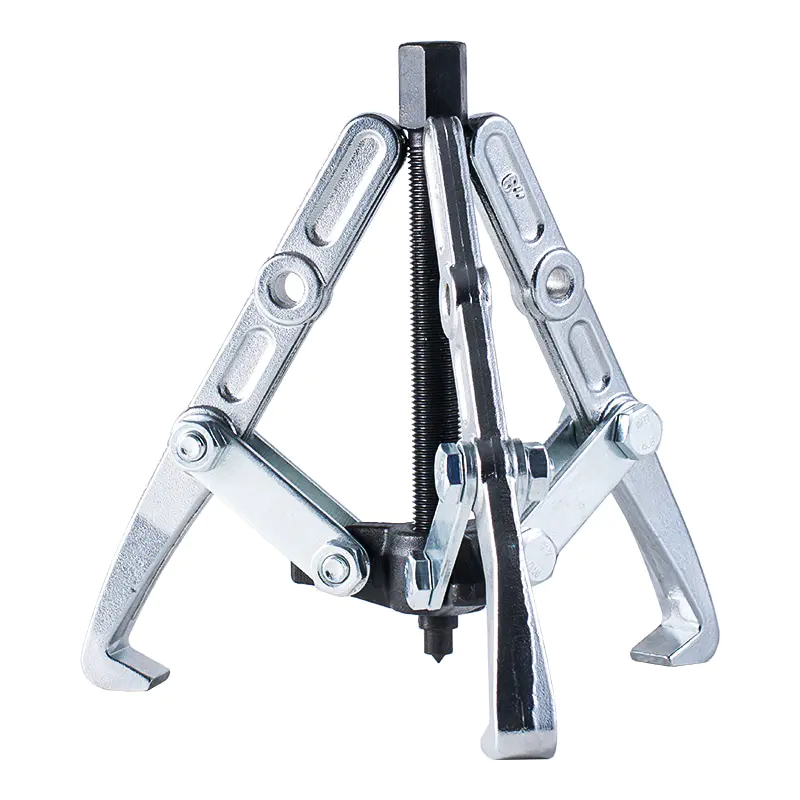
Model: SN0108 SN0109
-
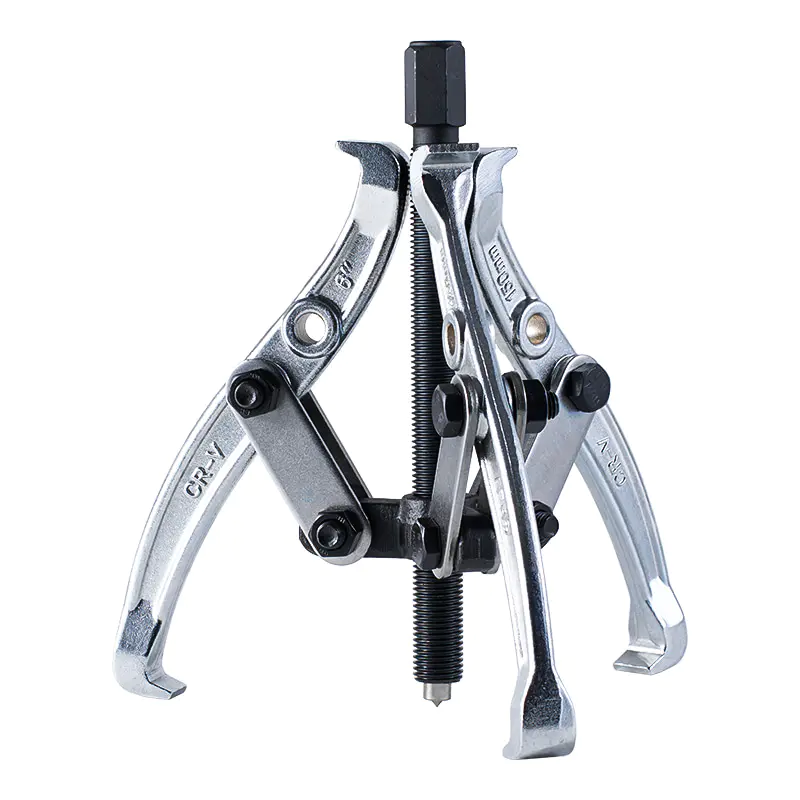
Model: SN0105
-
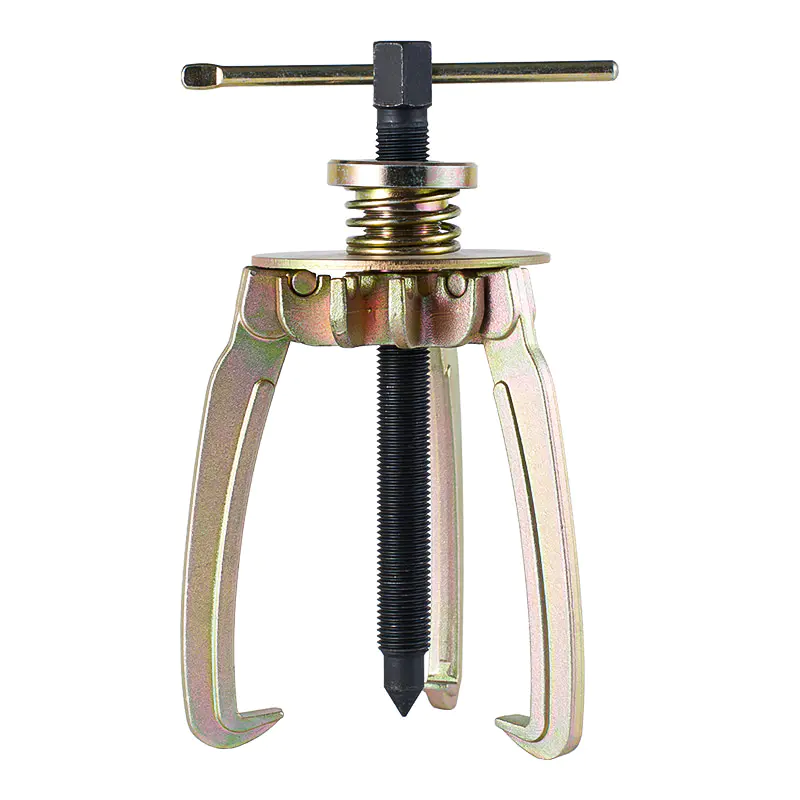
Model: SN0106
-
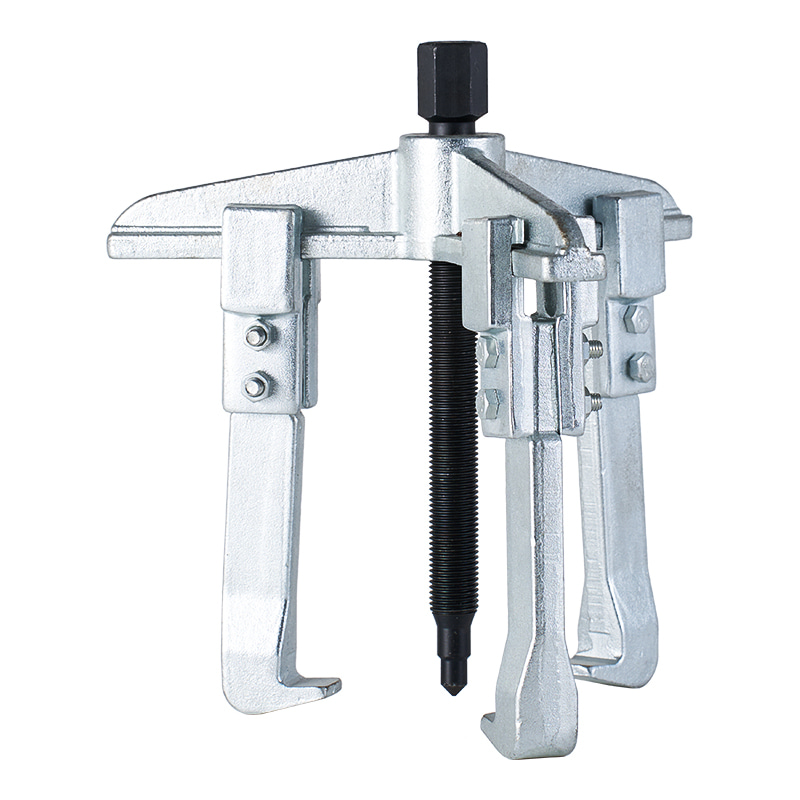
Model: SN0110
-
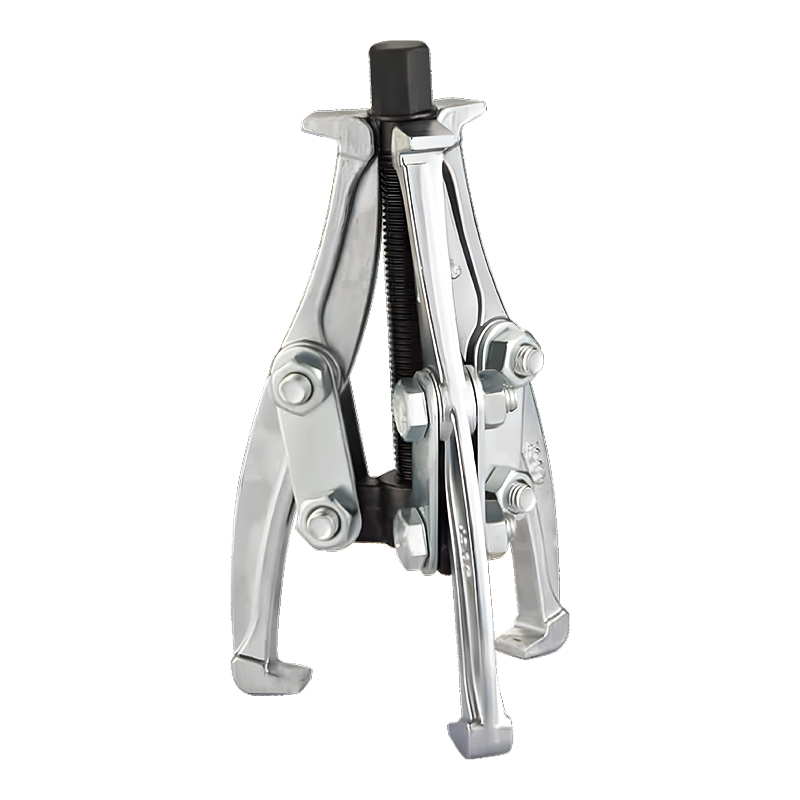
Model: SN0118
-
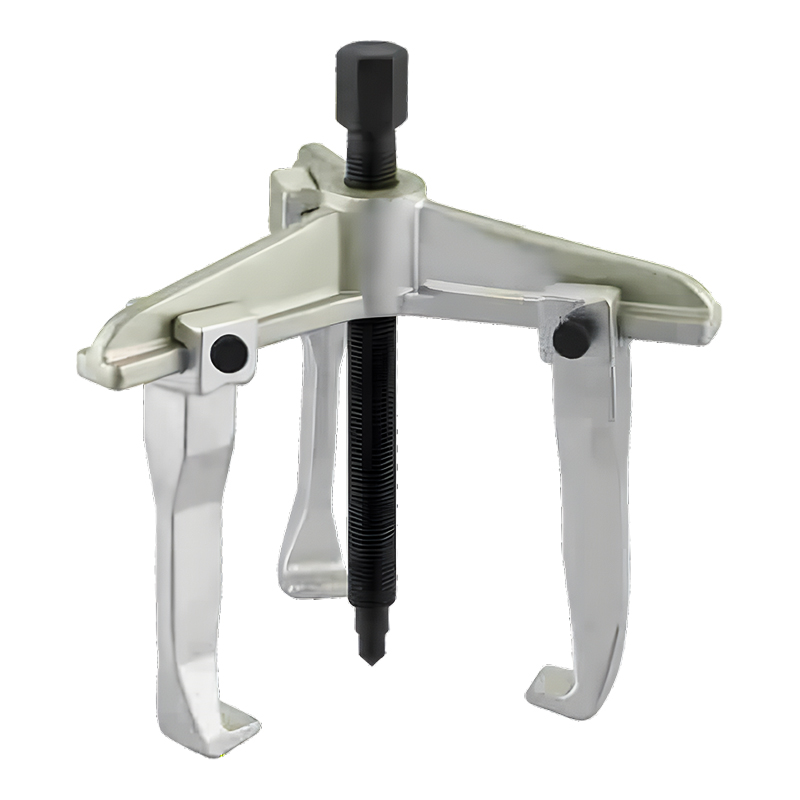
Model: SN0122
-
Model: SN0118-1
Submit feedback
Where Mechanical Grip Gets Manufactured
2026-03-06
The Problem Every Mechanic Knows
Anyone who has wrestled with a stuck gear understands pure frustration. The component refuses to budge despite penetrating oil, careful prying, and creative cursing. This is where products from a gear puller factory become workshop heroes. These specialized tools apply controlled force to separate tight-fitting components without damaging either part. The principle seems simple, yet manufacturing these tools requires serious engineering to handle extreme forces encountered in real repair situations.
Raw Materials Arriving at the Dock
Steel arrives at receiving bays in various forms. Rounds bars await machining into threaded spindles. Flat stock becomes jaw blanks needing shaping. Hydraulic cylinder components come from specialized suppliers. A busy gear puller factory maintains relationships with multiple steel mills, ensuring consistent material quality across production runs. Metallurgical certificates accompany each shipment, verifying chemical composition and mechanical properties meeting design specifications.
Forging Operations Creating Strength
Some components start their journey under massive forging presses. Heated steel billets receive compressive blows reshaping grain structure for improved strength. This process aligns metal fibers along component contours rather than cutting through them. Forged jaws from any quality gear puller factory withstand spreading forces that would fracture machined parts. Operators monitor temperatures carefully, as forging too hot weakens steel while too cold causes cracking.
Machining Centers Shaping Components
Rows of computer-controlled machining centers transform raw stock into precision components. Spindles get threading operations creating smooth screw action. Jaws receive tooth patterns gripping workpiece surfaces without slipping. Bodies get drilled and tapped for crossbolt mounting. A modern gear puller factory runs these machines continuously, with automated tool changers swapping cutters as operations require. Coolant floods cutting zones preventing heat buildup, affecting dimensional accuracy.
Heat Treatment: Transforming Properties
Machined parts move to heat treatment departments where metallurgical changes occur. Furnaces raise components to specific temperatures before quenching in oil or polymer solutions. Tempering follows, reducing brittleness while maintaining hardness. These processes determine final tool strength and durability. A reputable gear puller factory documents every heat treatment batch, tracing each component back to specific furnace runs if problems later emerge.
Thread Rolling Versus Cutting
Critical threads receive rolling rather than cutting treatment. Rolling dies displace material rather than removing it, creating thread forms with compressed grain structure following contours. This produces threads up to thirty percent stronger than cut versions. A quality gear puller factory invests in thread rolling equipment despite higher costs, recognizing that pulled threads mean tool failure under load.
Jaw Design and Tooth Geometry
Jaw teeth determine how effectively pullers grip without slipping. Engineers calculate tooth angles balancing penetration against workpiece damage. Too aggressive marking mars soft materials. Too shallow slips under heavy load. A experienced gear puller factory develops tooth geometries optimized for typical applications mechanics face daily in repair shops worldwide.
Hydraulic Versus Mechanical Types
Some pullers rely on screw force while others use hydraulic pressure for heavy jobs. Hydraulic versions incorporate cylinders, pistons, and release valves requiring additional manufacturing steps. Seals must contain high pressure without leaking. Release mechanisms operate smoothly under full load. A diversified gear puller factory produces both types, recognizing different customer needs across automotive, industrial, and heavy equipment applications.
Assembly Operations Bringing Parts Together
Subcomponents converge at assembly stations where workers unite them into complete tools. Spindles thread into bodies with anti-seize compounds ensuring smooth future operation. Crossbolts install through jaws allowing width adjustment. Hydraulic lines connect with fittings sealed against leakage. Each assembled tool from a careful gear puller factory undergoes functional testing verifying operation before packaging.
Quality Verification Under Load
Sample pullers from each production batch endure testing under controlled conditions. Hydraulic presses apply forces exceeding rated capacities while inspectors observe behavior. Jaws must hold without spreading. Threads must turn without binding. Components must show no permanent distortion after release. This destructive testing sacrifices tools but confirms production quality protecting field users.
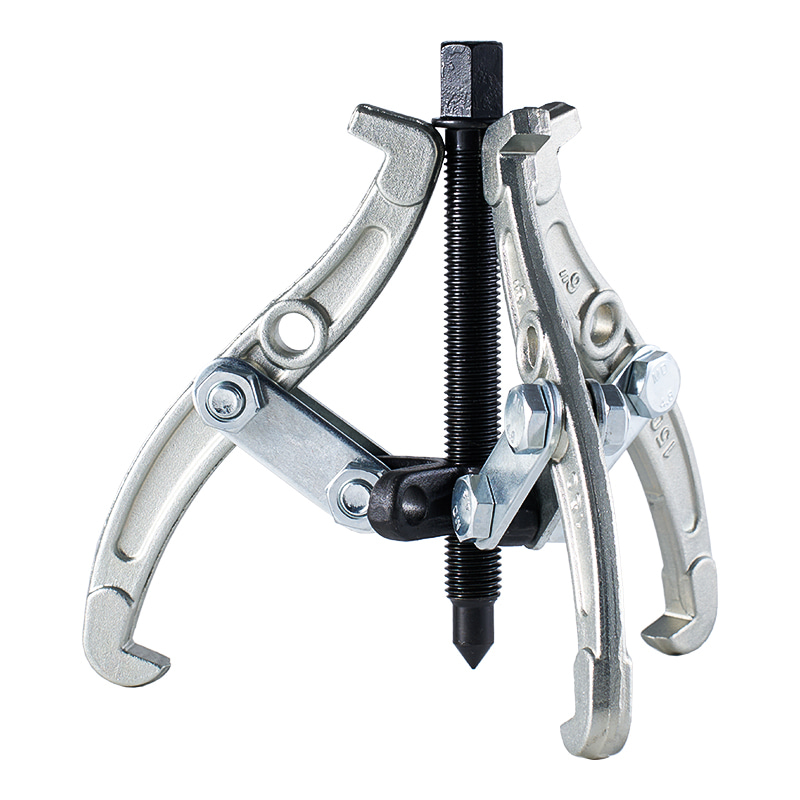

-

Fax: +86-576-82686606
-

Tel: +86-576-82686563
+86-576-82686832 -

E-mail: [email protected]
-

Add: Fengjiang Industrial Park, Luqiao Area,Taizhou City, Zhejiang Province, China
Copyright © 2025 Taizhou Xinming Technology Co., Ltd. All Rights Reserved.

Sale Hardware Tools Factory