

 русский
 Español
 عربى
عربى-
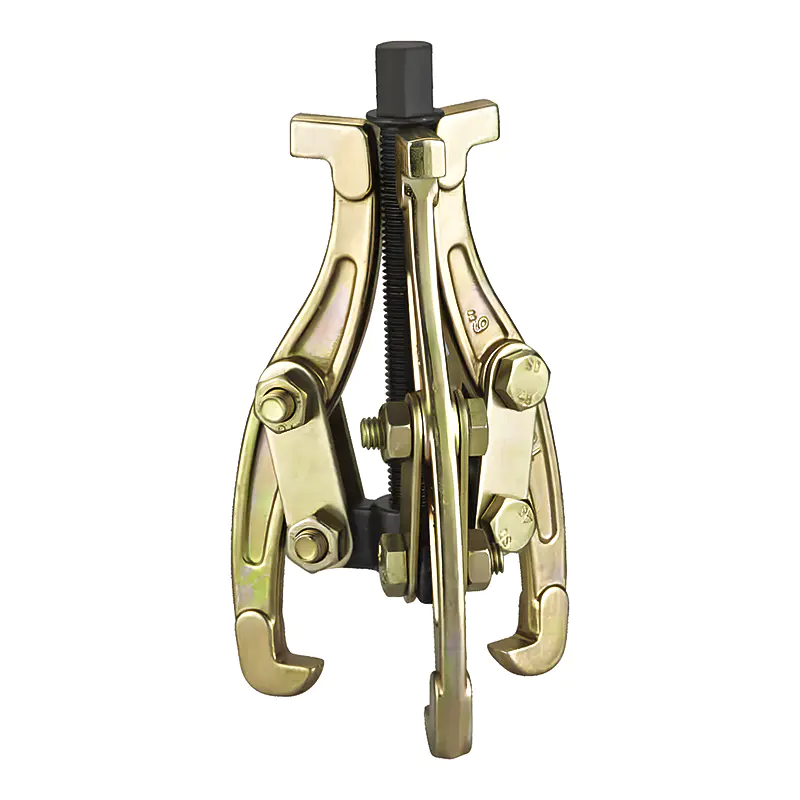
Model: SN0101
-
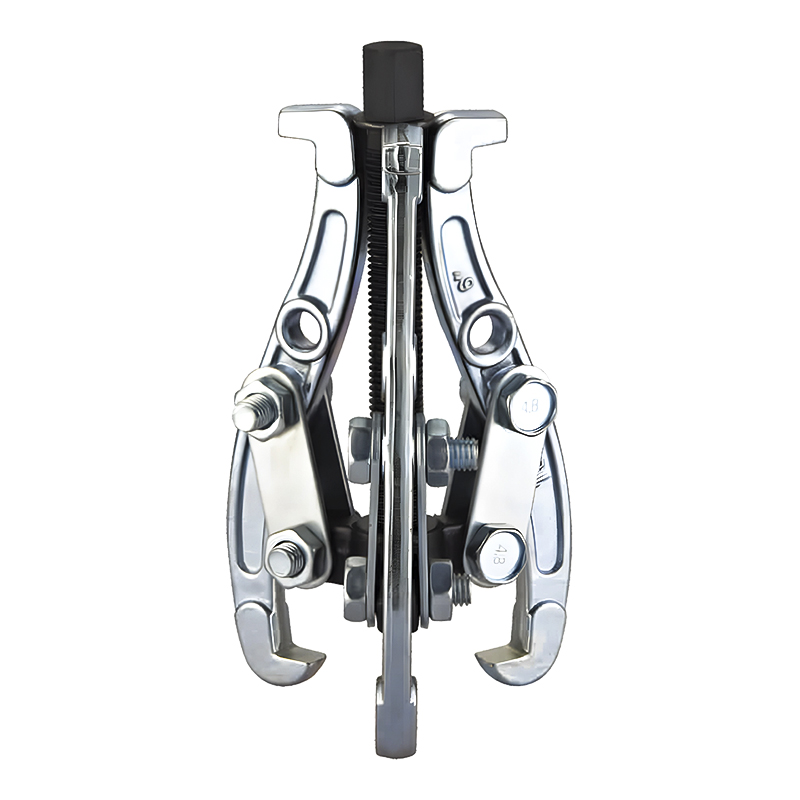
Model: SN0102-1
-
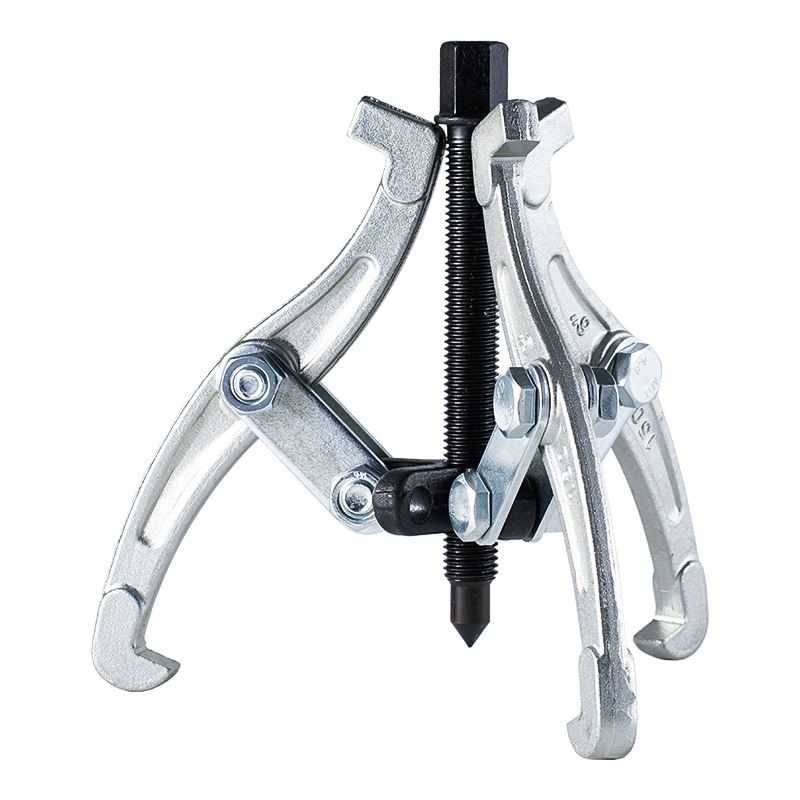
Model: SN0103
-
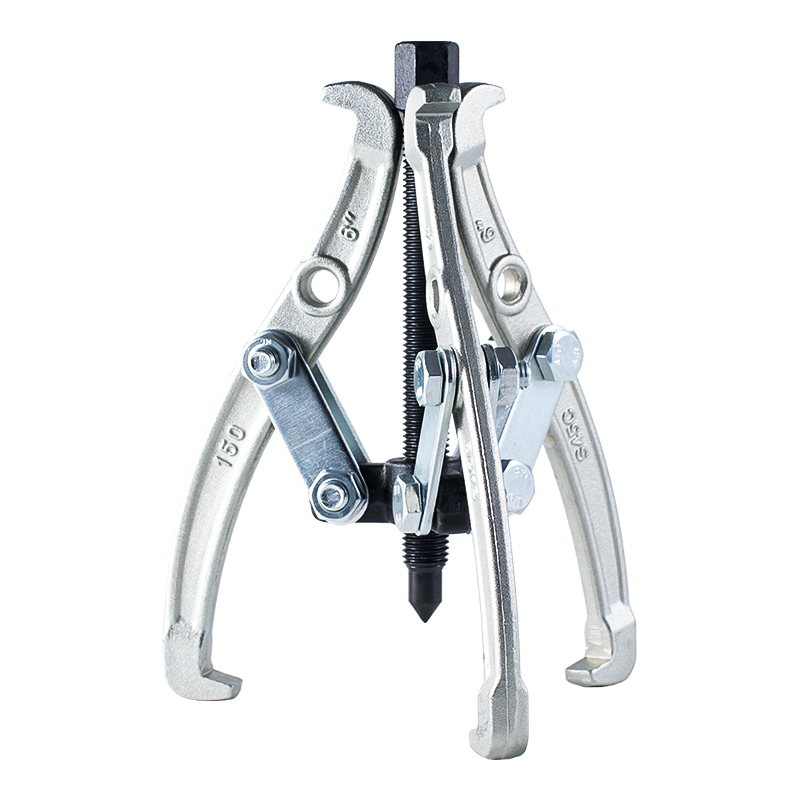
Model: SN0102 SN0107
-
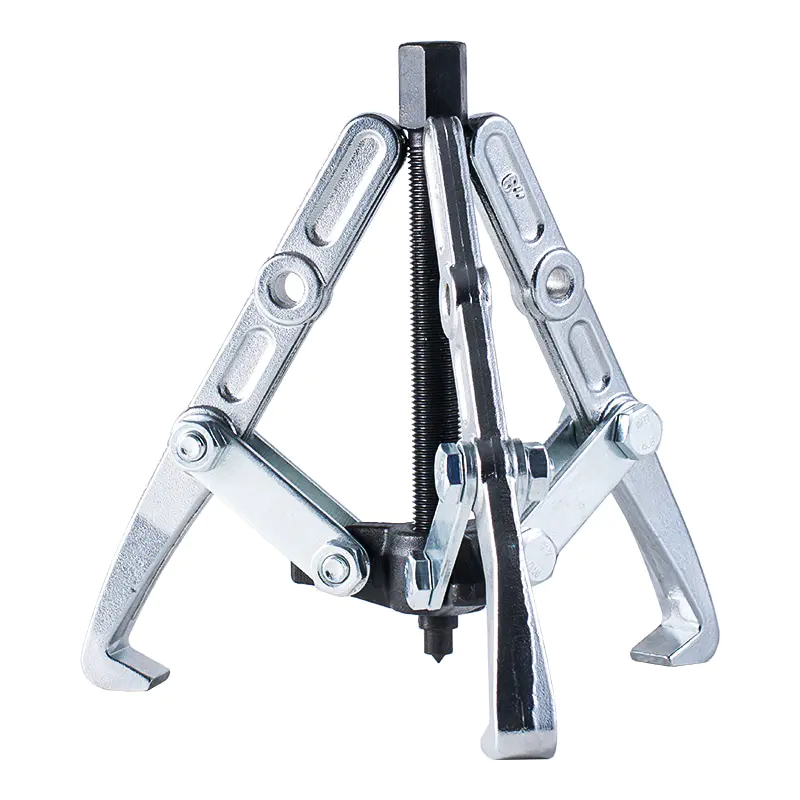
Model: SN0108 SN0109
-
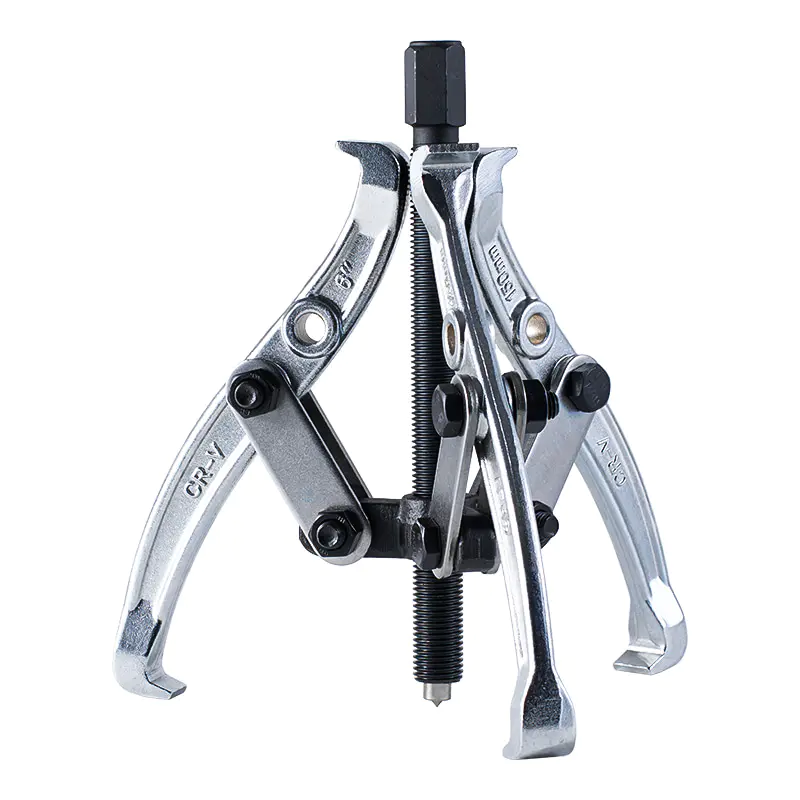
Model: SN0105
-
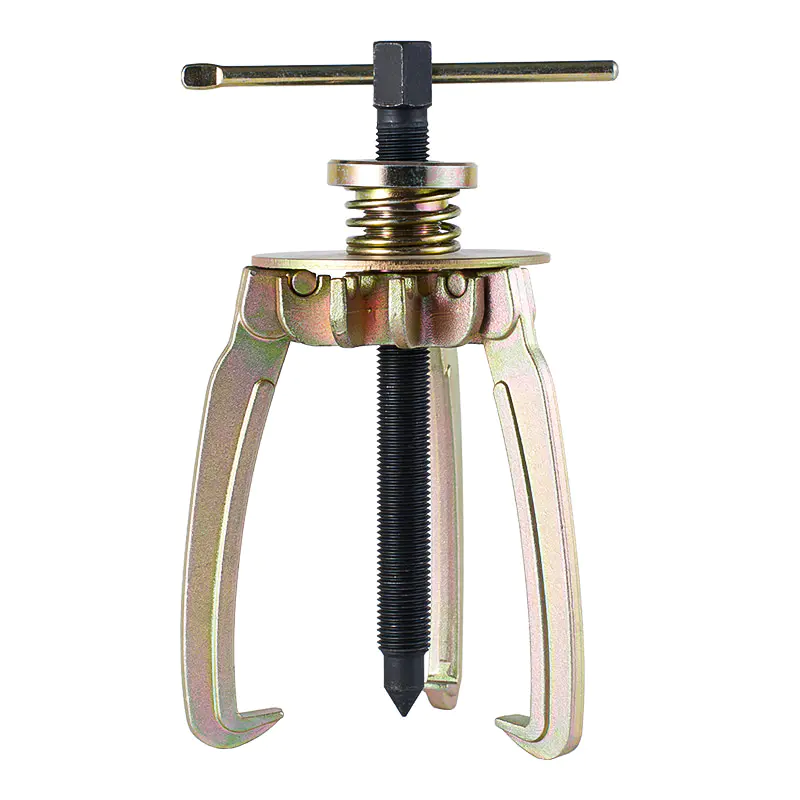
Model: SN0106
-
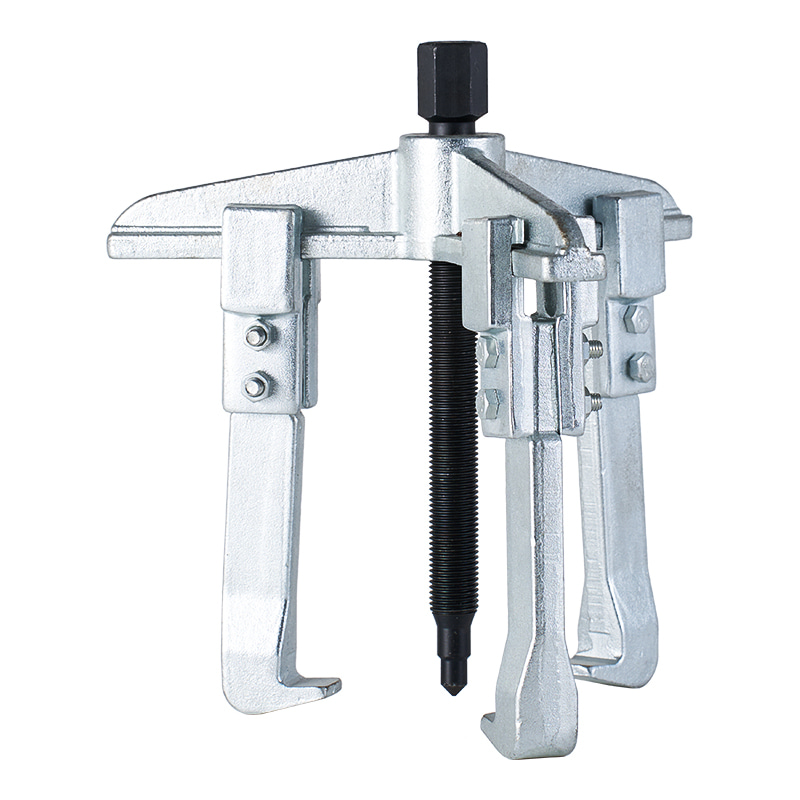
Model: SN0110
-
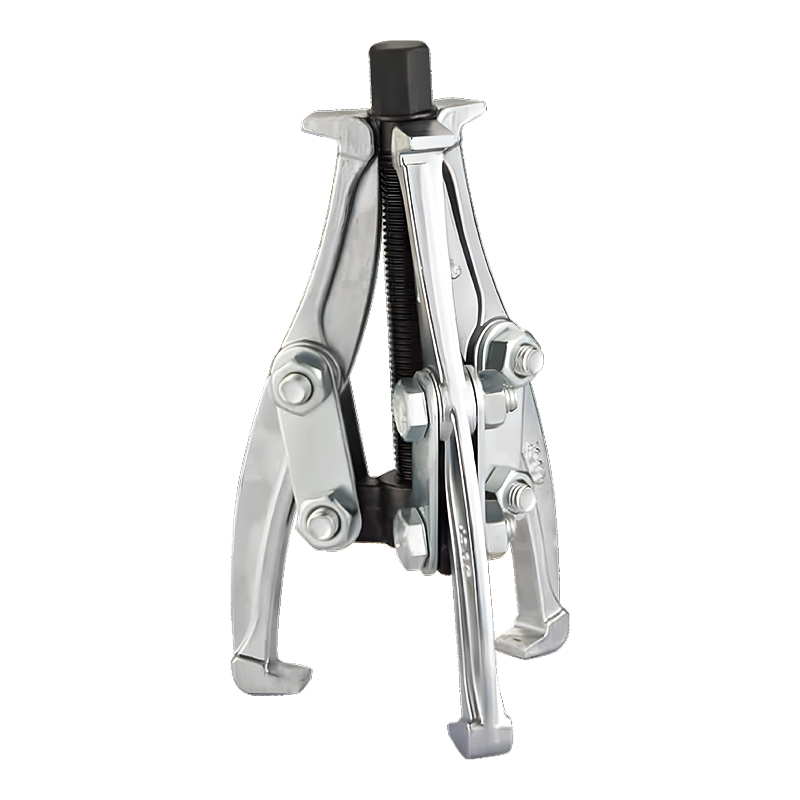
Model: SN0118
-
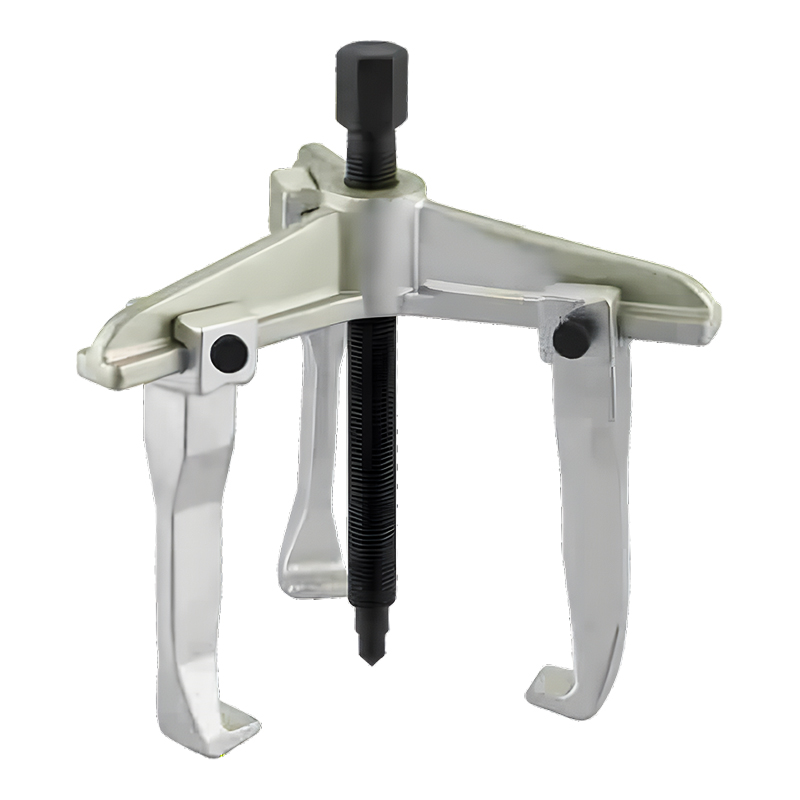
Model: SN0122
-
Model: SN0118-1
Submit feedback
How Does Thin Two Jaw Bearing Puller Compare to Standard Jaw Pullers
2026-09-11
Bearing removal forms a regular step in maintenance and repair sequences on shafts and housings. A seated bearing often rests tightly against a shoulder or inside a bore, and nearby components leave only limited room for any tool to approach. Jaw-style pullers supply a controlled mechanical path for applying outward force so the bearing can leave its position without striking or prying against adjacent surfaces. The physical space surrounding the bearing influences which tool profile can reach and hold the outer ring securely. When clearance is open, a range of jaw designs may engage without difficulty. When clearance narrows, the thickness and shape of the jaws become practical factors that decide whether the puller can seat correctly before force is applied.
Work of this kind usually begins with a visual check of the assembly. The operator notes how much radial gap exists between the bearing and the next component, the depth of the seating, and whether any shoulders or housings block direct access. Those observations guide the choice of puller style long before the central screw is turned. A tool that cannot enter the gap simply cannot apply force in a controlled manner. For that reason the profile of the jaws is examined early in the process rather than treated as a secondary detail.
How does jaw configuration affect reach and contact with the bearing?
Jaw thickness and overall profile determine how far the tool can reach into the space beside a bearing. A thinner jaw body can slip into narrower gaps that remain between the outer ring and neighboring parts. Standard jaws, built with greater bulk, need more radial room to open and close around the same ring. Once the jaws are positioned, contact occurs along the inner faces that press against the bearing surface. A reduced profile concentrates that contact on a smaller area, while a broader jaw spreads the pressure across a wider band.
Grip stability under load depends on how evenly those faces meet the ring and how well the jaws stay aligned as tension increases. A thinner edge may reach places a bulkier jaw cannot, yet the smaller contact surface requires careful seating so the load does not shift to one side. The geometry of the jaw arms also plays a part: the angle at which the jaws approach the ring affects whether they remain parallel once force begins to build. Parallel contact helps keep the pulling path straight and reduces the chance of the tool walking off the ring during extraction.
In what ways does working clearance influence tool choice?
Many mechanical assemblies leave only a slender gap between the bearing and the next component. In such conditions the bulk of a standard jaw can prevent the tool from opening far enough to reach behind the outer ring. A thinner profile reduces that interference and allows the jaws to pass into the restricted space. The decision therefore starts with a measured or visual assessment of the available radial clearance.
When the gap is generous and unobstructed, either style may engage without special difficulty. When the gap narrows, the reduced jaw thickness becomes the practical difference that lets the puller seat before any pulling force is applied. Surrounding features such as housings, gears, or retaining rings further shape the available room. An operator may need to rotate the puller or adjust the arm span to find the best entry path. In every case the clearance check precedes the application of force, because a tool that cannot seat cleanly cannot deliver controlled extraction.
A short set of observations helps frame the choice:
- Measure or estimate the radial gap beside the outer ring
- Note any shoulders or adjacent parts that limit jaw travel
- Confirm that both jaws can reach the same depth on the ring
- Check whether the central screw can still align with the shaft once the jaws are in place
These points keep the focus on the physical constraints of the assembly rather than on assumptions about tool size alone.
How does force application and alignment differ between the two styles?
Pulling force travels from the central screw through the arms and into the jaws. A thinner jaw edge concentrates that force along a narrower line of contact. A standard jaw distributes the same load across a wider face. Uneven seating or slight misalignment can cause one jaw to slip or to leave marks on the bearing surface. Keeping the screw centered over the shaft helps the load remain balanced, regardless of jaw profile.
In tight spaces the thinner design may reach the ring more readily, yet the operator still needs to confirm that both jaws share the load before the screw is turned. Proper alignment reduces the chance of the tool shifting under tension and keeps the extraction path straight. The arms must open and close evenly so that the force vector stays along the axis of the shaft. Any tilt introduced at the start tends to grow as tension rises, increasing the risk of the jaws losing their grip or applying side pressure to the bearing.
A Thin Two Jaw Bearing Puller addresses restricted clearance by reducing the bulk that must enter the gap, while the fundamental requirement of centered force and even jaw contact remains the same for both styles. The practical difference lies in whether the jaws can reach the ring at all; once they are seated, the attention turns to keeping the load balanced throughout the extraction.

Which practical factors guide selection during a removal task?
Selection begins with a clear view of the physical conditions around the bearing. The size of the gap between the outer ring and any nearby surface sets the first limit on what profile can enter. Bearing diameter and the depth of its seating further shape the required reach of the jaws. A shallow seating may allow broader jaws to engage from the front, while a deeper position often demands a profile thin enough to pass beside the ring and still grip behind it.
Shaft or housing geometry also plays a part. Shoulders, steps, or retaining features can block one side of the approach and force the jaws to enter from a single direction. In those cases the ability of the tool to open and close within the remaining space becomes decisive. Matching the jaw profile to these constraints keeps the puller from binding or failing to seat before force is applied. The process stays practical: observe the assembly, measure the critical clearances, and choose the profile that can reach the ring without interference.
How can the two puller styles be compared across key attributes?
A side-by-side view of the main attributes helps clarify where each design fits.
| Attribute | Thin Two-Jaw Design | Standard Jaw Design | Typical Consideration |
| Jaw profile | Reduced thickness for narrower entry | Greater thickness and contact width | Available radial clearance |
| Reach into tight spaces | Easier access in restricted gaps | Limited by bulkier jaw body | Surrounding component layout |
| Contact surface | Smaller grip area | Broader grip area | Stability under load |
| Force distribution | Concentrated along thinner edges | Spread across wider surfaces | Risk of marking or slippage |
| Typical use setting | Assemblies with limited side clearance | Open spaces with ample access | Overall workspace constraints |
What should be reviewed before choosing a puller for a given bearing?
Several checks help confirm that the selected profile can perform the extraction cleanly. First the radial gap beside the outer ring is measured or estimated so the jaw thickness can be matched to the available space. Shaft or housing geometry is examined next to identify any shoulders or adjacent parts that might block arm movement.
Once a candidate tool is in hand, both jaws are tested for even reach to the same depth on the ring. The central screw is aligned with the shaft axis while the jaws remain seated, confirming that force will travel in a straight line. A final observation notes whether the arms can open and close freely without binding against nearby surfaces. These steps keep the focus on the physical fit rather than on assumptions about tool capacity.
A Thin Two Jaw Bearing Puller is considered when the measured gap is too narrow for standard jaws to enter. The same review process still applies: clearance, geometry, even contact, and centered alignment must all be verified before tension is applied.
Why does space limitation often determine the practical difference?
Restricted clearance appears repeatedly in mechanical assemblies. Housings, gears, seals, and retaining rings frequently leave only a slender path beside the bearing. In those conditions the bulk of a standard jaw can prevent the tool from reaching the outer ring at all. A reduced profile lowers the physical interference and allows the jaws to pass into the remaining space.
The relationship between tool bulk and the ability to seat the jaws correctly therefore becomes the deciding factor. When the gap is generous, either style may engage and apply force. When the gap narrows, the thinner design provides the practical means of contact. Profile choice retains its relevance whenever access is limited, because a puller that cannot seat cannot deliver controlled extraction. The difference is not one of overall capacity but of whether the jaws can reach the bearing in the first place.

-

Fax: +86-576-82686606
-

Tel: +86-576-82686563
+86-576-82686832 -

E-mail: [email protected]
-

Add: Fengjiang Industrial Park, Luqiao Area,Taizhou City, Zhejiang Province, China
Copyright © 2025 Taizhou Xinming Technology Co., Ltd. All Rights Reserved.

Sale Hardware Tools Factory