

 русский
 Español
 عربى
-
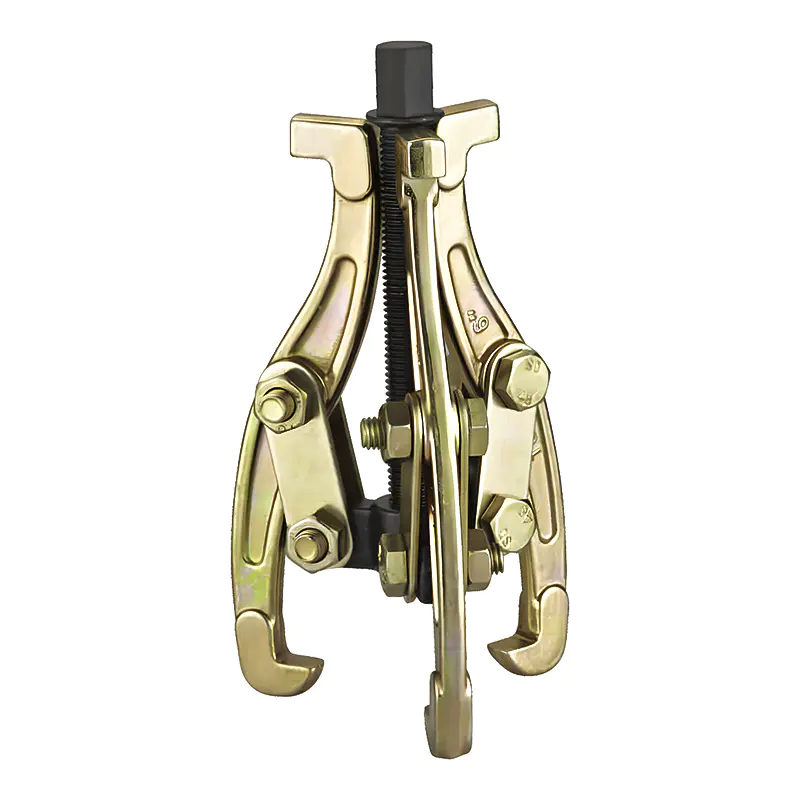
Model: SN0101
-
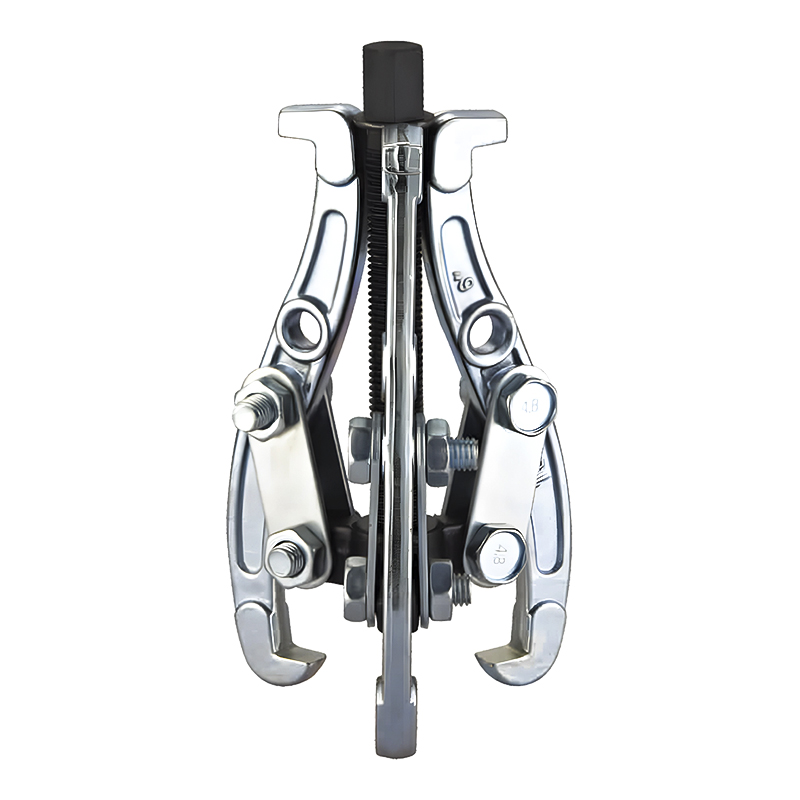
Model: SN0102-1
-
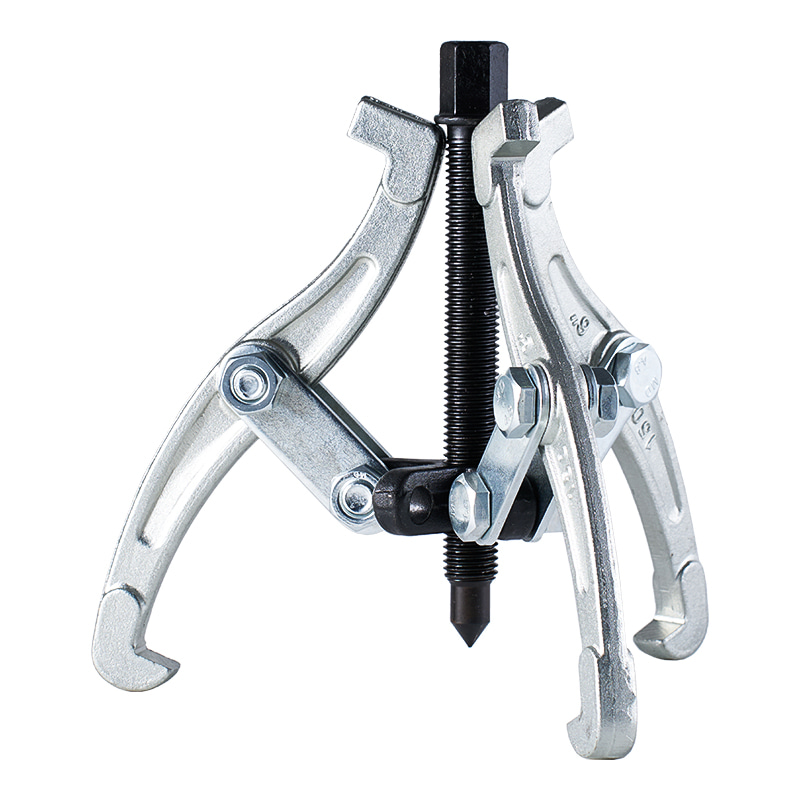
Model: SN0103
-
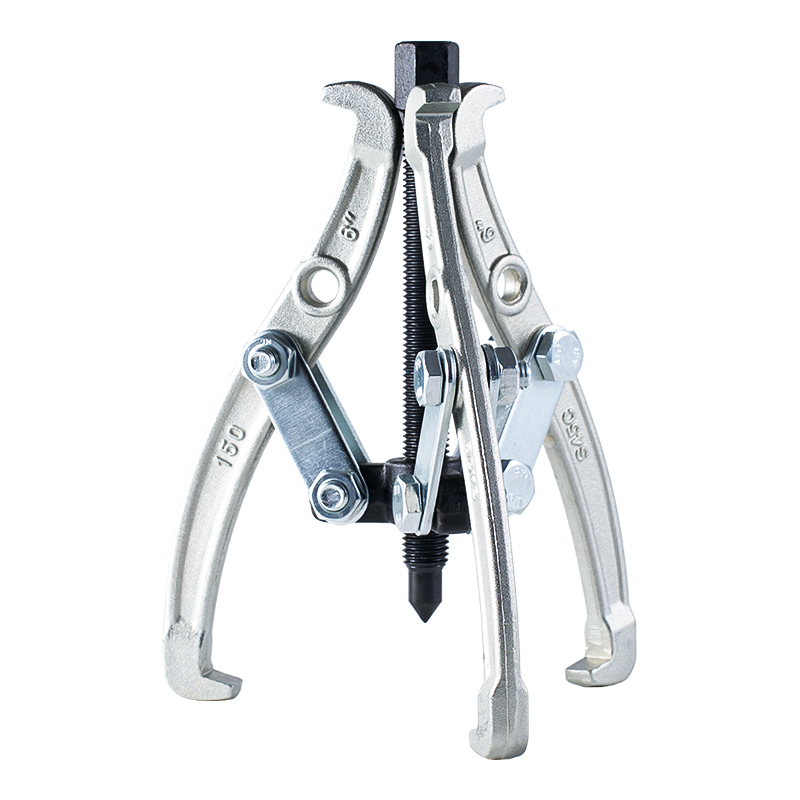
Model: SN0102 SN0107
-
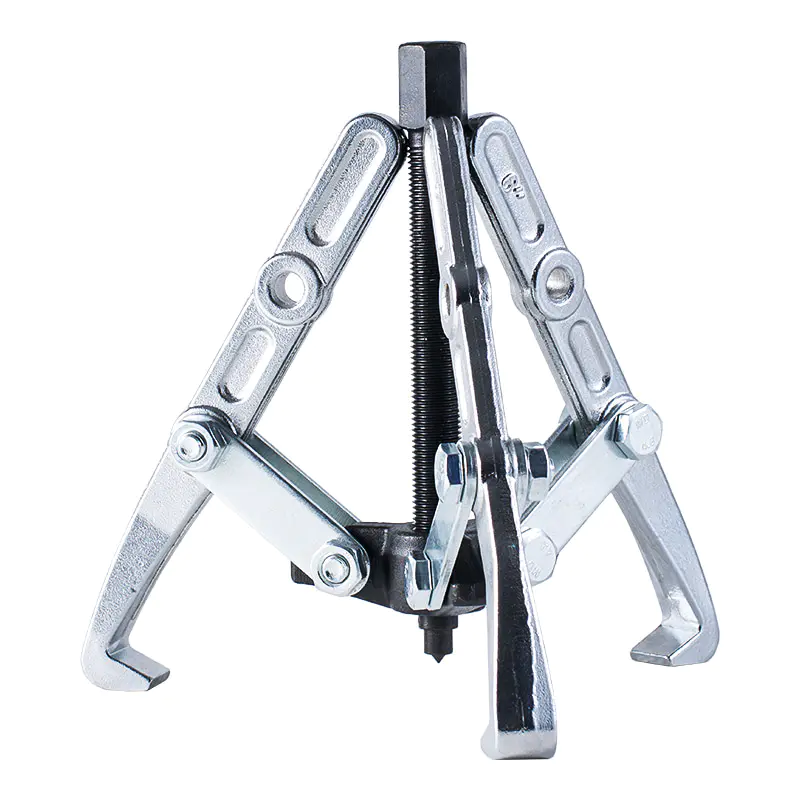
Model: SN0108 SN0109
-
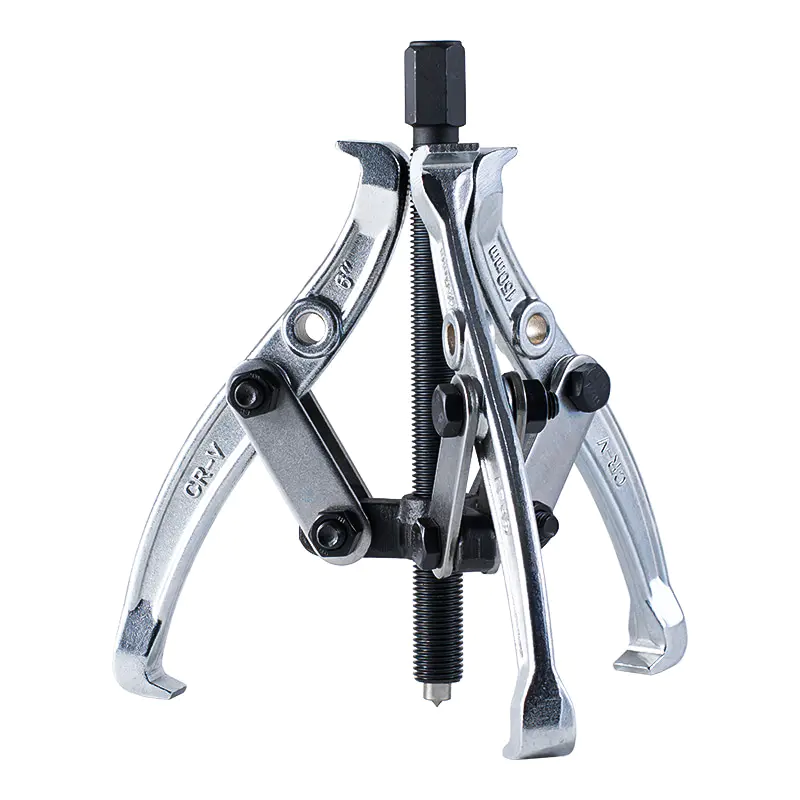
Model: SN0105
-
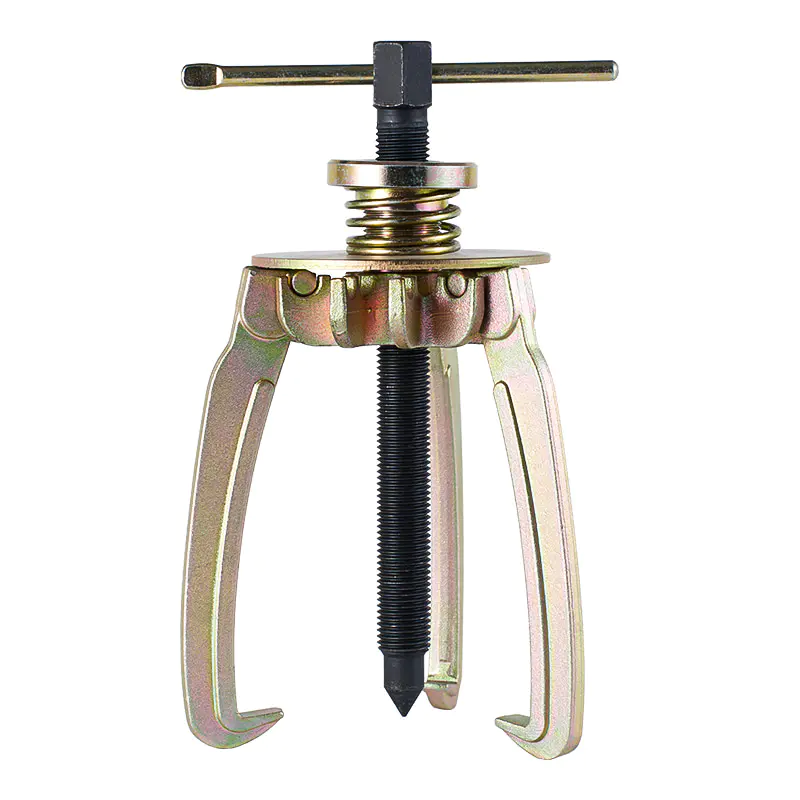
Model: SN0106
-
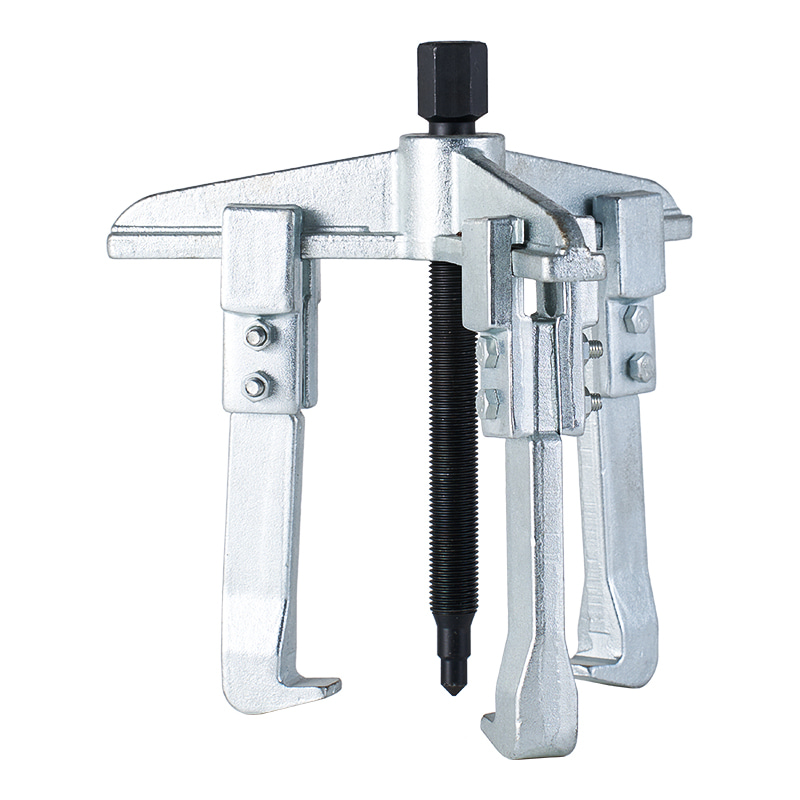
Model: SN0110
-
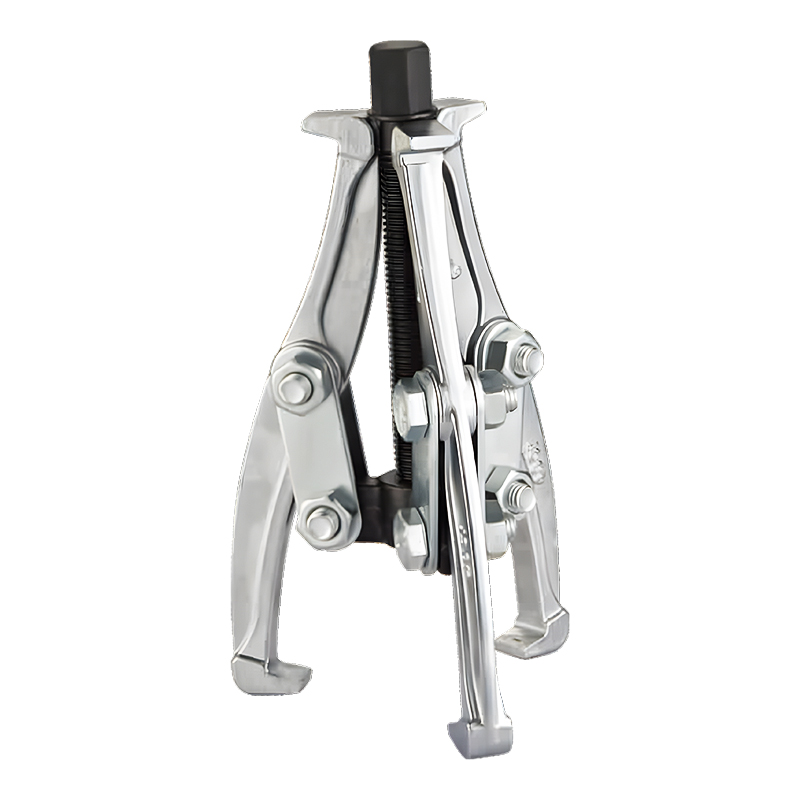
Model: SN0118
-
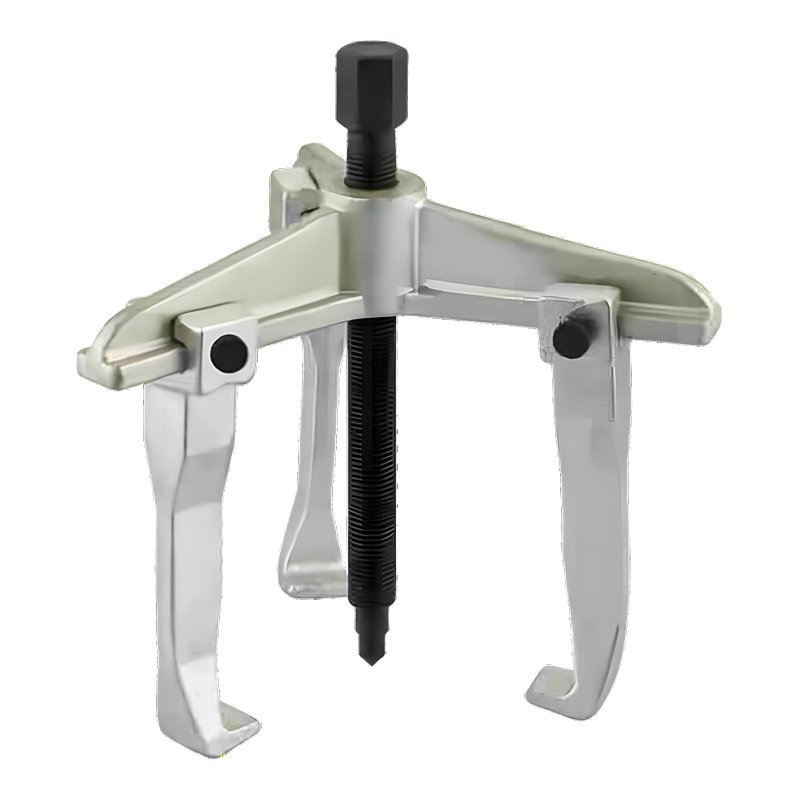
Model: SN0122
-
Model: SN0118-1
Submit feedback
Why Mechanical Bearing Puller Design Matters in Maintenance Tasks
2026-10-30
Bearing removal is a routine part of machinery maintenance, but the work does not always go as planned. A bearing may become stuck on a shaft, sit in a narrow housing, or remain difficult to reach because of nearby components. In these situations, the tool used for removal can influence the entire repair process.
A mechanical bearing puller is designed to remove bearings and certain other fitted components by applying a controlled pulling force. Although the tool may appear simple, its structure affects how it grips a component, how force is transferred, and how easily a technician can work in a limited space.
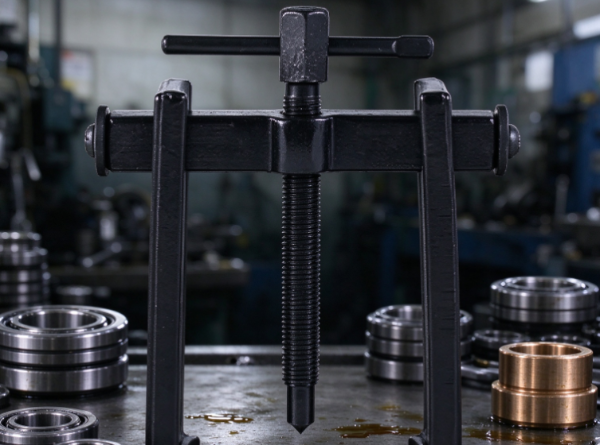
For maintenance teams, these details matter. An unsuitable puller can slip, place uneven pressure on a bearing, or make an already difficult repair more complicated. A suitable design helps technicians approach the task with greater control and reduces the risk of damaging parts that may need to be reused.
Understanding why mechanical bearing puller design matters can help workshops, industrial facilities, and equipment maintenance teams make more informed decisions about their tools.
1. What Makes Mechanical Bearing Puller Design Important?
The main purpose of a mechanical bearing puller is to separate a fitted component from its mounting position without relying on uncontrolled force. Its design determines how the tool connects to the bearing, where the pulling force acts, and how the technician adjusts the tool during removal.
Different maintenance tasks create different demands. A bearing mounted on an exposed shaft may be relatively easy to access. Another may sit deep inside a machine assembly, surrounded by parts that leave little room for tool placement. The same puller design may not work equally well in both situations.
The shape of the pulling jaws, the arrangement of the central screw, and the overall frame structure all affect how the tool behaves. If the jaws cannot reach a suitable gripping point, the technician may struggle to establish a secure connection. If the tool does not align properly with the component, the pulling force may become uneven.
These problems can affect more than the speed of a repair. Bearings, shafts, housings, and adjacent parts may all be exposed to unnecessary stress when removal is poorly controlled.
A well-matched mechanical bearing puller allows the technician to position the tool correctly and apply force in a more predictable way. The design should support the intended removal task rather than force the operator to work around the tool's limitations.
This is why tool selection deserves attention during maintenance planning. A puller is not simply an accessory stored in a workshop cabinet. It is part of the process used to protect equipment during disassembly.
2. How Do Pulling Jaws Affect Bearing Removal?
The pulling jaws are among the most important parts of a mechanical bearing puller. They connect the tool to the component being removed and transfer the pulling force during operation.
Jaw design influences the surfaces the tool can grip, the space needed for installation, and the stability of the connection. If the jaws are too large for the available space, they may not fit behind the bearing. If their shape does not suit the component, they may fail to establish a secure hold.
Different bearing arrangements may require different jaw configurations. Some jobs allow the jaws to grip around an exposed outer edge. Others require a narrower profile or a different point of contact because the bearing sits close to a shoulder or housing.
The number and arrangement of the jaws also affect positioning. A design that distributes the load evenly can help the operator maintain alignment during removal. Poor positioning, by contrast, may cause one side of the tool to carry more load than the other.
Slippage is another concern. When a jaw loses its grip under force, the tool may move suddenly. This can damage nearby surfaces or create a safety risk for the person carrying out the repair.
Technicians should inspect the contact points before applying force. The jaws need to sit securely on an appropriate part of the component, and the tool should remain aligned with the shaft or other mounting feature.
A mechanical bearing puller manufacturer can explain how different jaw arrangements suit particular removal tasks. Buyers should consider the types of bearings they handle, the available access space, and whether the tool needs to accommodate different component shapes.
The practical goal is a secure grip that supports controlled removal without placing unnecessary pressure on the bearing or surrounding equipment.
3. Why Does the Central Screw and Frame Structure Matter?
A mechanical bearing puller relies on its central screw and supporting frame to transfer force to the component. These parts work together during removal, so their design influences both control and stability.
As the central screw turns, it presses against an appropriate supporting point while the jaws pull the bearing away from its mounting position. This action creates the force needed to separate fitted components.
The screw must remain properly aligned with the point where force is applied. If it sits at an angle, the puller may shift during operation. Misalignment can also increase friction and make the tool more difficult to turn.
The frame has a related role. It supports the pulling jaws and helps maintain their position while the load increases. A frame that does not suit the task may flex, shift, or place uneven stress on the gripping components.
Material quality and manufacturing accuracy also influence how these parts perform. Threads that do not move smoothly can make adjustment difficult. Poorly fitted components may introduce unwanted movement, while damaged threads can prevent the tool from operating as intended.
Maintenance teams should not judge a puller by appearance alone. A compact tool may be convenient to store, but its structure must still suit the intended workload. A larger design may provide a different range of gripping options, yet it may be impractical in a confined machine assembly.
The choice depends on the equipment being serviced and the conditions in which the tool will be used. Before starting a job, technicians should check the tool for visible damage, confirm that the screw moves properly, and make sure the frame and jaws are correctly positioned.
These checks help identify problems before the tool is placed under load.
4. Can Puller Design Help Prevent Damage to Bearings and Shafts?
Protecting reusable components is a central concern during machinery maintenance. Removing a worn bearing should not create additional damage to the shaft, housing, or neighboring parts.
The relationship between puller design and component protection begins with how the tool applies force. A puller that grips the bearing securely and remains aligned can help reduce unwanted movement during removal. This makes it easier for the technician to keep the pulling action focused on the intended component.
The contact points are particularly important. A tool should engage a suitable part of the bearing rather than press against a surface that could be damaged easily. The central screw also needs an appropriate supporting point so that its force does not damage the shaft end or nearby structure.
In some situations, the bearing is difficult to grip because little space exists behind it. Technicians may be tempted to use improvised methods or apply force in ways that place pressure on the surrounding assembly. These approaches can increase the risk of damage.
A puller designed for the actual access conditions may provide a more controlled alternative. However, not every mechanical bearing puller can remove every bearing safely. The correct approach depends on the component arrangement, the condition of the bearing, and the tool's intended use.
Operators should also recognize when a bearing is not moving as expected. Resistance may indicate corrosion, a tight fit, incorrect tool placement, or another issue that requires assessment. Increasing force without identifying the cause can make the situation worse.
A suitable puller supports careful removal, but it cannot replace sound maintenance judgment. Correct positioning, appropriate operating practices, and attention to the condition of the surrounding components remain essential.
5. How Does Working Space Influence Puller Design?
Maintenance work often takes place in less-than-ideal conditions. Machines may be installed close to walls, enclosed by protective structures, or surrounded by pipework and other equipment. These restrictions can make bearing removal difficult even when the bearing itself is not severely stuck.
Working space affects which puller can be installed and how easily the operator can adjust it. A tool with wide jaws may provide useful gripping options in an open assembly but become difficult to position inside a compact housing.
Narrower designs may help in restricted spaces, although reduced clearance alone does not guarantee suitability. The jaws still need to reach a secure gripping point, and the central screw must have enough room for adjustment.
The direction of access also matters. Some bearings can be approached directly from the front, while others may be obstructed by nearby components. In these cases, the technician needs to understand how the puller will sit around the bearing before applying force.
Ergonomics should not be overlooked. A tool that is awkward to hold or difficult to adjust can increase operator fatigue, especially during repeated maintenance work. Clear access to the adjustment mechanism and a practical grip can make the task easier to manage.
Manufacturers may offer different puller configurations to address these variations. Buyers should explain the actual machine layout rather than selecting a tool based only on the bearing's general description.
Photographs, assembly drawings, or a description of nearby obstructions can help clarify the situation when discussing a tool with a supplier. This information may reveal that a different jaw shape or overall arrangement is needed.
Considering working space before purchasing a puller can reduce the likelihood of discovering that the tool cannot be positioned correctly once maintenance begins.
6. What Should Buyers Consider When Choosing a Mechanical Bearing Puller?
Choosing a mechanical bearing puller involves matching the tool to the components and working conditions found in the maintenance environment. A general product description may provide useful information, but it does not always explain whether the design suits a particular job.
Buyers can start by reviewing the bearing types commonly encountered in their facilities. They should consider where the bearings are mounted, how much room is available around them, and whether the puller will be used for occasional repairs or regular maintenance.
Several design features deserve attention:
- Jaw configuration: Check whether the jaws can reach the required gripping points and remain securely positioned during removal.
- Frame arrangement: Consider whether the structure supports stable positioning and suits the space around the bearing.
- Central screw design: Look for smooth adjustment and a practical arrangement for applying force in line with the component.
- Material and construction: Review whether the tool is intended for the demands of the planned maintenance work.
- Handling and storage: Consider how easily technicians can position, operate, inspect, and store the puller.
- Maintenance requirements: Understand how the tool should be cleaned, inspected, and cared for between uses.
The intended application should guide the decision. A workshop that services a wide range of machinery may need different puller arrangements for different tasks. A facility that works with a more consistent set of components may have narrower requirements.
Price can be part of the purchasing decision, but it should not replace an assessment of suitability. A tool that cannot reach the bearing or maintain a secure grip may create additional work regardless of its purchase cost.
Buyers should also confirm the tool's intended use and operating limitations with the manufacturer. Clear information helps maintenance teams avoid choosing a puller that is unsuitable for the components they need to remove.
7. How Can Manufacturers Support Safer and More Consistent Maintenance?
A mechanical bearing puller manufacturer can contribute to maintenance planning by explaining product design, intended applications, and appropriate operating practices. This support is useful when a facility encounters unfamiliar bearing arrangements or needs tools for several types of equipment.
Product guidance can help buyers understand the differences between jaw configurations, frame styles, and adjustment mechanisms. It can also clarify the working conditions for which a particular tool is intended.
When discussing an application, maintenance teams should provide practical details. These may include the bearing's location, the available space, the mounting arrangement, and any difficulties experienced during previous removal attempts. More complete information helps the manufacturer assess whether a proposed tool is appropriate.
Clear instructions are also important after purchase. Technicians need to understand how to position the jaws, align the central screw, apply force, and recognize signs that the tool should not be used. A manufacturer should be able to explain the product's operating limits and inspection requirements.
Training and consistent procedures can further reduce avoidable mistakes. Maintenance teams can establish checks for damaged jaws, worn threads, loose parts, and other signs of deterioration. Tools that show damage should be removed from service until they have been assessed.
Manufacturers may also gather feedback from recurring maintenance problems. If technicians regularly struggle with restricted access or insecure gripping, that information can help clarify which design features deserve attention in future purchasing decisions.
Communication between buyers, technicians, and manufacturers creates a more practical basis for tool selection. It connects the design of the puller with the real conditions in which the tool will be used, helping maintenance teams plan bearing removal with greater care and fewer avoidable complications.

-

Fax: +86-576-82686606
-

Tel: +86-576-82686563
+86-576-82686832 -

E-mail: [email protected]
-

Add: Fengjiang Industrial Park, Luqiao Area,Taizhou City, Zhejiang Province, China
Copyright © 2025 Taizhou Xinming Technology Co., Ltd. All Rights Reserved.

Sale Hardware Tools Factory