

 русский
 Español
 عربى
-
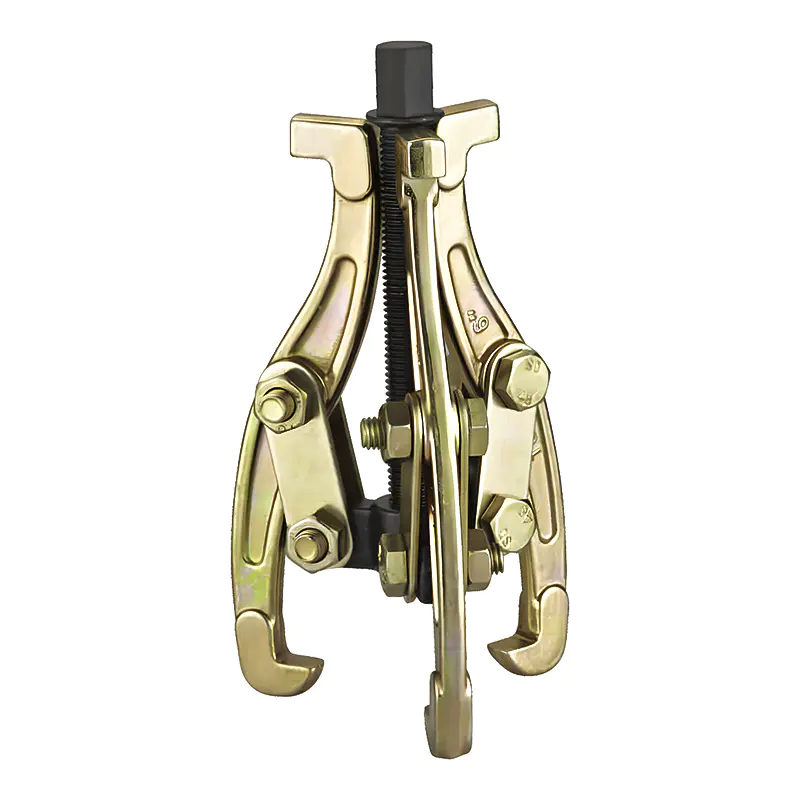
Model: SN0101
-
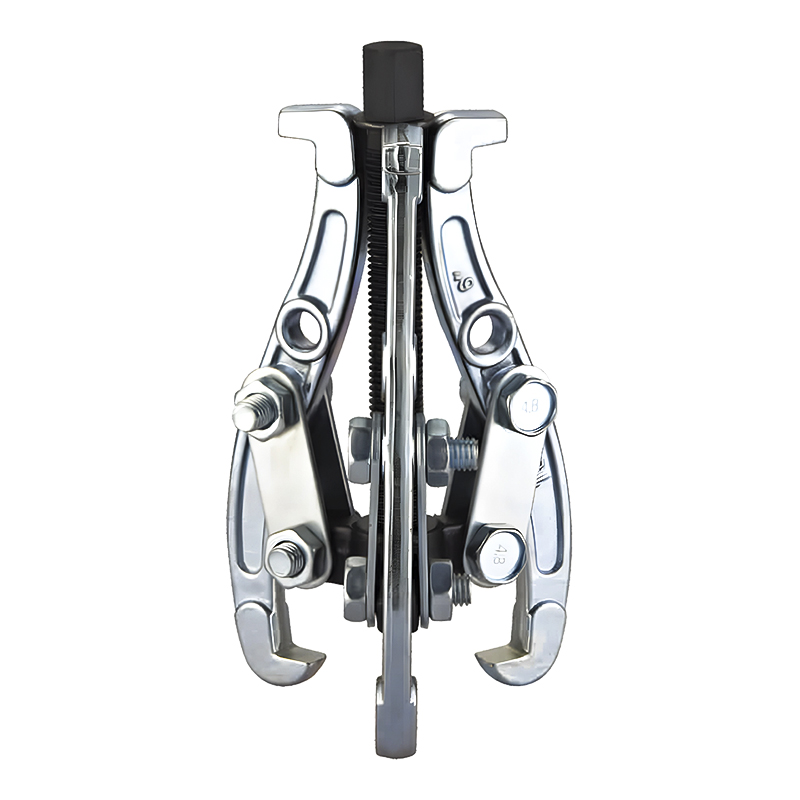
Model: SN0102-1
-
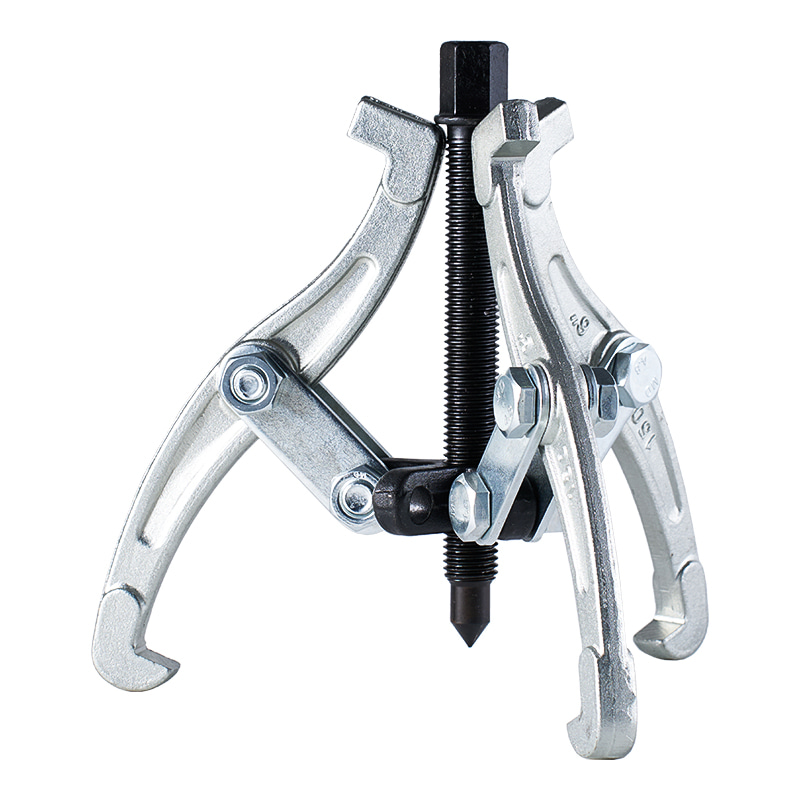
Model: SN0103
-
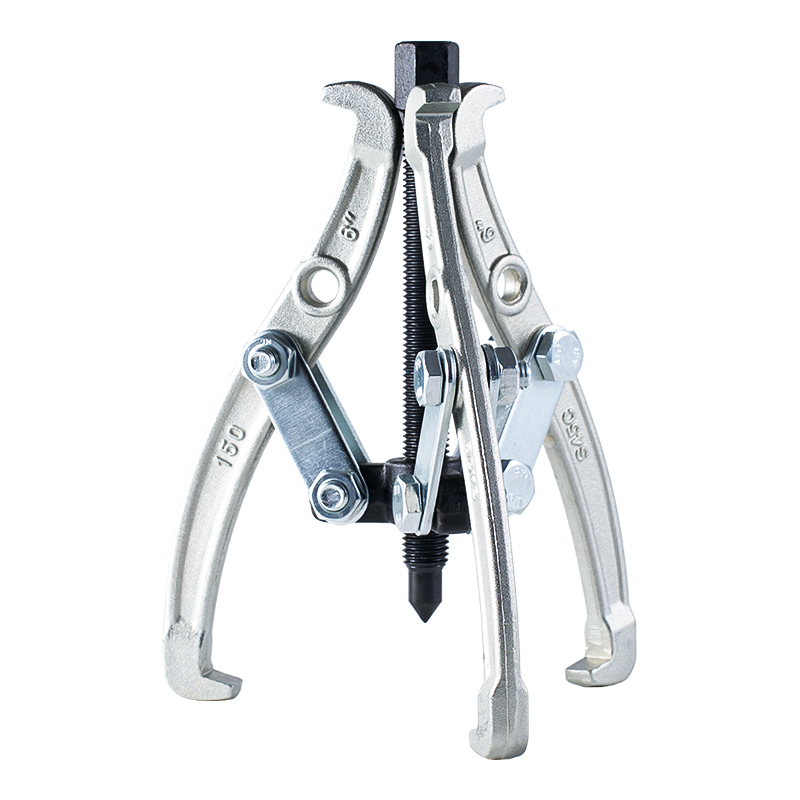
Model: SN0102 SN0107
-
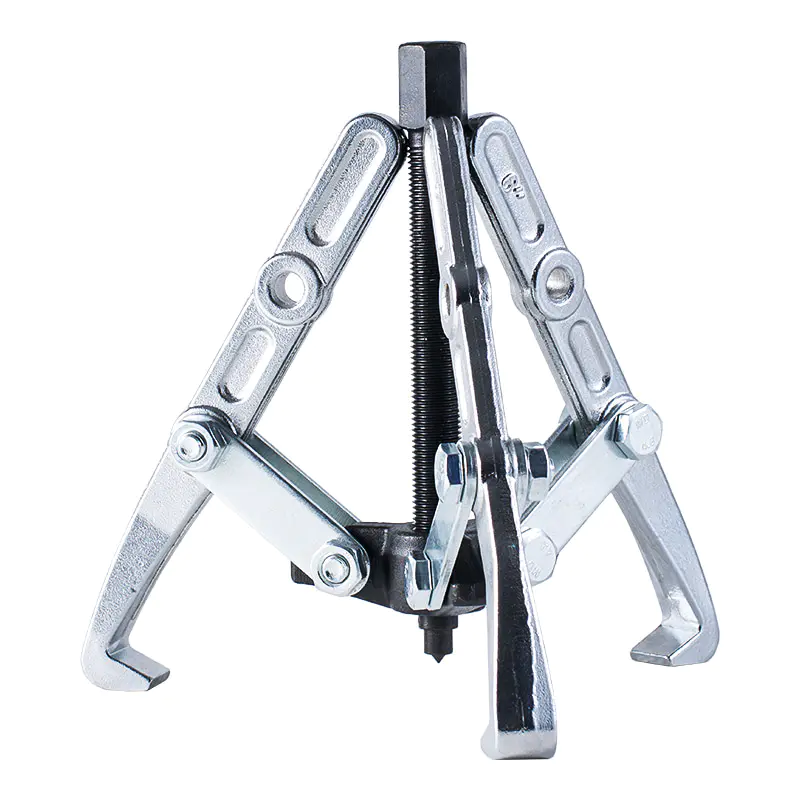
Model: SN0108 SN0109
-
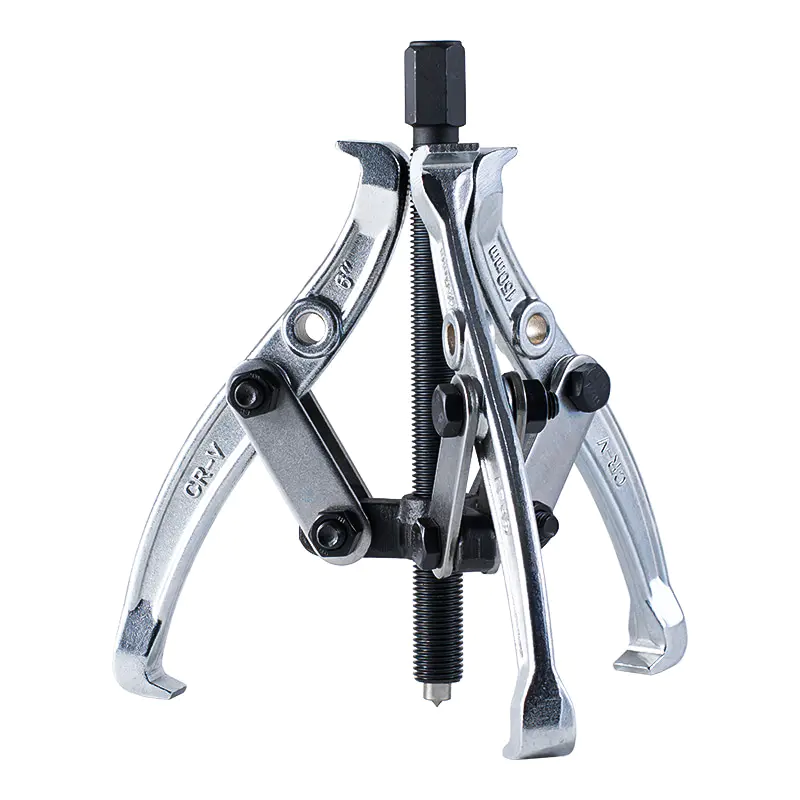
Model: SN0105
-
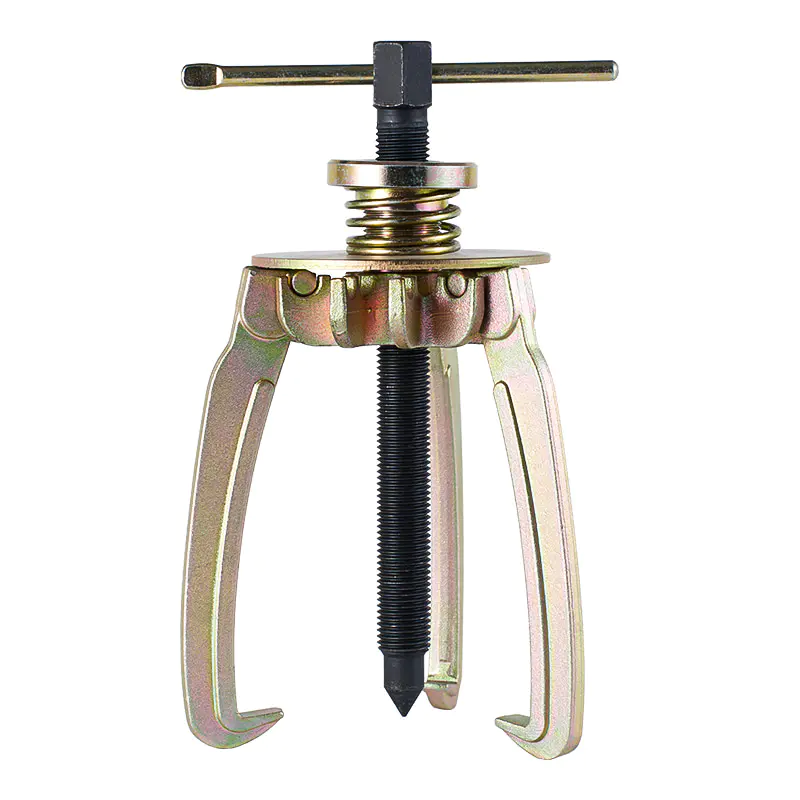
Model: SN0106
-
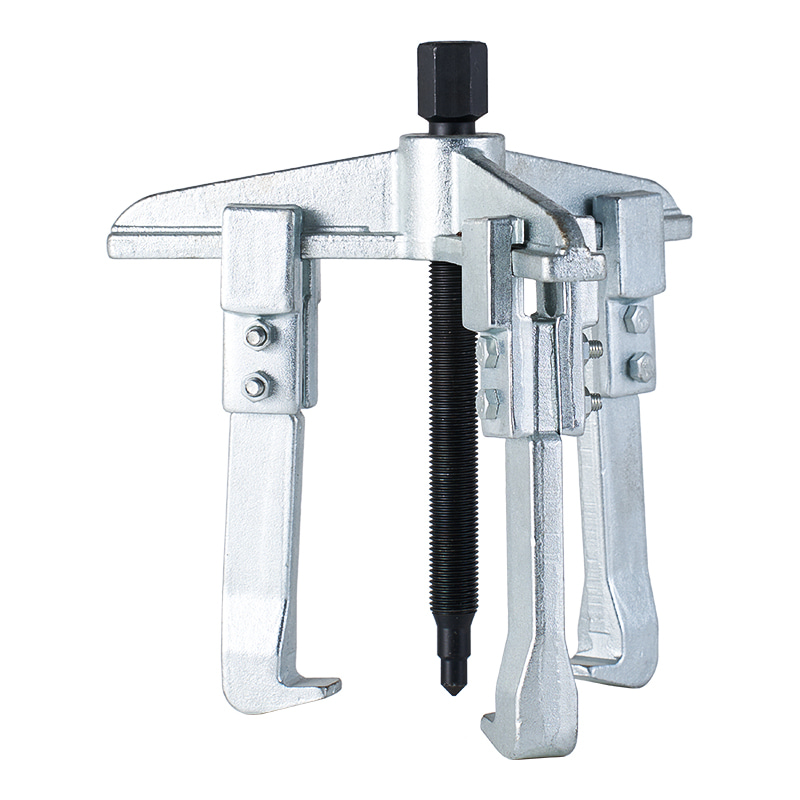
Model: SN0110
-
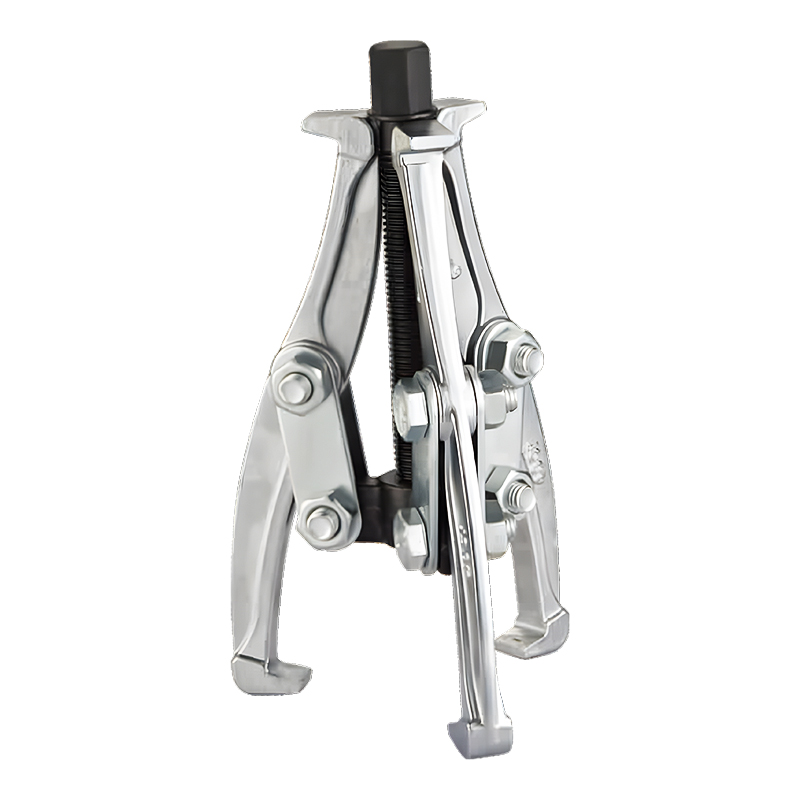
Model: SN0118
-
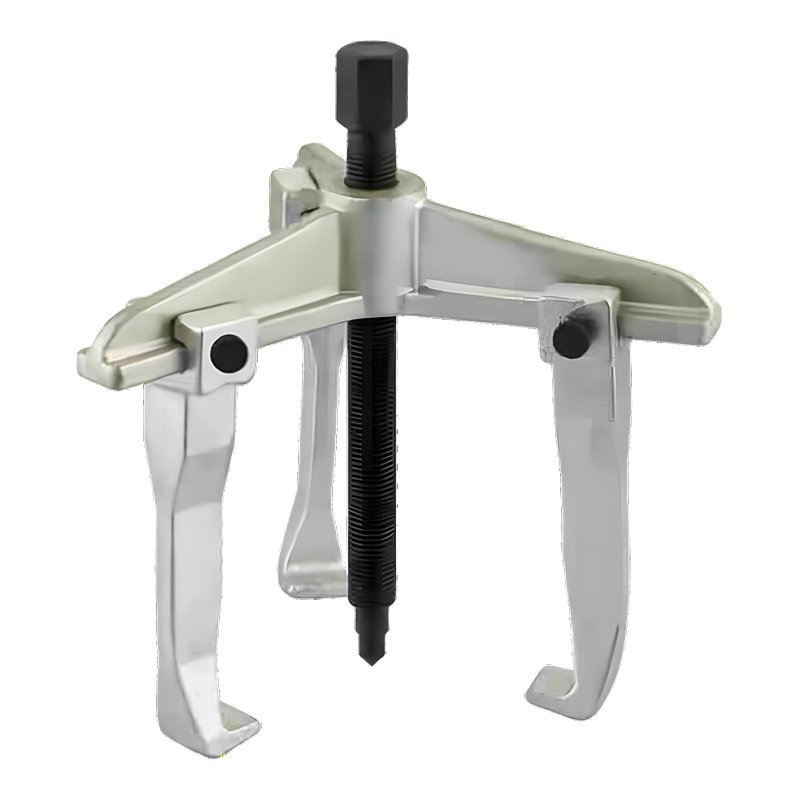
Model: SN0122
-
Model: SN0118-1
Submit feedback
Who Needs a Universal Gear Puller for Equipment Repair
2026-10-23
Equipment repair rarely stops at swapping a worn part or snugging up a loose bolt. Plenty of components fit tight around shafts and just won't budge by hand. Gears, pulleys, bearings — these can sit locked in place after years of service, and forcing them off without the right tool risks wrecking the part itself or whatever's sitting around it.
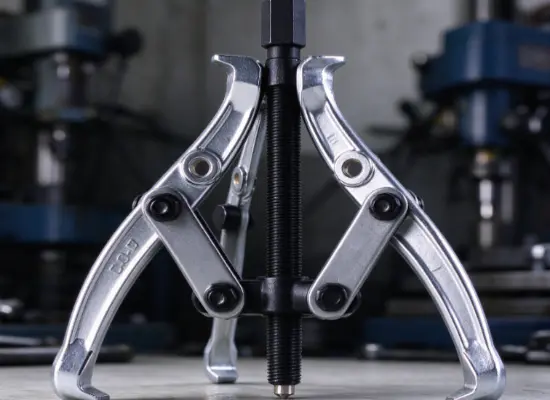
A universal gear puller exists to pull fitted components free in a way that's actually controlled, rather than relying on brute force and hope. It shows up everywhere from automotive bays to industrial maintenance floors. Its adjustable build lets it handle different component shapes and removal jobs, within limits set by how the tool itself is constructed.
So who genuinely needs one? The honest answer stretches well past professional mechanics. Maintenance technicians, machine repair specialists, equipment operators, even serious DIY users can find real use for one. It really comes down to what equipment's getting serviced, how often repairs happen, and what kinds of components need pulling loose.
1. Why Is a Universal Gear Puller Useful for Equipment Repair?
Mechanical parts usually get installed with a tight fit on purpose — that's what keeps them in position while the equipment's running. Great for operation, less great once maintenance time rolls around and that same tight fit turns into a real headache.
A gear or pulley can seize up from corrosion, grime buildup, years of use, or simply because the fit's just that snug around the shaft. Bearings resist removal too after absorbing repeated loads over time. Pulling by hand often doesn't generate enough force, and reaching for a hammer instead tends to introduce stress nobody wants in the assembly.
A universal gear puller gives a far more controlled path here. Its jaws clamp onto the component while a central screw applies steady pulling force along the shaft or some other suitable support point. Turn the screw, and the tool gradually works the component free from its mounting.
This approach cuts way down on uncontrolled force entering the picture. It also makes the whole removal process a lot more manageable when a component needs inspecting, repairing, or swapping out entirely.
Worth being clear, though — "universal" doesn't mean one tool fits every mechanical assembly out there. Pullers vary in jaw shape, opening range, reach, load capacity. Some components genuinely need a dedicated puller or an entirely different removal approach instead.
The real value here is having one tool that covers several compatible removal jobs, instead of needing a separate specialized tool for every single component that crosses your bench.
2. Do Automotive Mechanics Need a Universal Gear Puller?
Automotive repair is one of the classic settings where a puller earns its keep. Vehicles are packed with fitted components that need removing regularly during inspection, servicing, or repair work.
Depending on the component and the puller's design, it might help pull pulleys, gears, hubs, certain bearings loose. These parts can be genuinely stubborn to separate from shafts or mounting surfaces, especially after years of service wear.
Picture a mechanic staring at a worn pulley. It needs to come off before the shaft can even get examined, let alone before a damaged part gets replaced or nearby components become accessible. A suitable puller applies force in a controlled direction, keeping unnecessary pressure off adjacent parts that didn't need to be involved in the first place.
Same principle holds for certain engine accessories and mechanical assemblies. A tool handling several compatible component shapes cuts down on constantly swapping between different removal tools mid-job.
That said, automotive systems aren't built to one standard. Some components come with special removal requirements, and pulling force applied at the wrong point can genuinely damage others. A universal puller only belongs in the picture when its jaws can grip the part securely and the center screw lines up with an appropriate support point.
Vehicle service instructions should really drive the process here. Some assemblies call for a dedicated puller, a specific adapter, or a procedure built to protect delicate components. Mechanics shouldn't assume a general-purpose tool fits the job just because the component looks like it'll grab fine.
For repair shops handling a mix of vehicle systems regularly, a puller earns a solid spot in the broader tool collection.
3. Who Benefits From Using Pullers in Industrial Maintenance?
Industrial maintenance crews work with machinery that has to stay reliable through ongoing production. When a part wears out or develops a fault, technicians usually need it off before they can even diagnose the cause, let alone install a replacement.
Gears, pulleys, bearings are everywhere in rotating equipment — conveyors, pumps, motors, processing machinery, you name it. Depending on the assembly, a universal gear puller can help technicians pull compatible parts during planned maintenance or reactive repair work alike.
The tool really shines in facilities where maintenance staff juggle several machine types across a shift. Rather than stocking a separate removal tool for every compatible component out there, one well-chosen puller can cover a lot of that ground.
A handful of industrial roles tend to get real value from this kind of equipment.
Maintenance technicians reach for pullers constantly when dismantling machinery for inspection, servicing, or part replacement. Their work spans a lot of different equipment, so flexibility matters a lot here.
Mechanical repair specialists lean on pullers when rebuilding assemblies or chasing down the root cause of equipment failure. Controlled removal lets them examine parts without accidentally adding fresh damage mid-inspection.
Plant maintenance teams often keep pullers in the shared workshop toolkit for routine repair work. What they actually stock depends on the equipment running at that facility and whatever components get swapped most often.
Field service technicians need portable tools for jobs at customer sites or wherever workshop facilities just aren't available. A good adjustable puller cuts down the pile of separate tools they'd otherwise have to haul around.
Even in industrial settings, though, not every job calls for a universal puller. Large assemblies, badly seized parts, components with odd mounting arrangements often need specialized gear instead. The technician really has to size up the job before picking a removal method.
4. Can Small Workshops and DIY Users Benefit From a Universal Gear Puller?
Universal gear pullers aren't some exclusive tool reserved for big repair facilities. Small workshops and genuinely experienced DIY users run into plenty of situations where they're worth having too.
A home workshop might have lawn equipment, small motors, power tools, bicycles — all sorts of devices with fitted rotating components tucked inside. What looks like a simple repair can turn genuinely frustrating fast when a pulley or bearing just won't let go.
Reaching for the wrong method can turn a small job into an expensive one. Prying against a thin housing bends it out of shape; hammering on a shaft can rattle the parts connected to it. A puller offers a better path when the component and assembly actually suit this approach.
Small repair businesses get real value from having one adjustable tool on hand for a range of compatible jobs too. These shops often bounce between different products throughout the day, and a universal puller delivers useful flexibility without demanding a huge collection of specialized tools taking up bench space.
Still, DIY users should think honestly about how often they'll actually reach for the thing. Someone fixing household equipment once in a blue moon might not need a puller at all, if the components involved can come off safely some other approved way. Someone servicing small engines or mechanical assemblies regularly, though, will likely get real mileage out of one.
Experience factors in here too. A puller needs correct positioning, and pulling force has to land on suitable contact points. Anyone unfamiliar with the tool should read through its instructions and understand the equipment manufacturer's removal procedure before diving in.
The goal was never just getting the component off. It's getting it off without creating a brand new fault that needs fixing right after.
5. Which Components Can a Universal Gear Puller Remove?
What a universal gear puller can actually handle depends on its design and how the assembly in question is put together. Gears and pulleys are the classic use case, but certain bearings and other fitted parts fit the bill too.
Walking through the main component types helps figure out whether a puller actually earns a spot in your workshop.
Gears
Gears often get fitted tightly onto shafts to hold their position through operation. When a gear needs replacing or a closer look, a puller helps separate it from the shaft cleanly.
The jaws need to grip a suitable part of the gear without chewing up its teeth or thin edges in the process. If there's not enough clearance behind the gear for secure jaw placement, a different tool is probably the better call.
Pulleys
Pulleys turn up in just about every belt-driven system out there. Over time, corrosion, grime, and a snug fit can make them genuinely stubborn to remove.
A suitable puller draws a pulley away from its shaft cleanly. Correct alignment really matters here — uneven pulling can tilt the pulley or dump unnecessary stress onto nearby parts that didn't ask for it.
Bearings
Some bearings come off fine with a universal gear puller, as long as the jaws can reach an appropriate surface and the tool applies force correctly. Others need specialized pullers that grip behind the inner ring or support the bearing in a very specific way.
The right method really depends on how the bearing's actually mounted. Force applied through the wrong part of a bearing can damage it — or the assembly surrounding it.
Other Fitted Components
Certain hubs, collars, similar parts can also suit puller-assisted removal. Whether they actually do comes down to shape, available gripping space, and the direction the pull needs to go.
| Component | Potential repair task | Main consideration |
|---|---|---|
| Gear | Inspection or replacement | Protect teeth and gripping surfaces |
| Pulley | Belt system maintenance | Maintain alignment during removal |
| Bearing | Inspection or replacement | Apply force to suitable bearing surfaces |
| Hub | Disassembly of compatible assemblies | Check access and mounting arrangement |
| Collar | Maintenance of shaft-mounted parts | Confirm secure jaw placement |
Treat this table as general guidance, not a compatibility guarantee. The tool's own instructions and the component manufacturer's procedures are what should really settle the method.
6. How Should Users Choose a Universal Gear Puller for Their Work?
The right puller really comes down to the components being serviced and the conditions the tool will actually face. Picking one purely off its general-purpose label can set up problems during removal that nobody saw coming.
Think through the component shape. Jaws need to reach behind the part and hold a secure grip the whole time. Some components have narrow edges or tight clearance, which rules out certain puller designs right away.
Check the available working space. A puller that works beautifully in an open workshop can be a nightmare to position inside a cramped assembly. Jaw reach and overall tool shape both affect access here.
Match the tool to the actual removal job. Different components call for different pulling arrangements. A two-jaw design suits some jobs well; a three-jaw setup offers a different gripping arrangement entirely. Neither fits every job out there.
Review what the tool's actually built for. The puller needs to handle both the component and the force the task demands. Following manufacturer guidance beats trying to muscle a stubborn part free with excessive force.
Think about durability and upkeep. Pullers take repeated mechanical loads over their life. Threads, jaws, contact surfaces all need to stay in decent shape. Damaged or worn components hurt grip and safe operation alike.
Consider the range of work ahead. A general repair workshop probably values a puller covering several common component types at once. A facility maintaining one specific machine might get more out of a dedicated tool built for that exact assembly.
Worth thinking about the full tool collection too. A universal puller covers a lot of ground, sure, but it doesn't replace every bearing separator, internal puller, or specialized removal tool out there.
7. What Safety Practices Matter When Using a Universal Gear Puller?
A puller concentrates real force onto a fairly small area. Slip, break, or misalign it, and you're looking at damaged equipment or worse — personal injury. Safe use starts well before the screw ever turns.
Equipment needs shutting down and isolating from its power source, following whatever maintenance procedure applies. Moving parts need securing, and any stored energy in the system needs addressing before disassembly even begins.
Worth inspecting the puller itself for visible damage, worn threads, bent jaws, anything that could throw off operation. A damaged tool has no business getting used until it's properly assessed and either repaired or replaced outright.
Correct positioning matters just as much. Jaws need to grip a suitable part of the component, and the center screw needs to line up with the intended support point. Uneven contact lets the tool shift as force builds, which is exactly when things go wrong.
Force should go on gradually, following the manufacturer's instructions closely. If the component won't budge, cranking up the force without figuring out why first isn't a real solution — it's a gamble. Corrosion, hidden fasteners, retaining rings, keys, other restraints might be exactly what's holding things in place.
Eye protection and other appropriate PPE belong on before starting. Hands and other body parts need to stay clear of anywhere the tool or component could move suddenly and without warning. Components should get supported properly when their release could send them falling.
A truly stubborn part might need a different removal method, a dedicated puller, or a qualified technician stepping in. Knowing when a general-purpose tool just isn't the right call is a real part of doing equipment repair properly.
8. When Is a Specialized Puller More Appropriate?
A universal gear puller covers plenty of compatible tasks, but some assemblies genuinely need a more specific solution. Spotting these situations early keeps maintenance teams from forcing a tool into a job it was never built for.
A specialized puller makes more sense when a component has limited gripping space, an unusual shape, or a mounting arrangement that just won't let standard jaws make secure contact. Certain bearings need force applied to one particular ring specifically. Other assemblies call for an internal puller, a separator, or a dedicated adapter built for that exact job.
The component's actual condition matters too. A badly corroded part can resist removal even when a general-purpose puller looks like it fits fine at first glance. Sometimes the real problem's a retaining device, damaged threads, or some other feature that needs addressing before any pulling should start at all.
Equipment manufacturers often spell out a particular removal procedure specifically to protect shafts, housings, bearings, or nearby parts. Following that procedure matters a lot more than trusting how versatile a tool appears to be on the surface.
For maintenance departments, the practical move is keeping general-purpose tools on hand for compatible jobs while still having access to specialized equipment when the job actually calls for it. That lets technicians pick a removal method that genuinely fits the assembly in front of them, rather than treating every repair like it's the same job with the same solution.

-

Fax: +86-576-82686606
-

Tel: +86-576-82686563
+86-576-82686832 -

E-mail: [email protected]
-

Add: Fengjiang Industrial Park, Luqiao Area,Taizhou City, Zhejiang Province, China
Copyright © 2025 Taizhou Xinming Technology Co., Ltd. All Rights Reserved.

Sale Hardware Tools Factory