

 русский
 Español
 عربى
-
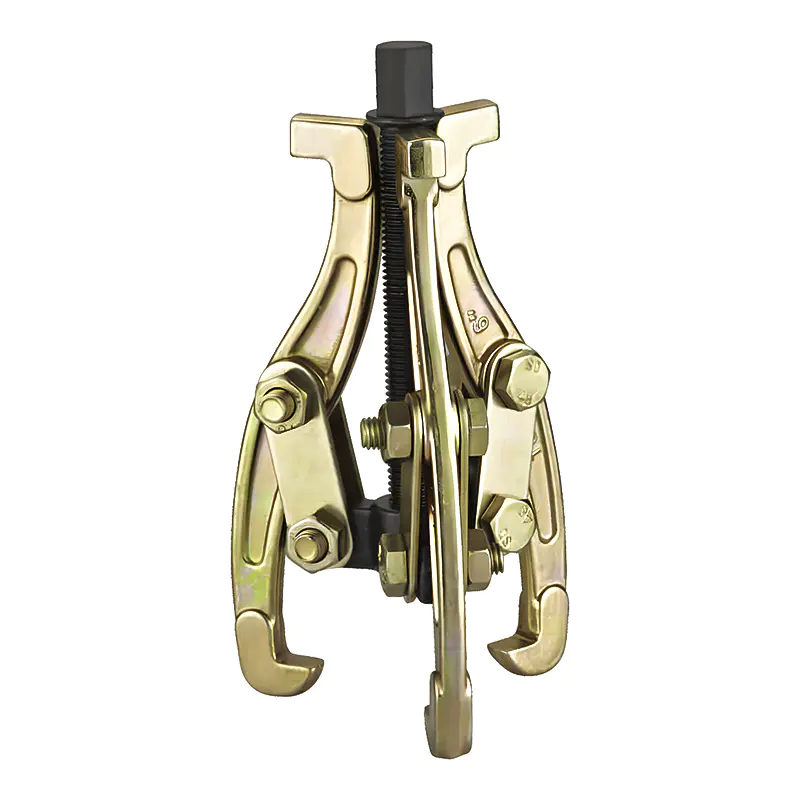
Model: SN0101
-
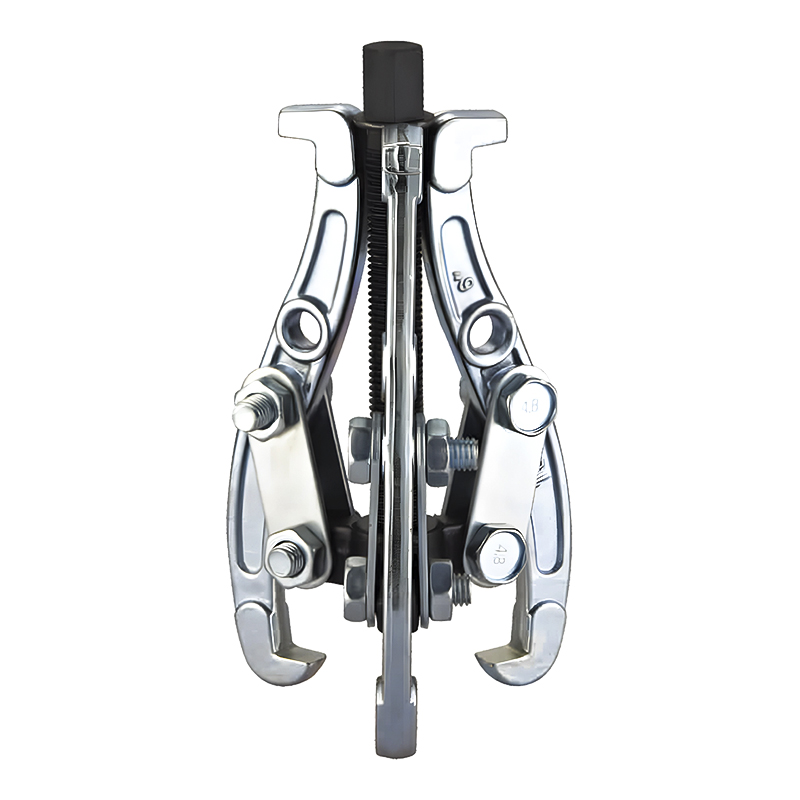
Model: SN0102-1
-
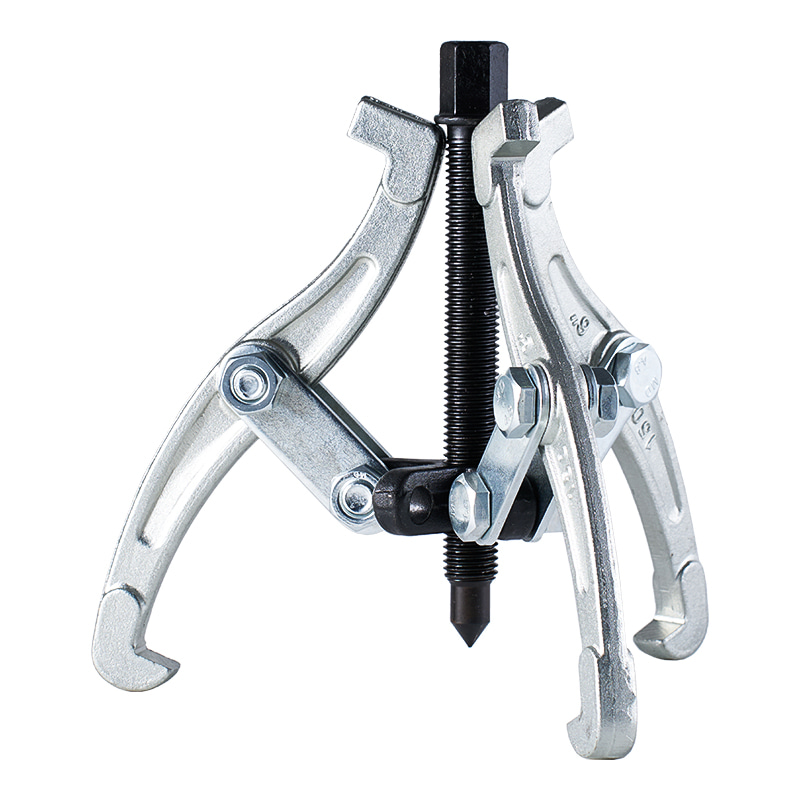
Model: SN0103
-
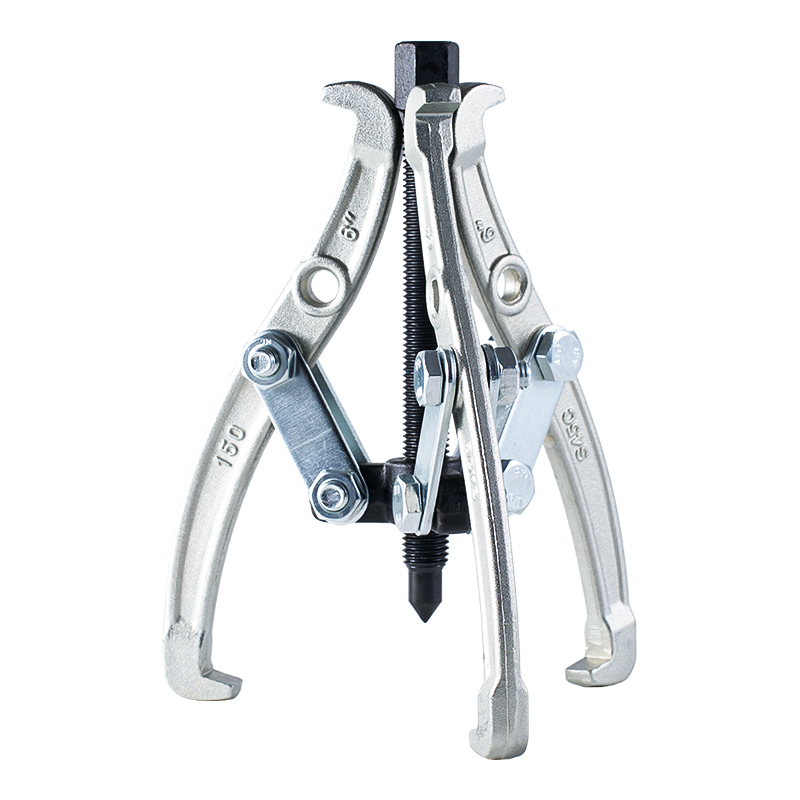
Model: SN0102 SN0107
-
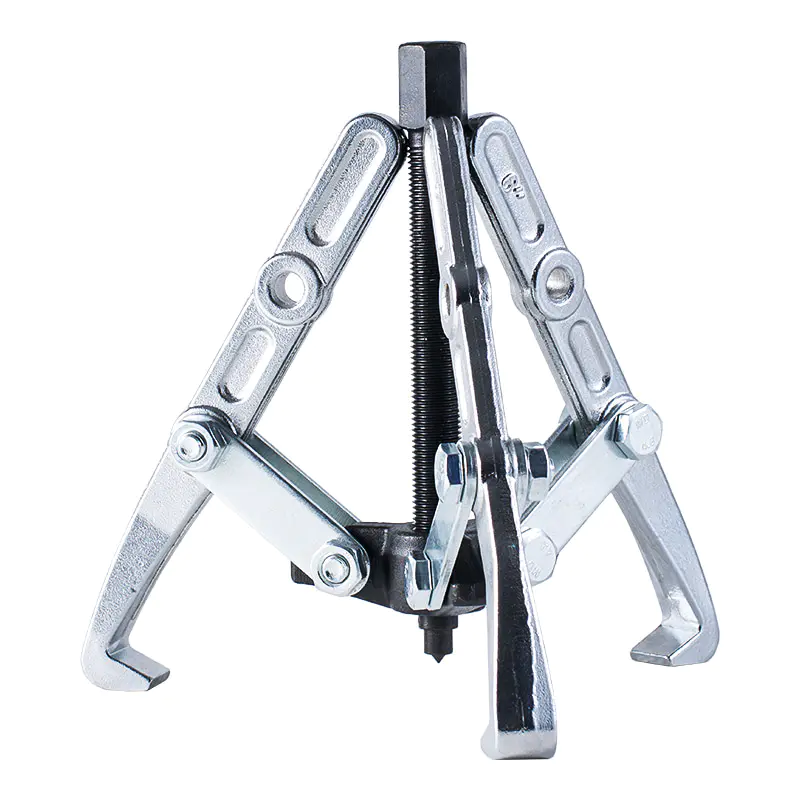
Model: SN0108 SN0109
-
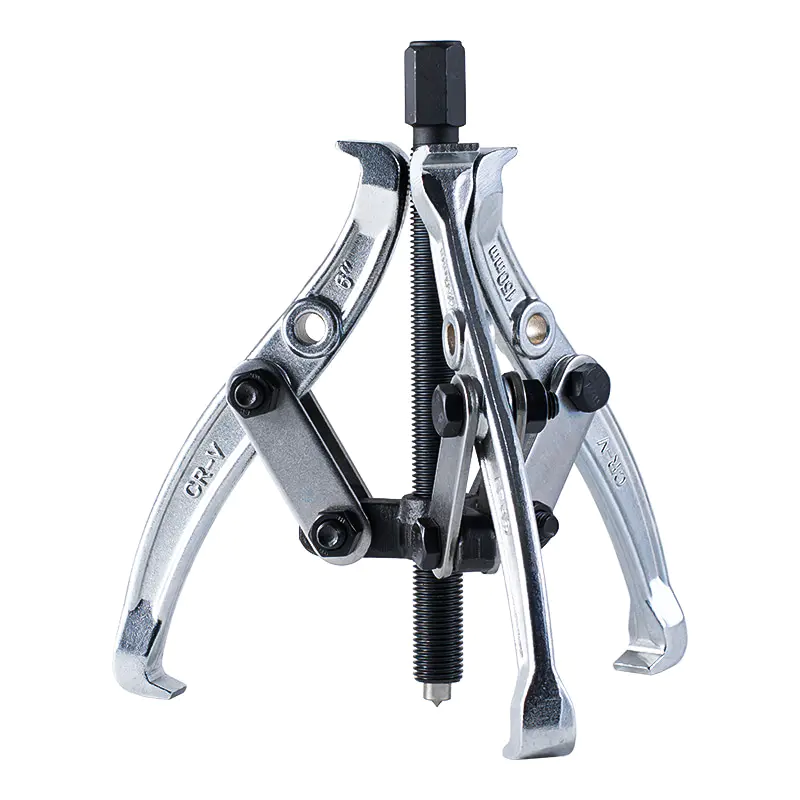
Model: SN0105
-
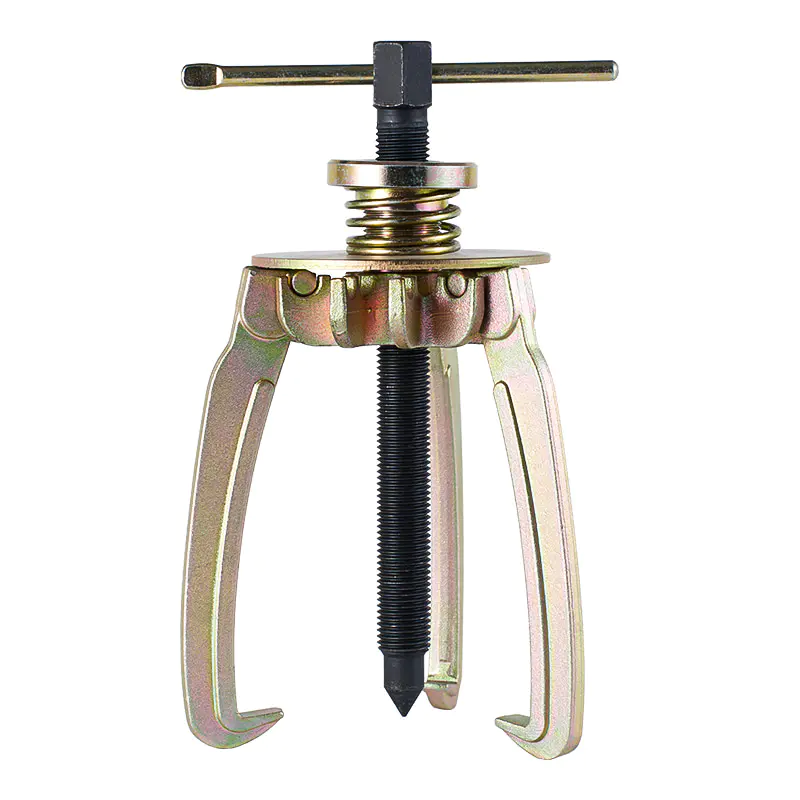
Model: SN0106
-
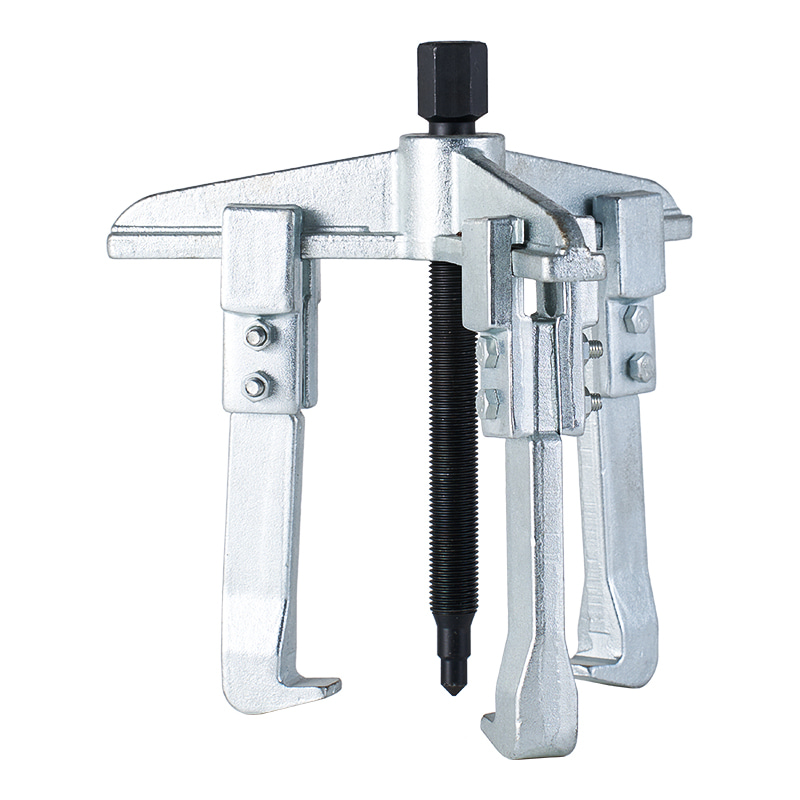
Model: SN0110
-
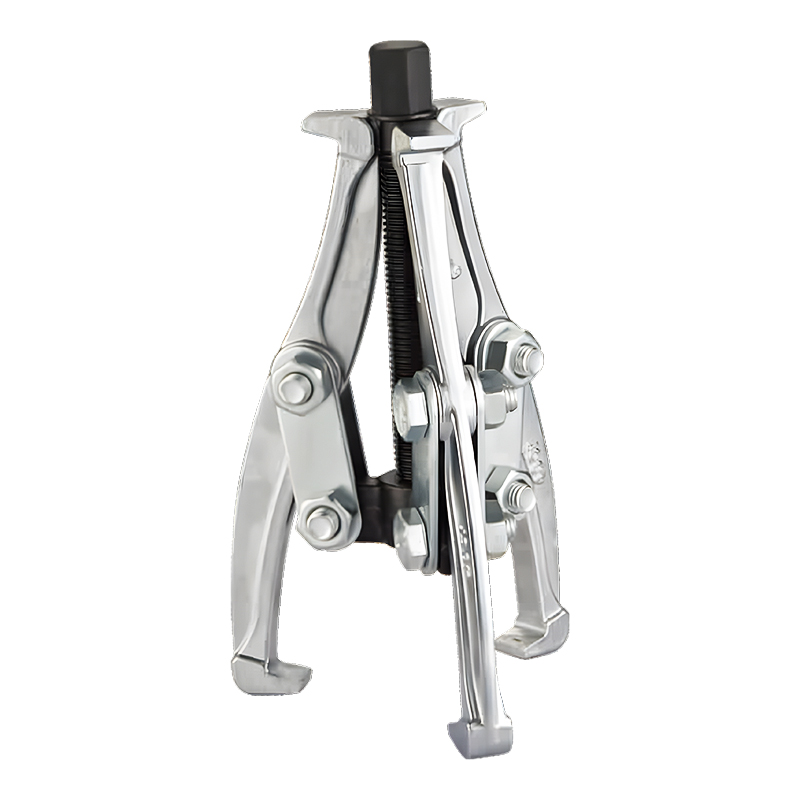
Model: SN0118
-
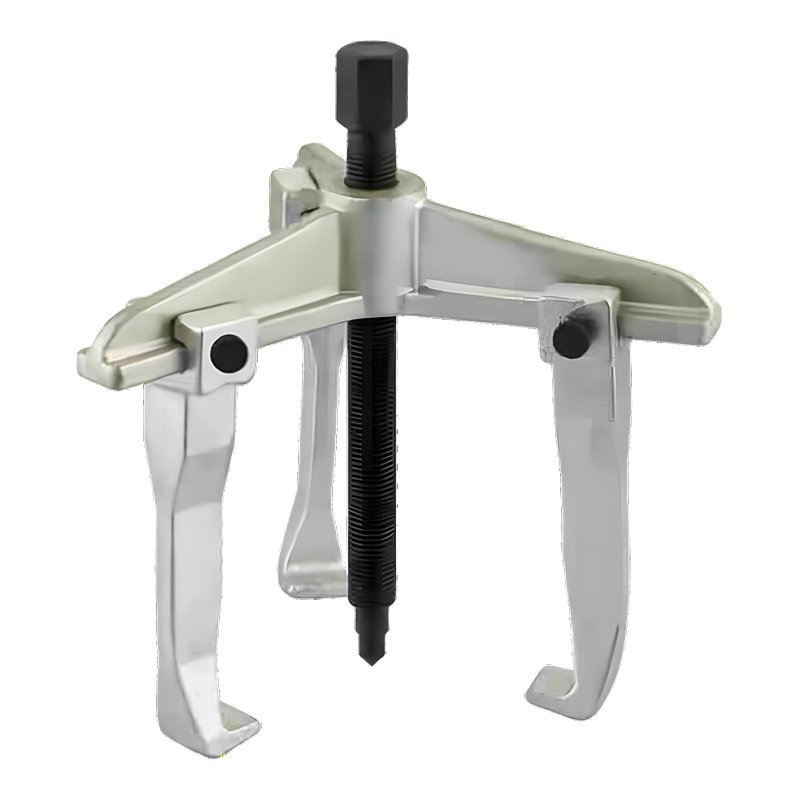
Model: SN0122
-
Model: SN0118-1
Submit feedback
Which Automotive Components May Require a Bearing Puller
2026-11-06
Automotive repairs often involve parts that fit tightly onto shafts or sit firmly inside housings. These connections keep components in place during normal driving. They also make removal hard when a vehicle needs maintenance or repair. A bearing puller handles many of these jobs well.
A bearing puller applies controlled force to remove a fitted component from its mounting position. Depending on the design, it grips the outside of a part or engages behind it. Technicians can then separate components without repeated hammering or improvised methods that damage parts.
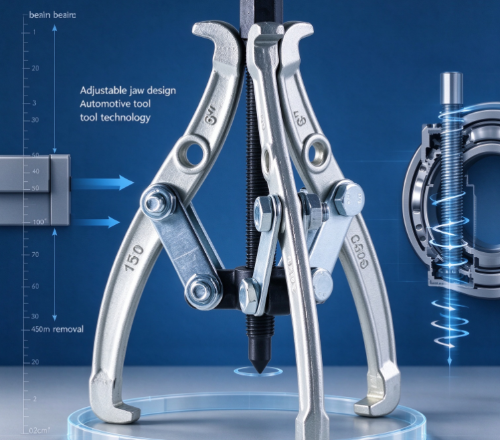
Not every repair calls for a bearing puller. Some parts come off by hand or with other tools. The need depends on the component's position, the type of fit, the available working space and the condition of the surrounding assembly.
Knowing which automotive components may need a bearing puller helps repair shops prepare their tool kits and pick the right removal method. It also helps buyers compare puller designs against the tasks they actually perform.
Why Do Automotive Repairs Require Bearing Pullers?
Many automotive components rotate, support moving parts or transfer force between connected assemblies. Bearings are common in these systems because they let parts move while controlling friction and carrying loads. During service, a bearing comes out because it's worn, noisy or damaged, or because a larger repair requires it.
The challenge usually lies in how the component is fitted. A bearing sits tight on a shaft, inside a housing or behind another part. Dirt, corrosion, long service periods and heat make removal harder still. Pulling the component out by hand often isn't practical.
Automotive Bearing Puller gives a controlled way to apply removal force. Its jaws or gripping points hold the component, while the central screw or other driving mechanism pushes against a suitable surface. That action separates the part from its mounting position.
The tool has to match the task. A puller that grips the wrong area damages the component or the surrounding structure. Poor alignment makes the tool slip. Before removal, technicians identify where the component is supported and which surfaces can safely carry the pulling force.
Bearing pullers aren't limited to bearings. Depending on the design, they also help remove gears, pulleys, hubs and other fitted parts. A tool that suits one component won't necessarily suit another. The removal method should reflect the component's structure and the vehicle manufacturer's service instructions.
Which Wheel and Hub Components May Need a Bearing Puller?
Wheel assemblies are among the systems where bearing removal tools come into play. Wheel bearings let the wheels rotate while supporting the vehicle. Their location and mounting arrangement vary across vehicle designs, so the removal process isn't always the same.
Some wheel bearings are fitted into a hub or knuckle. Others form part of a hub assembly that's replaced as a unit. When a bearing has to be separated from its mounting surface, a suitable puller applies force in a controlled direction.
Wheel hubs also call for a puller when they're stuck on a shaft or hard to separate from related components. Corrosion and long periods without service make the connection especially tight. Choosing the correct gripping points matters here, because nearby brake parts, sensors and mounting surfaces are easy to damage.
Technicians should tell the difference between removing an entire hub assembly and extracting a bearing from it. The required tools differ. Some jobs need a dedicated hub or bearing service tool, not a general-purpose puller.
A puller also serves in certain axle-related repairs when a fitted bearing or related component has to come out. Not every axle bearing yields to the same tool, though. The component's position, access and mounting design decide the right approach.
Before starting, check whether brake components, wheel speed sensors or other connected parts need removing or protecting. That preparation prevents damage during extraction.
How Are Bearing Pullers Used for Transmission and Drivetrain Components?
Transmission and drivetrain assemblies contain many rotating parts. Bearings support shafts and keep gears in their intended positions. When these parts wear, technicians remove bearings or other tightly fitted components during repair.
A bearing puller helps extract a bearing from a transmission shaft, as long as the component and shaft arrangement let the tool engage safely. The tool must apply force to a suitable part of the bearing. A fragile cage or another surface that could break is the wrong place.
Gears also need pulling tools when they're fitted tightly onto shafts. A bearing puller works for certain gear removal tasks, but the tool must suit the gear's shape and mounting arrangement. Some gears require a dedicated gear puller or another service tool.
Driveshaft and axle assemblies contain bearings, collars and related fitted parts. During service, technicians separate one of these components without damaging the shaft or nearby surfaces. A properly matched puller makes that task more controlled.
Access is a common challenge in drivetrain work. Surrounding parts leave little room for the tool's jaws. A puller with suitable reach and gripping arrangement helps, but a narrow space doesn't automatically make a general-purpose puller the right choice. If the jaws can't seat securely, use another removal method.
Drivetrain components also need careful handling, since incorrect removal affects alignment or damages surfaces needed for later assembly. Technicians follow the service procedure for the specific unit and inspect removed parts before installing replacements.
What Engine Components May Require a Bearing Puller?
Engines contain several fitted components that need a puller during repair. The exact requirements depend on the engine layout and how each part is mounted.
Crankshaft pulleys are one example. They transfer rotational movement to connected systems. A pulley becomes hard to remove after extended use, especially when corrosion or a tight fit holds it in place. A suitable puller separates the pulley from the crankshaft without putting needless force on nearby engine parts.
Some engine designs also use fitted gears and timing-related components. When these parts need replacing, technicians need a puller that matches the component's shape and mounting position. The removal process should protect the shaft, keyway and surrounding surfaces from scratches or deformation.
Certain engine bearings also need extraction tools during an overhaul. These include bearings on shafts or inside housings where direct access is limited. Some bearings, however, come out with presses or dedicated service tools. Don't treat a standard bearing puller as a universal solution for engine work.
The main concern is controlling where the force lands. Engine parts sit close to seals, covers and other components that can't withstand pulling pressure. If the tool slips or grips an unsuitable surface, the repair gets more complicated.
Technicians should consult the engine's service instructions before removing fitted components. They should also check whether a special holding tool is needed to keep the shaft or assembly from moving during the process.
Can Alternators, Starters, and Other Electrical Components Need Pullers?
Electrical systems contain mechanical parts that need removal tools too. Alternators, starters and related assemblies use shafts, bearings, pulleys and other fitted components to support movement.
An alternator needs bearing replacement when its shaft turns noisy or stiff. Depending on its construction, a puller helps remove a pulley or bearing during disassembly. Some alternator designs require dedicated tools to hold the rotor or separate components without damaging the housing.
Starter motors also contain rotating parts and supporting bearings or bushings. During a repair, a technician may need to remove a fitted component from the armature or shaft. Whether a puller suits the job depends on the assembly design and the part's location.
These jobs involve limited working space and delicate electrical components. A tool that's too large or poorly positioned damages the housing, wiring or nearby parts. The technician identifies the component to be removed and confirms the puller's gripping points reach it securely.
Not every electrical component needs a bearing puller. Some assemblies come apart with ordinary hand tools, while others use retaining clips, fasteners or special fittings. Use a puller only when the mounting arrangement calls for controlled extraction.
For repair shops, this distinction matters when building a tool kit. A general-purpose puller covers some common tasks, but alternator and starter repairs also call for tools designed for specific assemblies.
Which Other Automotive Parts May Need Pulling Tools?
Beyond wheel, engine, drivetrain and electrical systems, several other automotive components need a puller during maintenance. The tool's suitability depends on the part being removed and how it's attached.
Pulleys are a common example. They appear in different vehicle systems and get stuck on their shafts. A puller separates a pulley while limiting the force applied to nearby parts. The jaws must grip the pulley securely, and the central force should act along the intended removal direction.
Some water pump and accessory drive assemblies contain fitted pulleys or bearings. Depending on the design, a puller removes a pulley before the pump or related component can be serviced. Other designs replace the entire assembly, which makes pulley extraction unnecessary.
Certain steering and suspension repairs also involve tightly fitted components. Not all parts in these systems suit a bearing puller, though. Ball joints, tie rod ends and similar connections often need dedicated separators or other tools that match their shape and mounting arrangement. Using a bearing puller where a specific separator is required damages the part or creates a safety risk.
Air conditioning compressors and other belt-driven accessories contain pulleys or bearings that need service. Surrounding components restrict access, so technicians check the repair procedure before choosing a tool.
The table below outlines common examples and the key point to consider during removal.
| Automotive Component | Why a Puller May Be Needed | Important Consideration |
|---|---|---|
| Wheel bearing | The bearing may be tightly fitted in a hub or housing | Confirm the bearing and hub design |
| Wheel hub | Corrosion or a tight fit may prevent easy removal | Protect nearby brake parts and sensors |
| Transmission gear | The gear may be fitted firmly onto a shaft | Use gripping points that will not damage the gear |
| Axle bearing | The bearing may be difficult to access or separate | Confirm the correct extraction method |
| Crankshaft pulley | The pulley may stick to the shaft | Avoid damaging the pulley or shaft |
| Alternator pulley | The pulley may require controlled separation | Check whether a dedicated tool is required |
| Accessory pulley | The fitted part may resist manual removal | Ensure the jaws can seat securely |
These examples aren't a universal list of required tools. Some vehicle designs use different mounting methods, and a component that needs a puller in one assembly comes off another way in a different design.
How Can Technicians Choose the Right Bearing Puller?
Selecting a suitable bearing puller starts with identifying the component and understanding how it's fitted. The part's name isn't enough. Its position, shape, mounting method and access conditions all affect tool selection.
Jaw design is one important factor. Two-jaw pullers work well when access is limited or the component offers suitable opposing gripping points. Three-jaw pullers spread the grip across more contact points, which helps keep the tool centered on compatible parts. Neither design fits every task. The jaws must sit securely without slipping or pressing on fragile areas.
Reach matters too. Some components sit deep inside an assembly, while others have almost no clearance behind them. A puller needs enough reach to engage the component properly. If the jaws can't reach a safe gripping surface, forcing the tool into place causes more damage.
The type of force required is another consideration. Manual pullers handle many general repair tasks, while certain demanding applications call for hydraulic equipment or dedicated service tools. Buyers should think about the components they regularly service. One puller won't handle every removal job.
Before purchasing, repair shops can review these points:
- Component compatibility: Identify the parts the tool is meant to remove and check whether its jaws fit their shape.
- Working access: Consider the space around the component and the required reach.
- Construction and condition: Check the puller's body, jaws, threads and moving parts for damage or wear.
- Application requirements: Confirm whether the repair procedure calls for a general-purpose puller or a dedicated tool.
- Maintenance and storage: Plan how the tool will be cleaned, inspected and stored between jobs.
Buyers should also read the tool manufacturer's instructions for permitted applications and safe operating practices. Never use a puller beyond its stated capacity, and never adapt it in a way that compromises its grip or structure.
What Safety Checks Matter Before Removing Automotive Components?
A bearing puller makes component removal more controlled, but correct use remains essential. The force involved makes a component move suddenly if the tool slips or the fitted part releases unexpectedly.
Secure the vehicle before work begins. Technicians follow the appropriate procedure for lifting and supporting the vehicle, disconnecting power sources when required and preventing connected systems from moving unexpectedly. Components should reach a safe handling condition before removal.
Inspect the puller itself. Cracked jaws, bent arms, damaged threads or worn contact surfaces prevent secure engagement. Take any tool with damage that affects safe operation out of service until it's been assessed.
Correct alignment is just as important. The puller should sit squarely against the component, with the jaws gripping suitable surfaces. The center screw or driving mechanism should apply force along the intended direction. If the tool starts to tilt, slip or move unevenly, stop and reassess the setup. Don't keep applying force.
Protecting surrounding components is part of the process. Brake parts, sensors, wiring, seals and finished surfaces often sit close to the removal area. Technicians identify these risks before applying force and use the removal method specified for the assembly.
Select personal protective equipment for the task, and keep hands clear of areas where parts might shift suddenly. If a component doesn't move as expected, more force isn't always the answer. Corrosion, hidden fasteners, retaining clips or the wrong tool are often the cause.
After removal, inspect the extracted component and the mounting surface. Damage to a shaft, housing or seating area affects the installation of the replacement part. Finding such problems before reassembly avoids repeated repairs and supports safer vehicle maintenance.

-

Fax: +86-576-82686606
-

Tel: +86-576-82686563
+86-576-82686832 -

E-mail: [email protected]
-

Add: Fengjiang Industrial Park, Luqiao Area,Taizhou City, Zhejiang Province, China
Copyright © 2025 Taizhou Xinming Technology Co., Ltd. All Rights Reserved.

Sale Hardware Tools Factory