

 русский
 Español
 عربى
عربى-
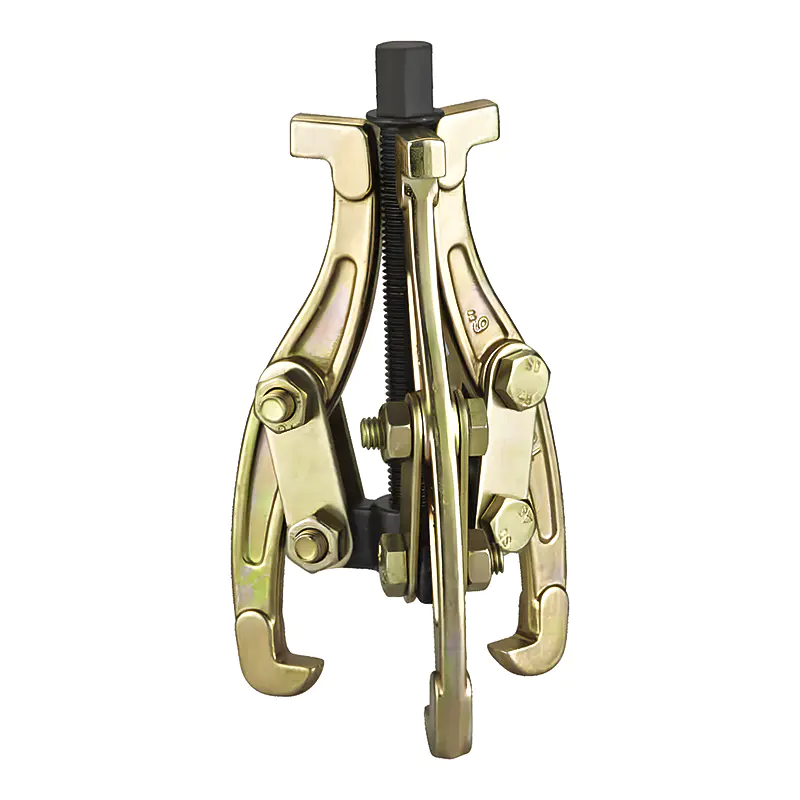
Model: SN0101
-
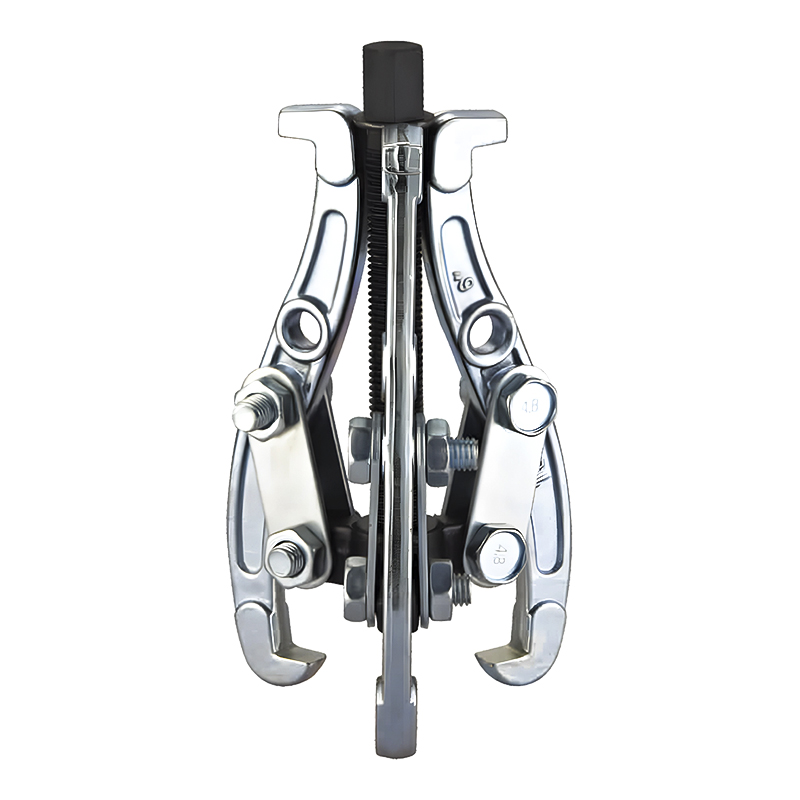
Model: SN0102-1
-
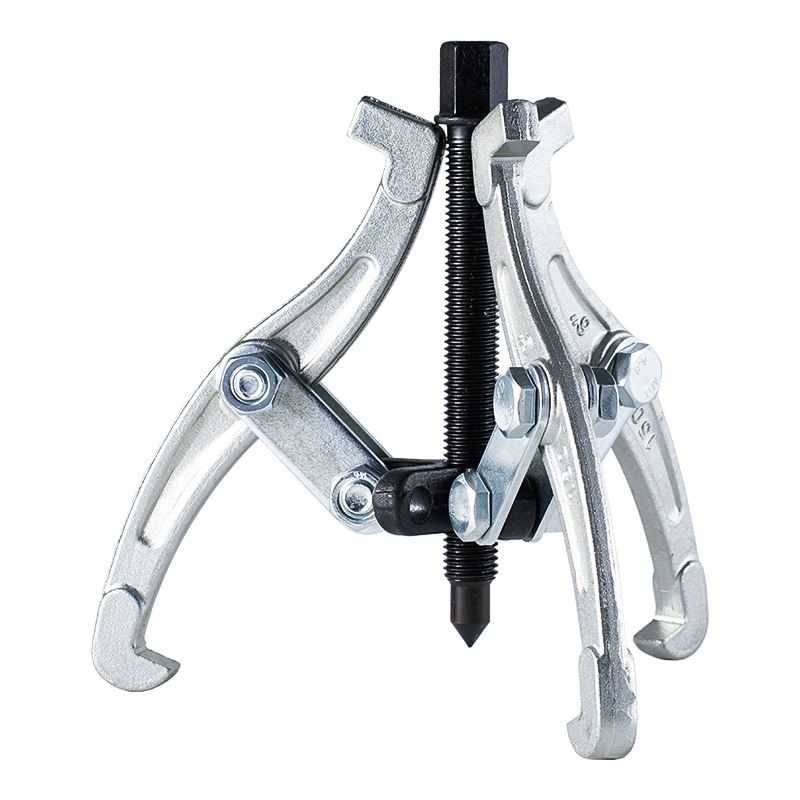
Model: SN0103
-
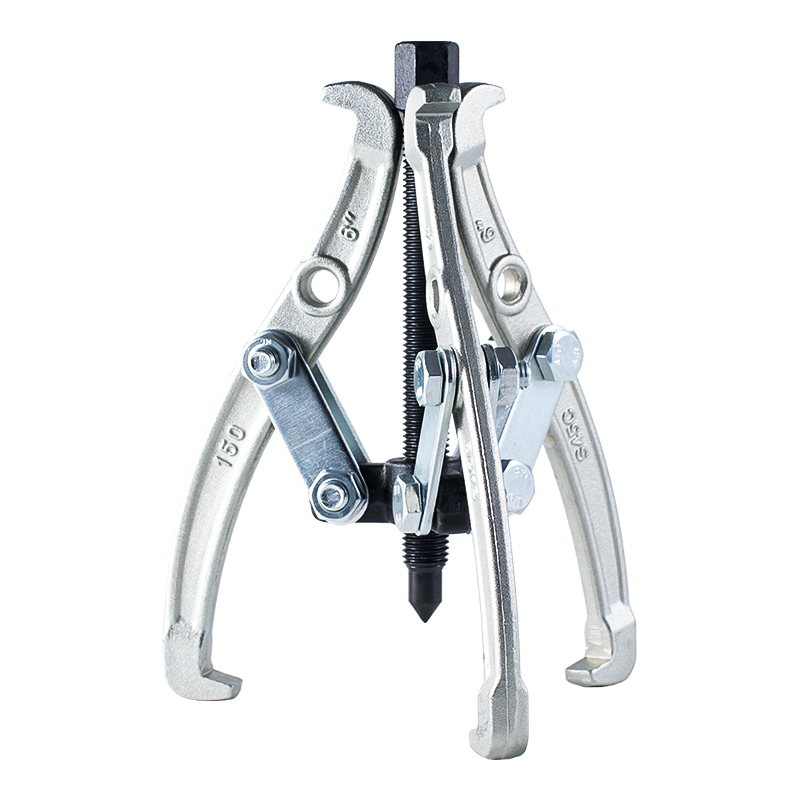
Model: SN0102 SN0107
-
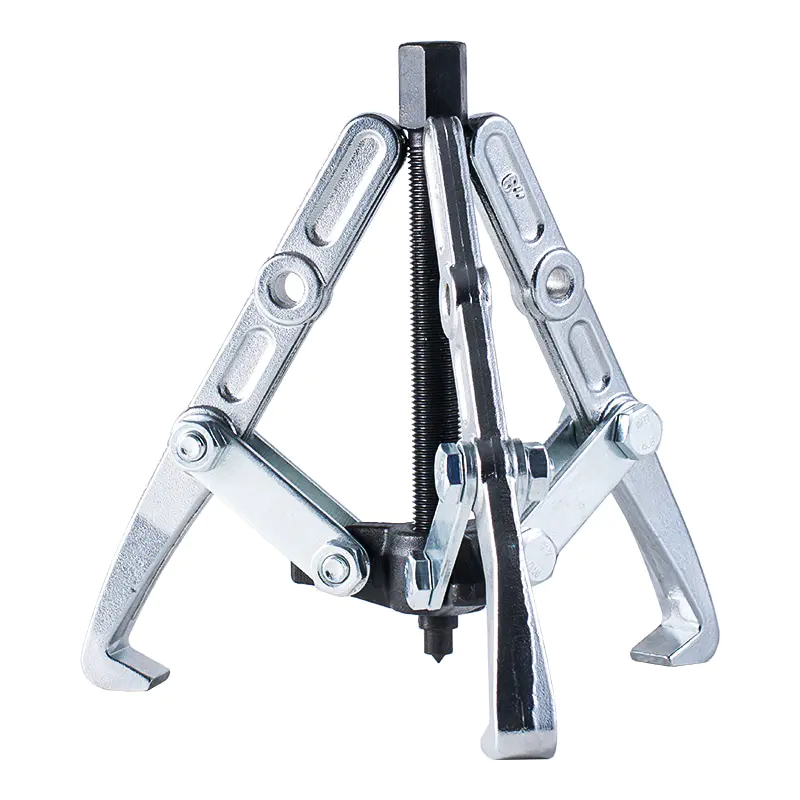
Model: SN0108 SN0109
-
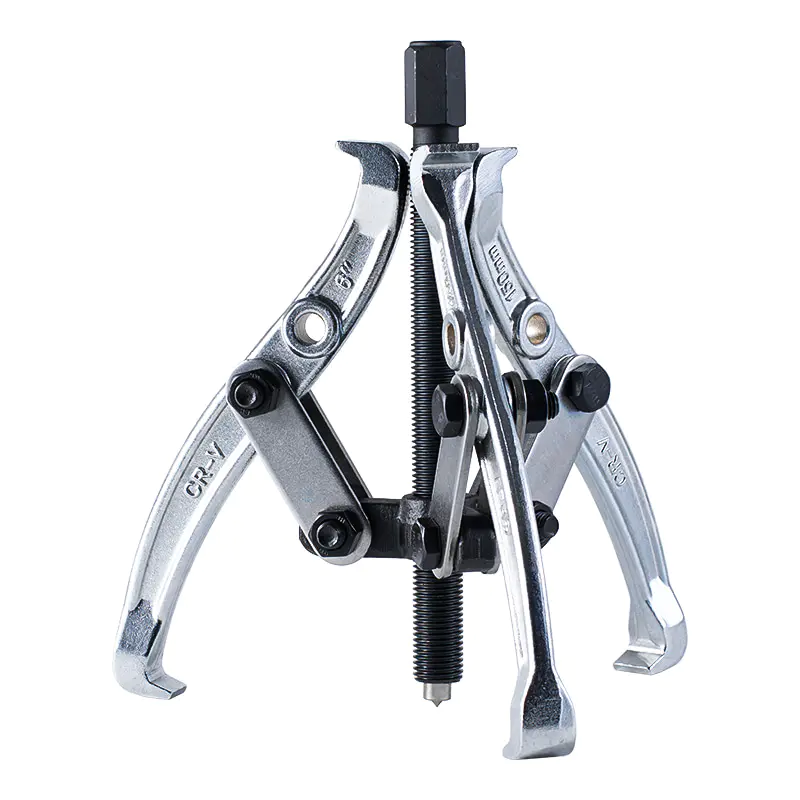
Model: SN0105
-
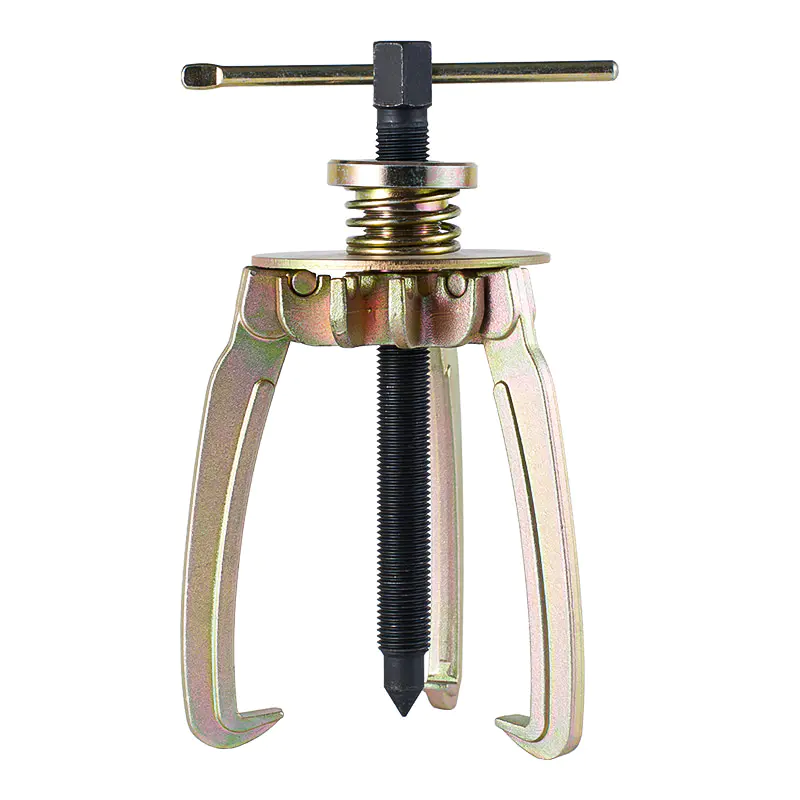
Model: SN0106
-
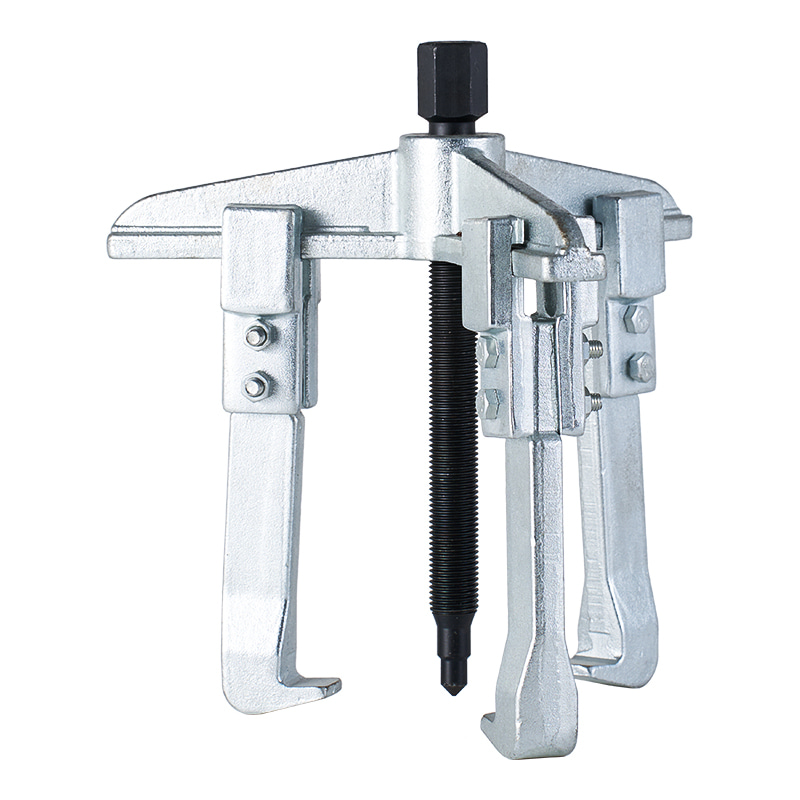
Model: SN0110
-
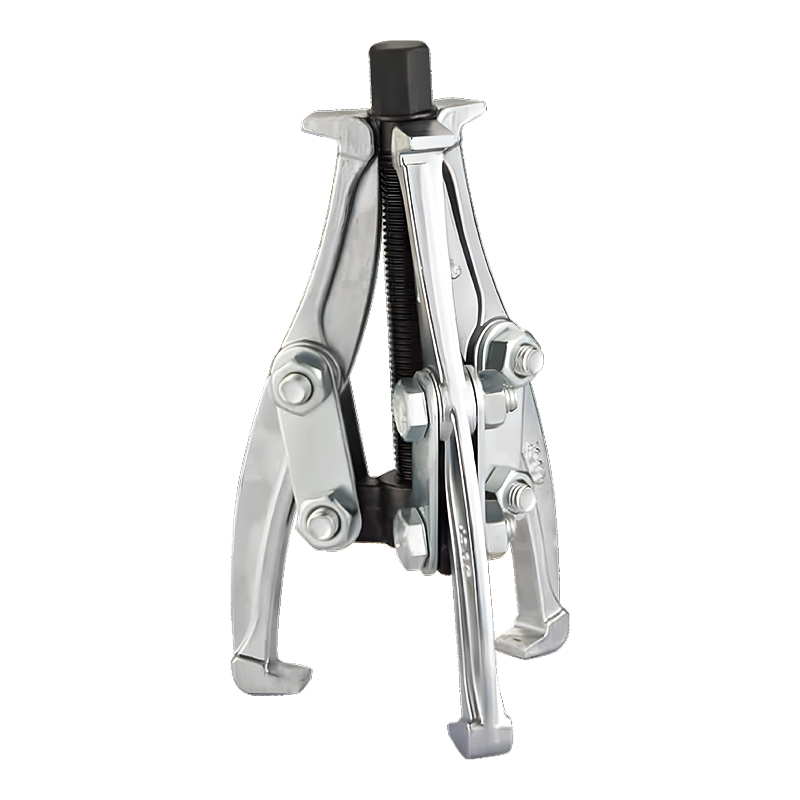
Model: SN0118
-
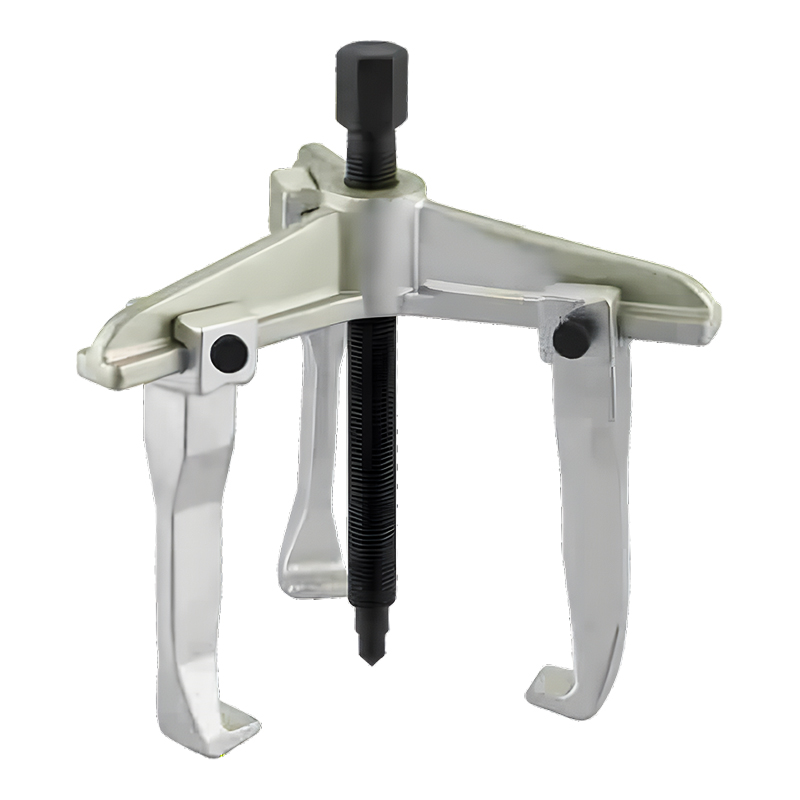
Model: SN0122
-
Model: SN0118-1
Submit feedback
What Is Difference Between Gear Puller And Bearing Puller
2026-05-08
In real mechanical work, parts rarely come apart easily. Gears and bearings are usually pressed or fitted tightly so they stay stable when machines are running. When repair or replacement is needed, forcing them off in a direct way often leads to scratches, bending, or parts getting stuck even tighter.
That is why removal tools are used. They do not rely on impact or rough force. Instead, they guide the part out little by little, keeping the movement controlled. In many workshops and maintenance discussions, Taizhou Xinming Technology Co., Ltd. is sometimes mentioned when people talk about general production ideas behind these kinds of puller tools.
In practical use, these tools are mainly for:
- Helping release tightly fitted components
- Keeping force direction steady during disassembly
- Reducing damage on shafts or inner surfaces
- Making removal more predictable instead of random
The choice of tool usually depends on how the part is fixed and how much space is available around it.
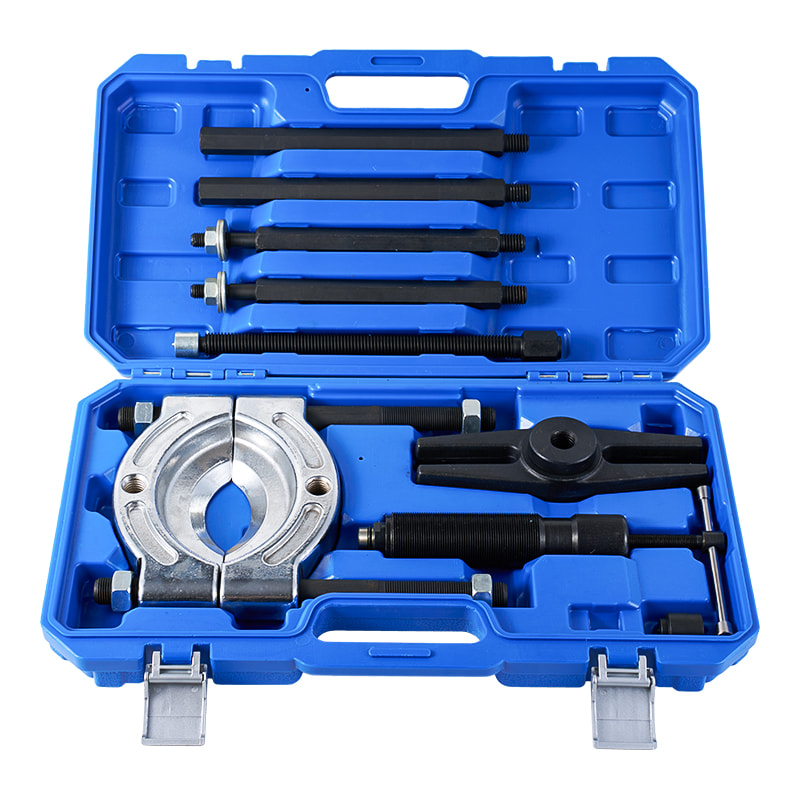
Basic Concept Of Gear Puller In Mechanical Removal
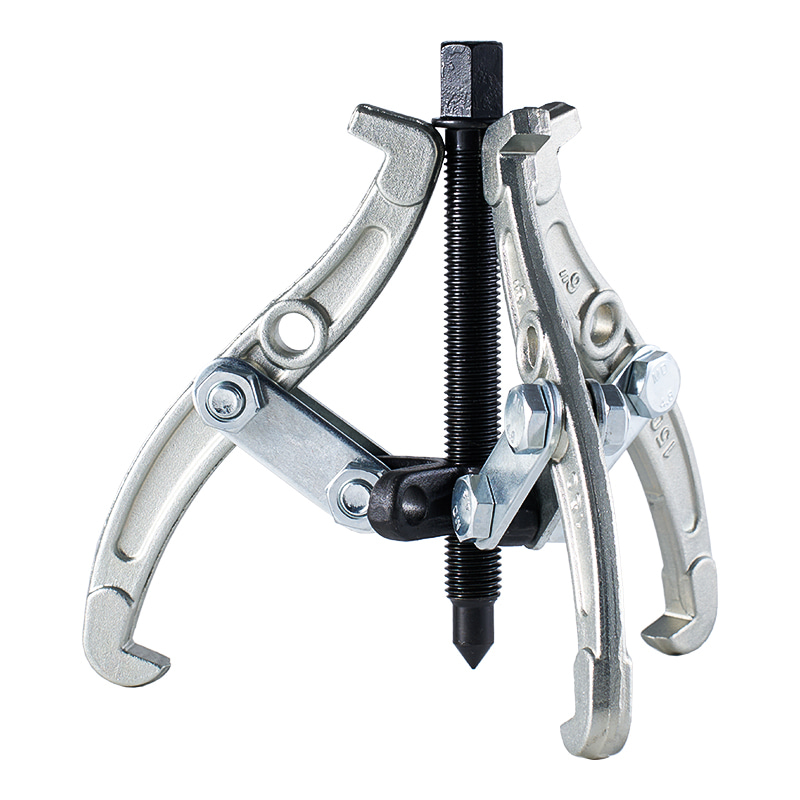
A Gear Puller is used when a part like a gear is fixed tightly onto a shaft and cannot be removed by hand. These parts often sit so firmly that pulling them straight off without support is not realistic.
The tool works by gripping the outer edge of the gear. Once it is fixed in place, a center screw or pulling mechanism slowly applies force along the shaft direction. The gear begins to move outward bit by bit.
There is nothing fast about the process. In fact, rushing it usually makes things worse. A steady increase in force is what allows the part to come off without tilting or getting stuck.
It is commonly used when:
- A gear is tightly mounted on a shaft
- There is enough space to grip the outer edge
- Impact tools are not suitable for the job
- The shaft surface needs to stay in good condition
Because it works from the outside, the shape and accessibility of the part matter a lot.
Basic Concept Of Bearing Puller And Its Supporting Role
A Bearing Puller is used when the part is harder to reach or sits inside a tighter space. Bearings are often pressed into housings or placed close to other components, leaving very little room for wide gripping tools.
Instead of grabbing a large outer edge, this tool connects to smaller contact points. Sometimes it works from inside the bearing, depending on how it is installed. Because of this, alignment becomes more sensitive compared to gear removal.
It is usually used when:
- The bearing is installed inside a housing
- There is limited space for external gripping
- The part needs more precise pulling control
- Nearby components must not be disturbed
Even though both tools pull parts out, the way they "hold" the component is quite different.
Structural Differences Between Gear Puller And Bearing Puller
The design difference between these two tools is quite practical. Each one is shaped around the type of part it deals with.
A Gear Puller usually has wider arms that hook onto the outer edge of a component. This works well when the part is exposed and easy to reach from the outside.
A Bearing Puller is more compact. It often uses narrower contact arms or internal gripping parts so it can work in tighter spaces. Instead of holding a big surface, it focuses on smaller points where force can be applied.
A simple side-by-side look:
| Feature | Gear Puller | Bearing Puller |
|---|---|---|
| Grip style | Outer edge grip | Inner or tight-point contact |
| Working space | Needs open access | Works in narrow spaces |
| Contact area | Wider contact | Smaller contact points |
| Positioning | Centered alignment | Position-sensitive alignment |
| Typical use | Gears and similar parts | Bearings in housings |
These differences are not about quality. They are about matching the tool to the space and shape of the part.
Working Mechanism And Force Application Comparison
Both tools use pulling force, but they handle it in slightly different ways. With a Gear Puller, the force is spread across several arms that hold the part evenly. This helps keep the gear balanced as it moves away from the shaft.
With a Bearing Puller, the force is usually more focused. It acts on smaller points, so correct positioning matters more. If it is slightly off, the part may not come out smoothly.
In real use, a few differences are easy to notice:
- Gear Puller spreads force across multiple contact points
- Bearing Puller concentrates force on limited areas
- Gear Puller depends on outer grip stability
- Bearing Puller depends on accurate alignment
- Both work better when force is increased slowly
Pulling too quickly usually causes resistance or uneven movement, which makes the job harder instead of easier.
Application Scenarios In Mechanical Systems
In actual maintenance work, the choice between the two tools depends on where and how the part is installed.
Gear Puller is usually used when the part is exposed and can be reached from the outside. It works well for gears mounted on shafts where there is enough room to attach the tool.
Bearing Puller is used when the part sits inside a housing or when space is limited. In these cases, a tool that can reach into tighter areas is more practical.
Typical usage patterns include:
- Gear Puller for exposed mounted parts
- Bearing Puller for enclosed or fitted parts
- Gear Puller when outer grip is possible
- Bearing Puller when precision contact is needed
In the end, it is less about the tool itself and more about the working space around the part.
How Tool Choice Changes Real Removal Results
In actual repair work, the difference between a Gear Puller and a Bearing Puller is not something you only notice in theory. It shows up during the job itself.
A Gear Puller usually feels more straightforward to set up when the part is exposed. Once the arms are fixed onto the outer edge, the pulling motion tends to stay stable as long as the alignment is correct. The movement is gradual, and the operator can usually feel when the gear starts to loosen.
A Bearing Puller behaves differently. Because it often works in tighter spaces, the setup takes more attention. If the contact points are even slightly off, the force does not travel smoothly, and the part may resist movement longer than expected.
In practice, this leads to some very real differences:
- Gear Puller feels more predictable when space is open
- Bearing Puller is more sensitive to small alignment errors
- Even pressure makes the process noticeably smoother
- Poor positioning can slow down removal regardless of tool type
The tool itself does not change the difficulty alone. The working space around the part plays a big role too.
Handling Experience During Operation
When you actually use these tools, the handling difference becomes clearer than any description.
With a Gear Puller, the workflow is usually simple: position the arms, lock them in place, and start turning the center screw. If everything is seated correctly, the movement feels steady. You can often see the gear slowly shifting outward without sudden jumps.
A Bearing Puller requires a bit more patience during setup. Since the gripping points are smaller, it is common to adjust the position a few times before applying force. Once pressure starts, the response of the part can feel more direct and less forgiving.
- Some practical differences people notice in use:
- Gear Puller is easier to place when access is open
- Bearing Puller needs more careful fitting before use
- Gear Puller allows smoother visual tracking of movement
- Bearing Puller reacts more sharply to misalignment
Neither tool is complicated on its own, but they "feel" different once pressure is applied.
Typical Problems Encountered In Removal Work
Even with the right tool, removal is not always smooth. The condition of the part often matters more than expected.
One common issue is tight bonding between surfaces. Over time, parts can hold onto each other more firmly than usual, especially when they have been under load for a long period. In these cases, the tool needs to work gradually rather than forcing movement.
Another issue is uneven pulling. If the tool is slightly off-center, one side may move before the other. This can cause the part to tilt, which makes the process slower.
In real working environments, these situations often appear:
- Parts staying firmly in place even after force is applied
- Slight tilting during the first stage of removal
- Limited space restricting tool adjustment
- Resistance increasing instead of decreasing during early pulling
These are not unusual problems, and they are usually solved by adjusting alignment and applying force more slowly.
Basic Care And Daily Use Habits For Puller Tools
Puller tools are simple in structure, but they still depend on proper care to stay reliable. Since they are used to apply force directly, small issues like dirt or wear can affect how smoothly they operate.
After use, it is common to clean the gripping areas so no debris remains. The screw mechanism also needs to stay smooth so that force can be applied evenly next time.
Simple habits that help maintain performance include:
- Wiping contact points after each job
- Keeping threaded parts clean and lightly maintained
- Checking smooth rotation before storage
- Avoiding unnecessary force when the tool is not aligned properly
- Storing in a dry and stable place
These steps are not complicated, but they help keep the tool consistent during repeated use.
How Puller Tool Design Has Gradually Changed
The basic idea behind puller tools has stayed the same for a long time, but small design adjustments have made them easier to handle.
Earlier designs often focused only on strength. Newer versions tend to pay more attention to how force is transferred and how easy it is to set the tool in place. The aim is to reduce awkward adjustments during use.
Some noticeable directions in design changes include:
- More stable gripping structures
- Smoother adjustment mechanisms
- Better balance during force application
- Easier positioning in limited spaces
These are not dramatic changes, but they make a difference in day-to-day work, especially when the same tool is used repeatedly.
In real maintenance work, these two tools often appear together rather than separately. They solve similar problems, but in slightly different conditions.
Gear Puller is usually chosen when the part is open and can be reached from the outside. Bearing Puller is used when space is tighter and more precise contact is needed.
What matters most is not which tool is "better," but whether it matches the situation. A good fit between tool and task usually means less effort and fewer issues during removal.
In everyday mechanical work, both tools support the same goal: helping parts come apart in a controlled way, without forcing or damaging what surrounds them.

-

Fax: +86-576-82686606
-

Tel: +86-576-82686563
+86-576-82686832 -

E-mail: [email protected]
-

Add: Fengjiang Industrial Park, Luqiao Area,Taizhou City, Zhejiang Province, China
Copyright © 2025 Taizhou Xinming Technology Co., Ltd. All Rights Reserved.

Sale Hardware Tools Factory