

 русский
 Español
 عربى
عربى-
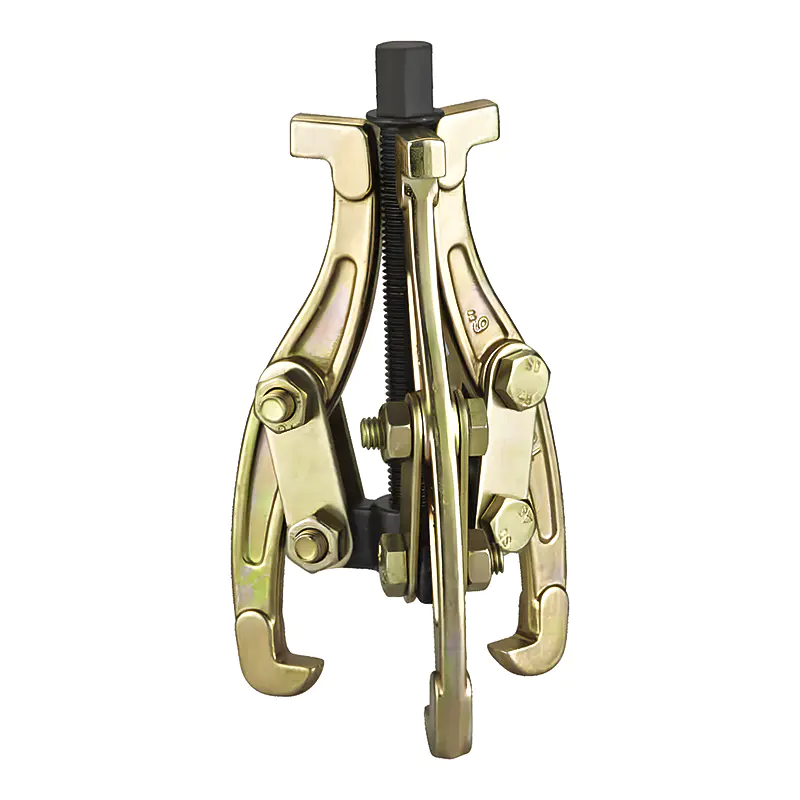
Model: SN0101
-
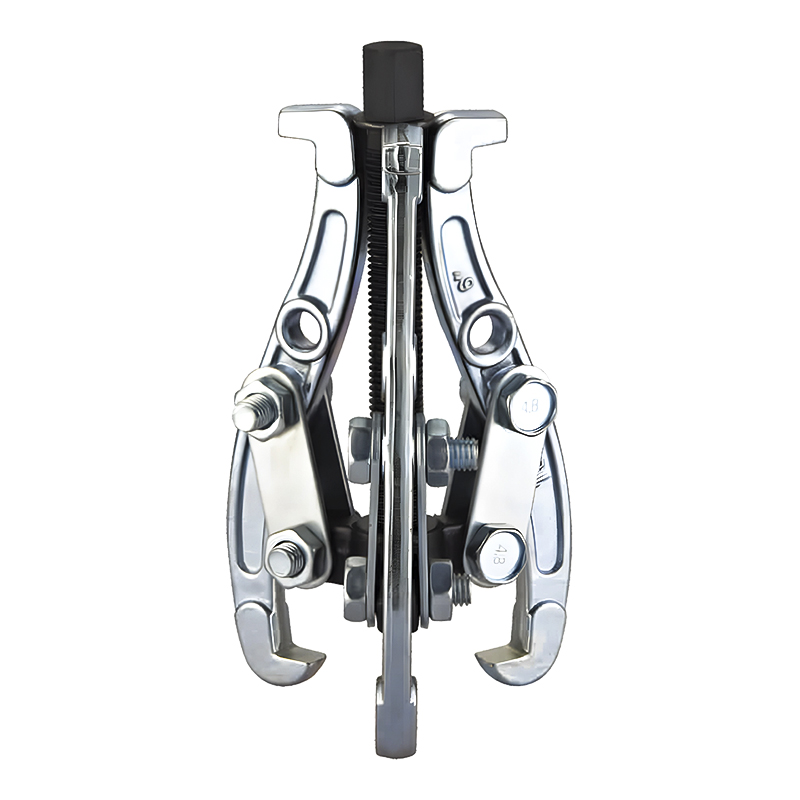
Model: SN0102-1
-
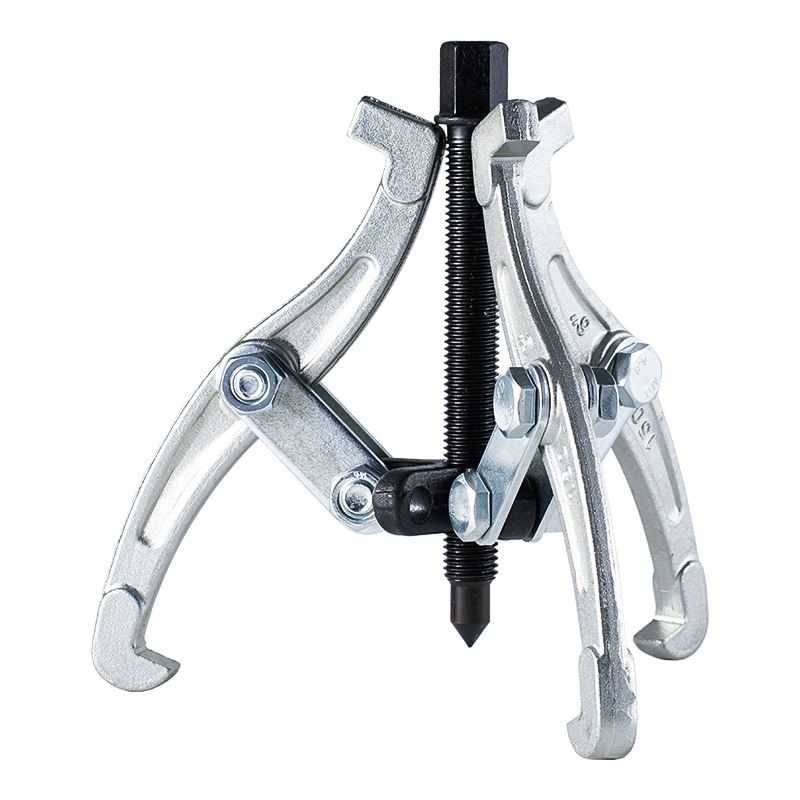
Model: SN0103
-
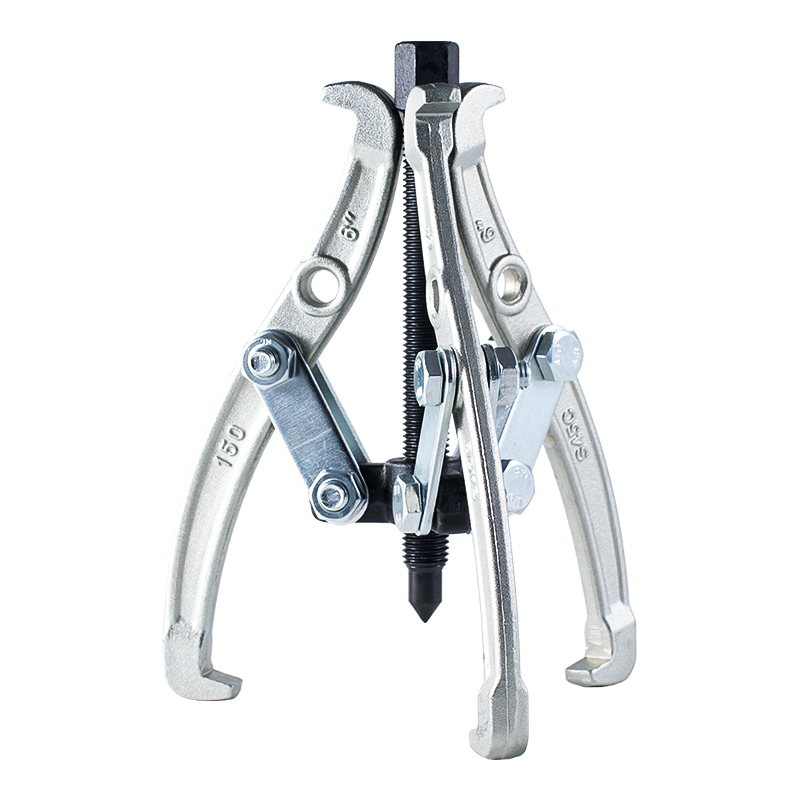
Model: SN0102 SN0107
-
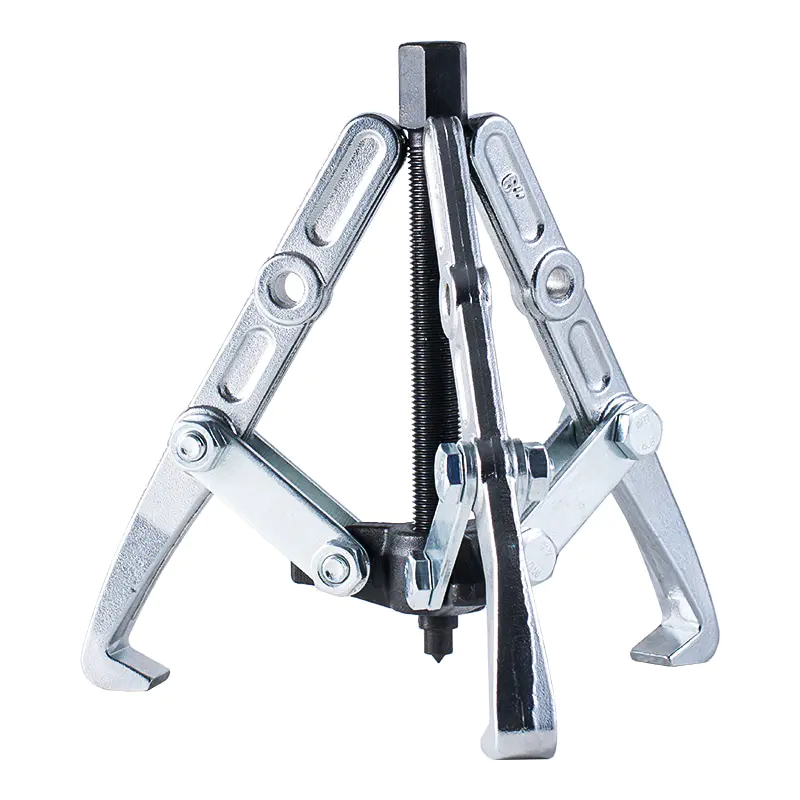
Model: SN0108 SN0109
-
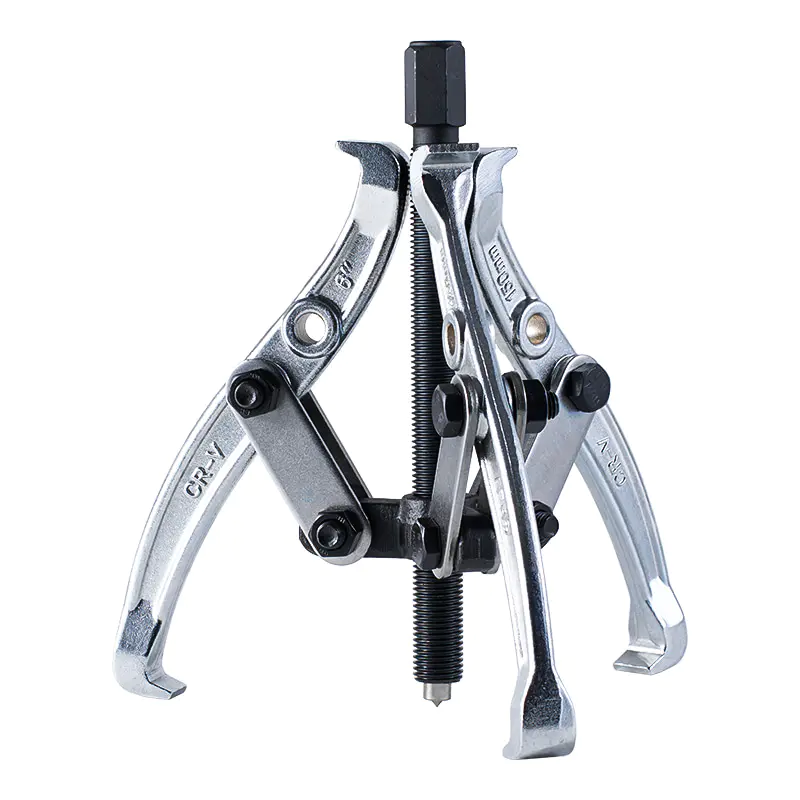
Model: SN0105
-
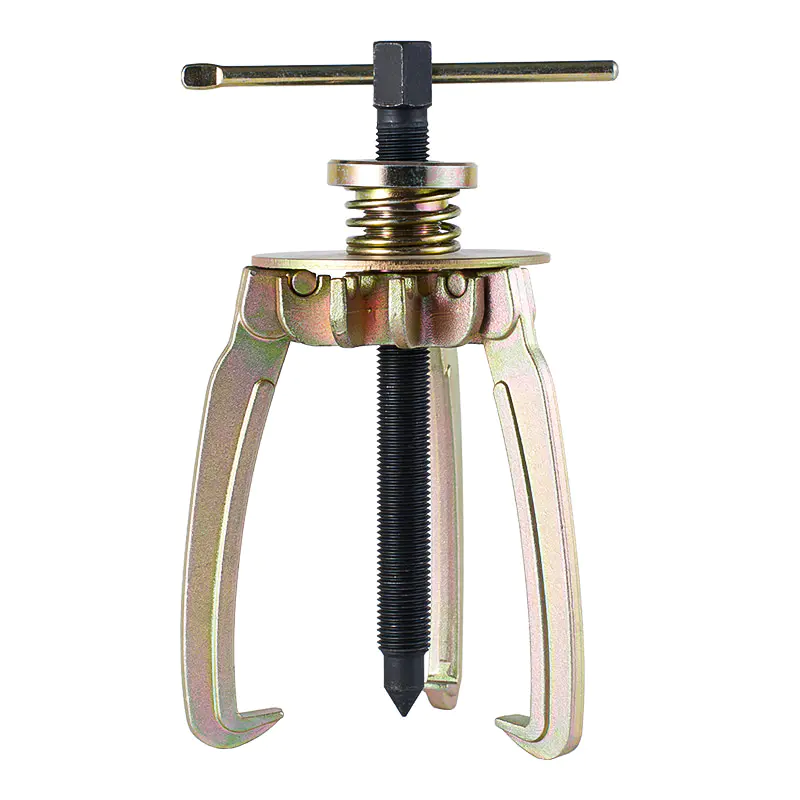
Model: SN0106
-
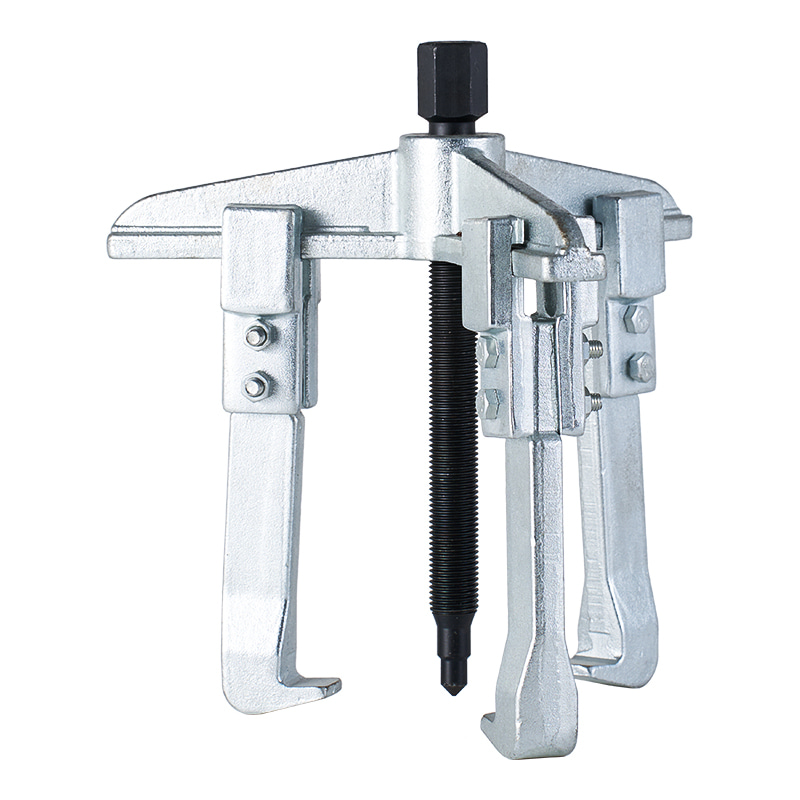
Model: SN0110
-
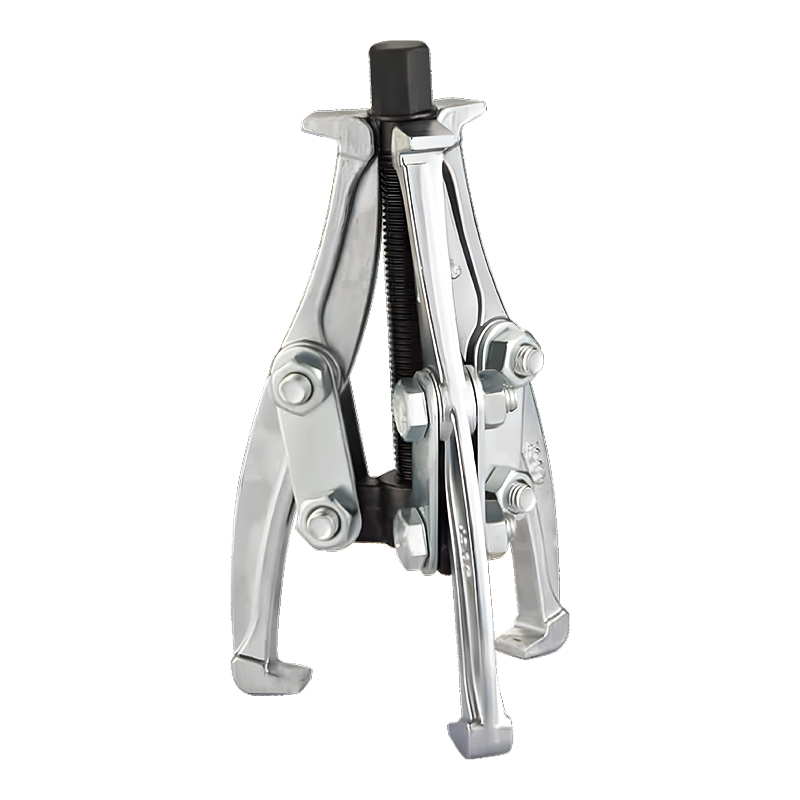
Model: SN0118
-
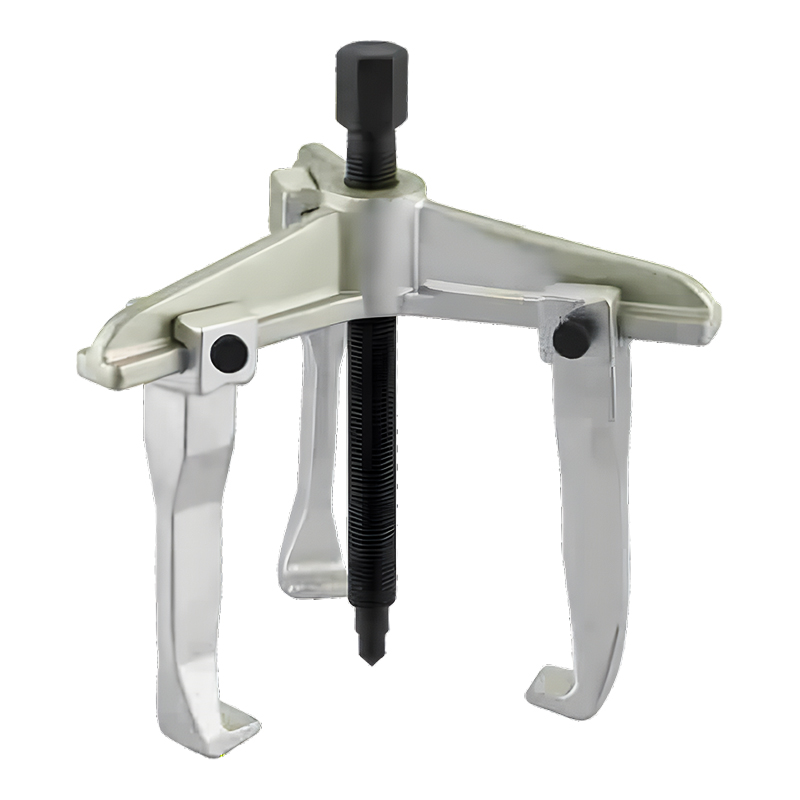
Model: SN0122
-
Model: SN0118-1
Submit feedback
Bearing Puller Factory Production and Manufacturing Overview
2026-05-01
Industry Background and Market Demand
Mechanical maintenance and industrial repair operations rely on specialized tools for component disassembly. A Bearing Puller Factory produces tools designed to remove bearings from shafts, housings, and assemblies without causing damage. As demand for maintenance services increases across automotive, manufacturing, and heavy machinery sectors, a Bearing Puller Factory plays an important role in supplying essential extraction tools.
Product Types and Structural Designs
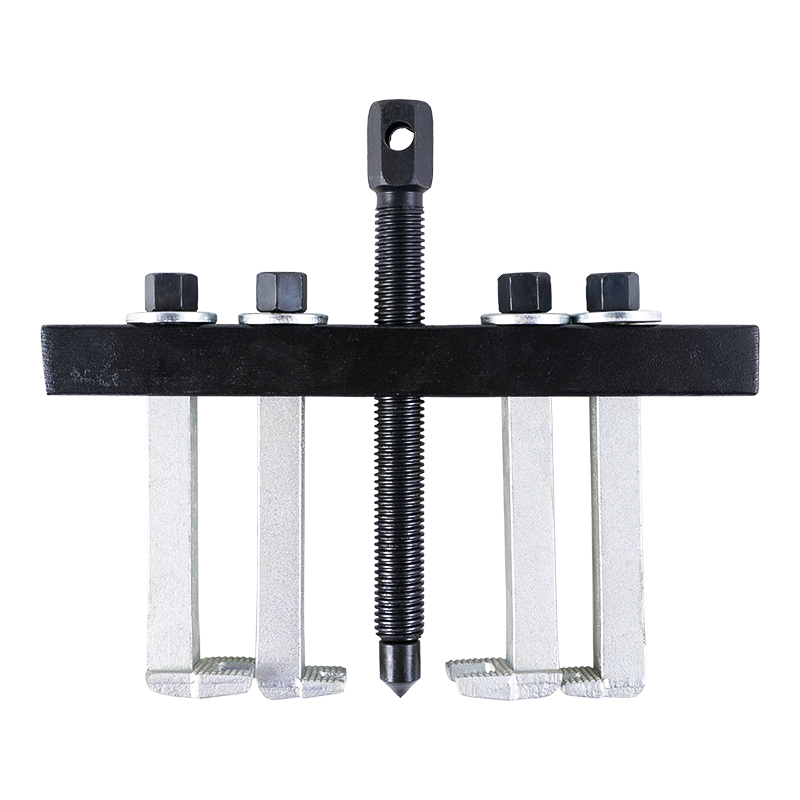
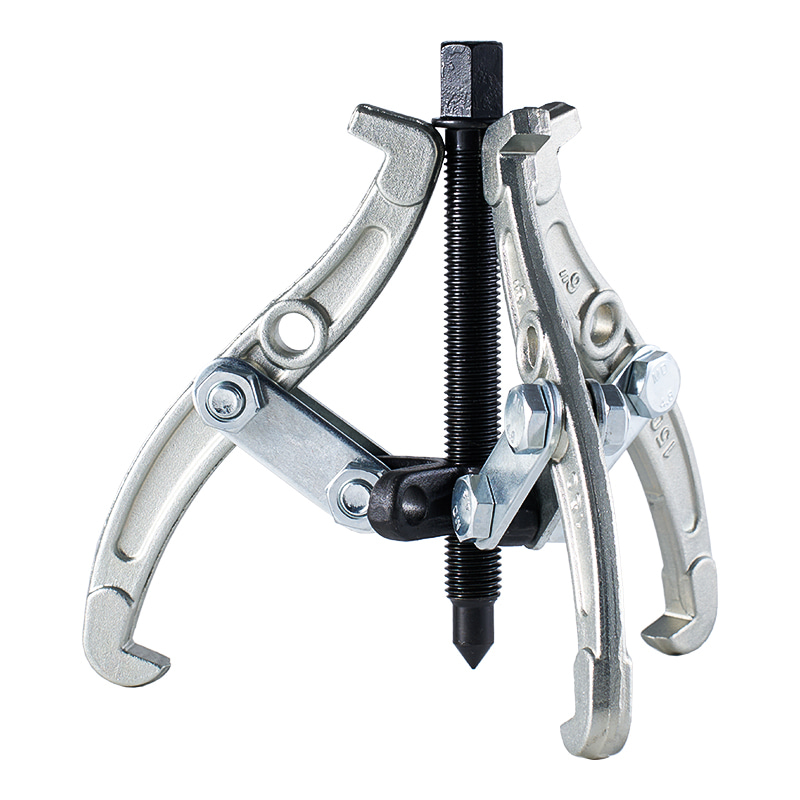
A Bearing Puller Factory typically manufactures a variety of puller types to suit different working conditions. Common designs include two-jaw pullers, three-jaw pullers, internal pullers, and hydraulic pullers. Each design offers different gripping and pulling capabilities. A Bearing Puller Factory focuses on structural versatility to accommodate a wide range of bearing sizes and installation environments.
Material Selection and Strength Performance
Material selection is critical for ensuring durability and reliability. A Bearing Puller Factory often uses forged alloy steel or high-carbon steel for key components such as arms, central screws, and hooks. These materials provide resistance to deformation under high stress. A Bearing Puller Factory ensures components maintain strength during repeated use in demanding applications.
Manufacturing Process and Workflow
Production involves multiple controlled stages that require precision. A Bearing Puller Factory typically manages processes such as raw material preparation, forging or machining, heat treatment, surface finishing, assembly, and inspection. Each stage contributes to the overall quality and consistency of the tool. A Bearing Puller Factory applies structured workflows to maintain stable output.
Typical workflow includes:
- Steel cutting and forming
- Forging or shaping of puller arms
- Thread machining for central screws
- Heat treatment to enhance hardness
- Surface coating or finishing
- Assembly and functional testing
- Functional Features and Tool Operation
Tools produced by a Bearing Puller Factory are designed to grip and extract bearings through controlled force application. Adjustable arms allow the tool to adapt to different sizes and positions. A Bearing Puller Factory ensures that threading mechanisms operate smoothly, allowing gradual and controlled pulling without sudden force application.
Customization and OEM ODM Services
Customization is often required to meet different industrial requirements. A Bearing Puller Factory may provide OEM and ODM services, allowing clients to specify size range, jaw configuration, material thickness, surface treatment, branding, and packaging. This flexibility supports product differentiation. A Bearing Puller Factory enables tailored solutions for distributors and tool suppliers.
Application Scenarios and User Groups
Products from a Bearing Puller Factory are widely used in automotive repair shops, machinery maintenance facilities, and industrial workshops. These tools are essential for removing bearings during equipment servicing and repair. A Bearing Puller Factory designs products suitable for professional technicians and maintenance personnel.
Quality Control and Inspection Procedures
Quality control is implemented throughout production stages. A Bearing Puller Factory conducts inspections on material hardness, dimensional accuracy, threading precision, and assembly alignment. Load testing may be performed to evaluate pulling capacity and performance. A Bearing Puller Factory follows standardized inspection procedures to maintain consistent product output.
Packaging and Distribution Channels
Packaging is designed to protect tools during transportation and storage. A Bearing Puller Factory typically includes protective cases, labeling, and user instructions with each product. Distribution channels include industrial suppliers, wholesale distributors, and online marketplaces. A Bearing Puller Factory coordinates logistics to support efficient delivery across different regions.
Industry Development and Product Improvement
The industrial tool sector continues to evolve with improvements in materials and manufacturing techniques. A Bearing Puller Factory adapts by refining production processes, enhancing structural designs, and expanding product variations. Increasing demand for reliable and durable tools encourages a Bearing Puller Factory to continuously improve its offerings and maintain alignment with market needs.
For more information on Bearing Puller Factory, visit our product page and learn how this innovative technology can support your industrial tool sourcing and equipment maintenance requirements.

-

Fax: +86-576-82686606
-

Tel: +86-576-82686563
+86-576-82686832 -

E-mail: [email protected]
-

Add: Fengjiang Industrial Park, Luqiao Area,Taizhou City, Zhejiang Province, China
Copyright © 2025 Taizhou Xinming Technology Co., Ltd. All Rights Reserved.

Sale Hardware Tools Factory