

 русский
 Español
 عربى
عربى-
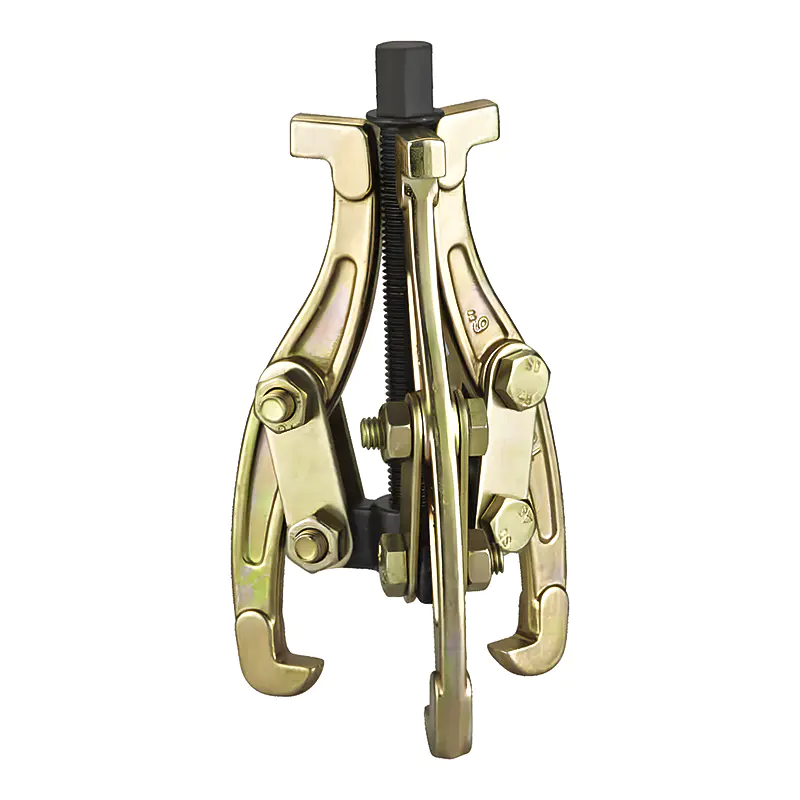
Model: SN0101
-
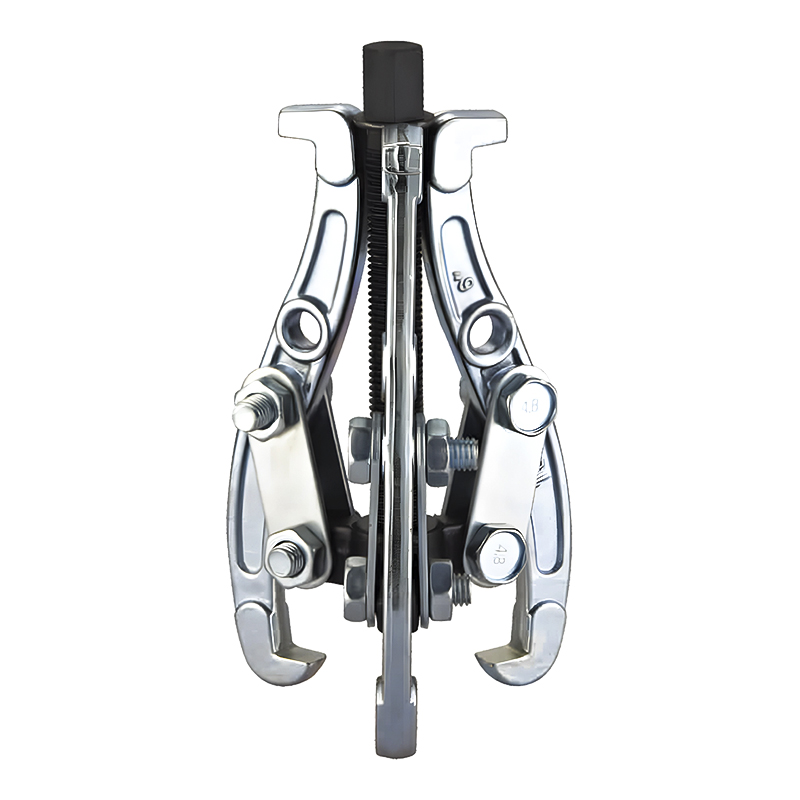
Model: SN0102-1
-
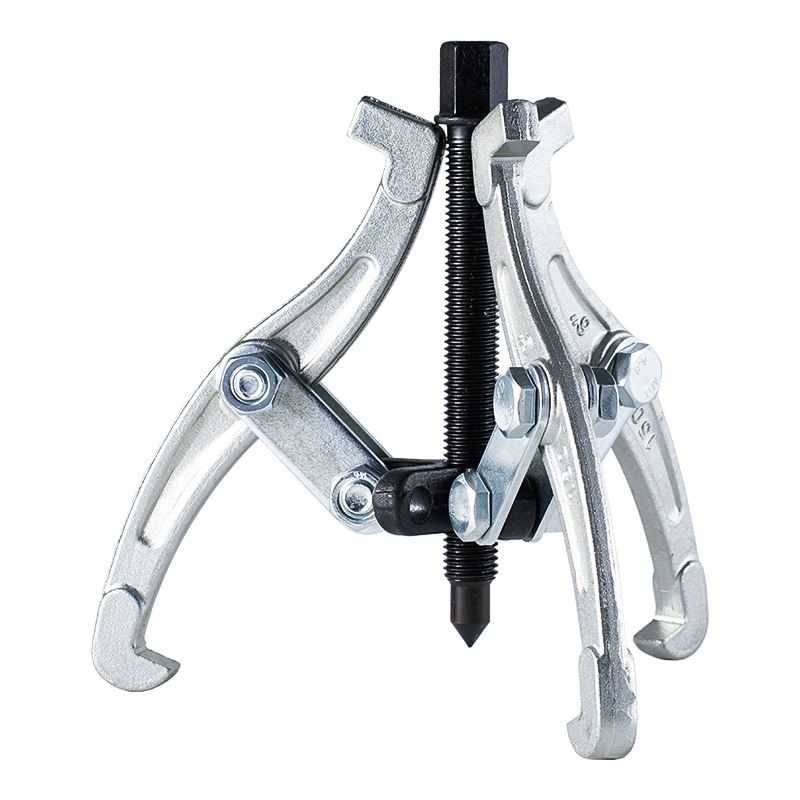
Model: SN0103
-
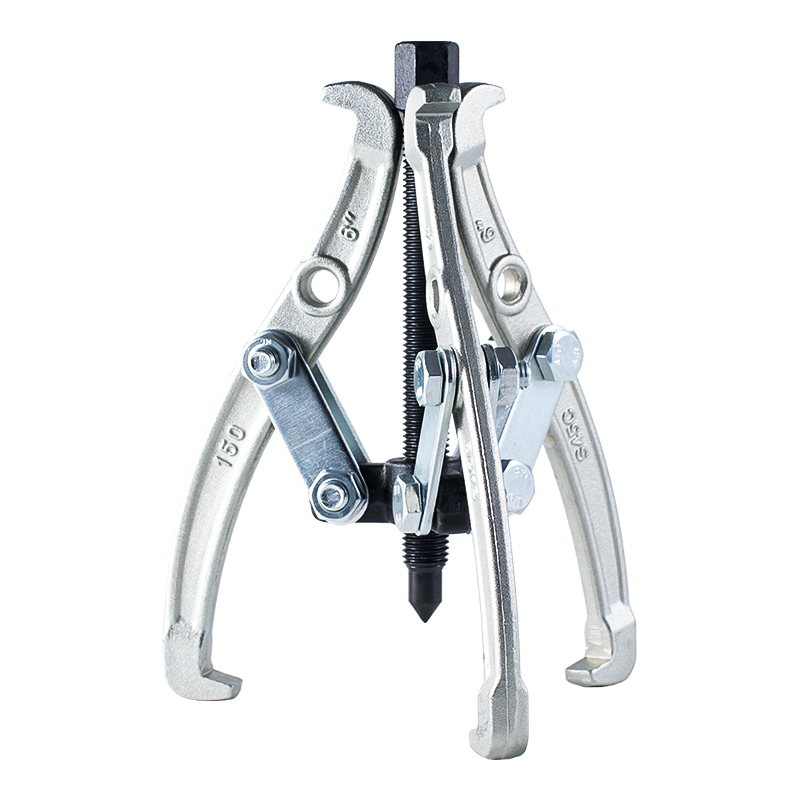
Model: SN0102 SN0107
-
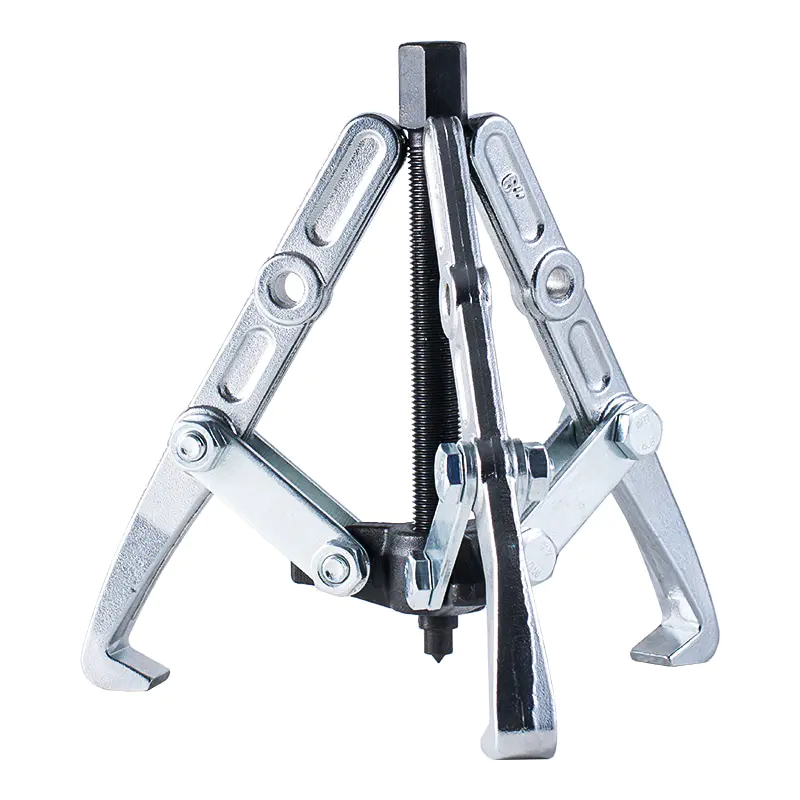
Model: SN0108 SN0109
-
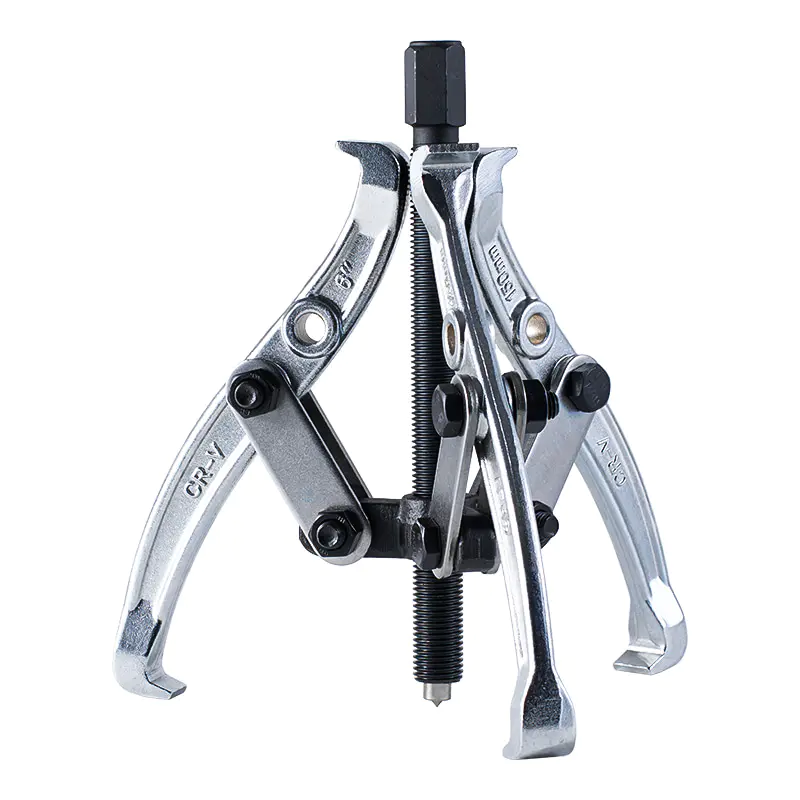
Model: SN0105
-
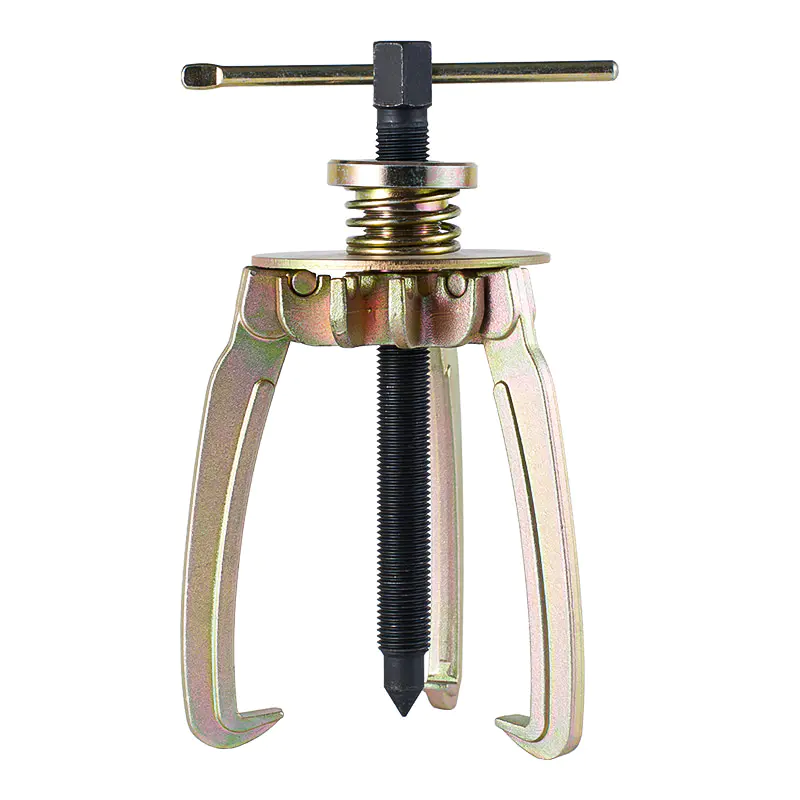
Model: SN0106
-
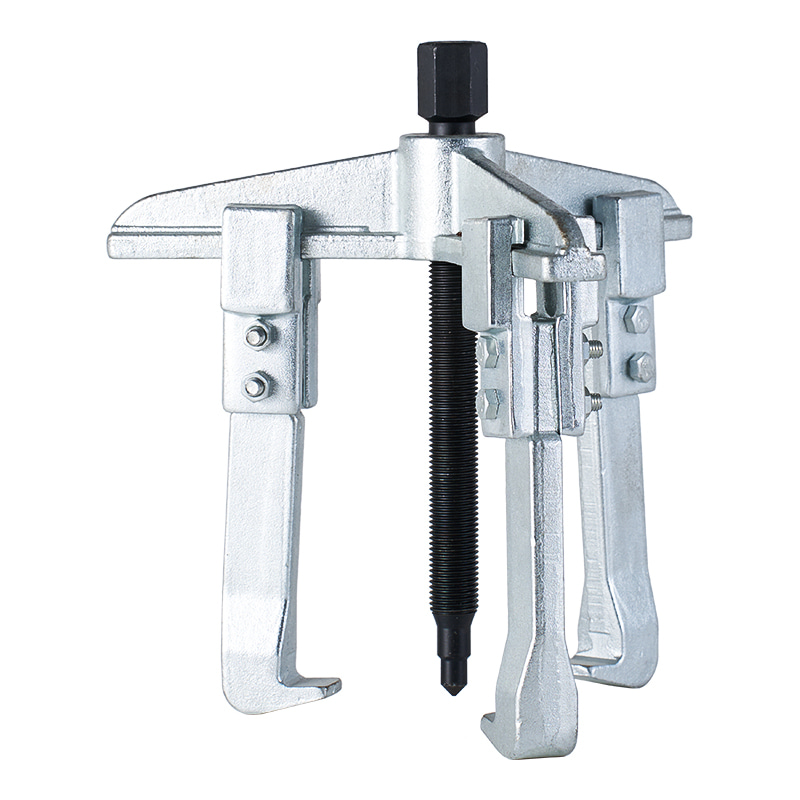
Model: SN0110
-
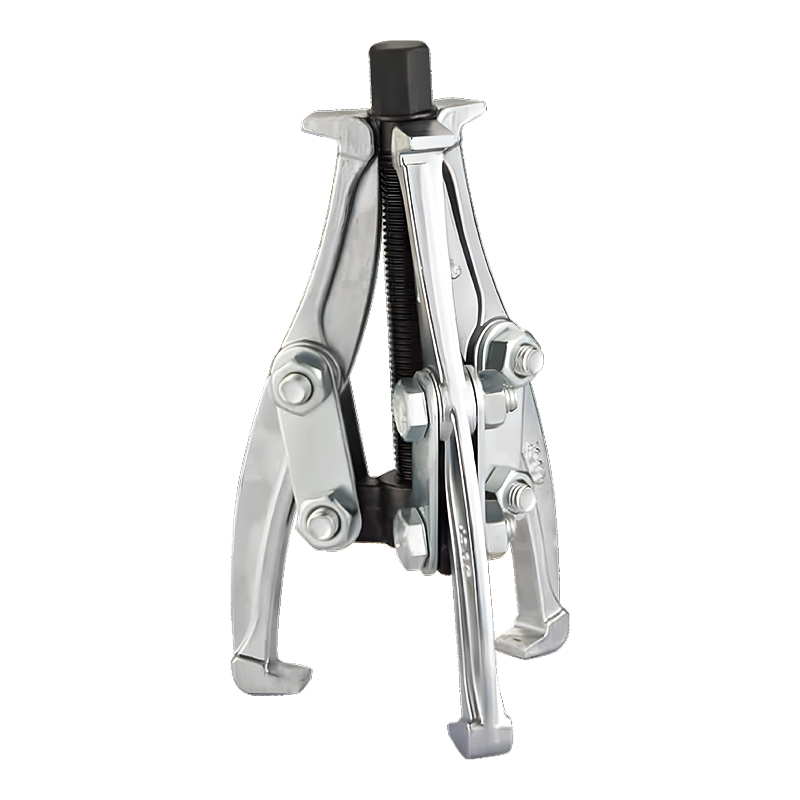
Model: SN0118
-
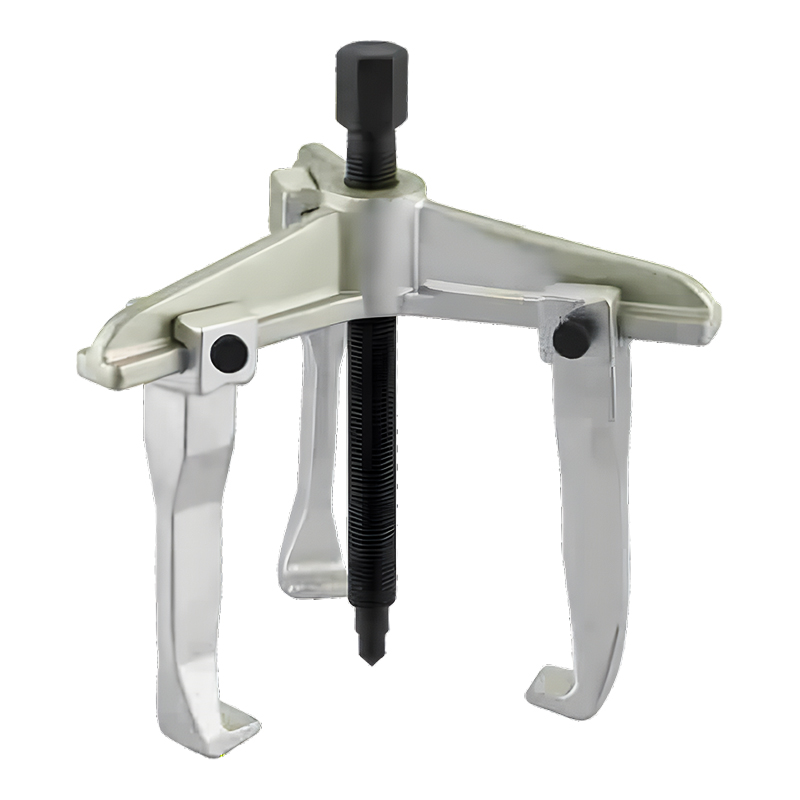
Model: SN0122
-
Model: SN0118-1
Submit feedback
What Is 2 Jaw Puller Set Commonly Used For In Mechanical Repair Work
2026-05-15
Why Bearing Removal in Small and Medium Machines Often Needs a Pulling Tool
In many repair jobs, bearing removal is one of those tasks that looks simple but becomes difficult once you actually start working on it. Bearings are usually fitted tightly onto shafts or inside housings. After running for a long time, the contact between metal surfaces becomes stronger, and the part does not slide off easily anymore.
In small and medium machines, this situation is even more common because the internal space is limited. There is not much room to swing tools or apply direct force in a controlled way. If force is applied in a rough way, nearby parts can also be affected.
This is where a 2 Jaw Puller Set is often used in real workshop work. Instead of pushing or tapping the part out, it applies a slow pulling force that keeps the movement controlled.
Typical situations during bearing removal include:
- Bearing rotates but refuses to slide outward
- Inner ring feels tightly locked on the shaft
- Surface contact becomes stronger after long use
- Limited space around the housing area
- Need to avoid bending or marking nearby parts
In practice, pulling gives more control than impact-based removal.
How 2 Jaw Puller Set Works During Bearing Removal
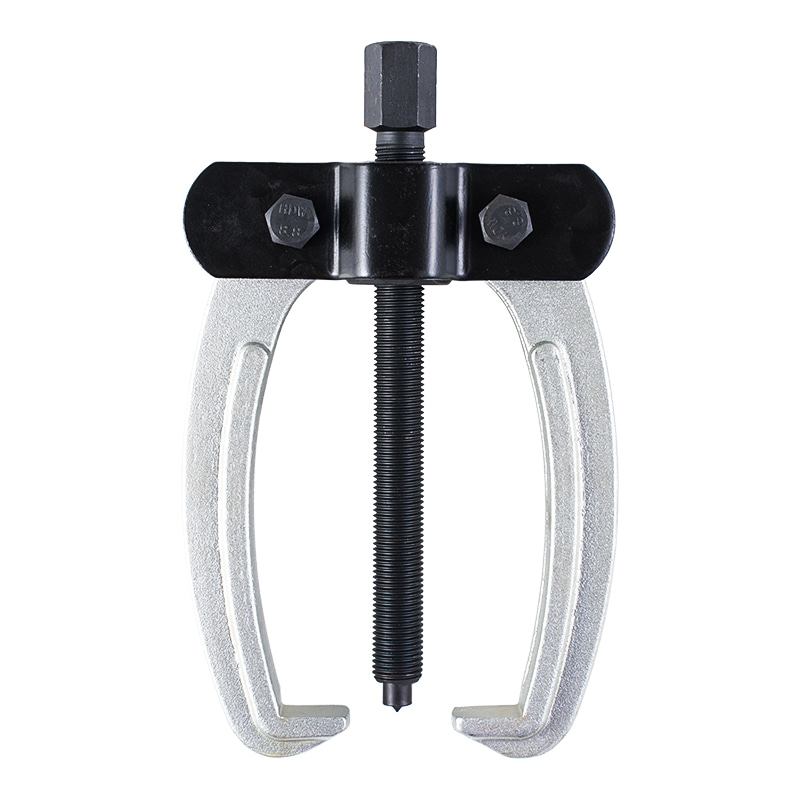
A 2 Jaw Puller Set uses a simple structure, but the way it works depends on balance and alignment. Two jaws are placed on opposite sides of the bearing, and a center screw is used to apply pulling force.
The important part is how evenly the jaws hold the component. If one side grips harder than the other, the bearing can tilt during removal, and the resistance becomes uneven.
In real use, the process usually follows a steady pattern:
- Jaws are adjusted to match the bearing size
- Contact is placed carefully on the edge
- Center screw is turned slowly
- Tension builds gradually across both sides
- Bearing starts to move after resistance reduces
At the beginning, there is usually no visible movement. The system is only building force. After a while, a small shift can be felt, and once that happens, the rest of the movement becomes easier to control.
This slow change is what makes the tool suitable for tight-fit parts.
Gear Disassembly in Mechanical Assemblies and Why Pulling Force Is Used
Gear removal is another common task in mechanical repair work. Gears are often pressed tightly onto shafts so that they do not slip during operation. After long use, the fit can become even tighter due to pressure and surface contact.
Trying to remove a gear without controlled force can lead to surface marks or uneven stress on the teeth. That is why pulling tools are often used instead of impact methods.
A 2 Jaw Puller Set helps by applying force from two sides evenly. This reduces uneven stress during removal and keeps the gear movement more stable.
In real workshop situations, common challenges include:
- Tight fit between gear and shaft surface
- Limited working space around the assembly
- Resistance caused by long-term contact
- Sensitivity of gear edges
- Risk of tilting during removal
Before starting, alignment is usually checked carefully because small positioning errors can change how the gear reacts during pulling.
What Happens During Gear Removal Using a 2 Jaw Puller Set
When removing a gear, the tool is placed so that both jaws sit evenly on the gear body. After that, the center screw is turned slowly to start applying force.
At this stage, the gear does not move immediately. The force is building inside the contact area between gear and shaft. This tension continues until the surface bond begins to weaken.
During actual operation, the process is usually observed in steps:
- Jaws are fixed around the gear
- Screw is tightened gradually
- Internal tension begins to build
- Small movement appears after resistance changes
- Gear slowly separates from the shaft
| Stage | What Happens Inside | What Is Usually Observed |
|---|---|---|
| Setup | Jaws placed on gear | Stable positioning needed |
| Tension build | Screw tightened slowly | No movement yet |
| Initial shift | Bond starts loosening | Small movement appears |
| Removal | Gear moves outward | Resistance becomes lighter |
The key point in this process is gradual force control instead of sudden pulling.
Pulley Removal in Rotating Systems and Space Limits
Pulley removal is another area where a 2 Jaw Puller Set is commonly applied. In rotating systems, pulleys are usually installed tightly on shafts and often sit close to other parts like belts or brackets.
One of the main challenges here is space. There is often not enough room to position tools freely. This makes compact tool design important in real maintenance work.
In practical situations, operators often face:
- Narrow access around pulley edges
- Limited space for tool movement
- Tight connection between pulley and shaft
- Surrounding parts restricting tool angle
- Need to avoid surface damage during removal
Because of these conditions, controlled pulling is often preferred over forceful removal methods.
Pulley Removal in Rotating Systems and Real Workshop Limitations
In rotating systems, pulley removal often looks straightforward on the surface, but in actual repair work, the situation is more restricted. The pulley is usually fitted tightly onto a shaft, and in many cases it sits very close to surrounding parts. This leaves only a small working area for tool positioning.
A 2 Jaw Puller Set is often chosen because it can fit into tighter spaces compared to bulkier pulling tools. The two jaws can be adjusted to grip the outer edge of the pulley, while the center screw applies steady pulling force.
During real use, the process tends to follow a gradual pattern:
- Jaws are positioned around pulley edge
- Contact is checked to ensure even grip
- Screw is tightened slowly to build tension
- Pulley remains stable at early stage of force
- Movement starts once internal grip weakens
Automotive Repair and Maintenance Use Cases in Daily Work
In automotive repair environments, a 2 Jaw Puller Set is used in several common tasks. Many components in vehicles are fitted tightly due to vibration resistance requirements, and after long use, these parts often become difficult to remove without controlled force.
Some typical automotive applications include:
- Removing pulleys from engine-related assemblies
- Extracting bearings from rotating components
- Disassembling small gears in mechanical sections
- Releasing tightly fitted bushings or sleeves
- Maintenance work in confined engine spaces
One of the main reasons this tool is used in automotive work is space limitation. Engine compartments and surrounding assemblies often leave very little room for larger tools. A compact two-jaw design can be positioned more easily in these areas.
Another point is surface sensitivity. Many automotive parts are reused, so damage during removal needs to be avoided as much as possible. Controlled pulling helps reduce surface marking compared to impact-based methods.
How Mechanics Use 2 Jaw Puller Set in Real Automotive Situations
In real workshop practice, using a 2 Jaw Puller Set is not only about placing the tool and tightening it. The process usually involves small adjustments based on how the part responds.
Before applying force, mechanics often check:
- Whether both jaws are seated evenly
- If the center screw is aligned with shaft direction
- Whether surrounding parts limit movement
- If the component shows signs of rust or tight bonding
Once pulling begins, attention shifts to how the part reacts. In some cases, resistance reduces slowly and steadily. In other cases, the part may hold firmly until a sudden slight shift appears.
Typical observations during use include:
- Gradual tightening feel on the screw
- Small changes in resistance over time
- Slight noise from metal contact under tension
- Smooth release after bonding loosens
In confined engine spaces, small movements matter a lot, because there is usually no room for sudden shifts or tool repositioning during the process.
General Workshop Maintenance Applications Across Equipment Types
Outside automotive work, a 2 Jaw Puller Set is also used in general workshop maintenance. Many machines in industrial and repair environments contain press-fit parts that are not designed for easy removal after long use.
Common workshop applications include:
- Electric motor maintenance tasks
- Removal of small rotating components
- Disassembly of compact mechanical units
- Maintenance of shaft-mounted parts
- Repair work on workshop machinery assemblies
In these situations, the tool helps control force direction so that parts separate without bending or damaging the shaft surface. Because many workshop components are reused, controlled removal becomes an important part of maintenance practice.
Safety Considerations During Pulling Operations
Even though a 2 Jaw Puller Set is a manual tool, the force stored during operation can become significant depending on how tight the part is. That is why careful handling is important during use.
In practical work, attention is often given to:
- Keeping jaws stable before increasing force
- Ensuring tool does not slip under tension
- Avoiding sudden release of stored pressure
- Maintaining steady turning of the center screw
- Checking alignment during the entire process
One common situation in workshops is sudden release after a long period of resistance. When this happens, the part may move quickly. Operators usually keep hands and tools positioned safely to avoid unexpected contact.
Controlled movement is the key idea during safe operation. Slow adjustment gives more time to react as resistance changes.
How Maintenance of the Tool Affects Long-Term Use
Like many hand tools used in mechanical repair, a 2 Jaw Puller Set also needs basic maintenance to keep its performance stable over time. Since it is often exposed to pressure, dust, and metal contact, small care routines can make a noticeable difference in daily use.
Common maintenance practices include:
- Cleaning threaded screw after each use
- Removing dust or metal particles from jaw surfaces
- Applying light lubrication to moving screw sections
- Checking jaw edges for wear or deformation
- Storing in a dry place to reduce surface rust
If the screw becomes dry or stiff, the pulling motion may feel uneven. If jaw edges wear down, grip stability can reduce during operation. These are small changes, but they affect how smoothly the tool performs during real work.
How 2 Jaw Puller Set Handles Pulley Removal In Real Use
Pulley removal in real workshop conditions is usually less about strength and more about control and space handling. In rotating systems, pulleys are often fitted tightly onto shafts, and they sit very close to surrounding parts. This leaves very little room to position tools freely.
When a 2 Jaw Puller Set is used, the jaws are placed on the pulley rim or edge. This step looks simple, but alignment decides a lot about how the force will behave later. If both sides are not sitting evenly, the pulley can start to tilt once tension begins.
After positioning, the center screw is turned slowly. At this stage, nothing seems to move. The tool is only building tension between the pulley and the shaft connection. After a short period, the material begins to react to steady pressure.
In actual use, the pulley often behaves in a gradual way. It holds still at the beginning, then shows a slight shift when the bond starts to weaken. If the alignment is stable, the separation continues in a smooth direction instead of sudden release.
One detail that matters in pulley removal is surface condition. Many pulleys already have marks from long use, so uncontrolled force can leave additional traces. A steady pulling motion helps reduce that kind of surface change during removal.
Automotive Repair And Maintenance Use Cases In Daily Workshop Work
In automotive environments, pulling tools appear in many repair routines. Vehicles contain multiple tightly fitted parts, especially around engine-related systems and rotating assemblies. These parts are often installed in compact spaces where direct access is limited.
A 2 Jaw Puller Set is commonly used when removing pulleys connected to engine systems, extracting bearings from compact housings, or separating gears that are tightly fitted onto shafts. These tasks appear repeatedly during maintenance work because components are exposed to heat, vibration, and pressure during operation.
Another common situation in automotive work is limited space. Many parts are surrounded by other structures, which makes it difficult to use larger tools or apply direct force. In these conditions, a compact pulling tool becomes more practical because it can be adjusted within narrow gaps.
Rust or long-term fitting also plays a role. Over time, metal contact surfaces can become tighter due to heat cycles and environmental exposure. This makes removal more resistant than expected, even when the part seems simple in shape.
How Mechanics Use 2 Jaw Puller Set In Automotive Work
In real workshop practice, mechanics do not treat the tool as a fixed-step device. Its use depends on the condition of the part and the space available around it.
The adjustment usually involves setting the jaw opening. This is matched to the size of the part so that both gripping points can sit evenly. If the jaws are not balanced, the pulling force may not travel straight, which can affect stability during removal.
During actual use, several working conditions often appear together:
- Restricted access inside engine areas
- Parts exposed to long-term tightening
- Surfaces affected by rust or pressure marks
- Need for steady force instead of sudden movement
- Sensitivity of nearby components
In many cases, the turning of the center screw is done slowly and with control. The aim is not to force immediate movement, but to build steady tension until the connection between surfaces begins to loosen.
This gradual approach helps reduce sudden stress on both the tool and the part being removed.
General Workshop Maintenance Applications Across Different Equipment
Outside automotive repair, a 2 Jaw Puller Set is also used in general workshop environments where machines contain pressed-fit or rotating components. These parts are designed to stay firmly in place during operation, so removal requires controlled pulling rather than impact.
In electrical motor maintenance, for example, bearings and small rotating parts are often tightly fitted. The space inside these units is usually limited, which makes compact tools more practical for controlled disassembly.
Rotating mechanical units in general equipment also use similar fitting methods. When these parts need servicing, removal must be done in a way that avoids surface damage or misalignment. Pulling tools help manage this by applying force gradually rather than suddenly.
Another common use is in routine maintenance work where parts are removed and reinstalled multiple times. Over time, fitting tightness can increase due to repeated operation, making controlled extraction more important.
Because workshop environments vary, the same tool can be used across different machines without structural changes. Only the positioning and adjustment vary depending on the part being handled.
What Makes 2 Jaw Puller Set Suitable For General Mechanical Work
The practical value of a 2 Jaw Puller Set comes from its simple structure and flexible use across different repair situations. It does not rely on complex mechanisms, but on controlled force applied through a stable design.
One key advantage is adaptability. The jaw structure can be adjusted to fit different component sizes, which allows the tool to be used across various repair tasks without major changes.
Another point is space handling. Many mechanical systems do not leave much room for tool movement. A compact pulling tool can still be positioned in these areas, which makes it suitable for tight working conditions.
The way force is applied is also important. Instead of sudden impact, the tool works through gradual tension. This helps reduce uncontrolled movement during part removal and gives more predictable behavior during extraction.
In daily workshop routines, consistency is often valued more than complexity. A tool that can be used repeatedly in different situations without complicated setup becomes part of regular maintenance practice.
Over time, it is this steady and controlled behavior that makes the tool commonly seen in mechanical repair work across different environments.

-

Fax: +86-576-82686606
-

Tel: +86-576-82686563
+86-576-82686832 -

E-mail: [email protected]
-

Add: Fengjiang Industrial Park, Luqiao Area,Taizhou City, Zhejiang Province, China
Copyright © 2025 Taizhou Xinming Technology Co., Ltd. All Rights Reserved.

Sale Hardware Tools Factory