

 русский
 Español
 عربى
-
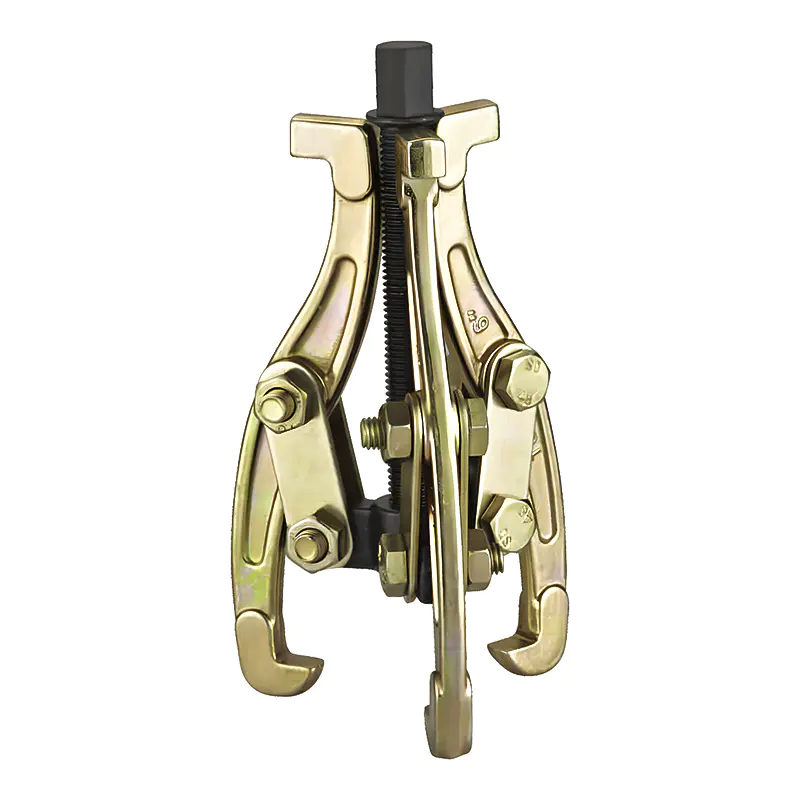
Model: SN0101
-
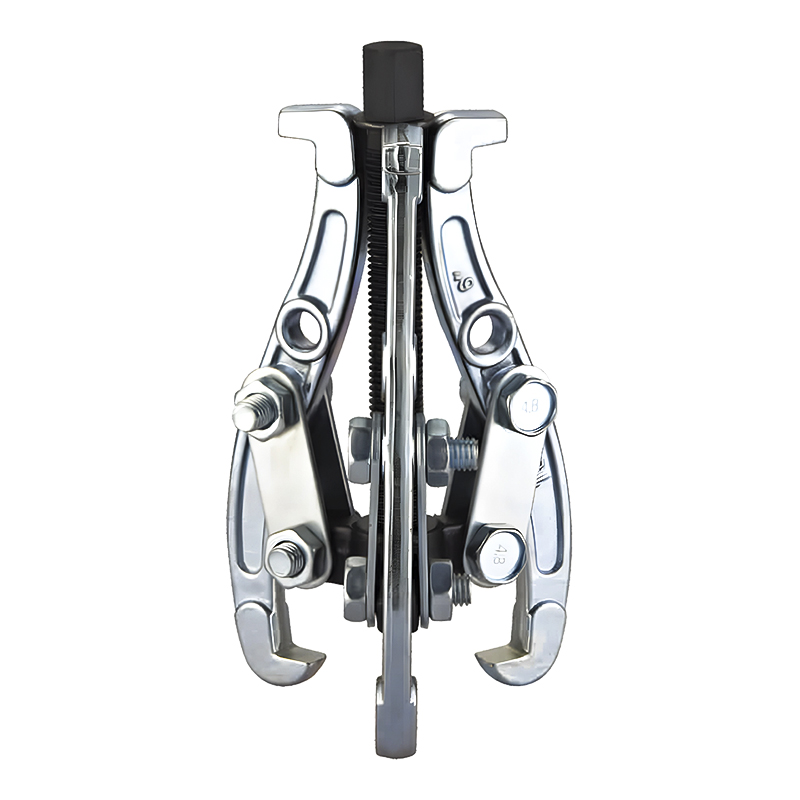
Model: SN0102-1
-
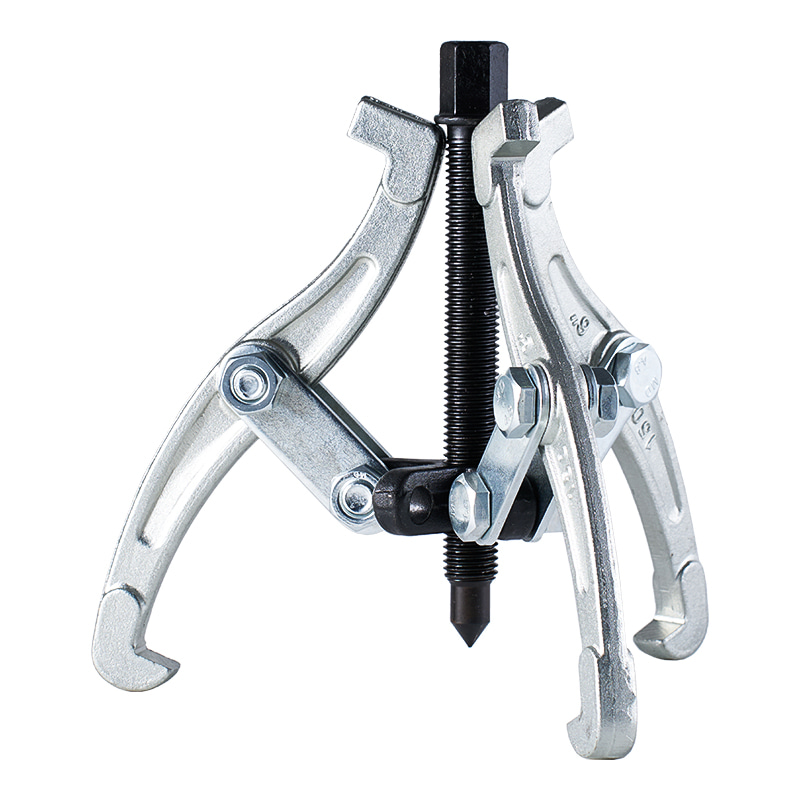
Model: SN0103
-
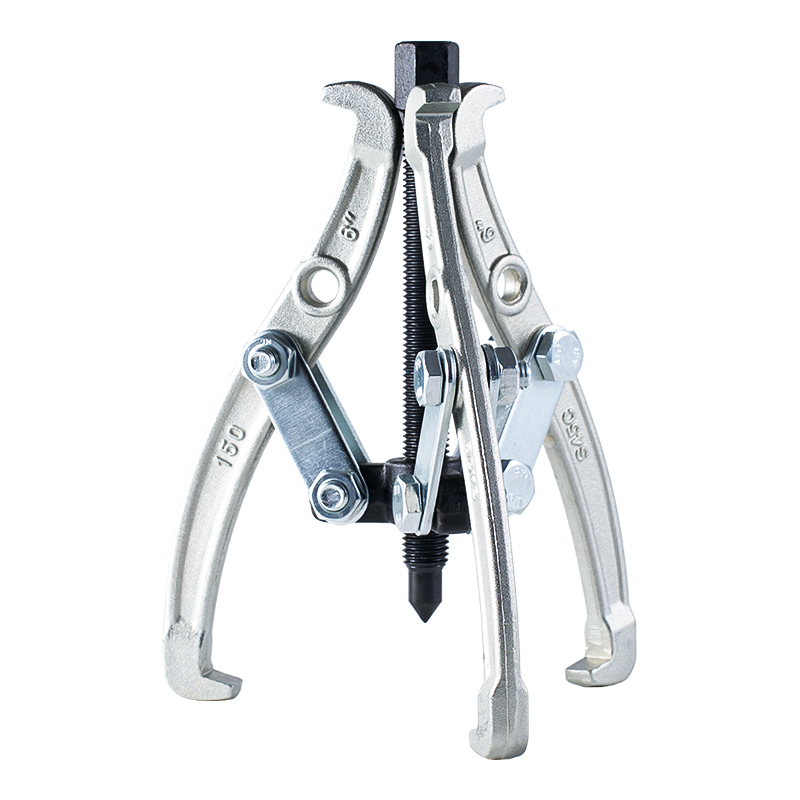
Model: SN0102 SN0107
-
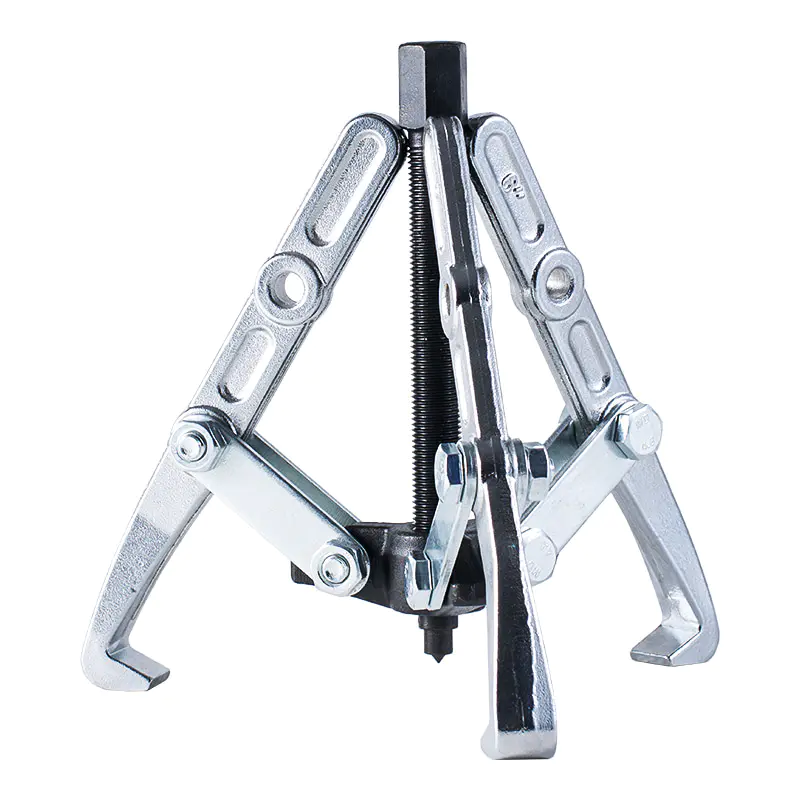
Model: SN0108 SN0109
-
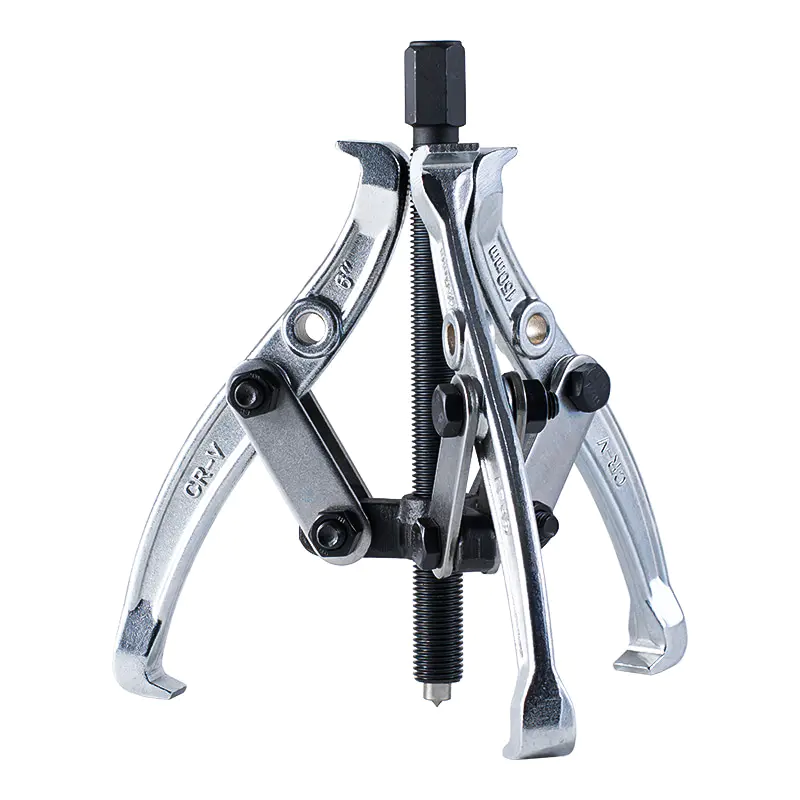
Model: SN0105
-
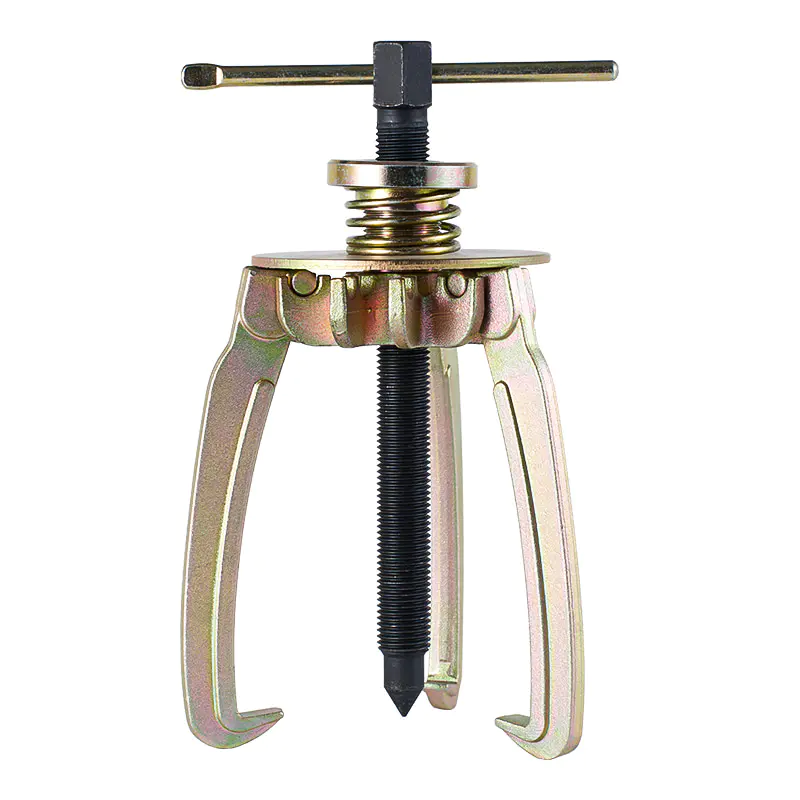
Model: SN0106
-
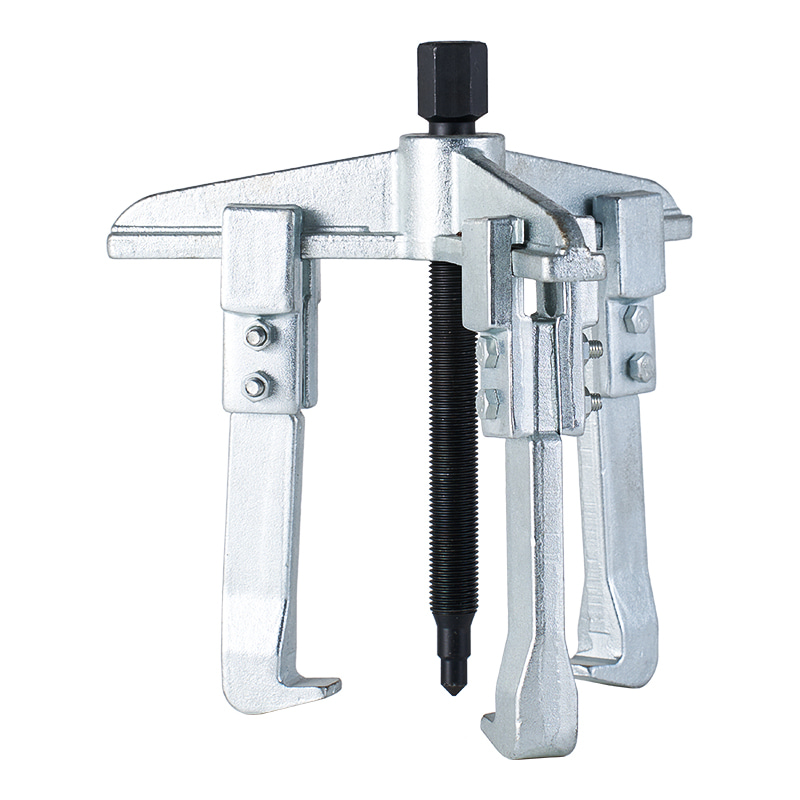
Model: SN0110
-
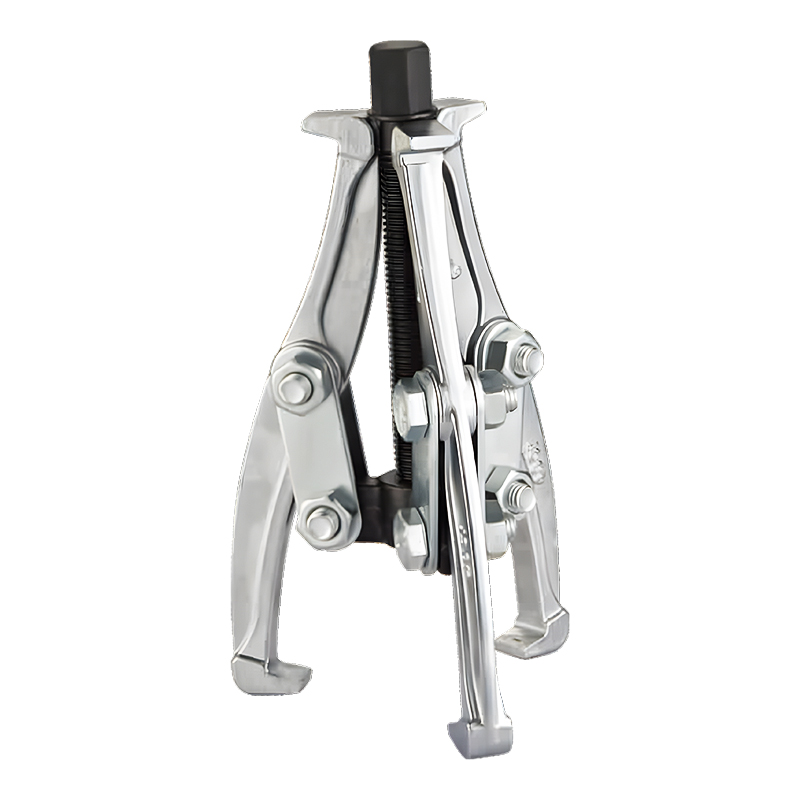
Model: SN0118
-
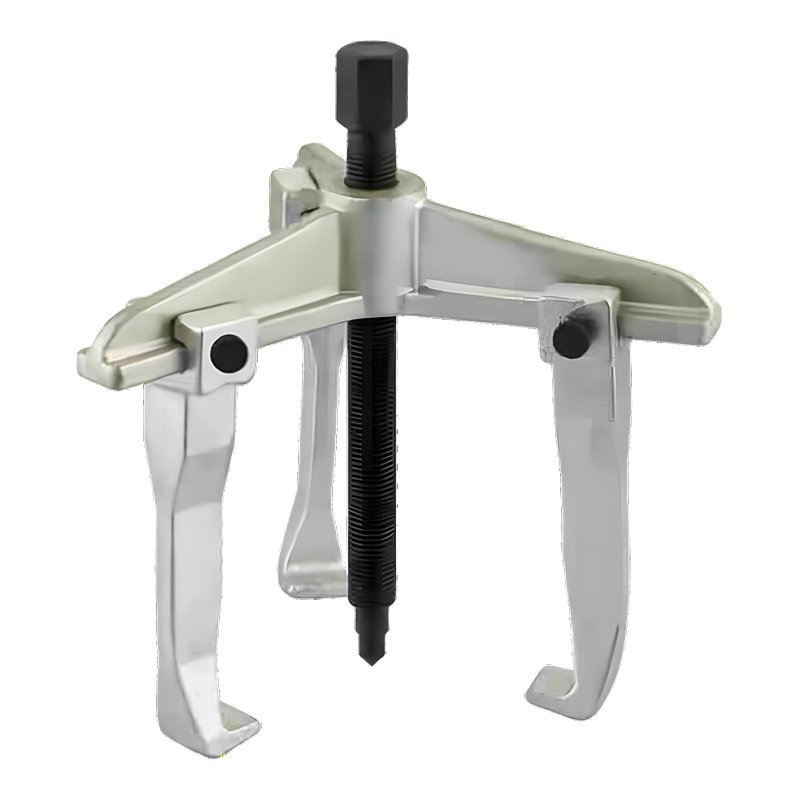
Model: SN0122
-
Model: SN0118-1
Submit feedback
Universal Bearing Pullers Play an Important Role in Mechanical Maintenance
2026-11-13
Machines rely on many small parts working in concert, and bearings rank among the most important. They carry rotating shafts, cut friction and keep equipment running smoothly. After long service, though, a bearing can be hard to get off. A tight fit, caked-on dirt, corrosion and ordinary wear all make disassembly difficult. That's where a universal bearing puller earns its place in the toolbox.
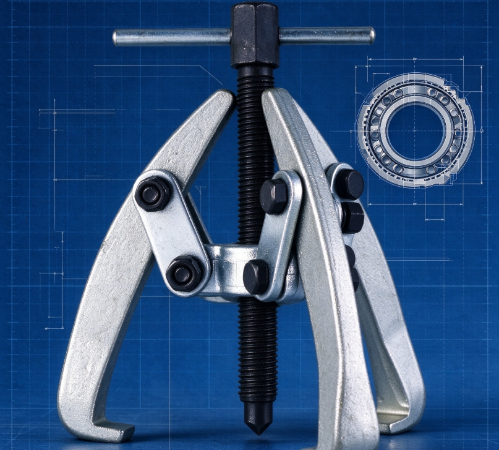
A bearing puller removes bearings from shafts, housings and other assembled components. Its adjustable structure copes with many removal situations. Instead of hammering or improvising, maintenance workers can apply controlled pulling force to free a bearing from its seat.
The tool's value goes beyond bearing removal. It supports routine inspections, repairs, component replacement and general workshop upkeep. Industrial equipment keeps getting more varied, and flexible hand tools stay relevant in daily mechanical work. Knowing how these pullers function and where they're used helps maintenance teams choose well.
What Is a Universal Bearing Puller and How Does It Work?
A bearing puller is a mechanical tool for separating tightly fitted bearings from the parts they're mounted on. Its basic structure has gripping jaws, a central forcing screw and a supporting frame. Together they produce a controlled pulling action.
The jaws grip the bearing or another suitable contact surface. The central screw sits against the shaft or another stable support point. Turning the screw builds pressure that gradually draws the bearing off its seat.
This cuts the need for direct hammering and gives the operator better control over how the part moves. That helps most with assemblies made up of several connected parts.
"Universal" refers to the tool's adaptability. Depending on the design, the jaws can be adjusted to fit different bearing positions and component shapes. Some pullers have two jaws, others three. Certain designs also let you change jaw orientation or working position.
The structure looks simple, yet every part has a job:
- Pulling jaws: They grip the bearing or a suitable contact area and pass on the pulling force.
- Central screw: It generates the mechanical force that moves the bearing off its mount.
- Supporting frame: It holds the main components together and keeps them aligned.
- Adjustment mechanism: It lets the operator change the jaw position to suit the working environment.
How removal actually goes depends on the bearing arrangement and the puller design. Choosing good contact points is critical. If the jaws can't hold the component securely, the tool may slip or apply uneven pressure.
Why Are Universal Bearing Pullers Important in Mechanical Maintenance?
Bearing removal comes up constantly in maintenance work, and it's rarely trivial. A bearing can stay stuck on its shaft after extended use. Dirt, oxidation and changes in the contact surfaces all make separation harder.
Without the right tool, workers may reach for hammers, levers or other makeshift gear. Those methods put unwanted stress on nearby components and can damage the shaft, housing or bearing seat.
A bearing puller is more controlled. Its gripping structure applies force through specific contact points, which reduces needless impact during disassembly.
It also saves time. When a bearing needs inspection or replacement, workers can often pull it without stripping down every surrounding component, as long as the assembly design allows. That simplifies repairs and cuts unnecessary handling.
Flexibility is another plus. Workshops see many kinds of equipment, and a universal puller can be adjusted for different removal jobs within its working range and structural design.
Its role in maintenance shows up in several areas:
- Component replacement: It removes worn or damaged bearings before new parts go in.
- Equipment inspection: It gives workers access to bearings for condition checks.
- Repair operations: It supports disassembly when rotating components need attention.
- Workshop maintenance: It's a reusable removal tool for many mechanical assemblies.
- Preventive maintenance: It helps teams inspect components before small problems turn into bigger failures.
No wonder bearing pullers show up in so many maintenance tool collections.
Where Are Universal Bearing Pullers Commonly Used?
These pullers work in a wide range of mechanical settings and aren't tied to one industry. Wherever fitted bearings are used, a suitable removal tool may be needed for repair or maintenance.
In automotive maintenance, bearings sit in many rotating assemblies. Technicians may need to pull them while working on wheel-related parts, transmission assemblies and other mechanical components. A suitable puller separates these parts with less disturbance to the surrounding structure.
Industrial machinery is another big area. Motors, pumps, conveyors and production equipment all depend on rotating parts. When a bearing wears out, gets noisy or breaks, maintenance staff may have to remove it for inspection or replacement.
Agricultural machinery has plenty of rotating assemblies too. Farm equipment faces dust, moisture, soil and changing conditions, all of which affect bearing condition and make maintenance harder.
General repair workshops find universal pullers handy as well. Technicians there handle many different products, not a single equipment category, so an adjustable puller gives welcome flexibility.
| Application Area | Typical Maintenance Tasks | Role of a Universal Bearing Puller |
|---|---|---|
| Automotive repair | Bearing inspection and replacement | Supports controlled component removal |
| Industrial machinery | Motor and pump maintenance | Helps separate fitted bearings |
| Agricultural equipment | Repair of rotating assemblies | Assists with bearing disassembly |
| Manufacturing workshops | Mechanical component servicing | Supports different removal tasks |
| General repair services | Routine equipment repairs | Provides a flexible removal solution |
Whether a puller fits depends on the bearing arrangement, the access available and the tool design. Not every universal puller suits every job. Operators should always check that the jaws and supporting structure match the component being removed.
How Does a Universal Bearing Puller Help Protect Mechanical Components?
Protecting components is a major concern in maintenance. A bearing may need replacing, but the shaft, housing and neighboring parts are usually meant to stay in service. Damage during removal creates extra repair work.
Direct impact is one source of damage. Striking a bearing with a hammer can pass force to nearby components. Depending on the assembly, that can affect the bearing seat, the shaft surface or connected structures.
A bearing puller takes a different approach. The jaws apply pulling force while the central screw gives a supporting counterforce. Positioned correctly, the tool lets the bearing slide off its mount in a controlled way.
Alignment is essential. If the central screw isn't placed properly, the pulling force turns uneven. The jaws can slip, or the component can come under needless pressure.
Contact position matters too. The jaws should grip a suitable part of the bearing or an approved removal surface. Force applied to a fragile area can deform the bearing or damage nearby parts.
Several practices help protect the assembly:
- Check the bearing arrangement before choosing a removal method.
- Clean the work area to improve visibility and reduce interference.
- Make sure the jaws grip the intended surface securely.
- Line up the central screw with the shaft or support point.
- Apply force gradually instead of cranking the screw hard.
- Stop if the tool starts to shift, tilt or lose its grip.
- Inspect the surrounding components after removal.
A puller doesn't remove every risk. Badly corroded, damaged or unusually tight bearings may need extra preparation or a different removal method. Understanding the condition of the assembly counts as much as choosing the tool.
What Is the Difference Between Two-Jaw and Three-Jaw Bearing Pullers?
Jaw configuration is one of the main features that set puller designs apart. Two-jaw and three-jaw pullers both serve mechanical disassembly, but they grip differently.
A two-jaw puller grips with two contact points. Its fairly simple arrangement helps where access is limited or where the surrounding structure makes a three-jaw tool hard to position.
A three-jaw puller grips at three points. Correctly placed, these spread the pulling force more evenly around the component, which can give a steadier grip in suitable applications.
The jaw count alone doesn't decide which puller is right. Bearing shape, working space, contact surface and removal direction all influence the choice.
| Comparison Factor | Two-Jaw Puller | Three-Jaw Puller |
|---|---|---|
| Gripping structure | Uses two contact points | Uses three contact points |
| Working space | May suit restricted access | Requires suitable space for all jaws |
| Force distribution | Depends on jaw positioning | Can provide more balanced contact |
| Adjustment | Often straightforward | Requires coordinated jaw placement |
| Common application | Accessible or restricted assemblies | Assemblies with suitable surrounding clearance |
Both designs have practical uses. A two-jaw puller can work when surrounding structure limits access. A three-jaw model can be the better pick when a more balanced grip is needed.
Some maintenance teams keep both on hand because equipment conditions vary. Let the actual assembly guide the choice, not a blanket preference for one design.
How Should You Choose a Suitable Universal Bearing Puller?
Choosing a puller takes more than checking for the word "universal" on the label. Mechanical assemblies differ in structure, and the puller must be compatible with the removal task at hand.
Gripping range comes first. The jaws must reach the bearing and make secure contact. If they can't engage the component properly, the tool may slip or fail to remove it.
Working depth deserves attention too. Some bearings sit close to surrounding structures, while others are buried deep in an assembly. A puller with the wrong jaw reach may not get you far enough in.
The central screw and supporting structure should also suit the task. They need to hold a stable pulling position throughout the operation. A poorly matched tool can shift under load and add risk.
Before choosing, weigh these factors:
- Bearing position: Is the bearing on a shaft, inside a housing or within another assembly?
- Component dimensions: Do the jaw opening and gripping range fit?
- Working depth: How far must the jaws reach to engage the bearing?
- Available clearance: Is there room to position and adjust the jaws?
- Jaw configuration: Two-jaw, three-jaw or another suitable structure?
- Material and construction: How good are the jaws, screw and supporting frame?
- Operating requirements: What kind of maintenance work is it for, and how often will the tool be used?
Think about storage and upkeep as well. A puller used often in a busy workshop should be easy to inspect, clean and organize. Clear storage also keeps small parts from going missing.
Let the intended application steer the selection. A general-purpose puller may not suit unusually large, heavily corroded or hard-to-reach assemblies.
What Common Mistakes Should Be Avoided When Using a Bearing Puller?
Even a good puller causes trouble when used wrongly. Many removal problems come from positioning, gripping or force, not from the tool.
One common mistake is picking a poor contact point. If the jaws grip an unstable or fragile surface, they may slip as the central screw tightens. That can damage the bearing and create a safety hazard.
Poor alignment is another. The central screw should stay lined up with the intended support point. Tilted at an angle, it spreads force unevenly.
Applying too much force too fast is also frequent. A bearing that doesn't budge right away may be held by corrosion, dirt or a tight fit. Cranking up the pressure without finding the cause can damage the assembly.
Workers should also avoid makeshift extensions and unapproved modifications. These can destabilize the puller and make the operation unpredictable.
Common mistakes include:
- Using jaws that don't fit the bearing properly.
- Positioning the tool at an angle.
- Pressing on an unsuitable bearing surface.
- Ignoring rust, dirt or other conditions that affect removal.
- Continuing to use a puller with worn or damaged parts.
- Using impact tools in ways the tool manufacturer doesn't permit.
- Standing directly in line with components that may release suddenly.
Careful removal begins with inspection. Workers should understand the assembly, pick a suitable gripping position and confirm the puller is in good shape. If the bearing stays stuck, find the cause before adding force.
How Can Proper Maintenance Extend the Usable Life of a Universal Bearing Puller?
A bearing puller is a reusable mechanical tool. Like other workshop equipment, it needs regular inspection and basic care. Dirt, corrosion, wear and poor storage can all hurt its working condition.
The jaws need particular attention, since they make direct contact with the component being removed. Worn gripping surfaces reduce stability and raise the chance of slipping. Workers should check them for deformation, cracks and visible damage.
The central screw needs routine care too. It produces the pulling action, so dirt or damage around its threads can hamper smooth operation. Cleaning the screw and lubricating it as the manufacturer instructs helps keep it moving freely.
Check the supporting frame for bending, cracks or other structural damage. A puller with a damaged frame shouldn't be used until it has been assessed and properly repaired.
Storage conditions matter as well. A puller left in a damp or dirty place may corrode. Keeping it clean and storing it somewhere dry and organized reduces needless wear.
A practical maintenance routine may include:
- Cleaning after use: Remove grease, dust and metal particles from the tool.
- Inspecting the jaws: Check the gripping surfaces for wear and deformation.
- Checking the screw: Look for thread damage and make sure it turns smoothly.
- Examining the frame: Inspect the supporting structure for cracks or bending.
- Lubricating moving parts: Follow the manufacturer's recommendations.
- Organizing storage: Keep the tool dry and protected from knocks.
- Replacing damaged parts: Don't keep using components that could compromise safe operation.
Regular inspection catches problems before they get in the way of maintenance work. It also keeps a workshop's tools ready for varied mechanical jobs.
Universal bearing pullers stay useful because they solve a recurring problem: taking off tightly fitted components without needless damage. Their adjustable gripping structures, controlled pulling action and broad range of uses make them practical tools for automotive repair, industrial servicing, agricultural machinery and general mechanical workshops.

-

Fax: +86-576-82686606
-

Tel: +86-576-82686563
+86-576-82686832 -

E-mail: [email protected]
-

Add: Fengjiang Industrial Park, Luqiao Area,Taizhou City, Zhejiang Province, China
Copyright © 2025 Taizhou Xinming Technology Co., Ltd. All Rights Reserved.

Sale Hardware Tools Factory