

 русский
 Español
 عربى
عربى-
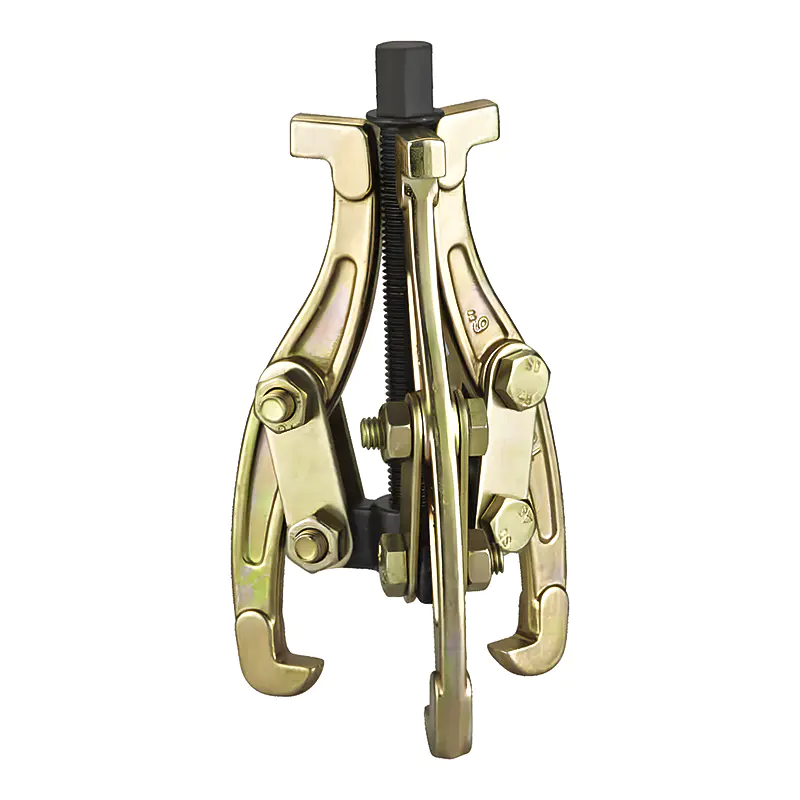
Model: SN0101
-
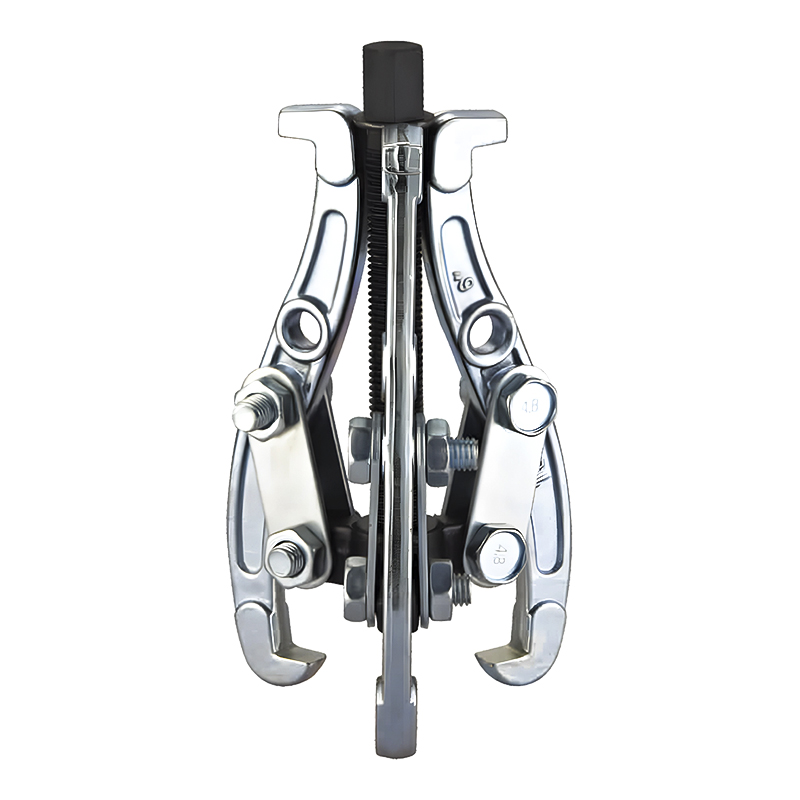
Model: SN0102-1
-
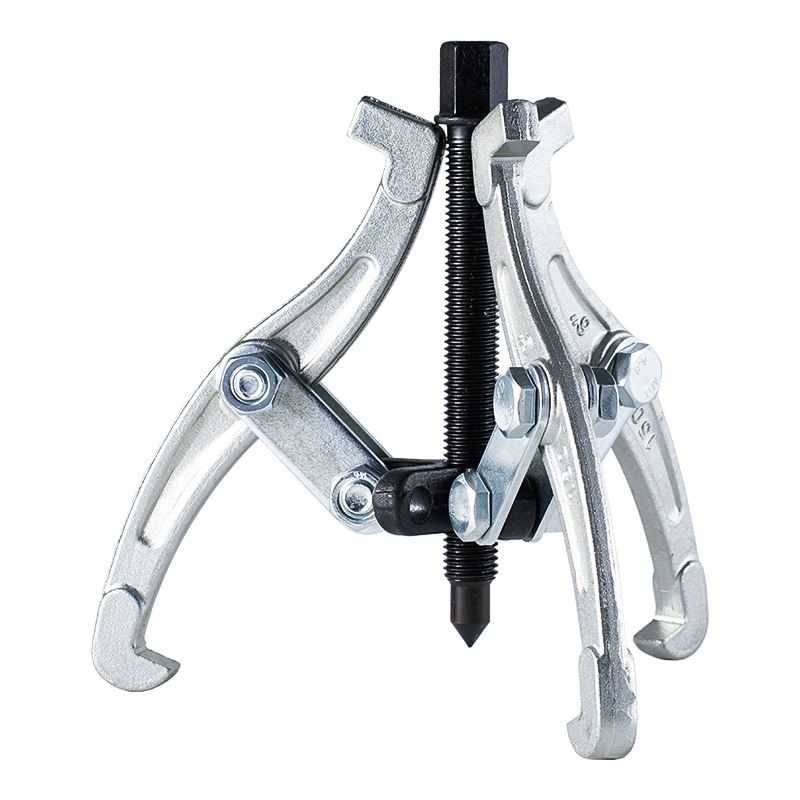
Model: SN0103
-
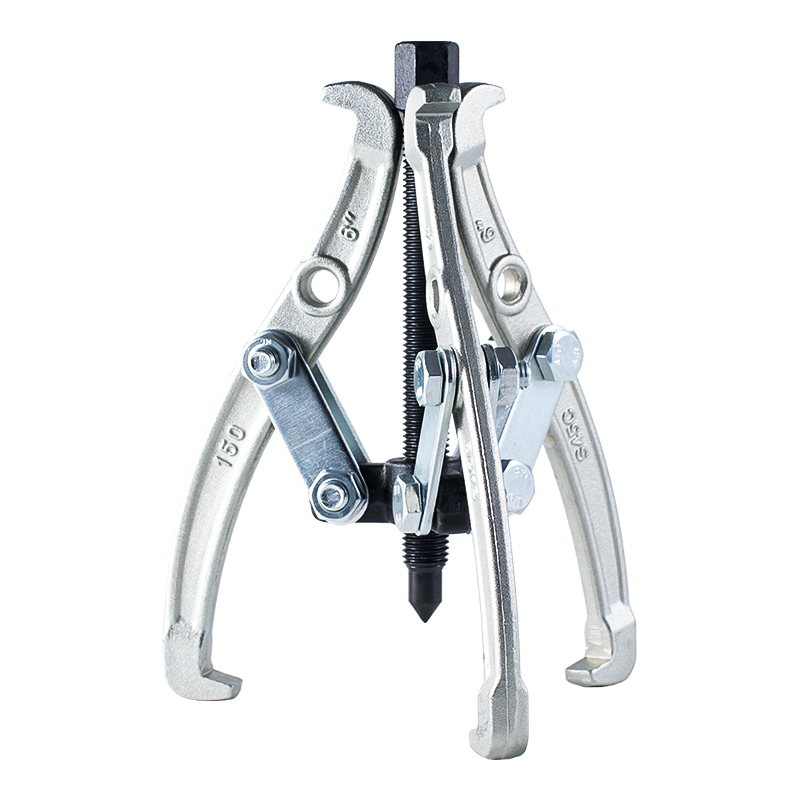
Model: SN0102 SN0107
-
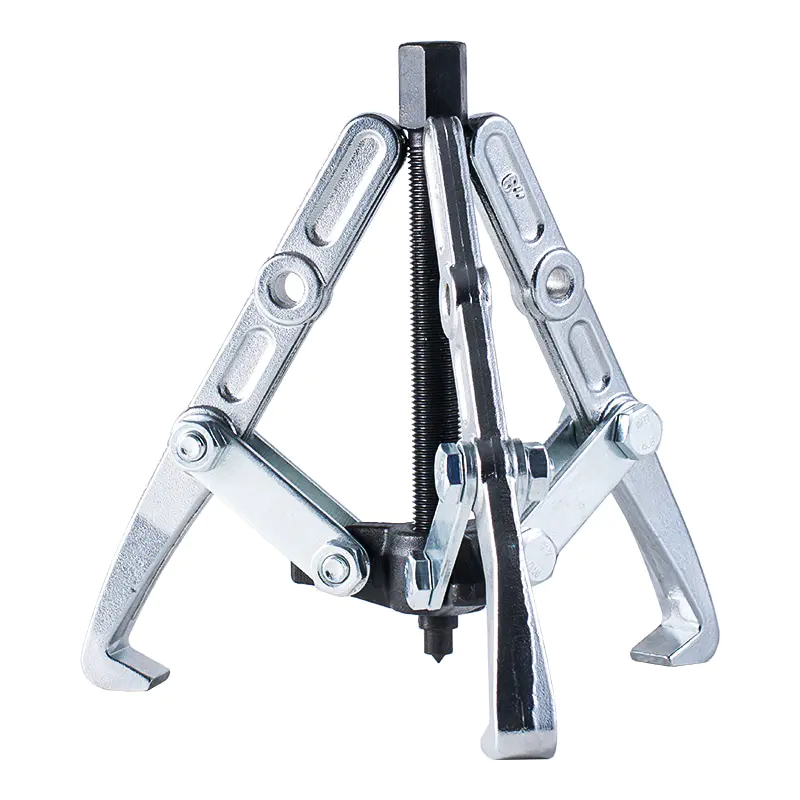
Model: SN0108 SN0109
-
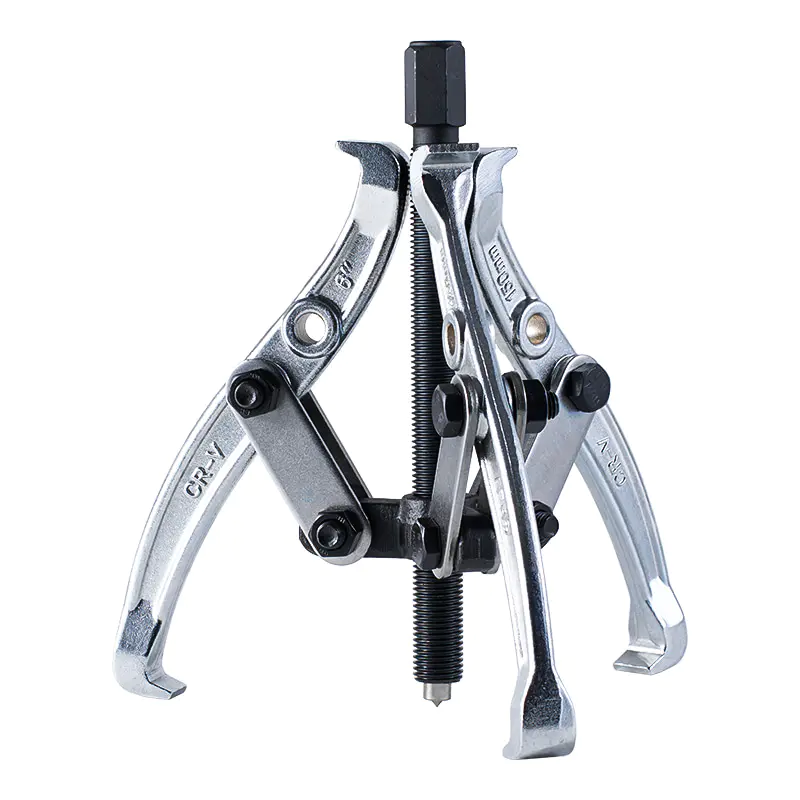
Model: SN0105
-
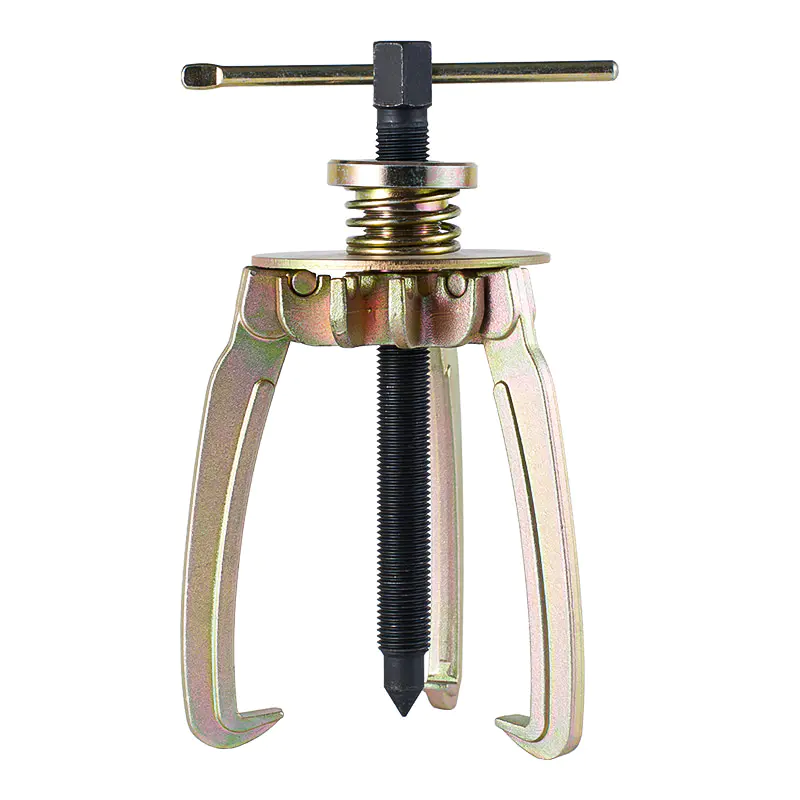
Model: SN0106
-
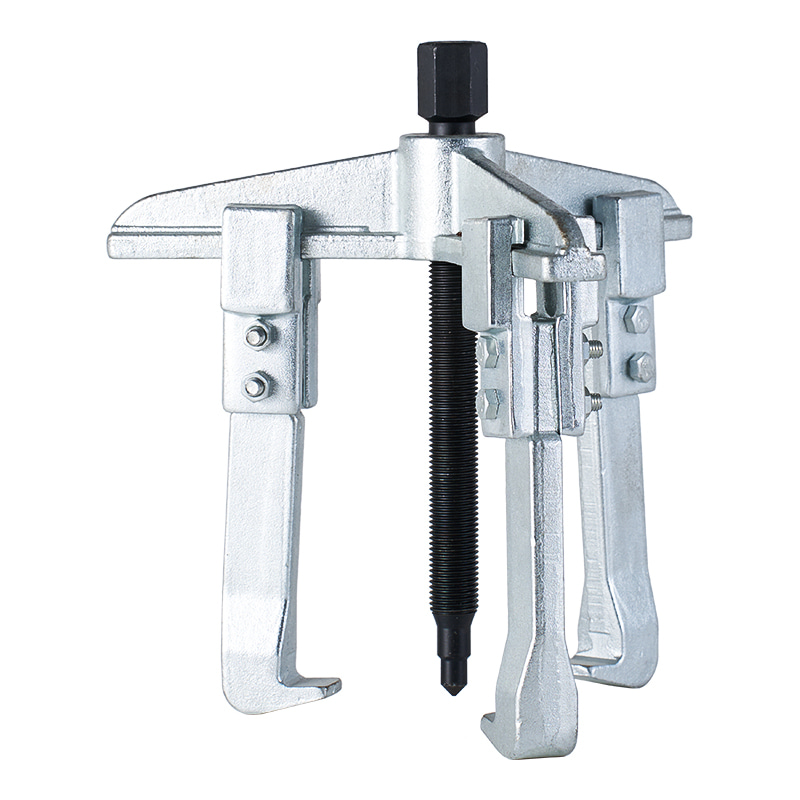
Model: SN0110
-
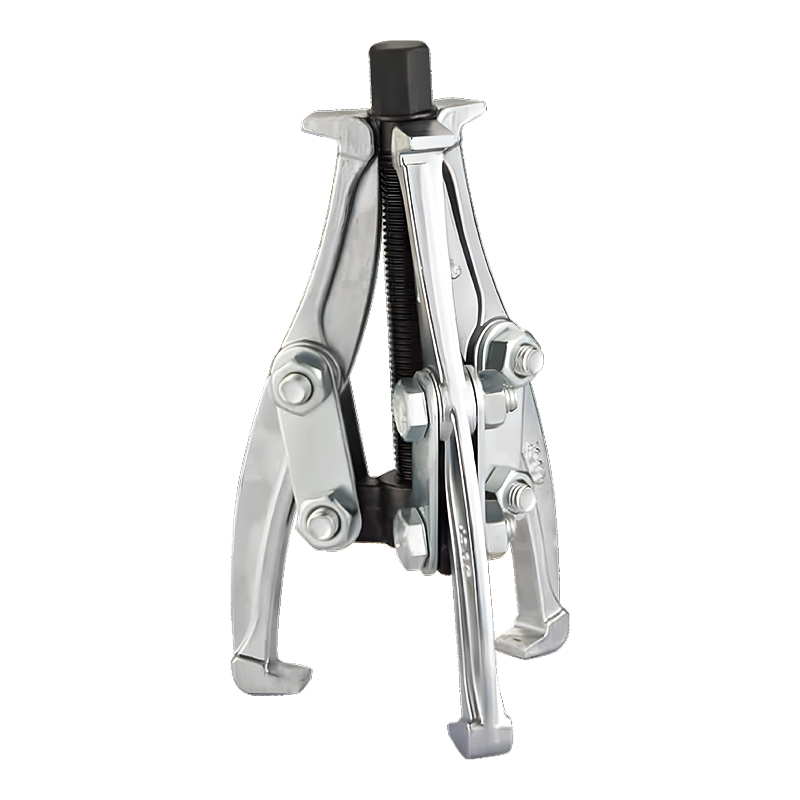
Model: SN0118
-
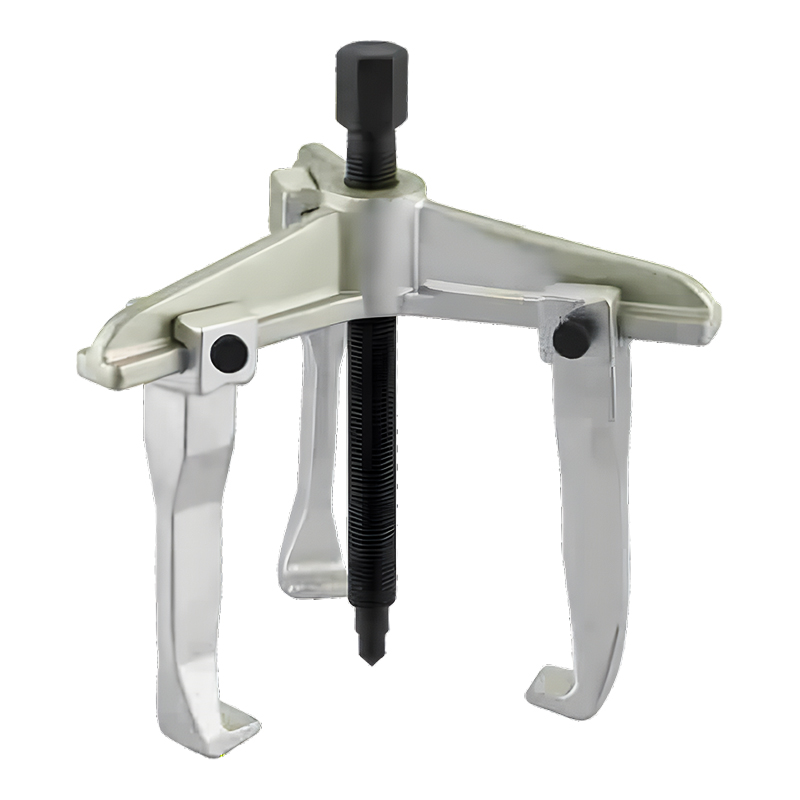
Model: SN0122
-
Model: SN0118-1
Submit feedback
The Manufacturing Process of a Ball Joint Separator Factory
2026-02-13
Core Product Function and Design Varieties
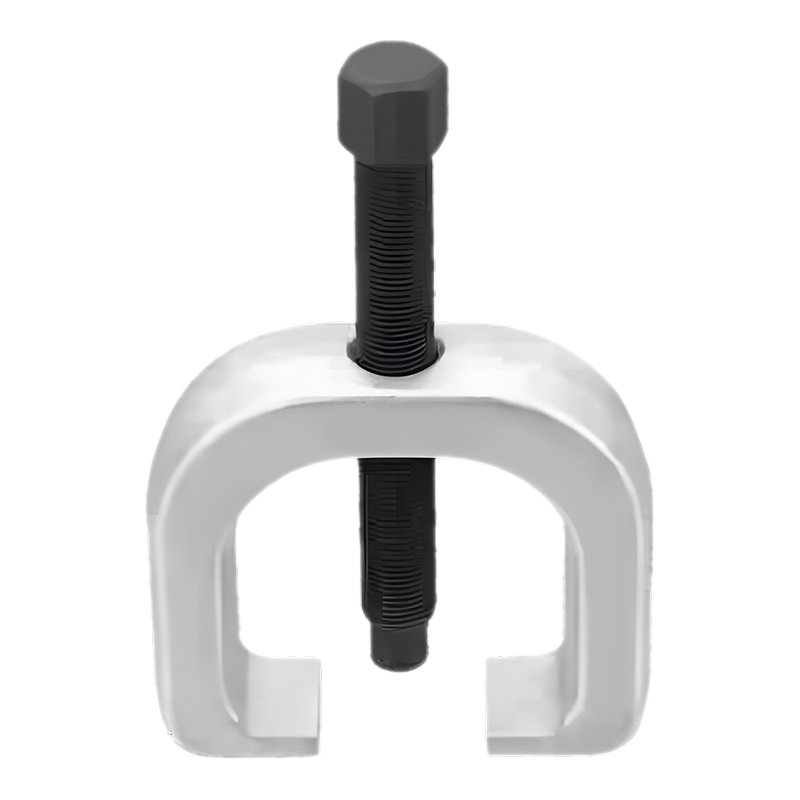
A ball joint separator factory specializes in producing specialized hand tools designed to efficiently disconnect ball joint connections in automotive suspension and steering systems. These connections, under constant stress, can become seized, making separation difficult. The factory manufactures several key designs. The most common is the traditional "pickle fork" style, a wedge-shaped tool driven between the ball joint and its socket. More advanced designs include scissor-type or clamp-style separators that use a screw mechanism to apply controlled, spreading force, minimizing damage to the joint's rubber boot. The core design challenge for the ball joint separator factory is creating a tool strong enough to withstand immense prying or spreading forces without breaking, bending, or deforming, while also allowing access in the tight spaces of a vehicle's undercarriage.
Material Selection and Forging for Strength
The extreme forces involved dictate the use of high-strength materials. A professional ball joint separator factory typically forges its tools from high-grade, heat-treated alloy steel such as chrome vanadium. The forging process is crucial; heated steel billets are hammered or pressed into shape under high pressure. This aligns the metal's grain structure, creating a component with superior toughness and impact resistance compared to machining from bar stock. Following forging, the tools undergo precise heat treatment—quenching and tempering—to achieve an optimal balance of hardness (for wear resistance at contact points) and ductility (to prevent brittle fracture). The tines of a pickle fork, for example, must be very hard to bite into metal without deforming, yet the body must have enough flexibility to absorb shock. This metallurgical expertise is fundamental to the ball joint separator factory's ability to produce reliable, professional-grade tools.
Precision Machining and Quality Control
After forging and heat treatment, the tools move to precision machining. For screw-type separators, this involves threading the screw and machining the receiving nut or jaw components to exact tolerances to ensure smooth operation under load. All edges are deburred for safe handling. Rigorous quality control is non-negotiable. The ball joint separator factory performs batch testing, which often includes destructive testing on samples to verify the yield strength and ultimate failure point. Dimensional inspections ensure the tool's geometry fits standard automotive applications. Surface treatments, such as phosphate or black oxide coating, are applied to inhibit rust. This comprehensive QC process guarantees that each tool leaving the ball joint separator factory meets the durability and safety standards demanded by professional mechanics.
Ergonomics and User Safety Features
While brute strength is primary, user safety and ergonomics are critical secondary considerations. The ball joint separator factory designs tools with features to protect the user. For pickle forks, this includes wide, flared striking surfaces to prevent hammer slippage. For screw-type tools, large, knurled handles provide a secure grip, even with greasy hands. The overall length and leverage are calculated to give the mechanic sufficient force without requiring excessive, unsafe exertion. Some advanced models incorporate swivel heads or pivoting jaws to align better with angled joints. By focusing on these human factors, the ball joint separator factory reduces the risk of injury and makes a physically demanding job more manageable, which is a key value proposition for its professional clientele.
Market Adaptation and Tool Set Integration
A successful ball joint separator factory does not produce just one tool in isolation. It adapts its production to create sets that cover a wide range of vehicle applications—from compact cars to heavy-duty trucks. This requires manufacturing separators in various sizes, fork widths, and load capacities. Furthermore, the factory often bundles these separators with other related suspension tools, such as tie rod end pullers, into comprehensive mechanic's kits. Understanding the evolving automotive market, including the prevalence of certain joint designs in different vehicle makes, allows the ball joint separator factory to plan its production effectively. Its role is to provide a reliable, application-specific solution that integrates seamlessly into a professional technician's toolkit, saving time and labor on a common yet challenging repair procedure.

-

Fax: +86-576-82686606
-

Tel: +86-576-82686563
+86-576-82686832 -

E-mail: [email protected]
-

Add: Fengjiang Industrial Park, Luqiao Area,Taizhou City, Zhejiang Province, China
Copyright © 2025 Taizhou Xinming Technology Co., Ltd. All Rights Reserved.

Sale Hardware Tools Factory