

 русский
 Español
 عربى
عربى-
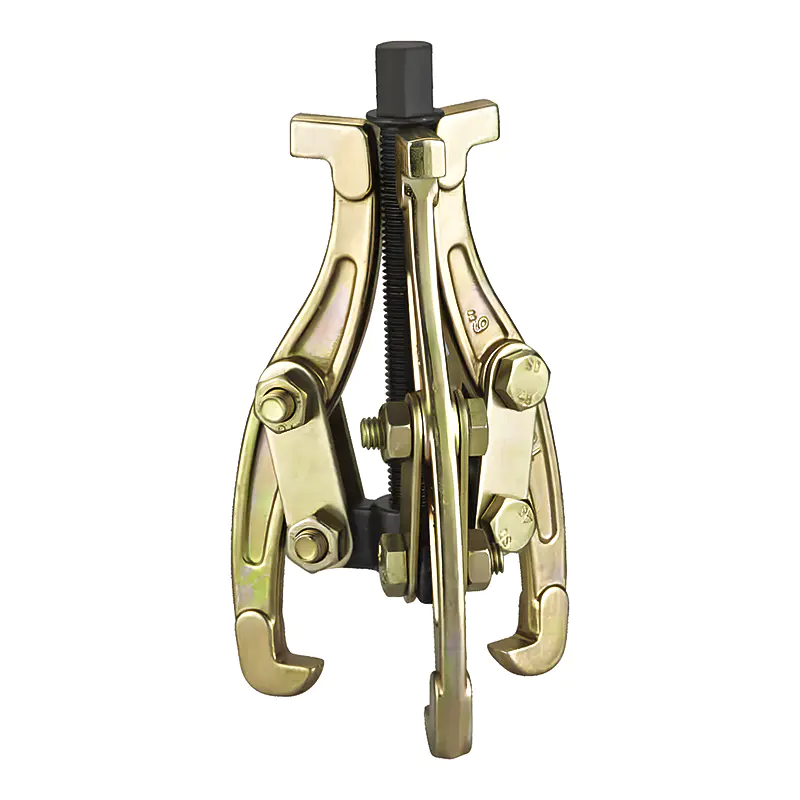
Model: SN0101
-
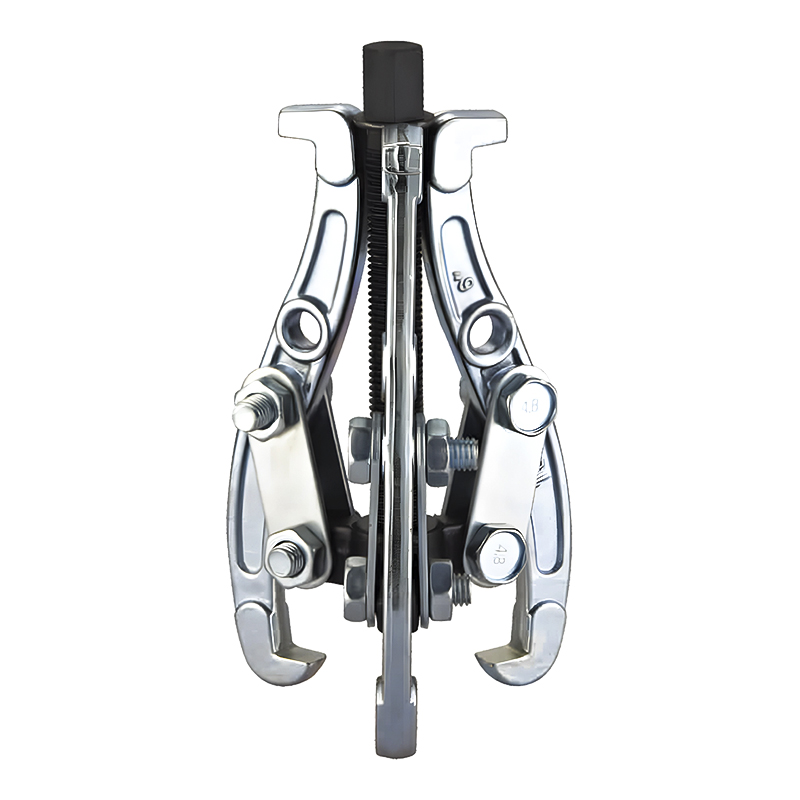
Model: SN0102-1
-
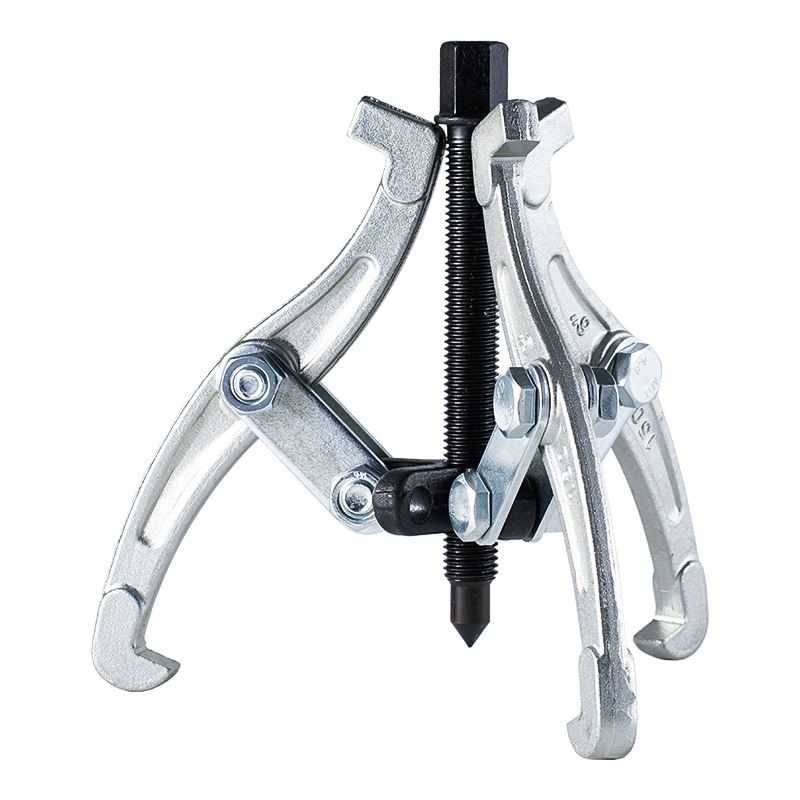
Model: SN0103
-
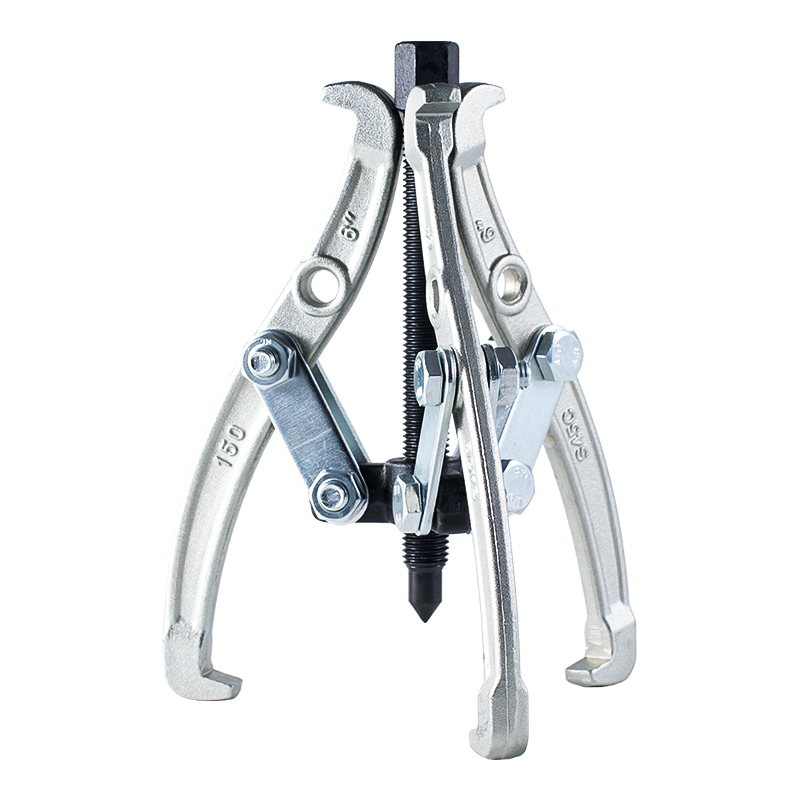
Model: SN0102 SN0107
-
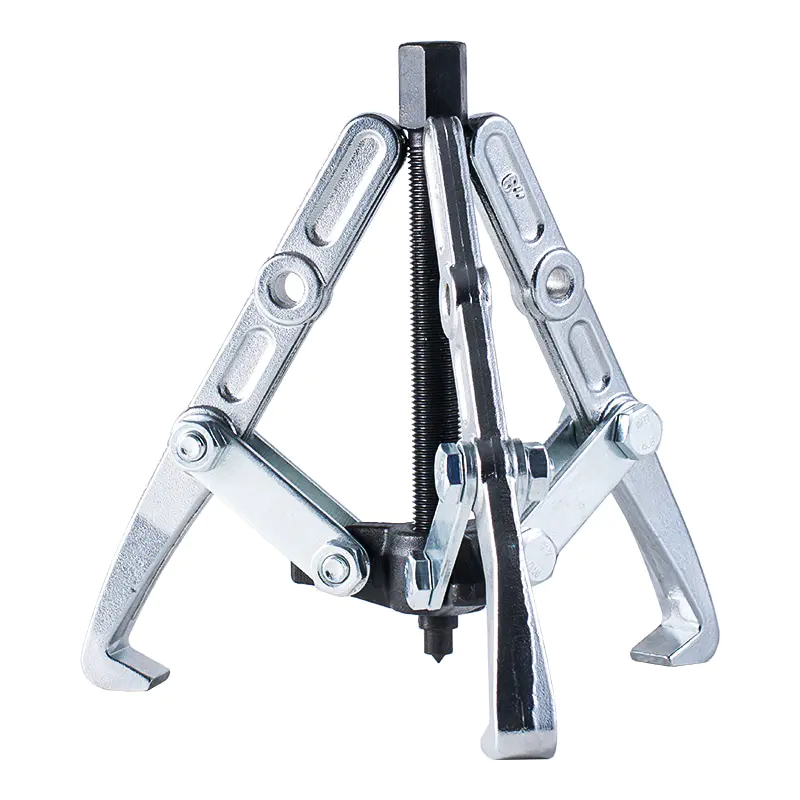
Model: SN0108 SN0109
-
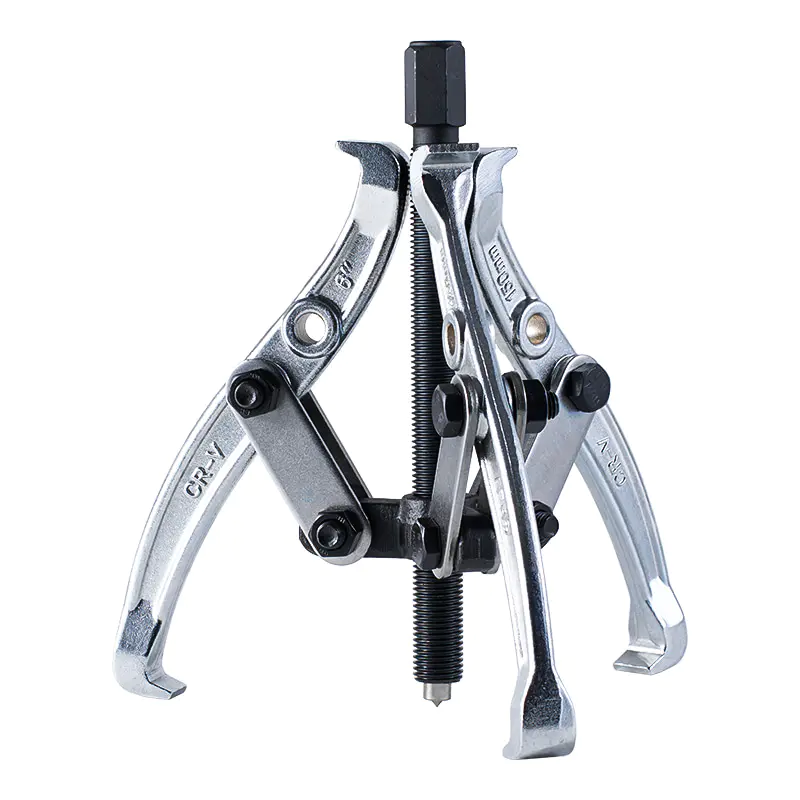
Model: SN0105
-
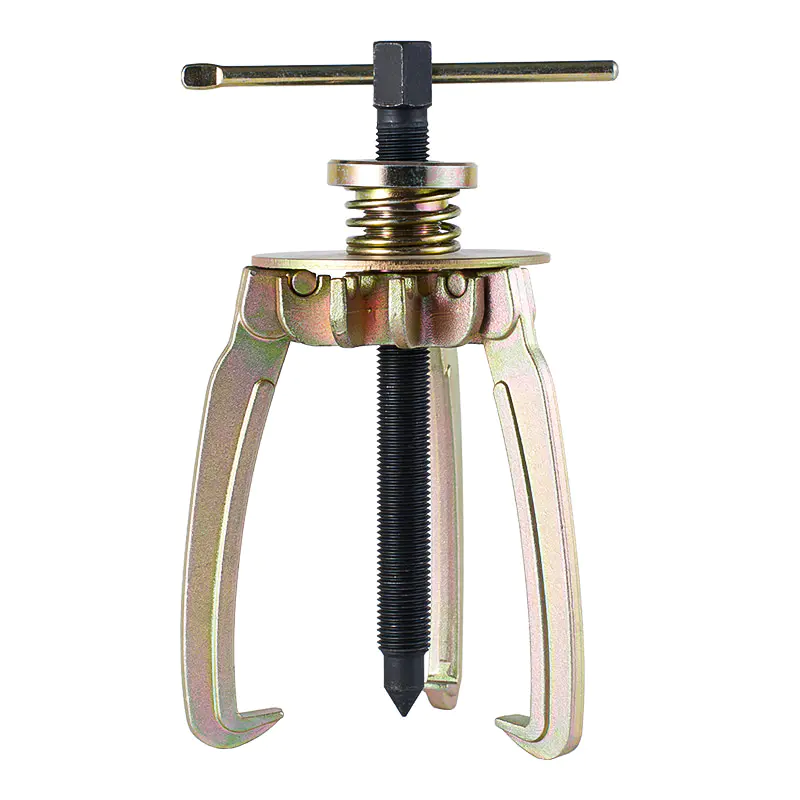
Model: SN0106
-
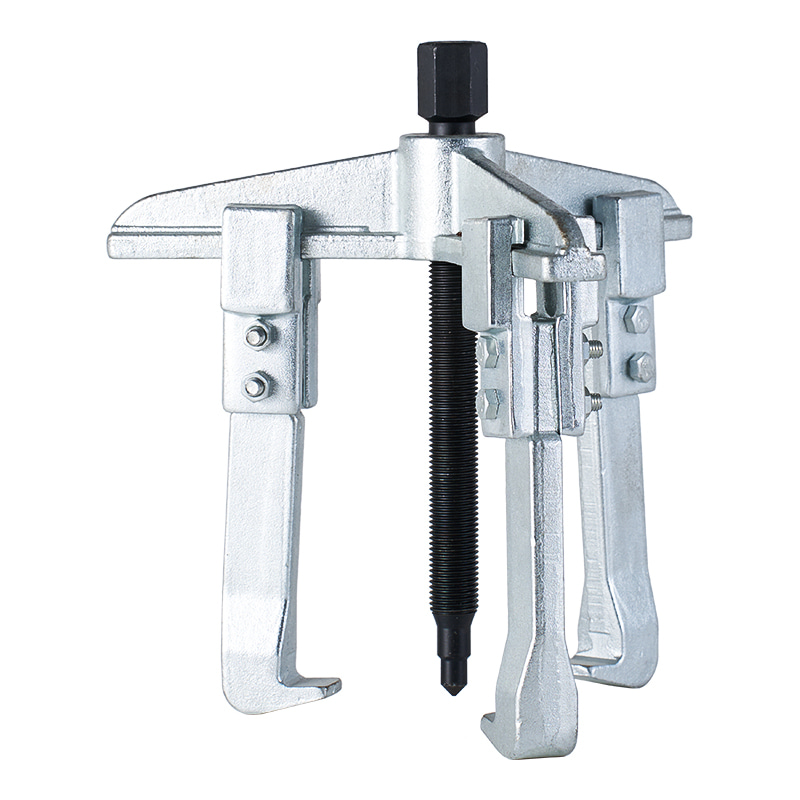
Model: SN0110
-
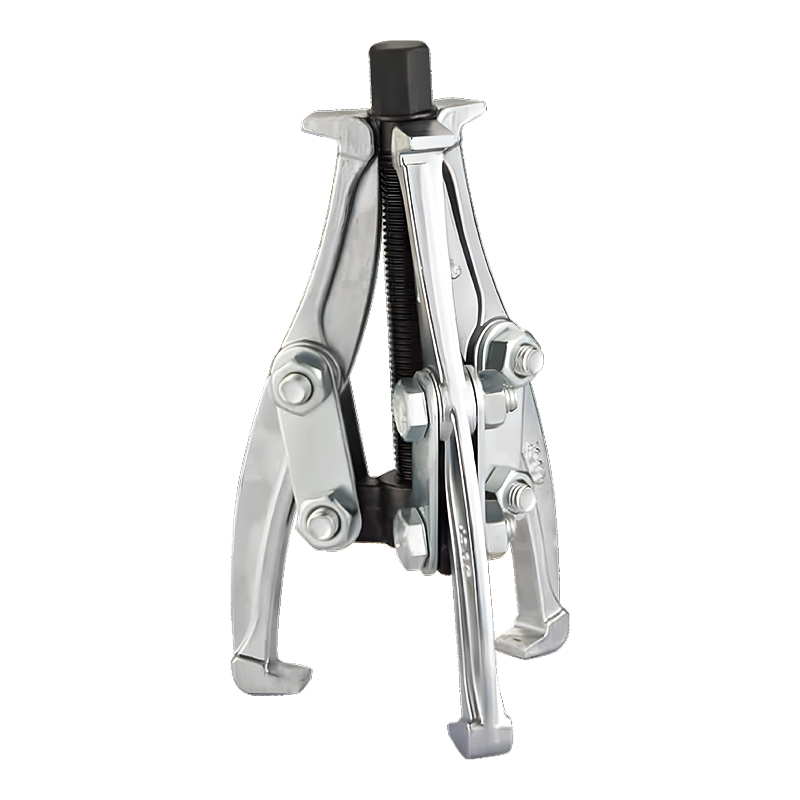
Model: SN0118
-
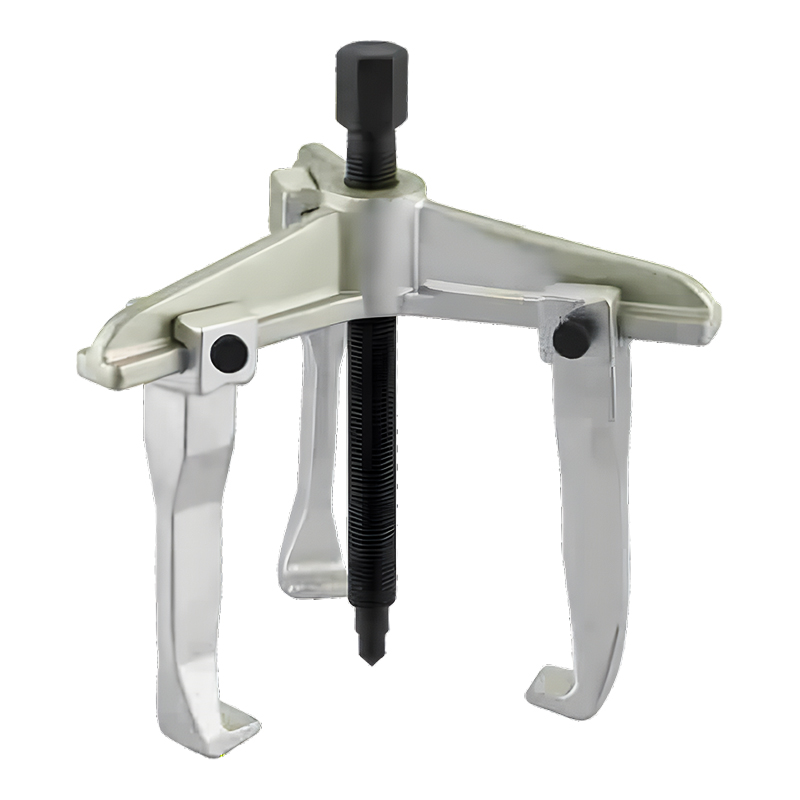
Model: SN0122
-
Model: SN0118-1
Submit feedback
The Manufacturing Framework of an Auto Tool Factory
2026-02-06
Product Range and Engineering Focus
An auto tool factory specializes in manufacturing a diverse array of hand tools, diagnostic equipment, and specialized devices for automotive repair and maintenance. The product spectrum ranges from fundamental wrenches, sockets, and screwdrivers to advanced electronic diagnostic scanners, pneumatic impact wrenches, and wheel alignment equipment. The engineering philosophy within an auto tool factory prioritizes durability, precision, and ergonomics above all else. Tools must withstand high torque, frequent impact, and exposure to grease, solvents, and extreme temperatures common in workshop environments. The design process involves rigorous mechanical simulation and prototyping to ensure each tool can perform its specific function reliably over thousands of cycles, directly impacting a technician's efficiency and safety. This focus on professional-grade performance defines the core mission of a true auto tool factory.
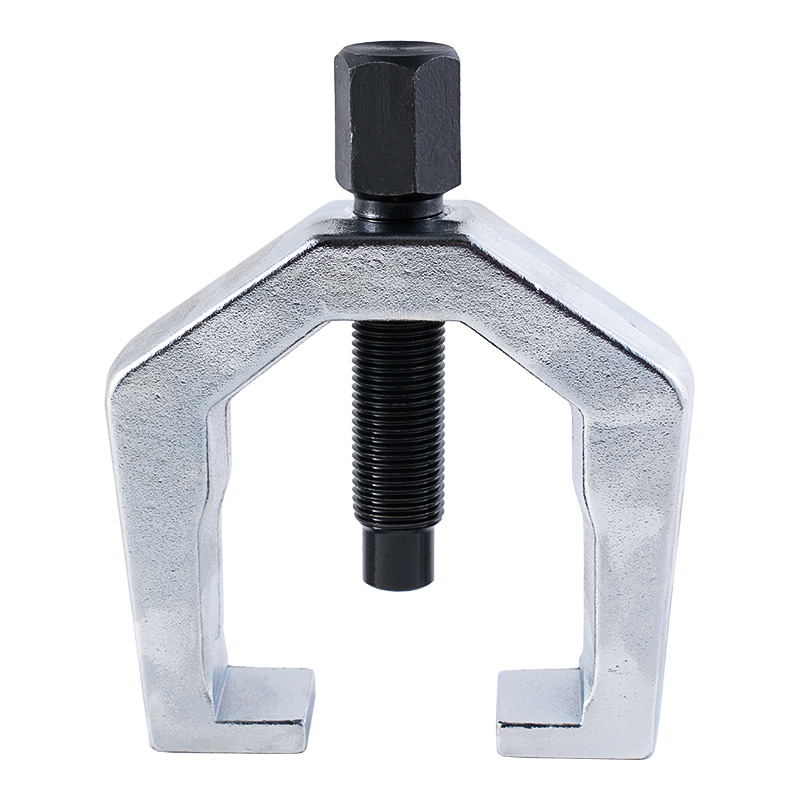
Material Science and Precision Forging
The backbone of any quality hand tool from an auto tool factory is advanced material science and precision metal forming. High-grade alloy steels, such as chrome vanadium or chromium-molybdenum, are selected for their optimal balance of strength, toughness, and resistance to wear. The manufacturing of sockets and wrenches typically involves hot forging, where heated steel blanks are pressed into shape under immense force in precision dies. This forging process aligns the metal's grain structure, creating a part that is significantly stronger than one that is merely machined. Following forging, critical components undergo precise heat treatment—a controlled process of heating and quenching—to achieve the exact hardness and tensile strength required. This mastery of metallurgy and forming is what separates the professional-grade output of a reputable auto tool factory from consumer-grade alternatives. Secondary machining and surface treatments, like chrome plating for corrosion resistance, complete the process.
Advanced Manufacturing for Electronic and Pneumatic Tools
For electronic diagnostic tools and powered equipment, the auto tool factory operates in the realm of advanced assembly and systems integration. Diagnostic scanners and code readers require the design and assembly of circuit boards, integration of sensors and displays, and the development of proprietary or licensed software that interfaces with vehicle onboard computers. Pneumatic tools, like impact wrenches and grinders, demand precision machining of rotors, stators, and hammer mechanisms, followed by balanced assembly to minimize vibration and maximize power transfer. This segment of the factory combines clean-room electronics assembly with heavy-duty mechanical manufacturing, requiring a diverse set of engineering skills and quality control protocols to ensure both the electronic accuracy and mechanical robustness of the final product. It represents the technological frontier for a modern auto tool factory.
Ergonomics and Safety-Centric Design
Recognizing that tools are used for hours on end in demanding conditions, a leading auto tool factory invests heavily in ergonomic research and safety-centric design. Handle designs are extensively tested and contoured to fit the hand naturally, with non-slip, oil-resistant grips. Weight and balance are meticulously optimized to reduce user fatigue and improve control during repetitive tasks. Safety features are engineered directly into the tools: positive socket retention mechanisms on ratchets, insulated handles for electrical work, and pressure relief valves on pneumatic equipment. By focusing intently on the human-tool interface, the auto tool factory directly enhances technician productivity, reduces the risk of repetitive strain injuries, and builds critical brand loyalty among professional users who depend on their tools daily.
Quality Assurance, Certification, and Global Supply Chain
Given the critical nature of automotive repair where failure can have safety implications, quality assurance in an auto tool factory is exhaustive and data-driven. Tools undergo both destructive and non-destructive testing, including torque-to-failure tests, cycle life testing, drop tests, and metallographic analysis. Many tools are certified to meet stringent international standards. Furthermore, the factory must expertly manage a global supply chain for specialized alloy steels, electronic components, and precision bearings. It also typically provides a robust after-sales service network, including warranty support, tool repair, and calibration services for electronic equipment. This end-to-end control, from raw material sourcing and certified manufacturing to post-sale technical support, establishes the auto tool factory as a reliable, long-term partner in the professional automotive service industry.

-

Fax: +86-576-82686606
-

Tel: +86-576-82686563
+86-576-82686832 -

E-mail: [email protected]
-

Add: Fengjiang Industrial Park, Luqiao Area,Taizhou City, Zhejiang Province, China
Copyright © 2025 Taizhou Xinming Technology Co., Ltd. All Rights Reserved.

Sale Hardware Tools Factory