

 русский
 Español
 عربى
عربى-
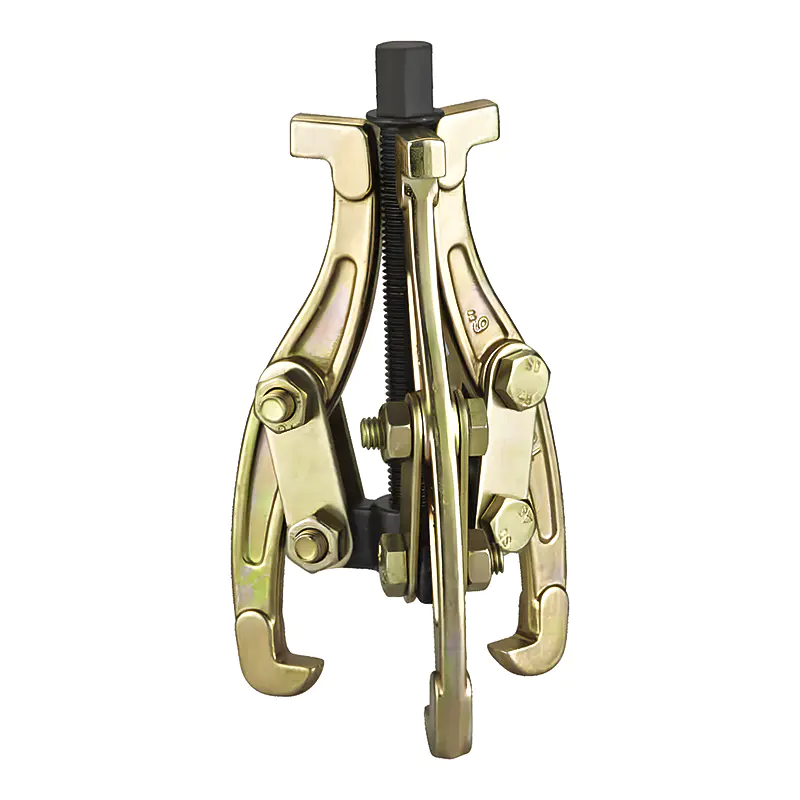
Model: SN0101
-
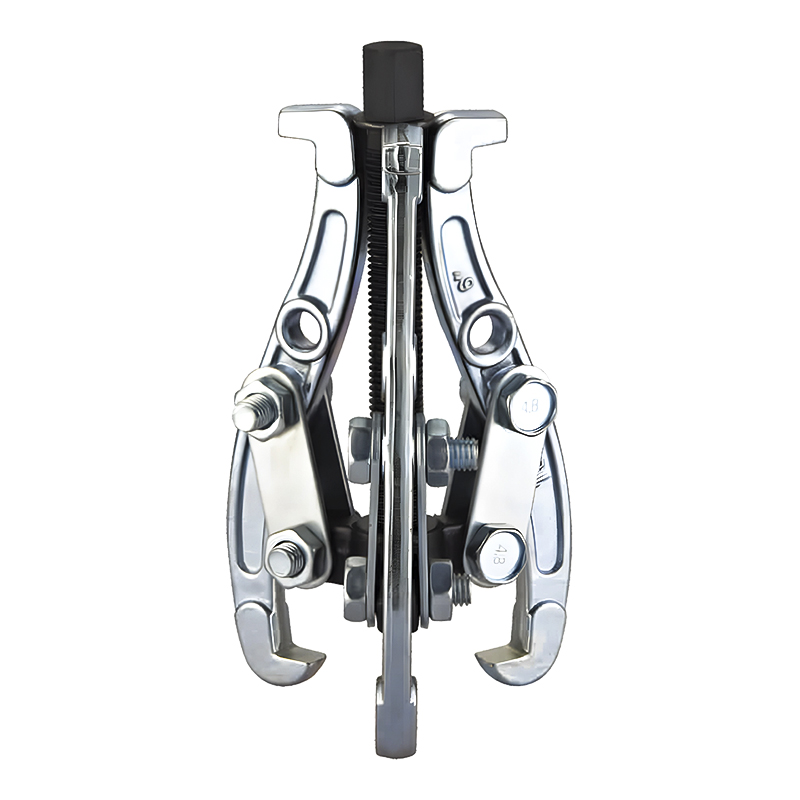
Model: SN0102-1
-
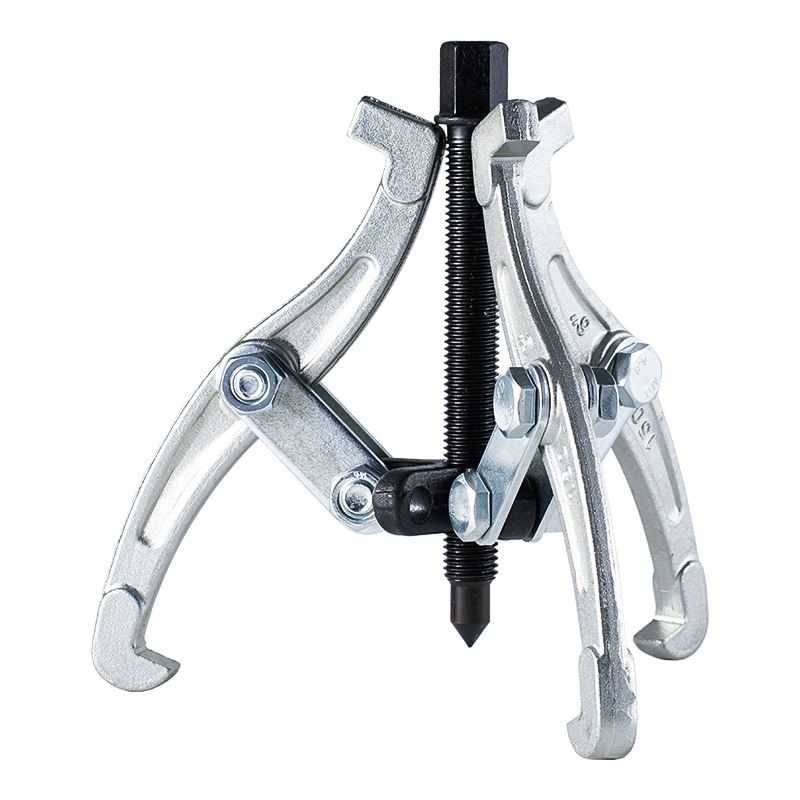
Model: SN0103
-
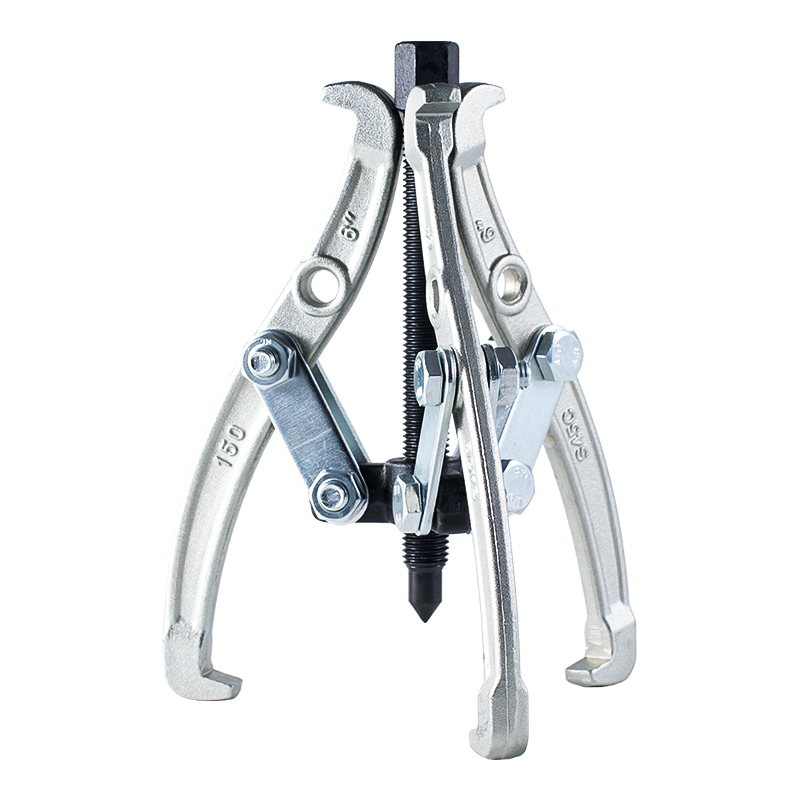
Model: SN0102 SN0107
-
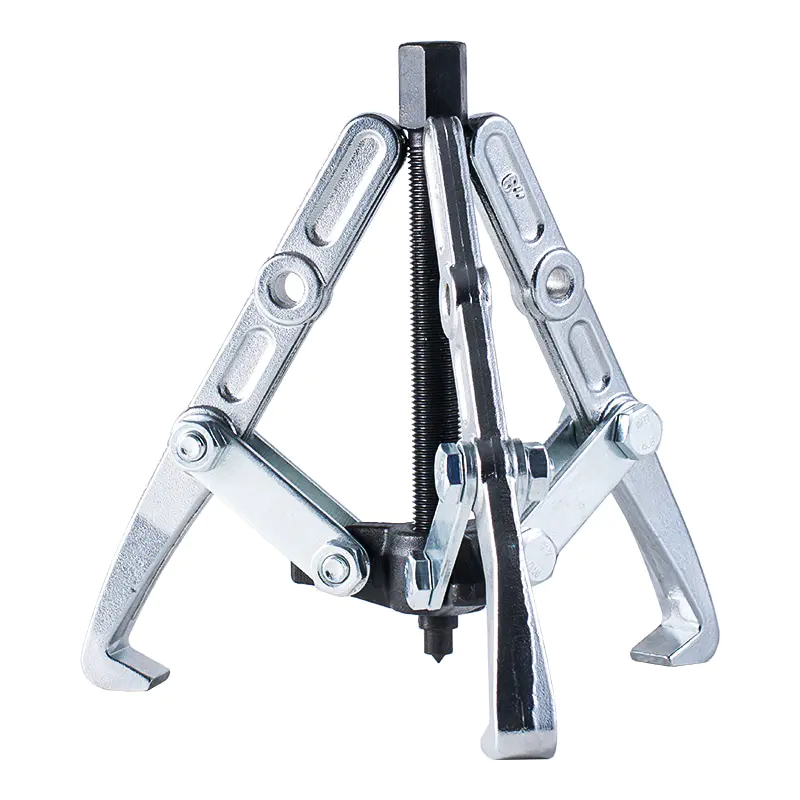
Model: SN0108 SN0109
-
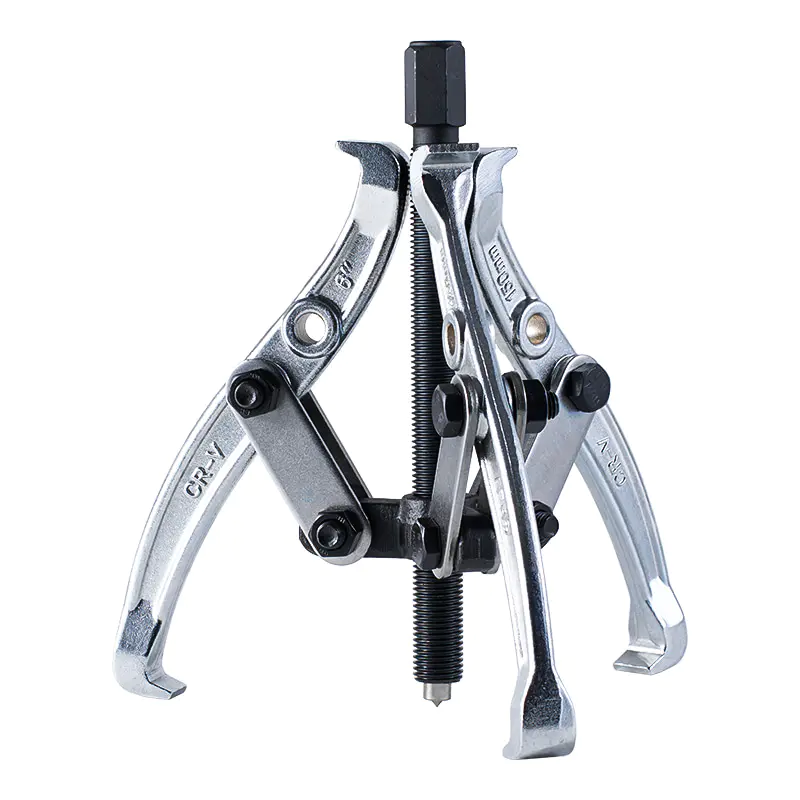
Model: SN0105
-
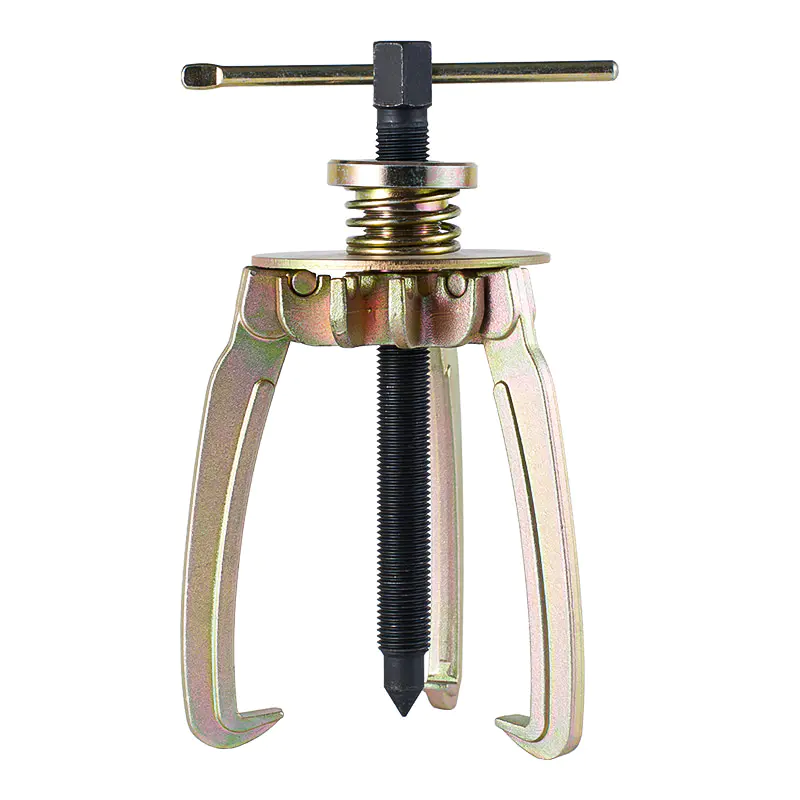
Model: SN0106
-
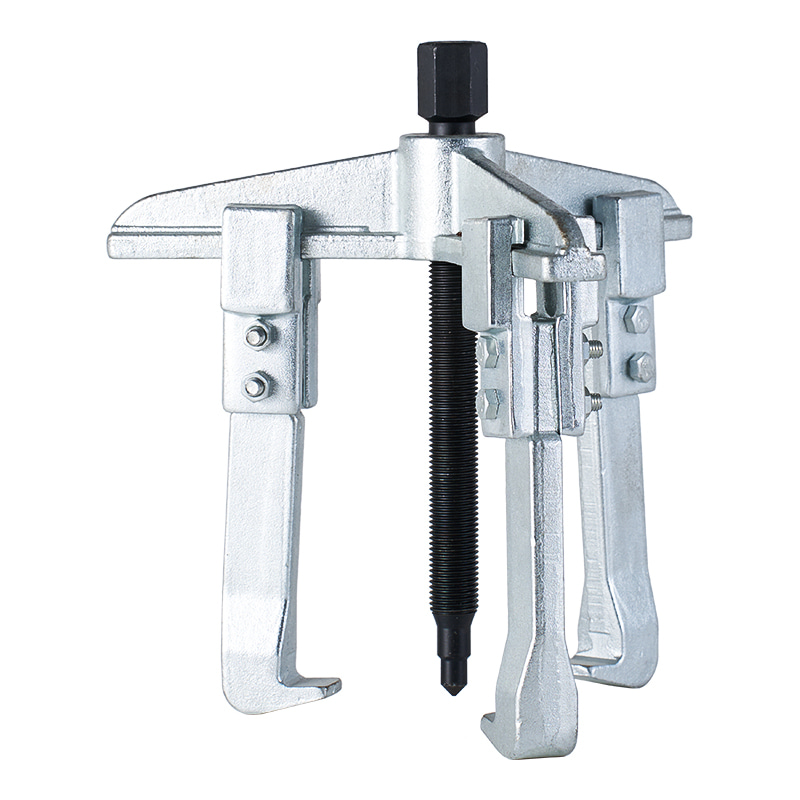
Model: SN0110
-
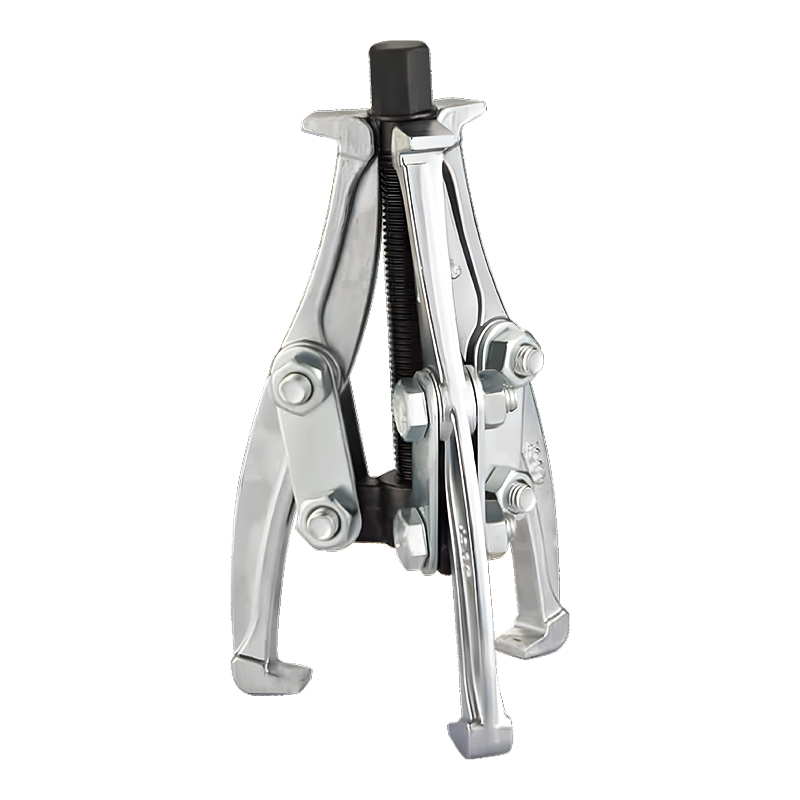
Model: SN0118
-
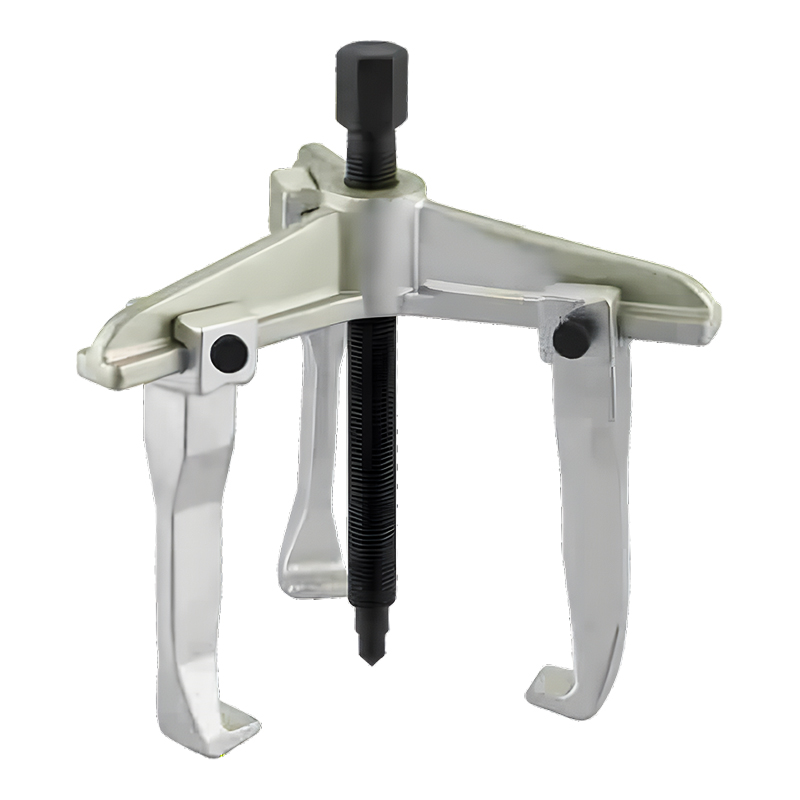
Model: SN0122
-
Model: SN0118-1
Submit feedback
Production and Design in a Gear Puller Factory
2026-02-20
Core Function and Mechanical Design Variants
A gear puller factory manufactures specialized mechanical tools designed to remove gears, bearings, pulleys, and other press-fitted components from shafts safely and without damage. These tools operate on the principle of applying controlled, axial pulling force. The factory typically produces several key design variants to address different applications. The most common is the two-arm or three-arm jaw puller, where adjustable arms hook behind the component, and a central forcing screw applies pressure against the shaft end. For internal components, the factory makes slide-hammer pullers that use inertial impact. More specialized designs include hydraulic pullers for extreme force and blind-hole bearing pullers. The fundamental engineering challenge for a gear puller factory is to create a rigid, non-flexing frame and jaw assembly that can translate immense tensile force efficiently while providing adjustability for various component diameters and access limitations.
Material Science and Forging for Structural Integrity
Given the high tensile and shear stresses involved, the choice of material and forming process is critical. A professional gear puller factory forges the core structural components—the yoke (crossbar), jaws, and forcing screw—from high-carbon or alloy steel. Forging aligns the metal grain for maximum strength and impact resistance. The central forcing screw, a critical stress point, is often machined from a high-strength steel billet with precisely cut ACME or trapezoidal threads. These threads are designed to handle high axial loads with minimal friction and wear. Following forming, components undergo heat treatment (quenching and tempering) to achieve an optimal balance of hardness for wear resistance at contact points and toughness to prevent catastrophic brittle failure under load. The material science and processing expertise of the gear puller factory directly determine the tool's safe working load and service life.
Precision Machining and Assembly Tolerances
Precision is paramount in a puller's function. After forging and heat treatment, components are machined to exact tolerances. The holes in the yoke for the jaw pins must be perfectly aligned to ensure even force distribution. The threads on the forcing screw and the receiving hole in the yoke must be cut with high accuracy to prevent binding or cross-threading under pressure. Jaws are machined to have sharp, hard tips for a secure grip and often feature multiple engagement points or replaceable tips. In assembly, the gear puller factory ensures all pivot points move smoothly and that the completed tool has no play or wobble, which could cause misalignment and dangerous slippage during use. This meticulous attention to machining and assembly detail is what separates a precision tool from a makeshift device.
Load Rating, Safety Testing, and Quality Assurance
A reputable gear puller factory rigorously tests and certifies the load capacity of its tools. Each design is assigned a safe working load based on calculated stress analysis and physical proof testing. Sample tools from production batches are often subjected to destructive testing in a hydraulic press to verify they meet or exceed their rated capacity. Quality assurance involves checking material certificates, verifying heat treatment results through hardness testing, and performing visual and dimensional inspections on every part. The factory typically marks each tool with its rated tonnage or kilonewton capacity. This commitment to verifiable safety standards protects end-users—often professional mechanics or industrial maintenance workers—from tool failure that could cause injury or component damage.
Application-Specific Production and Market Integration
The market demands specialized solutions, so a versatile gear puller factory produces a wide range of sizes and configurations. Its product line includes small, delicate pullers for electronics and large, multi-ton models for industrial machinery. The factory often creates specialized jaw sets, extension arms, and adapters to increase a single puller's versatility. Furthermore, it packages pullers into sets for specific industries, such as automotive repair kits or heavy-duty industrial maintenance sets. By understanding the specific extraction challenges in fields like automotive transmission repair, electric motor servicing, and general industrial maintenance, the gear puller factory can design and produce targeted tools that integrate seamlessly into professional workflows, becoming an indispensable asset for disassembly tasks.
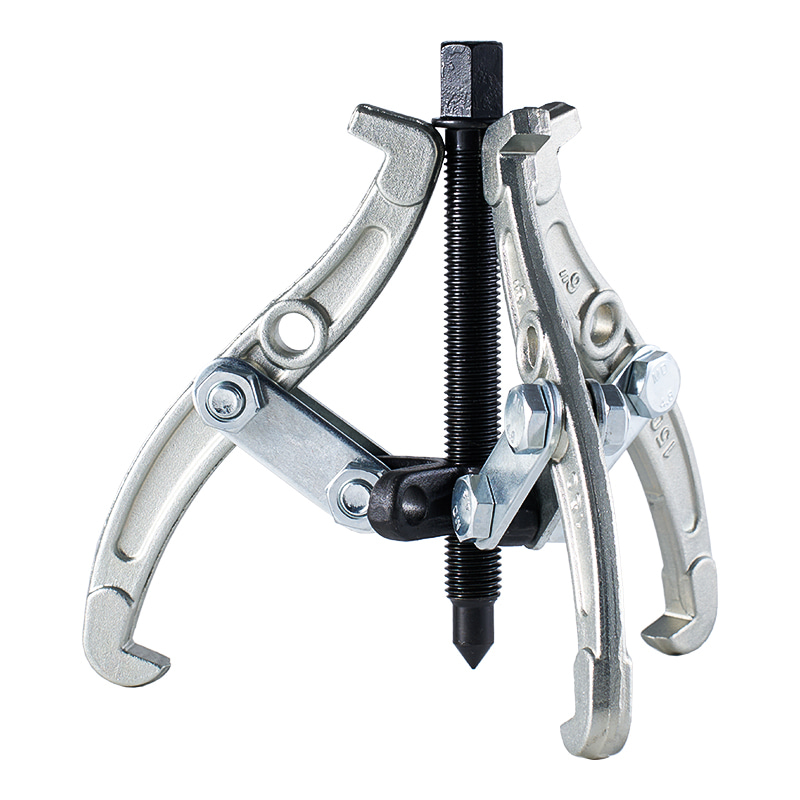

-

Fax: +86-576-82686606
-

Tel: +86-576-82686563
+86-576-82686832 -

E-mail: [email protected]
-

Add: Fengjiang Industrial Park, Luqiao Area,Taizhou City, Zhejiang Province, China
Copyright © 2025 Taizhou Xinming Technology Co., Ltd. All Rights Reserved.

Sale Hardware Tools Factory