

 русский
 Español
 عربى
عربى-
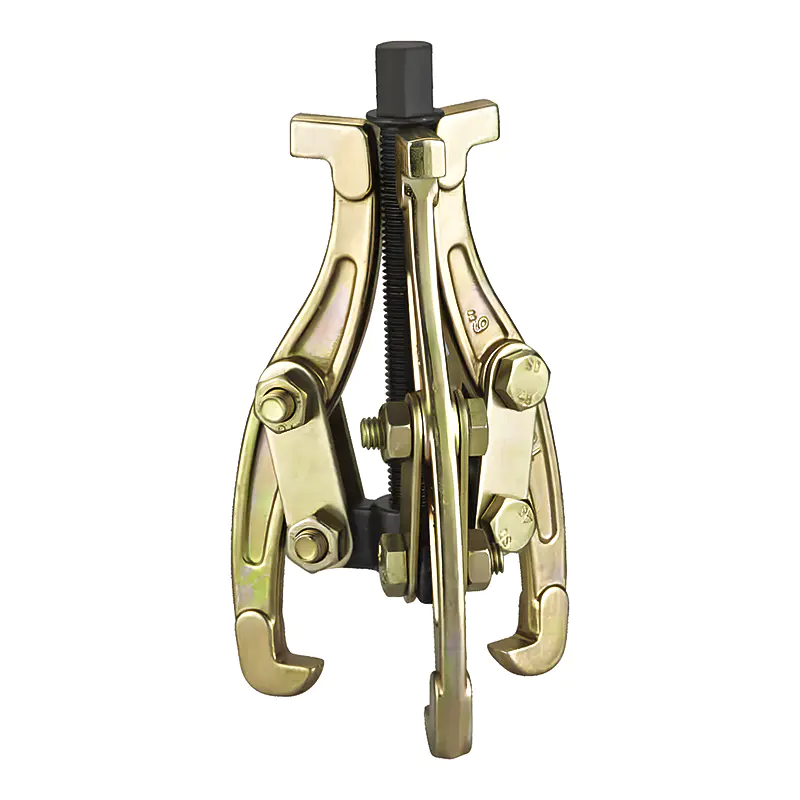
Model: SN0101
-
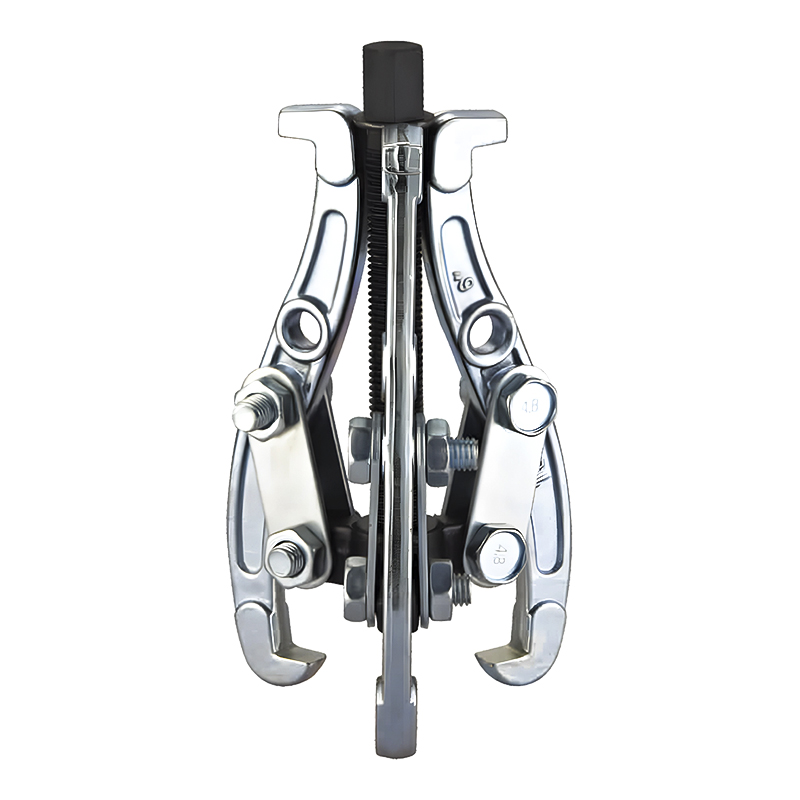
Model: SN0102-1
-
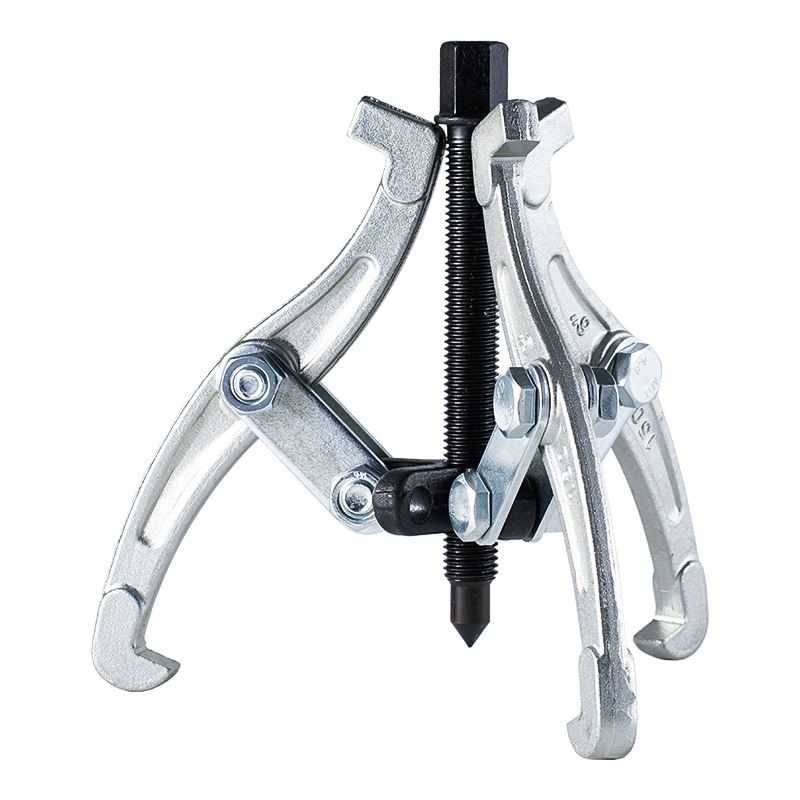
Model: SN0103
-
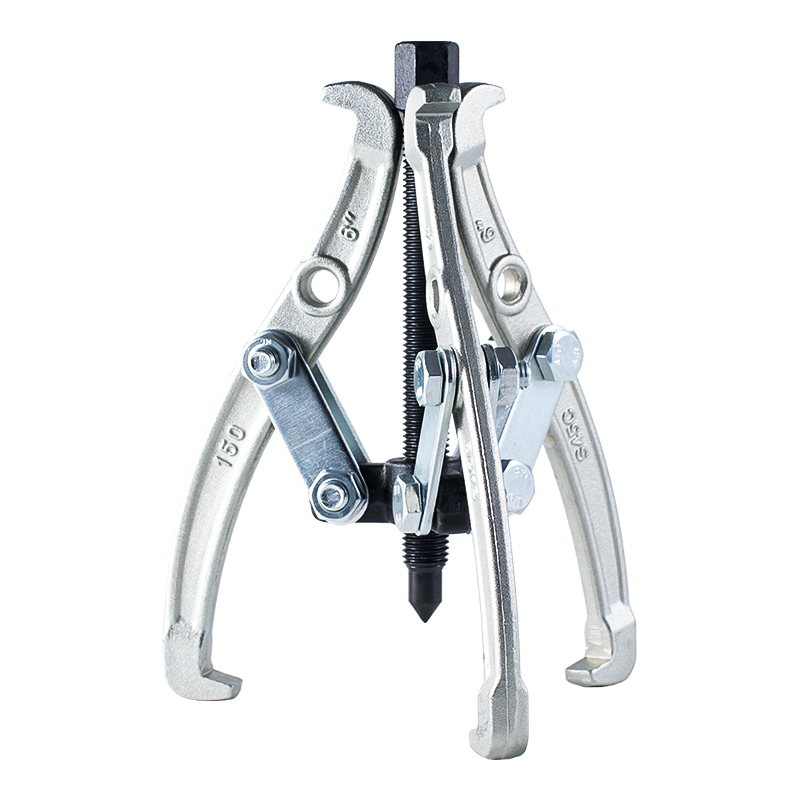
Model: SN0102 SN0107
-
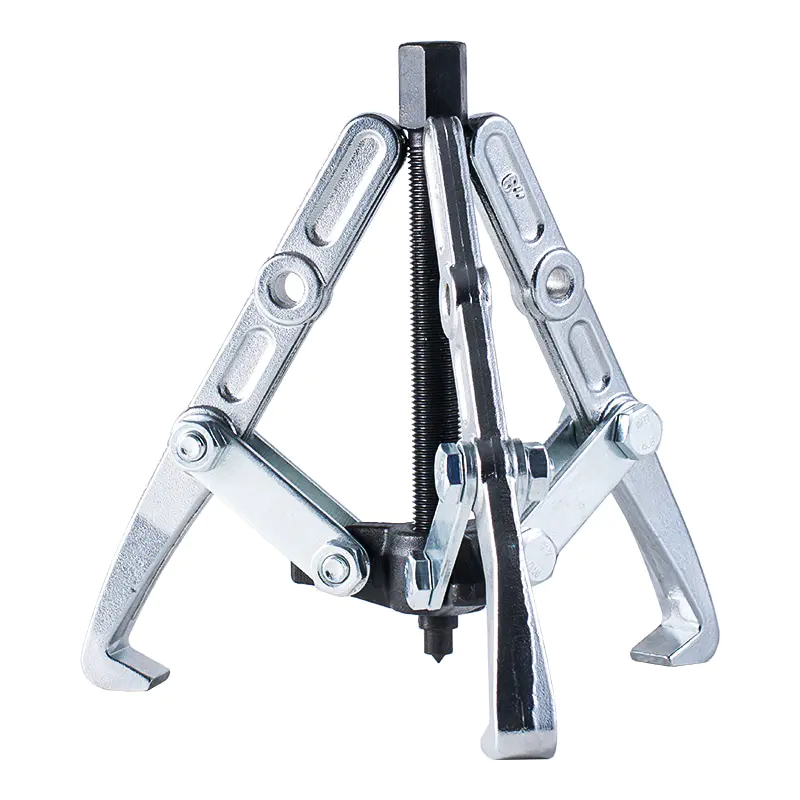
Model: SN0108 SN0109
-
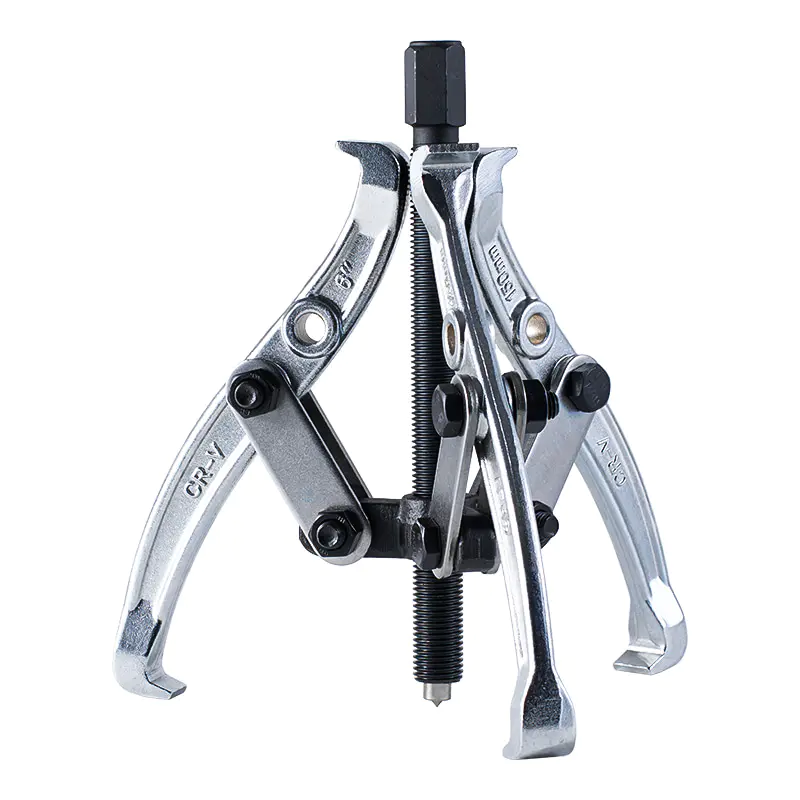
Model: SN0105
-
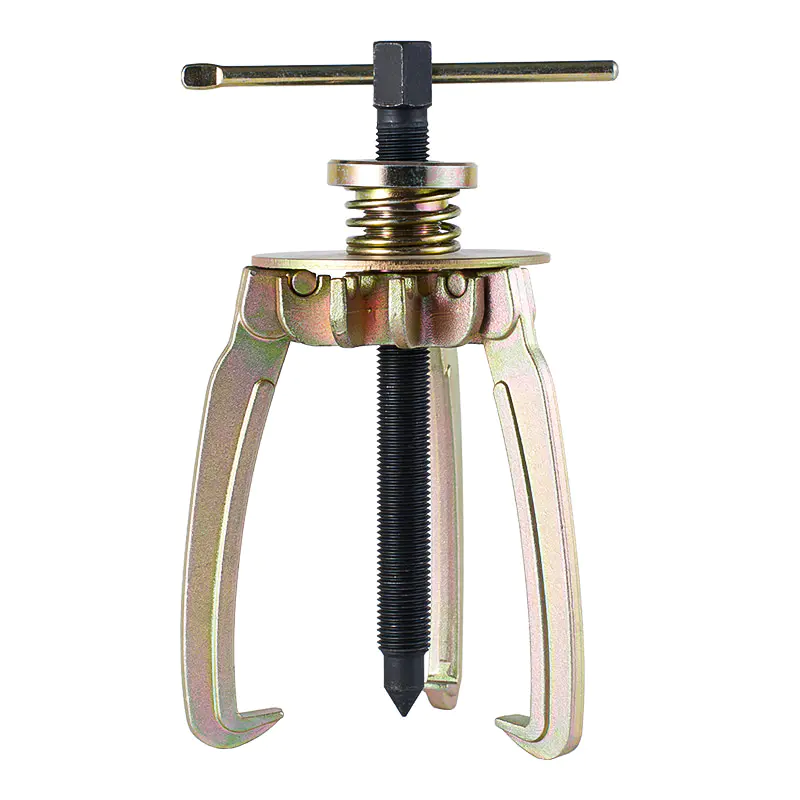
Model: SN0106
-
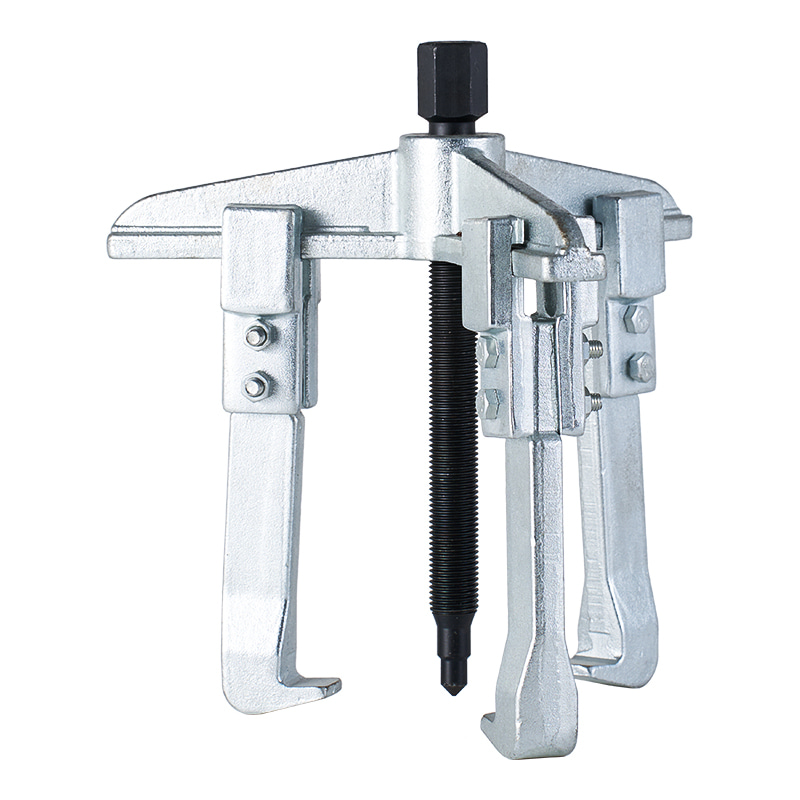
Model: SN0110
-
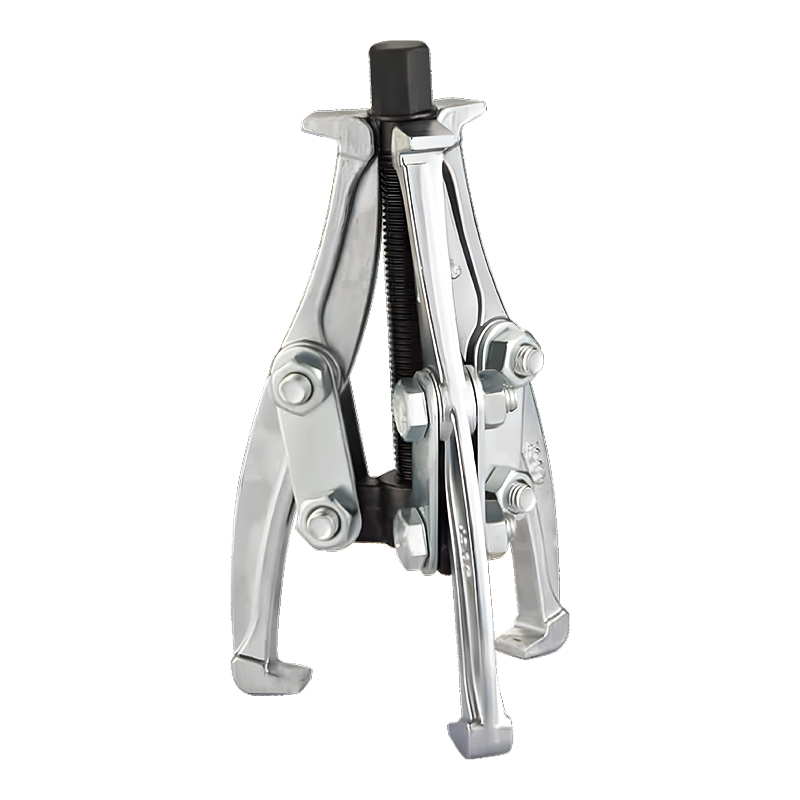
Model: SN0118
-
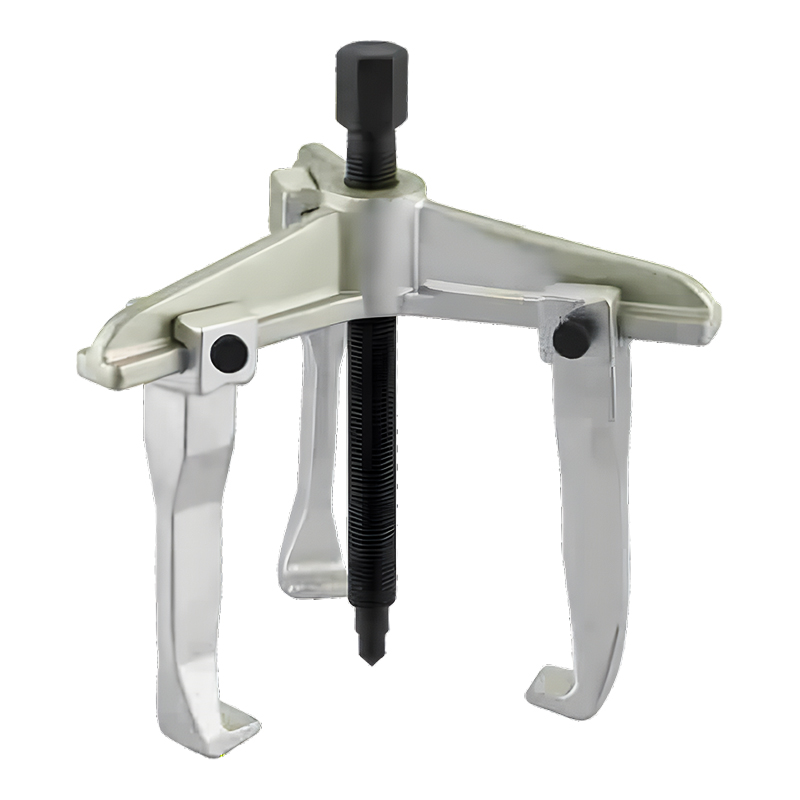
Model: SN0122
-
Model: SN0118-1
Submit feedback
How Does 2 Jaw Puller Set Handle Tight Fitted Parts In Workshop Use
2026-05-22
Why tight fitted parts become difficult to remove in real repair work
In real mechanical repair work, tight fitted parts are not rare. Bearings, gears, and pulleys are often installed with strong contact pressure so they do not slip during operation. At the beginning, this fit helps the machine run smoothly. But after long use, the same tight contact becomes a problem during disassembly.
In everyday workshop situations, a part may look normal from the outside but feel completely stuck once removal starts. This happens because of simple physical reasons. Continuous rotation, heat changes, and pressure during operation slowly increase the grip between metal surfaces. Even a small amount of surface oxidation or dirt can make the connection stronger.
A common mistake in practice is trying to force the part out directly. This can lead to surface scratches, shaft marks, or slight bending of edges. These small damages may not be obvious , but they can affect how the part fits again in future assembly.
In real use, technicians usually face situations like:
- Bearing that rotates freely but will not slide off
- Gear that stays locked even after loosening nearby parts
- Pulley that resists movement due to long-term fitting
- Parts located in narrow space where tools cannot reach easily
In these cases, controlled pulling becomes more practical than force impact.
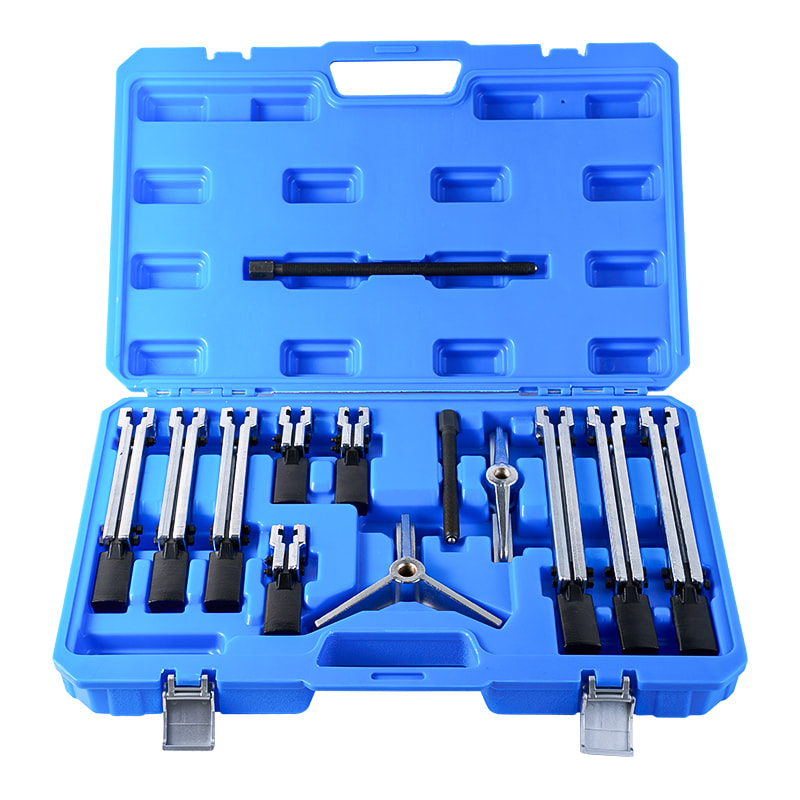
How 2 jaw puller set works in everyday workshop conditions
A 2 jaw puller set is used to create a slow and controlled pulling force instead of sudden impact. It has two gripping arms that hold the outer edge of a part, and a center screw that gradually creates pulling pressure.
In real workshop use, the process usually starts with positioning. The jaws are placed carefully on opposite sides of the component. This step looks simple, but it decides whether the pulling force will stay stable or become uneven later.
Once the tool is fixed, the center screw is turned slowly. At this moment, nothing moves yet. The force is being built between the tool and the fitted surface.
What happens inside the part during this stage is not visible, but it is important. The pressure slowly spreads across the contact area. Instead of one sudden force point, the load is shared across two gripping points.
In practical terms, the sequence often feels like this:
- Tool placed and adjusted around the part
- Jaws make steady contact with outer edge
- Screw starts turning with light resistance
- Tension builds gradually inside the connection
- Slight movement appears after resistance changes
The key idea is not speed but control. The part usually releases step by step rather than all at once.
How controlled pulling helps protect surface condition
One of the main reasons a 2 jaw puller set is used is to reduce surface damage during removal. In workshop environments, parts are often reused, so surface condition matters.
When force is applied unevenly, one side of the part may move earlier than the other. This creates a tilting effect. During tilting, metal surfaces can rub against each other in an uncontrolled way. This is where scratches or pressure marks often appear.
Balanced pulling works differently. When both jaws hold the part evenly, the force stays centered. The movement becomes straight instead of angled.
A simple comparison helps explain this behavior:
| Working condition | What happens during pull | Surface result |
|---|---|---|
| Uneven grip | One side moves | Possible surface marks |
| Balanced grip | Even force from both sides | Stable separation |
| Loose alignment | Shifting during pull | Irregular contact |
| Stable alignment | Straight movement | Reduced surface contact stress |
In real use, alignment is usually checked before tightening begins. Once force is applied, keeping stability is more important than increasing speed.
What happens during bearing removal in real workshop work
Bearing removal is one of the most common uses of a 2 jaw puller set. In small machines, bearings are often pressed tightly onto shafts. After long use, the contact becomes even stronger.
In practical work, the bearing does not come off immediately. It feels completely stuck. The puller only builds tension during this stage.
When the screw is turned slowly, pressure spreads evenly across the bearing edge. Inside the contact area, the bond between shaft and bearing starts to weaken gradually. This is not visible, but it is felt through slight changes in resistance.
Typical behavior during removal:
- No movement at the beginning
- Slow increase in tension
- Slight shift when bond starts weakening
- Gradual sliding movement
- Smooth release when fully separated
What matters most is avoiding sudden force. A steady pull reduces the chance of surface damage on both the bearing and shaft.
In real workshop conditions, this is especially important because many shafts are reused. Even small marks can affect how the new part fits later.
Gear removal and why surface protection becomes important
Gears are often installed with strong fitting to avoid slipping during rotation. Because of this, removal can be difficult, especially when the gear has been in place for a long time.
A 2 jaw puller set helps by applying force from two sides of the gear body. This reduces uneven stress on gear teeth and helps keep movement controlled.
During gear removal, the main concern is not only releasing the part but also keeping the surface clean and undamaged. Gear teeth are sensitive to pressure from the sides. If force is not centered, small marks may appear.
In real use, technicians usually focus on:
- Keeping jaw contact on solid gear body areas
- Avoiding direct pressure on teeth edges
- Maintaining straight pulling direction
- Watching for early movement signs
Once the internal grip loosens, the gear begins to move slowly. The release is usually gradual rather than sudden, which helps protect both gear and shaft surfaces.
Pulley removal in rotating systems and why space makes a difference
Pulley removal is one of those tasks where space becomes just as important as force. In rotating systems, pulleys are often installed tightly on shafts and surrounded by other components such as belts, brackets, or housing walls. This leaves only a small working area for tools.
In real workshop situations, the challenge is not only removing the pulley, but also doing it without disturbing nearby parts. Direct force or uneven tapping is risky in these narrow conditions because movement can easily transfer to surrounding structures.
A 2 jaw puller set is often used here because it can be positioned from the front without needing wide side access. The two jaws grip the outer rim of the pulley while the center screw applies slow, controlled pulling force.
During pulley removal, the behavior is usually gradual:
- Pulley remains fixed at the beginning of tension
- Slight resistance change appears as force builds
- Inner connection begins to loosen step by step
- Movement starts evenly if alignment is stable
- Separation completes without sudden release
One important detail is avoiding tilt. If one jaw grips more tightly than the other, the pulley may start to lean during pulling. This can increase friction on one side and affect surface condition.
In practice, careful positioning before tightening is often more important than the pulling itself.
How alignment affects surface condition during removal
Surface damage during removal is often not caused by force alone, but by misalignment. When the pulling direction is not centered, parts tend to shift slightly during movement. This small shift creates uneven contact between surfaces.
With a 2 jaw puller set, alignment determines whether the force travels straight or at an angle. A straight pulling line helps reduce sliding contact between metal surfaces.
In real workshop handling, technicians usually check:
- Jaw contact points are even on both sides
- Center screw is aligned with shaft direction
- No side pressure is stronger than the other
- Tool remains stable before tightening continues
Once force is applied, adjustments are limited. That is why positioning is often done slowly at the beginning.
Even a small deviation in alignment can change how the component reacts during separation.
Material condition and how it changes pulling behavior
Not all components behave the same during removal. Material condition plays a major role in how tight the fit feels.
A clean, lightly used surface usually separates with steady force. But a surface that has been exposed to long operation may behave differently. Heat, pressure, and slight oxidation can increase resistance between contact surfaces.
In real use, several conditions affect removal:
- Smooth surfaces tend to separate more evenly
- Rough or worn surfaces may create uneven resistance
- Light corrosion increases initial pulling force needed
- Long-term fitted parts may release slowly in stages
These differences are not always visible from outside. That is why operators usually rely on gradual force increase rather than fixed expectations.
The 2 jaw puller set adapts to these changes by allowing slow adjustment during pulling. This makes it easier to respond to resistance changes without sudden impact.
Common workshop situations where surface protection matters
In daily repair environments, surface protection is not only a technical concern but also a practical one. Many components are reused after removal, so maintaining their surface condition is important for future fitting.
Typical cases include:
- Bearings reused on the same shaft type
- Gears that must maintain tooth alignment
- Pulleys that need smooth reinstallation
- Shafts that must remain free of marks
In these situations, even small scratches can affect how parts fit again. That is why controlled pulling is preferred over impact-based methods.
A 2 jaw puller set helps reduce surface contact stress by spreading force across two points instead of one. This reduces concentrated pressure that could otherwise leave marks.
Maintenance habits that affect pulling performance
The condition of the tool itself also influences how smoothly parts are removed. In real workshop use, small maintenance habits make a difference over time.
Common practices include:
- Keeping jaw surfaces clean to maintain stable grip
- Checking alignment before each use
- Ensuring center screw moves smoothly without resistance
- Avoiding uneven wear on gripping arms
- Storing the tool in a dry condition to reduce surface wear
When the tool is in good condition, force transfer becomes more stable. This helps reduce unexpected movement during pulling, which indirectly protects the surface of the component being removed.
Why 2 jaw puller set remains practical in surface sensitive work
In many mechanical repair situations, simplicity and control are more important than complexity. A 2 jaw puller set stays useful because it offers a direct way to apply controlled force without sudden impact.
It fits into narrow spaces, adapts to different component sizes, and allows gradual force adjustment during operation. These characteristics make it suitable for work where surface condition needs to be preserved.
In real use, its value is not only in removing tight fitted parts, but in doing so with a steady and predictable motion that reduces unnecessary surface stress.

-

Fax: +86-576-82686606
-

Tel: +86-576-82686563
+86-576-82686832 -

E-mail: [email protected]
-

Add: Fengjiang Industrial Park, Luqiao Area,Taizhou City, Zhejiang Province, China
Copyright © 2025 Taizhou Xinming Technology Co., Ltd. All Rights Reserved.

Sale Hardware Tools Factory