

 русский
 Español
 عربى
-
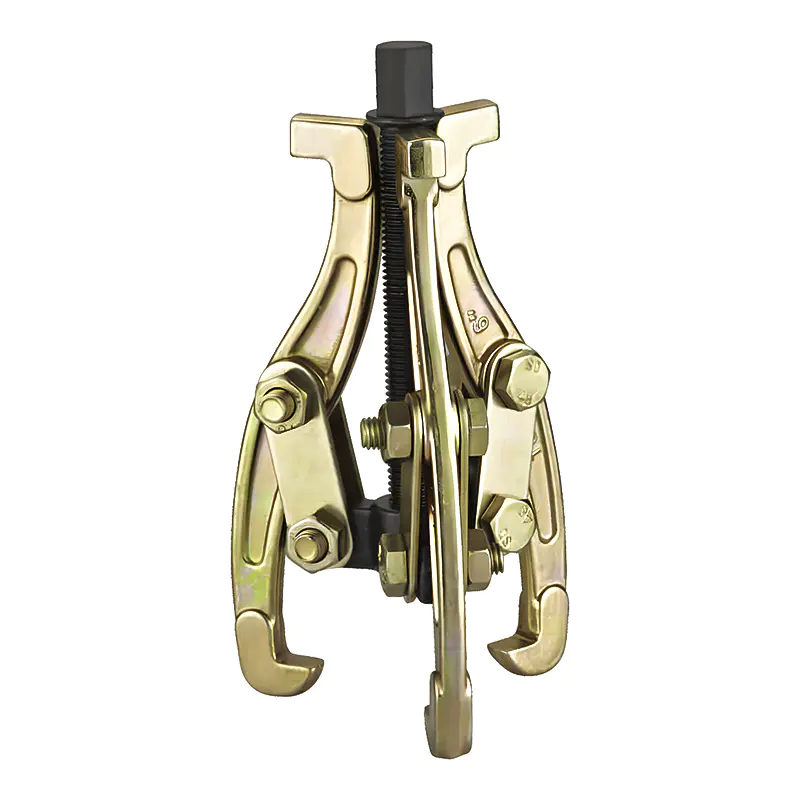
Model: SN0101
-
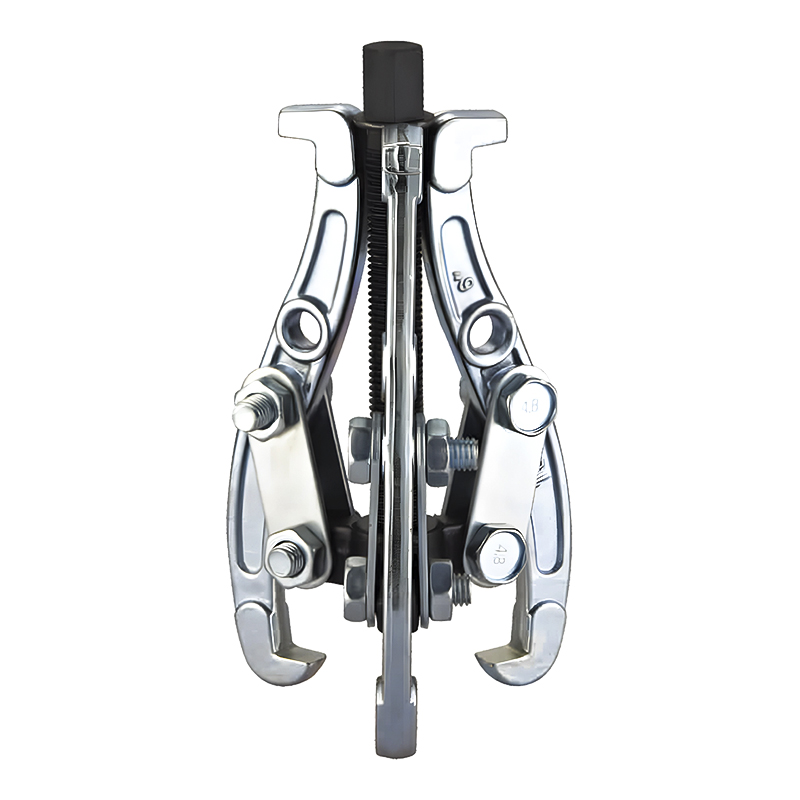
Model: SN0102-1
-
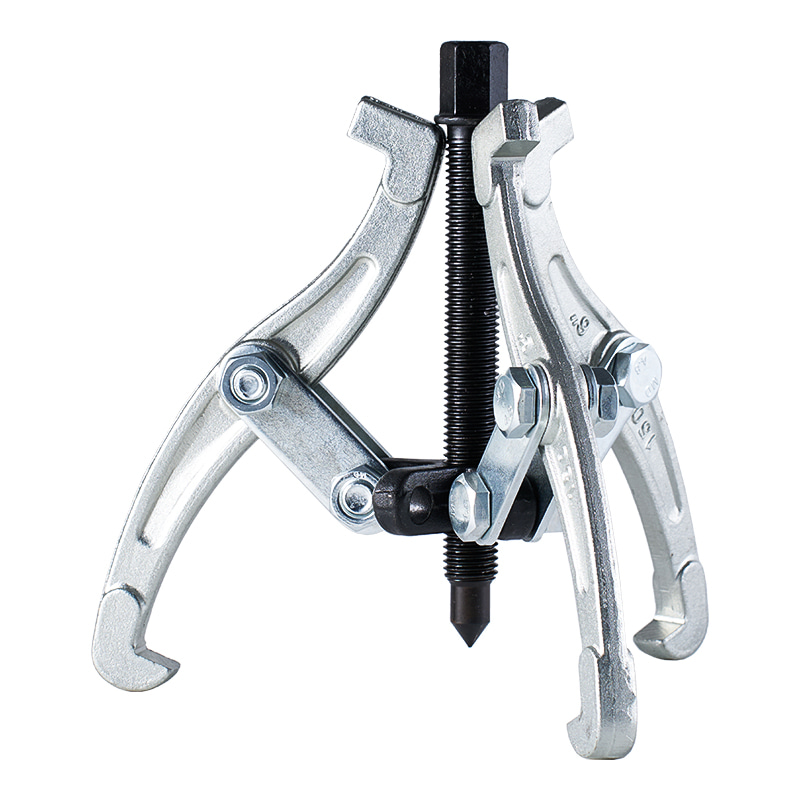
Model: SN0103
-
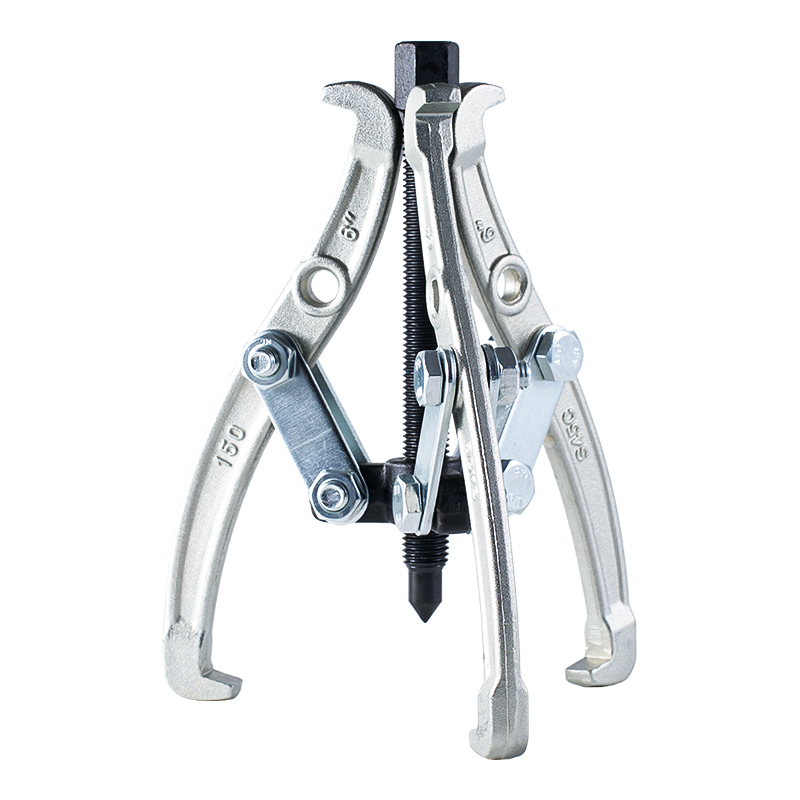
Model: SN0102 SN0107
-
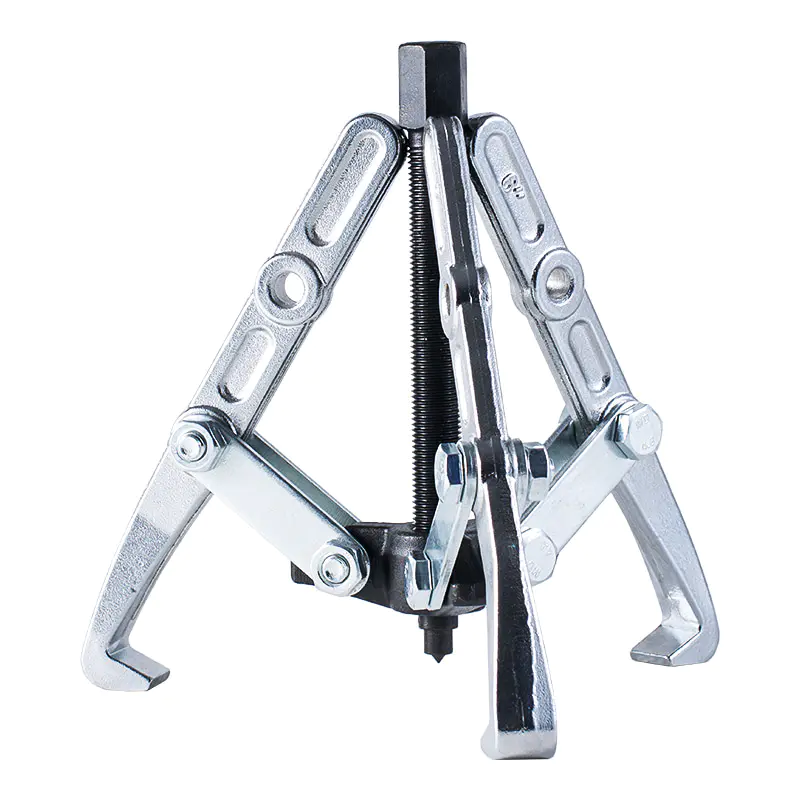
Model: SN0108 SN0109
-
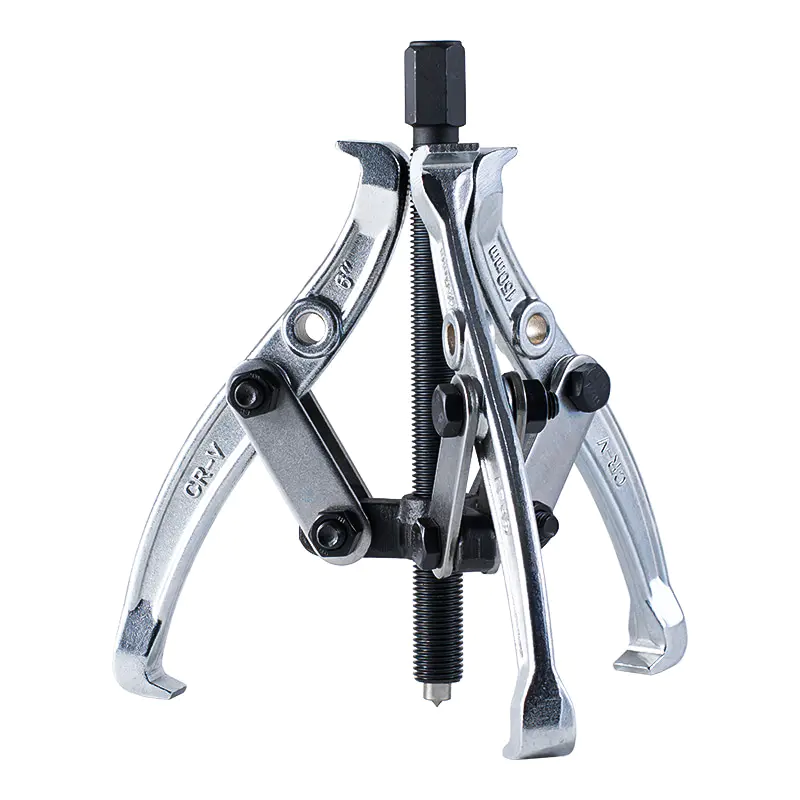
Model: SN0105
-
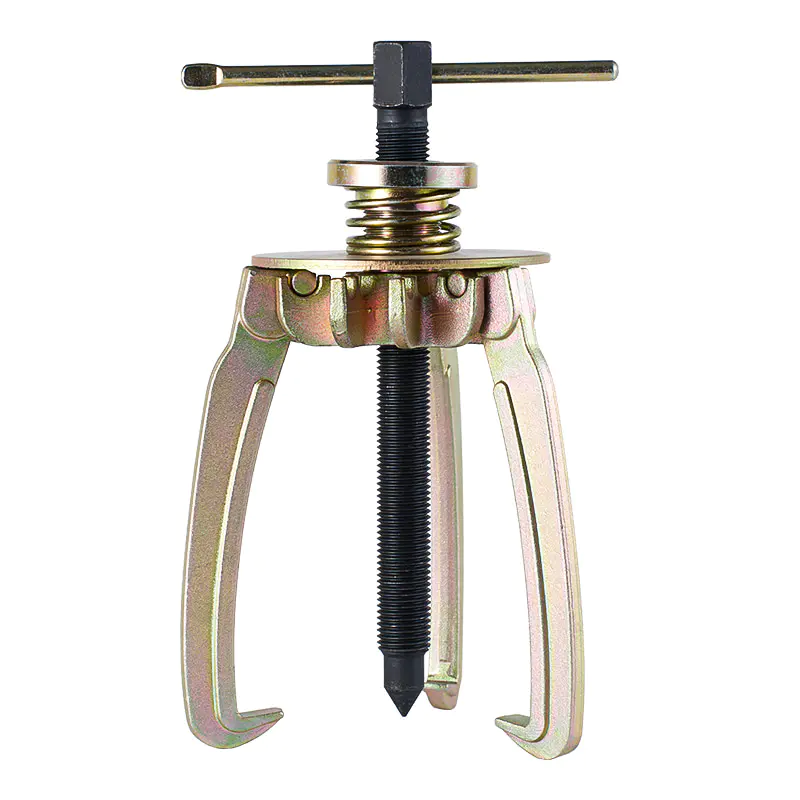
Model: SN0106
-
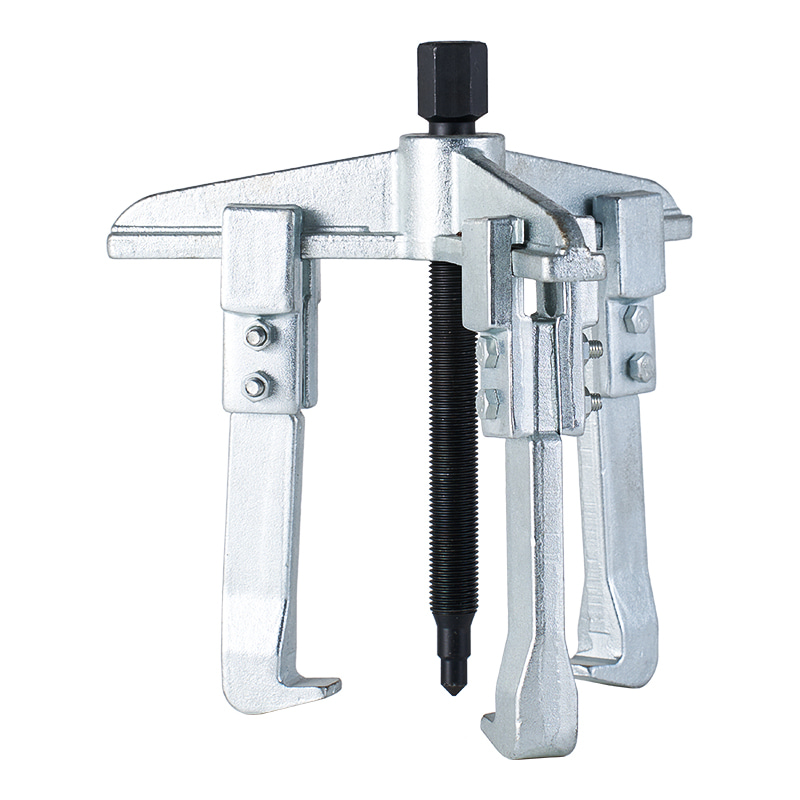
Model: SN0110
-
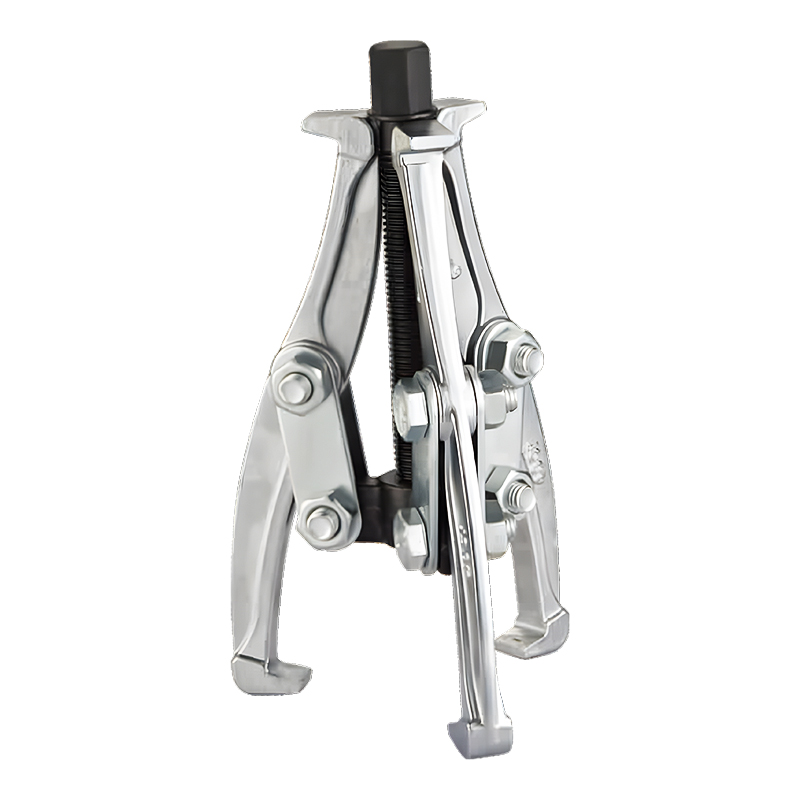
Model: SN0118
-
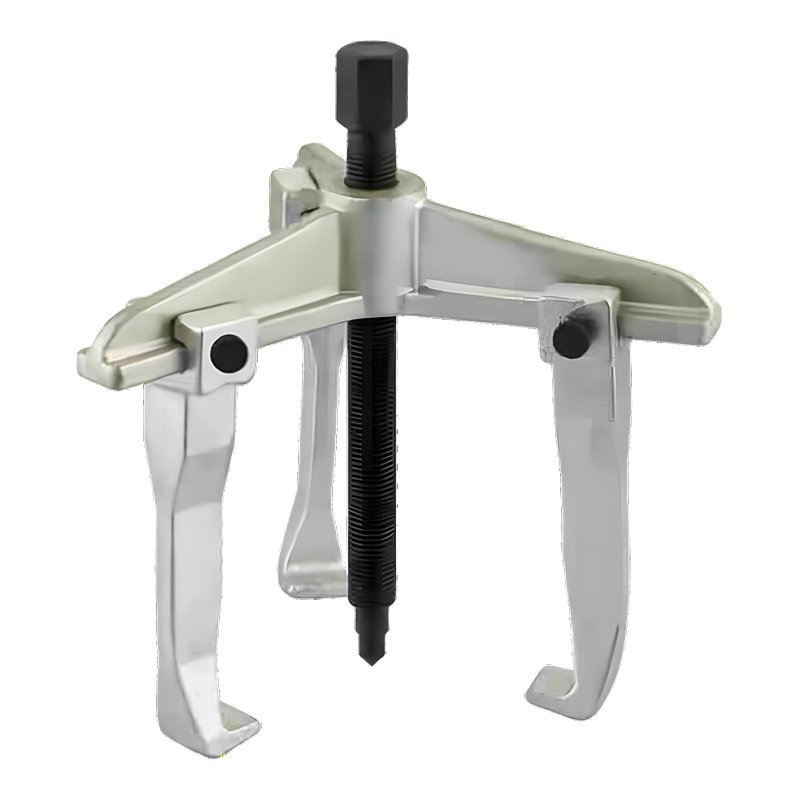
Model: SN0122
-
Model: SN0118-1
Submit feedback
How Adjustable Bearing Pullers Support Industrial Equipment Repair
2026-11-27
Industrial machines are built from parts that depend on one another, and bearings sit near the center of that web. They carry rotating shafts, cut friction, and keep movement steady. They also take a beating. Over months of running, bearings wear down, get damaged, corrode, or seize onto their seats so firmly that they refuse to come off.
Taking a bearing out without harming what surrounds it is often the hard part. Industrial assemblies are tightly fitted and awkward to reach. A poor removal method can mark a shaft, distort a housing, or damage a neighboring part, and then the repair job gets bigger than it needed to be.
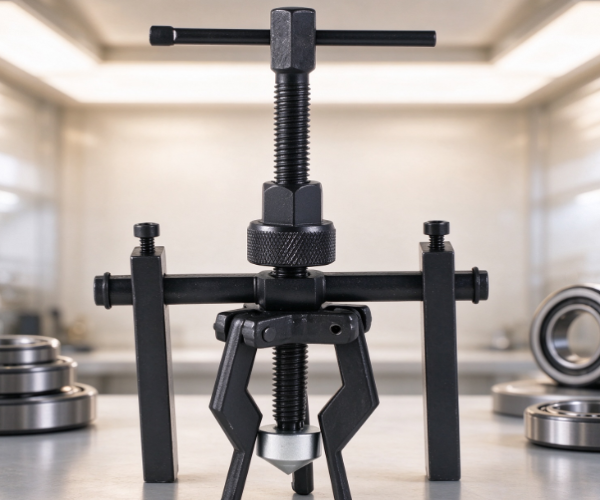
An adjustable bearing puller handles this job well. Its arms can be set to suit different component sizes and positions, so one tool serves in manufacturing workshops, automotive garages, and heavy equipment service centers alike.
Maintenance teams are now judged more on reliability and short downtime. In that setting, tools that allow controlled removal get more attention. The adjustable puller fits here: it lets technicians pull a bearing with better control and less brute force.
Why Is Bearing Removal an Important Part of Industrial Equipment Repair?
Bearings turn up in nearly every kind of industrial machine: motors, pumps, gearboxes, conveyors, fans, compressors, and other rotating equipment.
Their job is to support motion while keeping friction between parts low. A healthy bearing helps the machine run smoothly, with controlled contact between components.
But they don't last forever. Constant running, weak lubrication, contamination, heavy loads, and poor installation all take a toll.
A bearing in trouble often announces itself through noise, vibration, heat, or uneven movement. Leave it alone and the damage can spread to other parts of the machine.
Replacement means pulling the old bearing first. That sounds easy, yet it gets complicated when the bearing is pressed tightly onto a shaft or sits in a cramped spot.
Too much force, or the wrong tool, can lead to:
- Scratched or deformed shaft surfaces.
- Damage to nearby mechanical parts.
- A distorted bearing housing.
- Extra repair work and higher maintenance costs.
- Longer delays before the equipment is running again.
That's why controlled removal matters. A suitable puller lets technicians apply force in an orderly way, so they don't have to improvise.
What Is an Adjustable Bearing Puller and How Does It Work?
A bearing puller is a mechanical tool for removing bearings and other fitted parts from shafts or similar structures.
It generally consists of pulling arms, gripping jaws, a central screw, and a supporting frame. Exact designs vary with the intended use.
The arms hold the part being removed, and you can move them to match the bearing's size and shape. The central screw produces the pulling force and slowly draws the part off its seat.
The principle is controlled mechanical force.
First, the jaws are placed behind the bearing or on another suitable gripping surface. Then the central screw is turned, so the pull runs along the component's axis.
As the force builds, the bearing slides away from the shaft or mounting position.
The adjustable build matters because equipment doesn't come with uniform layouts. Bearings differ in size, position, and accessibility. With adjustable arms, one tool can cover many conditions, and you don't need a different puller for each job.
Correct positioning still decides the outcome. The jaws must hold a suitable surface firmly, and the force should be even. A bad setup can cause slipping or put stress on nearby parts.
How Do Adjustable Bearing Pullers Improve Maintenance Flexibility?
Industrial maintenance seldom involves a single type of machine. One workshop may service motors, pumps, gearboxes, fans, and transmissions in the same week.
Each machine has its own bearing layout. Some bearings sit in the open and are easy to reach. Others hide behind pulleys, gears, or other components.
That variety is a headache for maintenance teams. Stocking a dedicated removal tool for every part takes up storage space and complicates job preparation.
An adjustable puller solves part of this with its movable gripping structure.
Adapting to Different Component Sizes
The arms can be repositioned to fit various bearing dimensions and gripping points. A technician can use the same basic tool for many removal jobs, as long as the job falls within its working range and capacity.
This helps workshops that handle several equipment types. The tool is adjusted to the part, so the technician isn't stuck with a fixed grip.
Working with Different Component Shapes
Components don't share one outer shape. Some bearings have exposed outer edges. Others are installed tight against surrounding parts.
Adjustable jaws make it easier to find a workable grip. Depending on the puller's design, it may also remove certain pulleys, gears, and other fitted components.
Whether it works depends on the component's structure and the surfaces available to grip.
Supporting Different Maintenance Environments
You'll find adjustable pullers in equipment workshops, factory maintenance departments, vehicle service shops, and machinery repair centers.
Their flexibility suits places where technicians meet a different assembly every day.
Rather than reaching for a hammer or a pry bar, staff can choose a suitable puller setup and do the work with more control.
Can Adjustable Bearing Pullers Help Reduce Equipment Damage?
Avoiding needless damage is one of the biggest worries in industrial repair.
Bearings are usually installed with a close fit. Getting one off takes enough force to break the grip between the bearing and its seat, and that force has to be applied with care.
An adjustable puller aims the pull at the component being removed. That's very different from hammering on the bearing or pushing at its edges at random.
The central screw gives a controlled pull while the arms hold the part in place.
When the tool is well chosen and properly set up, this approach lowers the chance of damage.
A few things make removal safer.
Stable gripping: The jaws should bite into a suitable part of the bearing. That keeps the tool from slipping mid-pull.
Balanced force: Space the arms evenly. Uneven contact can make the bearing tilt and jam.
Correct alignment: Keep the central screw in line with the shaft or component. This avoids side pressure.
Protection of nearby surfaces: Spot the vulnerable areas before pulling. Some assemblies call for protective accessories or extra support.
A puller won't prevent every kind of damage on its own. Wrong use, the wrong tool, or too much force can still cause trouble.
If a bearing is badly seized, or its seat is damaged, you may need a closer inspection and a different removal method.
Which Industrial Applications Benefit from Adjustable Bearing Pullers?
Rotating parts are everywhere in mechanical equipment, so adjustable pullers are used across many industries.
They aren't limited to bearing replacement. Depending on design, they can also help remove other tightly fitted parts.
| Industrial Application | Related Equipment | Maintenance Purpose |
|---|---|---|
| Manufacturing | Motors, conveyors, and production machinery | Removing worn bearings during equipment repair |
| Automotive | Engines, transmissions, and wheel assemblies | Removing fitted bearings and selected mechanical components |
| Agriculture | Agricultural machinery and drive systems | Supporting repairs to rotating assemblies |
| Industrial ventilation | Fans, blowers, and ventilation motors | Removing bearings during motor and fan maintenance |
| Fluid handling | Pumps and related drive equipment | Supporting bearing replacement and mechanical servicing |
| Heavy equipment | Gearboxes and mechanical drive systems | Removing fitted components during repair work |
Manufacturing and Production Equipment
Production plants often run machines for long stretches. Motors, conveyors, and rotating assemblies move constantly and carry steady loads.
Once a bearing starts wearing, the maintenance team has to pull it without harming the rest of the machine.
An adjustable puller helps by offering a workable grip across different bearing positions.
Automotive and Transportation Maintenance
Vehicles contain plenty of fitted components. Bearings are found in engines, transmissions, wheels, and other rotating assemblies.
During repairs, technicians sometimes face bearings that refuse to separate from their seats.
Adjustable pullers can help in those cases, provided the component's structure and the tool's design are compatible.
Pumps and Industrial Fans
Pumps and fans rely on rotating shafts held by bearings. Wear here can upset operating stability and bring noise or vibration.
During maintenance the old bearing must come off before the shaft assembly can be checked or repaired.
A suitable adjustable puller makes this easier to manage, especially when there's little room around the bearing.
Agricultural and Heavy Machinery
Farm machines and heavy equipment often work amid dust, moisture, and heavy loads.
Those conditions hurt bearing performance and make maintenance tougher.
Adjustable pullers support repairs on rotating assemblies and let technicians remove fitted parts without resorting to uncontrolled impact.
What Should Technicians Consider Before Using an Adjustable Bearing Puller?
Adjustable pullers are meant to make removal simpler, but results depend on choosing and using them correctly.
Understand the component's structure before picking a tool. A puller that doesn't match the bearing arrangement may not grip securely or may pull in the wrong direction.
Several points need attention.
Bearing Position and Accessibility
Where the bearing sits decides how the arms can be placed.
With enough room behind the bearing, a standard external grip may do the job. If the bearing sits close to a shoulder or other structure, you may need a different jaw design or a removal accessory.
Look over the available gripping surfaces before fitting the puller.
Tool Design and Adjustment Range
Adjustable pullers come in several forms. Some have two arms, others three. Jaw shape and adjustment mechanisms differ as well.
Two-jaw designs can work in certain tight spaces. Three-jaw designs may grip more evenly when the surrounding structure leaves room for them.
Base the choice on bearing position, component shape, and working environment, not on how the tool looks.
Material and Construction
How strong and durable a puller is depends on its build and materials.
The arms, central screw, and frame must withstand the forces of removal work.
For industrial use, buyers should know the intended working conditions and follow the manufacturer's stated capacity and instructions.
Safety and Working Procedures
Before using a puller, make sure the equipment is shut down and can't start by accident.
Keep the work area clear, support the component where needed, and wear protective gear suited to the task.
Never lengthen the tool with improvised extensions, and never force a puller that is slipping or badly placed.
If the part doesn't move as expected, find out why before continuing.
How Can Proper Tool Maintenance Extend the Service Life of an Adjustable Bearing Puller?
An adjustable puller is a reusable tool. Like any mechanical equipment, it needs inspection and care to stay fit for repeated use.
Frequent pulling wears the threads, arms, and central screw. Dirt, rust, and poor storage can also degrade the tool.
Regular checks catch these problems before they ruin a job.
These habits help with routine care:
- Inspect the gripping jaws: Look for cracks, deformation, worn edges, or signs of slipping.
- Check the central screw: Watch for damaged threads, bending, or unusual resistance when adjusting.
- Examine the supporting structure: Make sure the arms and frame show no visible damage.
- Clean after use: Wipe off grease, dirt, and other residue.
- Apply suitable lubrication: Keep moving and threaded parts in good working order, following the manufacturer's instructions.
- Store in a dry place: Limit exposure to moisture and corrosive substances.
- Replace damaged parts: Stop using any component that shows structural damage.
Storage deserves a note too. Keep pullers in a set tool area, not on the floor or tossed in with heavy equipment. That makes inspection easier and lowers the risk of accidental damage.
A maintenance log lets a workshop track tool condition and spot repeat problems. If a puller often slips or gets hard to adjust, look into the cause instead of writing it off as normal wear.
What Should Buyers Look for When Selecting an Adjustable Bearing Puller?
For industrial buyers, choosing an adjustable puller takes more than comparing looks or price.
The tool has to fit the jobs it will face. A workshop repairing many kinds of machinery has different needs from a plant that mostly maintains one production system.
Knowing those needs helps buyers talk more clearly with tool manufacturers and suppliers.
Application compatibility
Think about which bearings and mechanical components need removing. The tool should suit their shape, position, and available gripping surfaces.
Adjustment flexibility
Check that the arms cover the component sizes your workshop meets most often. The adjustment mechanism should also be practical for everyday use.
Construction quality
Look at the materials, surface finish, thread condition, and the links between the main parts. These details shape how the tool performs over repeated jobs.
Ease of operation
A clear adjustment structure lets technicians set up the tool without fuss. Comfortable handling counts too, since repair tasks repeat.
Product documentation
Manufacturers should be able to explain intended uses, operating procedures, maintenance needs, and the limits of their products.
Replacement and after-sales support
For workshops that depend on regular maintenance, access to replacement parts and technical help can weigh heavily in the purchase decision.
Industrial maintenance needs keep varying from sector to sector, and adjustable bearing pullers stay useful for handling fitted mechanical components. Their value ties directly to what repair work demands: adapting to different component layouts, supporting controlled removal, and sparing maintenance teams extra work during bearing replacement.

-

Fax: +86-576-82686606
-

Tel: +86-576-82686563
+86-576-82686832 -

E-mail: [email protected]
-

Add: Fengjiang Industrial Park, Luqiao Area,Taizhou City, Zhejiang Province, China
Copyright © 2025 Taizhou Xinming Technology Co., Ltd. All Rights Reserved.

Sale Hardware Tools Factory